
Discover the easiest way to achieve crystal-clear, streak-free mirrors using just a microfiber cloth. This guide reveals why microfiber beats paper towels and shares simple steps for sparkling results without harsh chemicals. Perfect for bathrooms, hallways, and vanity mirrors.
Key Takeaways
- Use dry microfiber first: Always start with a completely dry, clean microfiber cloth to lift dust and prevent streaks.
- Choose the right cloth: Opt for high-quality, lint-free microfiber (70% polyester/30% polyamide) sized 12″x12″ or larger.
- Spray solution on cloth, not mirror: Mist cleaning solution onto the microfiber, never directly on the glass, to avoid overspray and residue.
- Wipe in one direction: Use smooth, overlapping strokes (like “W” patterns) without pressing hard to prevent swirl marks.
- Dry immediately with second cloth: Follow cleaning with a dry microfiber cloth to absorb moisture and guarantee a streak-free finish.
- Wash cloths properly: Clean microfiber separately in cold water, no fabric softener, to maintain absorbency and effectiveness.
Why Microfiber is the Secret to Perfectly Clean Mirrors
Staring at a foggy, streaked mirror after your morning routine? You’re not alone. Most people grab paper towels or old rags, only to end up with more smudges and lint. The solution is simpler than you think: how to clean mirrors with microfiber cloth correctly. Unlike rough paper towels that scratch and leave fibers, or cotton rags that push dirt around, microfiber’s ultra-fine fibers (thinner than human hair!) trap dust, oils, and water spots without leaving a trace. It’s the only tool you need for a professional, streak-free shine – no expensive sprays or elbow grease required. In this guide, you’ll learn exactly how to harness microfiber’s power for mirrors that look brand new, every single time.
What Makes Microfiber So Effective for Mirrors?
Microfiber isn’t magic – it’s science! Made from split polyester and polyamide fibers, it creates millions of tiny hooks that grab onto dirt and moisture. Here’s why it outperforms everything else:
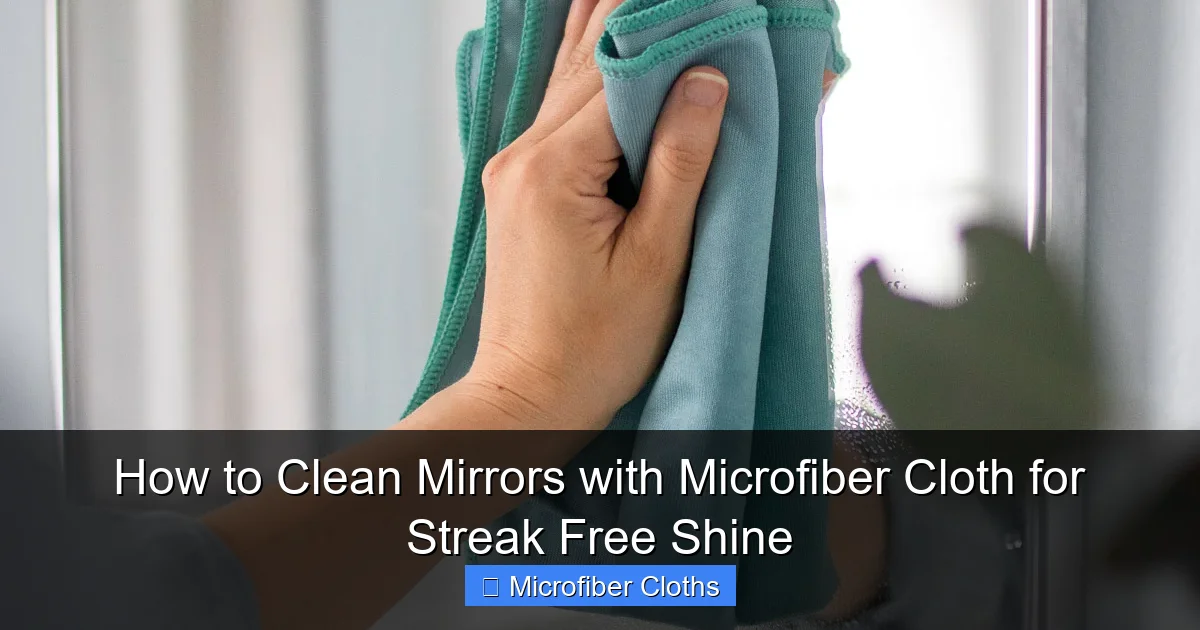
Visual guide about How to Clean Mirrors with Microfiber Cloth for Streak Free Shine
Image source: hellonest.co
- Superior absorption: Holds up to 7x its weight in water, soaking up condensation and cleaning solutions instantly.
- No lint or scratches: Smooth fibers glide over glass without leaving residue or micro-scratches (unlike paper towels).
- Static attraction: Naturally pulls dust and hair away from the surface.
- Reusable & eco-friendly: Wash and reuse hundreds of times, reducing waste from disposable wipes.
Pro Tip: Look for “GSM” (grams per square meter) on the label. For mirrors, choose 300+ GSM – it’s thicker and more absorbent. Avoid “microfiber blends” with cotton; pure microfiber works best.
What You’ll Need to Clean Mirrors with Microfiber Cloth
Forget complicated setups. You only need three things:

Visual guide about How to Clean Mirrors with Microfiber Cloth for Streak Free Shine
Image source: hellonest.co
- Two clean microfiber cloths: One for cleaning (slightly damp), one for drying (bone dry). Never reuse a dirty cloth!
- Mild cleaning solution (optional): Mix 1 part white vinegar with 1 part water in a spray bottle. For tough grime, add 1 drop of dish soap. Never use ammonia-based cleaners – they damage mirror backing!
- A lint-free duster (optional): For pre-cleaning heavy dust.
Why two cloths? Using one cloth for both wet and dry steps causes streaks. The first lifts dirt; the second polishes to perfection. Keep cloths in separate stacks – label them “WET” and “DRY” if needed!
Step-by-Step: How to Clean Mirrors with Microfiber Cloth
Follow these simple steps for guaranteed streak-free results. Total time: 2 minutes per mirror.

Visual guide about How to Clean Mirrors with Microfiber Cloth for Streak Free Shine
Image source: raincitymaids.com
Step 1: Prep the Mirror Surface
Start with a dry mirror. If it’s foggy from a shower, wipe gently with your dry microfiber cloth first. This removes condensation without spreading moisture. For mirrors with heavy dust or hairspray buildup, use a dry duster to lift loose particles. Skipping this step pushes dirt into the glass, causing streaks later.
Pro Tip: Clean mirrors when they’re cool to the touch. Hot glass evaporates solution too fast, leaving residue.
Step 2: Apply Cleaning Solution Correctly
Here’s the golden rule: Never spray directly on the mirror. Overspray lands on frames, walls, or your skin – and excess liquid pools in corners, creating streaks. Instead:
- Spray your cleaning microfiber cloth 3-4 times with your vinegar-water solution (or plain water for light cleaning).
- Fold the cloth into quarters so the damp section is on the outside.
Why fold? It gives you 8 clean surfaces to use, preventing dirt from being rubbed back onto the mirror. A damp (not soaking) cloth is key – too wet = streaks; too dry = smudges.
Step 3: Wipe in Smooth, Overlapping Strokes
Now for the magic:
- Start at the top corner. Wipe downward in a straight line, using light pressure.
- Move horizontally to the next section, overlapping your previous stroke by 50%.
- Use a “W” or “M” pattern for large mirrors to ensure even coverage.
- Never circle or scrub – this creates swirl marks.
Example: For a bathroom mirror, wipe from top-left to bottom-right, then top-right to bottom-left. This cross-hatch method catches missed spots. Focus on edges last – they collect the most grime.
Pro Tip: If you see streaks forming, you’re using too much solution. Switch to a drier section of the cloth.
Step 4: Dry Immediately with a Second Microfiber Cloth
This is non-negotiable for streak-free shine. While the mirror is still slightly damp:
- Grab your dry microfiber cloth (folded into quarters).
- Wipe in the same direction as Step 3 – top to bottom, overlapping strokes.
- Apply gentle pressure to absorb all moisture.
- Check for streaks in natural light. If needed, repeat with a fresh dry cloth.
Why this works: Microfiber’s absorbency pulls water into its fibers, leaving zero residue. Cotton or paper towels would leave lint or require buffing (which causes streaks).
Step 5: Polish for Extra Shine (Optional)
For vanity or decorative mirrors, give a final polish with a third dry microfiber cloth. Buff in small circles using light pressure. This removes any microscopic moisture and enhances reflectivity. Skip this for bathroom mirrors – they’ll stay clear until the next shower!
Troubleshooting Common Mirror Cleaning Problems
Even with microfiber, issues happen. Here’s how to fix them:
Problem: Streaks or Haze After Cleaning
Cause: Too much solution, dirty cloth, or skipping the dry step.
Fix: Re-clean with a barely damp cloth, then dry thoroughly with a fresh microfiber. Always use distilled water in your solution to prevent mineral streaks.
Problem: Water Spots or Hard Water Marks
Cause: Mineral deposits from tap water.
Fix: Soak a microfiber cloth in undiluted white vinegar for 1 minute. Wipe the spot, wait 30 seconds, then dry immediately. For severe buildup, use a razor blade at 45° angle (test first on edge).
Problem: Cloth Leaves Lint or Fibers
Cause: Low-quality microfiber or cloth needs washing.
Fix: Wash cloths in cold water with mild detergent (no fabric softener!). Air dry. Replace cloths if fibers are frayed.
Problem: Mirror Fogs Up Instantly After Cleaning
Cause: Residue from soap or improper drying.
Fix: Clean with vinegar-water only (no soap). Dry completely with a lint-free cloth. For prevention, apply a thin layer of shaving cream and buff with microfiber – it creates a anti-fog barrier.
Caring for Your Microfiber Cloths: The Key to Long-Term Success
Your microfiber cloths are an investment. Treat them right, and they’ll last years:
- Wash separately: Never mix with cotton towels or clothing – lint transfers.
- Use cold water & mild detergent: Hot water melts fibers; bleach destroys them.
- Skip fabric softener: It coats fibers, reducing absorbency by 50%.
- Air dry or tumble dry low: High heat damages the split fibers.
- Store folded: Keep in a clean drawer – not under the sink where moisture breeds bacteria.
When cloths lose effectiveness (water beads instead of absorbing), it’s time to replace them. Good microfiber should feel soft and plush, not stiff or waxy.
Why This Method Beats “Quick Fixes”
You’ve probably tried hacks like cleaning mirrors with newspaper or coffee filters. Here’s why they fail:
- Newspaper: Ink transfers to glass, and rough paper leaves scratches.
- Coffee filters: Too thin – they tear and leave lint.
- Paper towels: Abrasive fibers create micro-scratches that trap dirt long-term.
Microfiber is the only material that cleans and protects your mirror. It’s also cost-effective: a $10 pack of 12 cloths replaces hundreds of paper towels. Plus, vinegar-water solution costs pennies versus $5 glass cleaners.
Conclusion: Shine On, Streak-Free!
Cleaning mirrors doesn’t have to be a chore. By mastering how to clean mirrors with microfiber cloth, you’ve unlocked a foolproof method for instant, professional results. Remember: dry cloth first, spray on the cloth (not the mirror), wipe in one direction, and dry immediately. With proper cloth care, this routine takes less time than scrolling your phone – and delivers mirrors so clear, you’ll double-check if they’re there!
Ready to transform your reflection? Grab your microfiber cloths today. Your future self (and guests!) will thank you for that flawless, streak-free shine.
🎥 Related Video: Ultimate Guide to a Streak-Free Mirror | How to Clean a Mirror Without Leaving Streaks at Home
📺 Faith’s Homemaking
Do you ever get frustrated with the smudges and streaks on your mirror? Don’t worry, friend! I have some simple steps that will …