
Stop wrestling with streaks and lint! This guide reveals the best way to use microfiber cloth for windows, transforming your cleaning routine. Learn the exact technique, cloth care, and pro secrets for crystal-clear results every time, without chemicals or frustration.
Key Takeaways
- Choose the right cloth: Use high-quality, lint-free microfiber (80% polyester/20% polyamide) specifically designed for glass. Avoid cheap, blended cloths.
- Master the S-pattern technique: Wipe in overlapping S-shaped motions, not circles, to lift dirt effectively and prevent streaks.
- Keep cloths clean & dry: Rinse thoroughly after use, wash separately in cold water, and air dry. Never use fabric softener.
- Avoid common mistakes: Never use dry cloths on dirty windows, skip paper towels, and don’t press too hard – let the microfiber do the work.
- Use minimal moisture: Dampen cloth slightly with water or a vinegar solution; soaking it causes streaks and spreads grime.
- Fold like a pro: Fold cloth into quarters for multiple clean surfaces, reducing cross-contamination and maximizing use.
- Replace when worn: Discard cloths showing pilling, thinning, or reduced absorbency to maintain streak-free results.
Why Microfiber is the Secret Weapon for Streak-Free Windows
Tired of squinting through hazy windows after cleaning? Paper towels leave lint. Newspaper smudges. Chemical sprays create fumes and residue. The best way to use microfiber cloth for windows solves all this. Microfiber isn’t just another rag – it’s engineered science for glass. Its ultra-fine fibers (thinner than human hair!) create massive surface area to trap dirt, dust, and oils without scratching. Unlike cotton, it doesn’t push grime around; it lifts and holds it. The result? Professional-level clarity with just water. This guide cuts through the hype. We’ll show you exactly how to harness microfiber’s power for consistently perfect windows, saving you time, money, and frustration. Forget complicated routines – simplicity is key.
What Makes a Microfiber Cloth “Best” for Windows?
Not all microfiber is created equal. Using the wrong type is the #1 reason for streaks. Here’s what to look for:
Visual guide about Best Way to Use Microfiber Cloth for Windows Pro Tips
Image source: i.ytimg.com
Material Matters: The 80/20 Rule
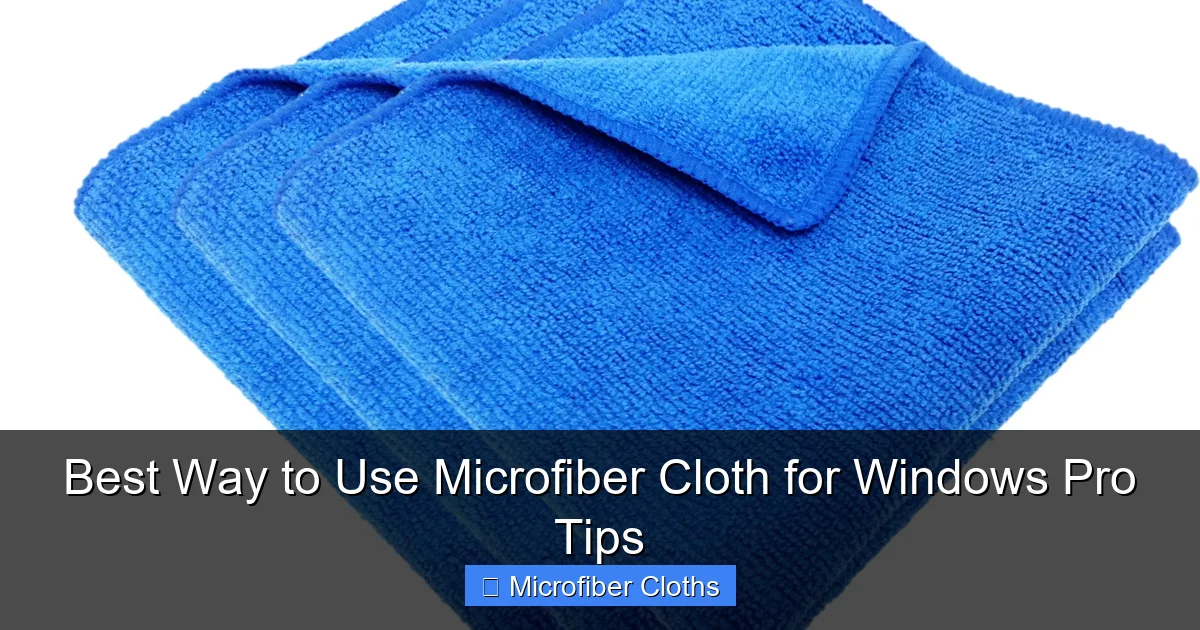
True glass-cleaning microfiber is typically 80% polyester and 20% polyamide (nylon). This blend creates the perfect balance: polyester provides durability and structure, while polyamide adds absorbency and the “grip” to lift dirt. Avoid cloths labeled “microfiber blend” with high cotton content – they shed lint and won’t perform. Check the label or product description. Premium glass microfiber often feels slightly thicker and has a subtle weave.
Weave & Weight: The Density Factor
Look for a high GSM (Grams per Square Meter) rating, usually 300-400 GSM for windows. Higher GSM means denser fibers, better dirt-trapping ability, and more durability. A good test? Hold it up to light. You should see minimal light passing through – dense is good. Avoid flimsy, thin cloths; they wear out fast and leave streaks.
Lint-Free Guarantee
This is non-negotiable. Cheap microfiber sheds fibers onto your glass, creating a hazy film. Before buying, check reviews for “lint-free” mentions. A quick test: rub the cloth firmly on your arm. If you see fibers clinging, skip it. Your windows deserve better.
Size & Shape: Practicality Wins
12″x12″ or 16″x16″ squares are ideal. Smaller cloths are hard to handle; larger ones get heavy when damp. Some prefer rectangles (12″x18″) for vertical panes. Ensure it’s large enough to fold into quarters comfortably – this is crucial for the technique we’ll cover.
Step-by-Step: The Pro Technique for Flawless Windows
Forget everything you thought you knew about window cleaning. This method guarantees streaks every time. You only need water (or a simple vinegar solution) and your quality microfiber cloth.
Visual guide about Best Way to Use Microfiber Cloth for Windows Pro Tips
Image source: ecopuresolutions.us
Step 1: Prep Your Surface (The Critical First Step)
Never start wiping a dirty window with a dry cloth! Loose dust and pollen will scratch the glass and turn into paste. First, use a soft brush (like a clean makeup brush or dedicated window brush) or a dry microfiber duster to gently remove surface debris from the frame and glass. Pay attention to corners and edges. This step alone prevents 80% of potential scratches and streaks.
Step 2: Dampen Your Cloth Correctly (Less is More!)
This is where most people fail. Soaking your microfiber cloth is a streak disaster. Fill a spray bottle with distilled water (prevents mineral spots) or a 50/50 mix of distilled water and white vinegar. Lightly mist the cloth – it should feel damp to the touch, not dripping wet. Squeeze out any excess water firmly. Your goal is a cloth that’s just moist enough to lift grime, not flood the glass. Think “damp tea towel,” not “sponge.”
Step 3: The Magic S-Pattern Wipe (Your Secret Weapon)
Here’s the best way to use microfiber cloth for windows for lifting dirt:
- Start at the top corner of the window.
- Using light to medium pressure, wipe in a smooth, continuous “S” shape across the glass. Imagine drawing a lazy S: start top-left, curve down to the right, then curve back up towards the left as you move downward.
- Overlap each S-pattern by about 1/3 of the cloth’s width. This ensures no spot is missed and dirt isn’t pushed into clean areas.
- Continue this S-pattern motion, working systematically from top to bottom and left to right. Don’t go in circles – they leave visible lines!
- When you reach the bottom, use the clean edge of your folded cloth to wipe the bottom sill where drips collect.
Why S-Patterns Work: The curved motion creates a shearing force that lifts dirt vertically off the glass, rather than smearing it horizontally like circles do. It’s efficient and covers the surface evenly.
Step 4: The Dry Buff (The Streak Eraser)
This step is essential for true clarity. Immediately after the damp wipe, grab the dry quarter of your folded microfiber cloth (or a second dry cloth). Using firm, even pressure, buff the entire window in straight, overlapping vertical lines. Start at the top and work down. The dry microfiber absorbs any remaining moisture and lifts residual microscopic particles, leaving a flawless, streak-free finish. Don’t skip this – it’s what transforms “clean” to “crystal clear.”
Step 5: Clean the Frame & Sill (The Finishing Touch)
Use the damp edge of your cloth to wipe down the window frame and sill. Then, use the dry edge to buff these areas too. Pay special attention to where the glass meets the frame – this is a common streak zone. A quick pass with your dry buffing cloth here makes a huge difference.
Pro Tips to Elevate Your Microfiber Game
Master the basics? These insider tips take your results to pro level:
Visual guide about Best Way to Use Microfiber Cloth for Windows Pro Tips
Image source: uploads-ssl.webflow.com
Fold Like a Burrito (The Quarter Fold)
Before you start, fold your cloth in half, then in half again. You now have four clean surfaces. Use one damp surface for washing, one dry surface for buffing. When the damp side gets dirty, unfold to a clean damp side. Same for the dry side. This prevents cross-contamination and gives you 4x the usable life per cloth. No more wiping dirt back onto the glass!
Work Top to Bottom, Inside to Out
Always clean the top of the window first. Gravity pulls dirt down, so starting high prevents re-soiling clean areas below. For interior windows, clean the inside first, then the outside. For exteriors, clean the outside first (it’s usually dirtier), then the inside. This sequence minimizes drips onto freshly cleaned surfaces.
Mind the Weather & Sun
Never clean windows in direct, hot sunlight! The heat causes water to evaporate too fast, leaving streaks before you can buff. Overcast days or early morning/evening are ideal. Also, avoid cleaning when it’s very windy – dust blows back onto wet glass. If you must clean in sun, work in small sections and buff immediately.
The Vinegar Solution Hack (For Tough Grime)
For baked-on bugs, tree sap, or hard water spots, use the 50/50 distilled water/vinegar solution. Vinegar cuts through mineral deposits and sticky residues without harsh chemicals. Spray lightly on the *dirty spot*, let sit for 30 seconds, then proceed with the S-pattern wipe and dry buff. Never use undiluted vinegar – it can damage some window seals over time.
Handle Edges Like a Pro
Corners and edges are streak magnets. After your main S-pattern wipe, use the very corner of your damp cloth to gently clean tight spots. Then, use the corner of your dry buffing cloth to polish them. A dedicated soft-bristled brush (like an old toothbrush) dipped in your solution can help loosen grime in crevices before wiping.
Common Mistakes & Troubleshooting (Fix Streaks Fast!)
Even pros slip up. Here’s how to diagnose and fix common issues:
Mistake 1: Using a Dirty or Worn-Out Cloth
Symptom: Streaks, smudges, or lint left behind, even after buffing.
Fix: This is the #1 culprit! Rinse your cloth thoroughly immediately after use. Wash microfiber separately in cold water (no fabric softener or bleach!) with a small amount of detergent. Air dry flat. If cloths feel rough, thin, or aren’t absorbing well, replace them. Worn cloths simply can’t perform.
Mistake 2: Too Much Moisture
Symptom: Large streaks, water spots, or the need for excessive buffing.
Fix: Wring your damp cloth out *much* more firmly. It should barely feel damp. Use less solution in your spray bottle. Remember: microfiber works best with minimal moisture. If streaks persist, buff harder and faster with your dry cloth.
Mistake 3: Skipping the Dry Buff
Symptom: Haze or faint streaks that only appear as the window dries.
Fix: Never skip the dry buff step! It’s non-negotiable for true clarity. Use firm, consistent pressure with your dry microfiber. If haze remains, your damp cloth was likely too wet, or your dry cloth isn’t clean.
Mistake 4: Using Circular Motions
Symptom: Visible swirl marks or lines on the glass.
Fix: Practice the S-pattern! It feels unnatural at first but is vastly superior. Focus on smooth, overlapping curves. Watch a quick video demo if needed – muscle memory kicks in fast.
Mistake 5: Cleaning in Direct Sun
Symptom: Streaks appear almost instantly as you wipe.
Fix: Move to a shaded side of the house or wait for a cloudy day. If stuck in sun, work in very small sections (e.g., one pane at a time) and buff IMMEDIATELY after the damp wipe.
Caring for Your Microfiber: Longevity = Better Results
Your microfiber cloths are an investment. Treat them right, and they’ll last for hundreds of washes:
- Wash Smart: Always wash microfiber separately from cotton, towels, or clothing (lint transfer!). Use cold water and a small amount of mild detergent. NEVER use fabric softener – it coats fibers and destroys absorbency. Skip the dryer; air dry flat or hang. Heat damages the fibers.
- Rinse Immediately: After cleaning windows, rinse the cloth thoroughly under running water to remove loosened dirt and grime. Don’t let it sit dirty.
- Store Clean & Dry: Keep washed, dried cloths in a clean, dry container or drawer. Avoid damp basements or garages where mold can grow.
- Know When to Retire: Replace cloths when they show signs of wear: pilling, thinning spots, reduced absorbency, or persistent streaks despite proper washing. A good quality glass microfiber cloth should last 6-12 months with regular use.
Conclusion: Crystal Clear Windows, Effortlessly
Mastering the best way to use microfiber cloth for windows isn’t about fancy tools or expensive chemicals – it’s about understanding the simple science of the cloth and applying the right technique. By choosing quality microfiber, dampening it correctly, using the S-pattern wipe, and never skipping the dry buff, you’ll achieve professional, streak-free results every single time. Ditch the frustration of paper towels and vinegar fumes. Embrace the efficiency, eco-friendliness, and superior clarity that microfiber delivers. Your windows will thank you with breathtaking views, and you’ll save time and money for years to come. Grab your cloth, follow these steps, and experience the difference today – crystal clear is just a wipe away!
🎥 Related Video: How to Use a Microfiber Towel Like a Pro!
📺 Cleaning How To
Do you always feel like your house is a mess? You don’t have to anymore! In this video, we’re going to show you how to use a …