

Discover the foolproof method to clean glass with microfiber cloths for instant streak-free shine. This guide reveals pro tips for preparation, technique, and cloth care, eliminating frustration and chemical cleaners. Transform your windows and mirrors today! (98 words)
Key Takeaways
- Microfiber is magic: Its ultra-fine fibers lift dirt and absorb moisture far better than paper towels or cotton, leaving zero streaks.
- Prep is non-negotiable: Always dust first and use a dedicated damp cloth for initial wipe-down; skipping this causes smears.
- Technique matters most: Use the “S” pattern with light pressure on the damp cloth, then a dry cloth in straight lines for perfect drying.
- Cloth care = longevity: Wash microfiber separately in cold water, no fabric softener, and air dry to maintain its cleaning power.
- Avoid common pitfalls: Never use paper towels, clean in direct sun, or reuse a dirty cloth – these guarantee streaks.
- Eco-friendly & cost-effective: Ditch chemical sprays; water (or vinegar solution) plus microfiber saves money and the planet.
How to Clean Glass with Microfiber Cloth Like a Pro: Your Ultimate Guide
Staring at streaky, smudged windows or mirrors? You’re not alone. So many of us grab the nearest paper towel and a chemical spray, only to end up with more streaks and frustration. What if we told you there’s a simpler, faster, and far more effective way? The secret weapon isn’t some expensive gadget – it’s a humble microfiber cloth. Learning how to clean glass with microfiber cloth properly transforms a chore into a quick, satisfying task. Forget harsh chemicals and elbow grease. This guide reveals the pro techniques used by professional cleaners to achieve crystal-clear, streak-free glass every single time. You’ll save money, time, and the environment, all while enjoying sparkling results. Let’s dive in!
Why Microfiber Cloths Are the ONLY Choice for Perfect Glass
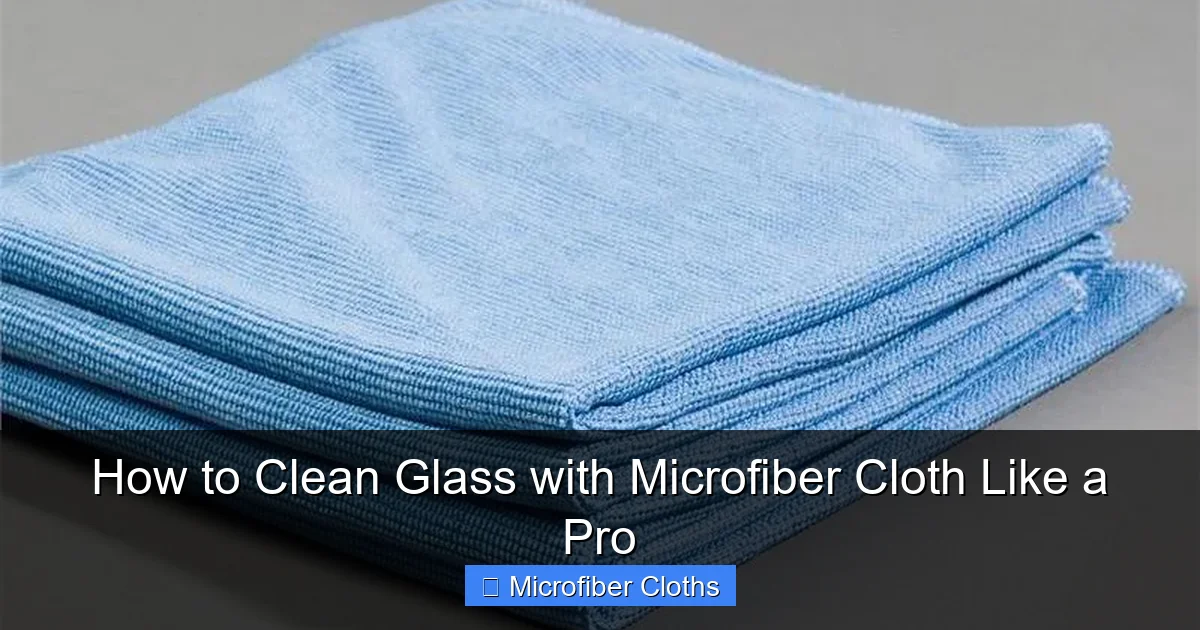
Before we get to the “how,” let’s understand the “why.” Microfiber isn’t just another cloth; it’s engineered cleaning science. Made from incredibly fine synthetic fibers (often polyester and polyamide), microfiber works differently:
Visual guide about How to Clean Glass with Microfiber Cloth Like a Pro
Image source: uswiping.com
- Superior Absorption: It can hold up to 7 times its weight in water, soaking up moisture and dissolved grime without leaving puddles.
- Electrostatic Attraction: The tiny fibers create a slight static charge that literally pulls dust, dirt, and oils off the glass surface.
- No Lint, No Scratches: Unlike cotton rags or paper towels, microfiber leaves zero lint behind and is gentle enough for even delicate glass surfaces.
- Chemical Reduction: Often, plain water is all you need! For tougher jobs, a simple vinegar-water solution works wonders, minimizing harsh fumes and residue.
Compare this to paper towels (which leave lint and often smear dirt) or cotton rags (which push dirt around and leave fibers). Microfiber is simply in a league of its own for achieving that pro-level, streak-free shine. It’s the foundation of how to clean glass with microfiber cloth effectively.
Step 1: Gather Your Pro-Grade Supplies (It’s Simpler Than You Think!)
You don’t need a fancy arsenal. Professional results start with the right, minimal tools:
Visual guide about How to Clean Glass with Microfiber Cloth Like a Pro
Image source: maximmart.com
Essential Items
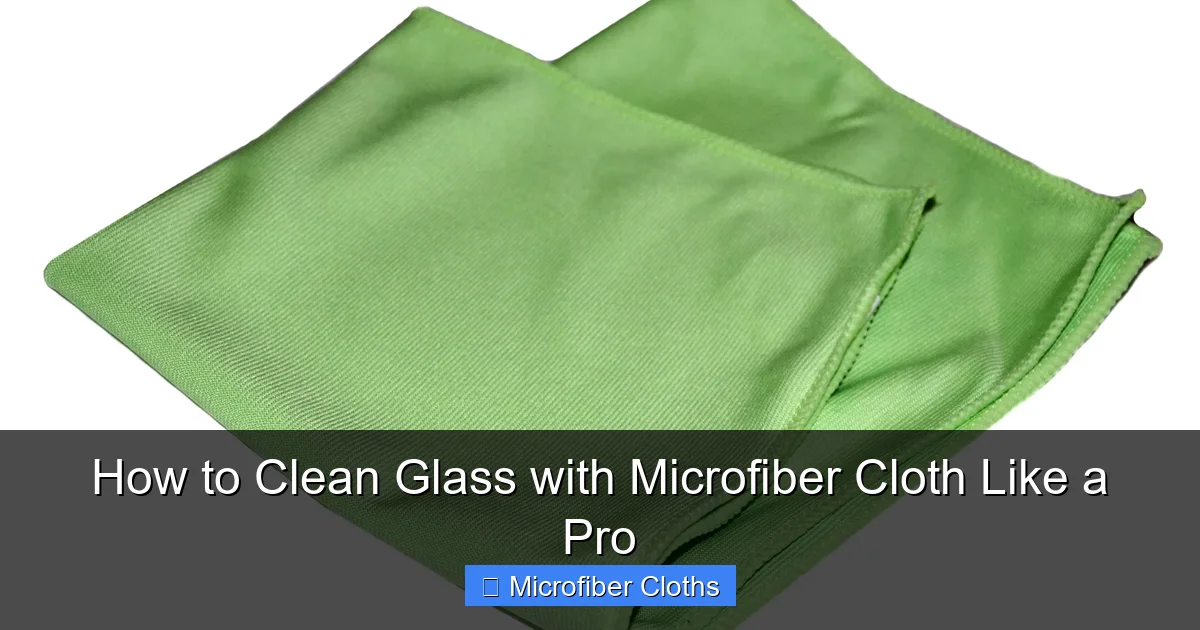
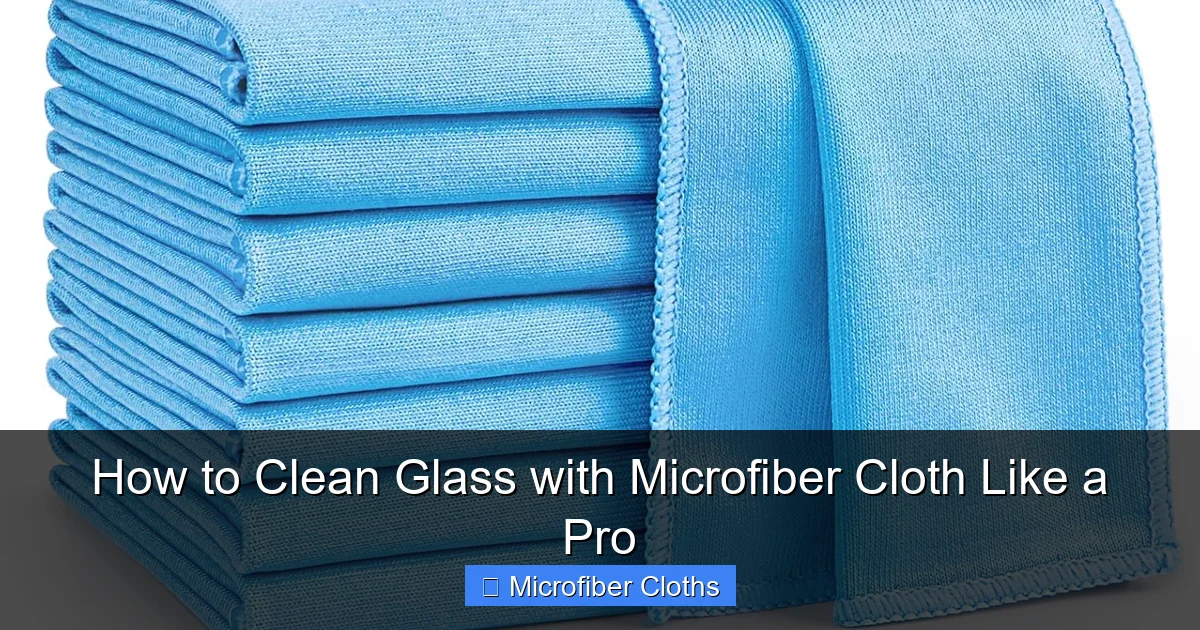
- High-Quality Microfiber Cloths (2-3 per session): This is crucial! Look for cloths labeled “glass” or “lint-free.” They should feel plush, not thin or scratchy. Pro Tip: Have dedicated cloths: one for damp cleaning, one for drying, and maybe a spare. Color-coding them (e.g., blue for damp, white for dry) prevents mix-ups. Cheap microfiber loses effectiveness fast – invest in good ones.
- Clean Water: Tap water is usually fine. For very hard water areas or stubborn mineral deposits, use distilled water to prevent water spots.
- Optional: White Vinegar: A 50/50 mix of white vinegar and water is a fantastic, eco-friendly solution for cutting through grease, hard water spots, or sticky residues. Never use undiluted vinegar on tinted windows!
- A Small Spray Bottle: For applying your water or vinegar solution lightly. Avoid soaking the glass.
- A Soft-Bristled Brush or Dry Microfiber (for prep): To remove loose dust and cobwebs before you start wiping with liquid.
What NOT to Use
- Paper Towels or Newspaper: They leave lint, scratch glass, and smear dirt.
- Cotton Rags or Old T-Shirts: They push dirt around and leave fibers.
- Harsh Chemical Cleaners (like ammonia-based Windex): They can damage tints, leave residues attracting dirt, and create fumes. Microfiber + water/vinegar is usually sufficient.
- Your Bare Hands: Oils from skin cause streaks. Always use a cloth!
Having the right supplies ready is the first step to mastering how to clean glass with microfiber cloth like a pro. No more mid-cleaning scrambles!
Step 2: Prep Like a Pro – The Secret to Zero Streaks
This step is where most people fail, and it’s the absolute key to streak-free results. Skipping prep guarantees smears. Here’s how the pros do it:
Visual guide about How to Clean Glass with Microfiber Cloth Like a Pro
Image source: m.media-amazon.com
Dust First, Always!
Grab your soft-bristled brush or a *dry*, clean microfiber cloth. Gently brush or wipe the entire glass surface to remove loose dust, cobwebs, and pet hair. Pay special attention to the top edges and corners where dirt accumulates. Why? If you apply liquid to dusty glass, you’re just turning that dust into muddy streaks that are much harder to remove. This dry pass takes 30 seconds but makes all the difference.
Choose Your Cleaning Solution Wisely
- For Regular Cleaning (Fingerprints, Light Smudges): Plain water is often perfect. Fill your spray bottle with clean water.
- For Tougher Jobs (Grease, Hard Water Spots, Sticky Residue): Mix 1 part white vinegar with 1 part water in your spray bottle. Shake gently. Pro Tip: For very stubborn mineral deposits on shower doors, use straight vinegar on the cloth (not sprayed directly on glass) for a few minutes before wiping with the damp microfiber.
Lightly Mist, Don’t Soak
Hold your spray bottle 6-8 inches from the glass. Give it a very light mist – just enough to slightly dampen the surface. Think “dew,” not “puddle.” Over-wetting is a major cause of streaks and makes drying take forever. If you’re using vinegar solution, spray even more sparingly.
Proper preparation ensures the microfiber cloth can do its job effectively, lifting dirt without creating new problems. This is non-negotiable for how to clean glass with microfiber cloth successfully.
Step 3: The Pro Wiping Technique – Damp Cloth First
Now for the main event. Grab your dedicated damp microfiber cloth (lightly wrung out if you sprayed solution directly on it, or pre-moistened in your solution).
The “S” Pattern Method
- Start at the Top: Begin wiping at the very top corner of the glass.
- Use Light Pressure: Let the microfiber do the work. Pressing hard can smear dirt or even scratch some coatings. Apply just enough pressure to make contact.
- Wipe in a Continuous “S” Pattern: Move the cloth smoothly in a horizontal “S” shape across the glass. Overlap each pass slightly. This pattern ensures you cover the entire surface systematically without missing spots and prevents the cloth from just pushing dirt in straight lines. Visualize: Top left to top right (slight curve down), then top right to middle left (curve down), then middle left to bottom right (curve down), etc.
- Work Top to Bottom: Always move downward as you wipe. Gravity helps pull loosened dirt down and away from areas you haven’t cleaned yet.
- Flip the Cloth Frequently: As the cloth picks up dirt, flip it to a clean section. A dirty side will just redeposit grime. Most cloths have multiple clean surfaces – use them!
Focus on Problem Areas
If you see a particularly stubborn spot (like a dried-on bug or sticky fingerprint), don’t scrub aggressively. Instead:
- Lightly mist the spot again with your solution.
- Let it sit for 10-15 seconds to loosen the grime.
- Gently wipe the spot using the “S” pattern with your damp cloth.
- If needed, repeat the light mist and gentle wipe. Patience prevents scratches!
This damp-wipe phase is all about lifting the dirt. The microfiber’s fibers grab and hold the particles. Done correctly, the glass will look significantly cleaner, but will still be damp. This is where the magic of how to clean glass with microfiber cloth really shines – the dirt is captured, not spread.
Step 4: The Drying Pass – Achieving That Crystal-Clear Shine
This is the step that transforms “clean” glass into “pro-level, streak-free” glass. Grab your dedicated dry, clean microfiber cloth. This cloth must be completely dry and lint-free.
Straight Lines, Top to Bottom
- Start at the Top Again: Begin drying at the very top edge.
- Use Firm, Even Pressure: Unlike the damp wipe, apply slightly more consistent pressure with the dry cloth. This helps absorb all remaining moisture.
- Wipe in Straight Vertical Lines: Move the cloth smoothly in straight lines from top to bottom. Overlap each pass slightly. Why vertical? It’s easier to see and avoid streaks compared to horizontal lines, and it follows the natural flow of gravity for water removal. Avoid circular motions – they can leave subtle swirl marks.
- Work Left to Right: As you finish one vertical strip, move systematically to the next strip to the right.
- Flip Frequently: Just like with the damp cloth, flip the dry cloth to a clean section often. A damp or dirty side on the dry cloth will leave streaks.
- Check for Streaks as You Go: Look at the glass from different angles under good light. If you see a streak, immediately go back over that spot with the dry cloth using firm, straight strokes.
The Final Polish (Optional but Pro)
For absolute perfection, especially on large windows or mirrors:
- Take a third clean, dry microfiber cloth (or a corner of your dry cloth you haven’t used much).
- Give the entire surface one final very light pass using straight vertical lines. This removes any potential microfiber lint or residual moisture you might have missed.
The drying pass is where the streak-free magic happens. The dry microfiber’s high absorbency pulls every last bit of moisture and any loosened microscopic particles off the surface, leaving glass so clear you might forget it’s there. This is the culmination of how to clean glass with microfiber cloth perfectly.
Step 5: Microfiber Cloth Care – Keep Them Performing Like New
Your microfiber cloths are an investment. Treat them right, and they’ll deliver pro results for hundreds of cleanings. Neglect them, and they’ll become ineffective fast.
Washing Like a Pro
- Wash Separately: Never wash microfiber with cotton, towels, or clothing. Lint from other fabrics will clog the microfiber’s tiny pores.
- Use Cold Water: Hot water can melt or damage the synthetic fibers, reducing effectiveness.
- Skip the Fabric Softener & Dryer Sheets: These coat the fibers, destroying their absorbency and electrostatic charge. They are the #1 killer of microfiber!
- Mild Detergent Only: Use a small amount of liquid detergent. Avoid bleach and strong detergents.
- Gentle Cycle: Use the delicate or hand-wash cycle on your machine.
Drying Correctly
- Air Dry is Best: Lay cloths flat or hang them to dry. This preserves the fibers longest.
- If Using a Dryer: Use the lowest heat setting possible. High heat damages fibers. Remove while still slightly damp to prevent stiffness.
- Never Iron: Heat will ruin the fibers.
Storage Matters
Store clean, dry microfiber cloths folded neatly in a dedicated drawer or container. Keep them away from dust and moisture. Avoid storing them crumpled up, which can damage the fibers over time.
Proper care ensures your cloths maintain their unique ability to clean glass with microfiber cloth effectively, wash after wash. It’s the key to long-term success.
Troubleshooting Common Glass Cleaning Problems
Even pros hit snags. Here’s how to fix the most common issues when learning how to clean glass with microfiber cloth:
Problem: Streaks or Haze After Drying
- Cause: Most often, the dry cloth wasn’t clean/dry enough, you used too much solution, or you didn’t dry thoroughly.
- Solution: Go back over the streaked area immediately with a fresh, completely dry microfiber cloth using firm, straight vertical strokes. Ensure your damp cloth was only lightly moistened next time. Check for residue from old cleaners – sometimes a vinegar solution wipe is needed to remove it first.
Problem: Lint Left on Glass
- Cause: Using a low-quality microfiber cloth, washing it with cotton (picking up lint), or the cloth is worn out.
- Solution: Wipe the glass with a brand new, high-quality dry microfiber cloth. Invest in better cloths labeled “lint-free” for glass. Always wash microfiber separately.
Problem: Cloth Isn’t Absorbing Well / Feels Stiff
- Cause: Fabric softener residue, detergent buildup, or the cloth is old/damaged.
- Solution: Wash the cloth again in hot water (yes, hot *this time* for revival) with a small amount of white vinegar (1/2 cup) and NO detergent. This strips residues. Air dry. If it’s still stiff or ineffective, it’s time to replace it. Cloths typically last 50-100 washes.
Problem: Water Spots Appear After Cleaning
- Cause: Hard water minerals left behind as the water dried, especially if you used plain tap water in a hard water area.
- Solution: For future cleans, use distilled water or a vinegar solution. To remove existing spots, apply straight white vinegar to a damp microfiber cloth, let sit on the spot for 1-2 minutes, then wipe with your damp cloth followed by the dry cloth.
Problem: Glass Looks Clean But Has a “Film”
- Cause: Residue from previous chemical cleaners or wax-based products.
- Solution: Do an initial wipe with a vinegar solution (let sit 1-2 mins) to break down the residue, then proceed with your regular microfiber method (damp wipe, dry wipe).
Understanding these fixes turns potential frustrations into minor hiccups. It’s all part of mastering how to clean glass with microfiber cloth reliably.
Conclusion: Enjoy Sparkling Glass, Effortlessly
Cleaning glass doesn’t have to be a battle against streaks and smudges. By embracing the power of microfiber and following these pro techniques – meticulous prep, the strategic damp “S” wipe, the crucial dry straight-line pass, and proper cloth care – you’ve unlocked the secret to consistently perfect, crystal-clear results. You’ve learned how to clean glass with microfiber cloth not just adequately, but like a professional.
The benefits are undeniable: save money by ditching chemical sprays, save time with a faster, more effective method, protect your glass surfaces, and enjoy a satisfying sense of accomplishment every time you look out a spotless window. Your microfiber cloths are now your most valuable cleaning tool. Treat them well, use the right technique, and get ready to enjoy sparkling glass in every room. The pro-level shine is just a few simple steps away – go make your glass gleam!
🎥 Related Video: How to clean glass and avoid leaving streaks #cleaninghacks #glasscleaning #deepcleaning
📺 Edge Cleaning Clips