
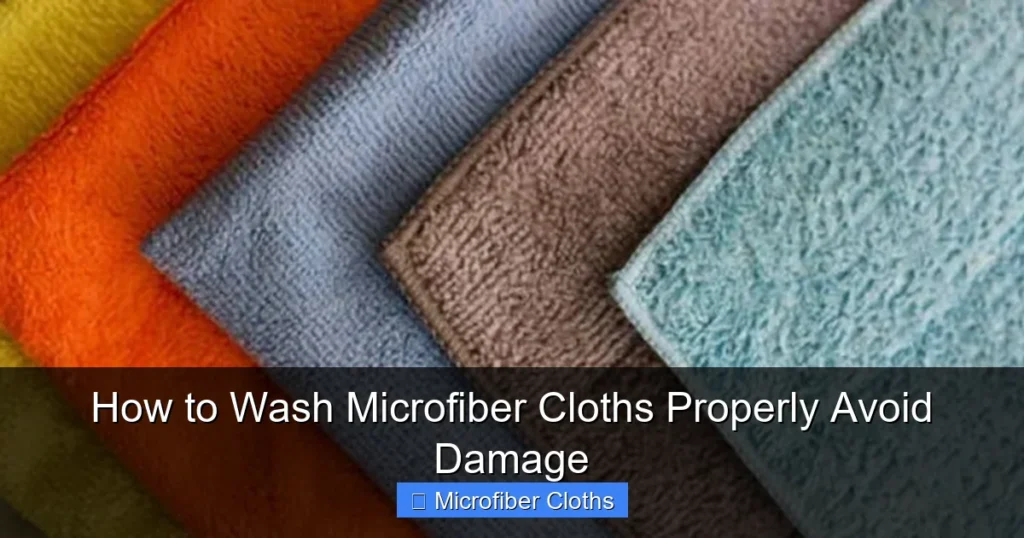
Discover the essential steps to wash microfiber cloths properly without ruining their unique fibers. This guide reveals why standard laundry habits destroy microfiber and provides a simple, effective routine to keep your cloths soft, absorbent, and effective for years. Stop damaging your valuable cleaning tools today!
Key Takeaways
- NEVER use fabric softener or dryer sheets: They coat fibers, destroying absorbency and leaving streaks.
- Wash in warm or cold water only: Hot water melts delicate fibers, causing permanent damage and reduced performance.
- Use minimal, mild detergent: Harsh chemicals and excess soap residue clog fibers, making cloths less effective.
- Avoid bleach and vinegar in the wash: Bleach weakens fibers; vinegar can degrade some microfiber blends over time.
- Dry on low heat or air dry: High heat shrinks and damages fibers; air drying is safest for longevity.
- Wash microfiber separately: Lint from other fabrics clings to microfiber, reducing its cleaning power.
- Skip the iron and fabric softener balls: Heat and chemicals further degrade the specialized fibers.
Why Proper Washing is CRITICAL for Your Microfiber Cloths
Microfiber cloths are cleaning powerhouses. Their secret? Millions of tiny, split fibers trap dirt, grease, and moisture far better than cotton. But this superpower is fragile. Washing microfiber cloths improperly is the #1 reason they become stiff, lose absorbency, leave streaks, or fall apart prematurely. Unlike regular towels, microfiber requires specific care to maintain its unique structure. Using hot water, fabric softener, or bleach seems harmless but actually melts, coats, or weakens those delicate fibers. The result? You waste money replacing cloths constantly and get subpar cleaning. This guide shows you exactly how to wash microfiber cloths properly to keep them performing like new for hundreds of washes. Let’s protect your investment!
Pre-Wash Preparation: Setting Up for Success
Don’t just toss them in the hamper! Proper prep prevents damage before the wash even starts.

Visual guide about How to Wash Microfiber Cloths Properly Avoid Damage
Image source: 4senseshousecleaning.com
1. Shake Out Loose Debris
Before washing, vigorously shake each cloth outdoors. This removes loose dust, hair, and larger particles. Skipping this step forces your washing machine to work harder and can grind dirt deeper into the fibers during the cycle. Think of it as the first step in how to wash microfiber cloths properly – starting clean makes the wash more effective.
2. Pre-Treat Stubborn Stains (Optional but Recommended)
For oily residues or set-in grime, pre-treat *before* washing. Apply a tiny drop of mild dish soap (like Dawn) directly to the stain. Gently rub the fabric together with your fingers – never use a brush, which can snag fibers. Let it sit for 5-10 minutes. This targeted approach prevents needing harsh chemicals later. Avoid pre-treating with vinegar or bleach; they can damage fibers over time.
3. Sort Your Load Correctly
This is non-negotiable: Wash microfiber cloths ONLY with other microfiber items. Never mix them with cotton towels, t-shirts, or jeans. Why? Cotton lint and fibers cling tenaciously to microfiber’s tiny hooks, clogging it and ruining its cleaning ability. If you must wash with similar synthetics (like certain athletic wear), ensure they are also lint-free. A dedicated microfiber load is the safest bet for proper care.
The Washing Process: Gentle is Mandatory
Now for the main event. Your washing machine settings and detergent choices make or break your cloths.
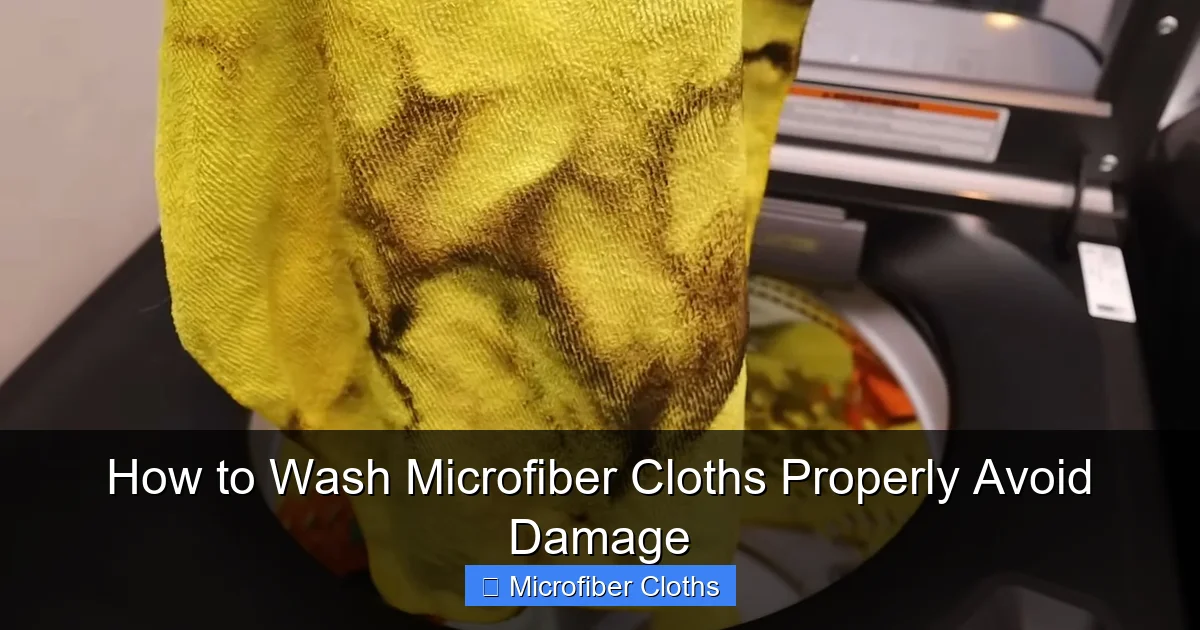
Visual guide about How to Wash Microfiber Cloths Properly Avoid Damage
Image source: ecofusionfarm.com
1. Choose the Right Water Temperature
ALWAYS use COLD or WARM water. NEVER use HOT water. Microfiber fibers are incredibly fine, often made from polyester and polyamide. Hot water (above 104°F/40°C) can melt or fuse these delicate strands together. This destroys the split-fiber structure, turning your super-absorbent cloth into a stiff, ineffective rag. Cold water is safest for longevity and energy savings. Warm water (max 86°F/30°C) is acceptable for heavily soiled loads but cold is preferred.
2. Select the Correct Wash Cycle
Opt for the Gentle, Delicate, or Hand Wash cycle on your machine. These cycles use slower agitation and spin speeds, minimizing stress on the fibers. Avoid Heavy Duty, Permanent Press, or Bulky cycles – the intense spinning can damage cloths. A shorter cycle time (30-45 minutes) is usually sufficient; long cycles just add unnecessary wear.
3. Use the RIGHT Detergent (and the RIGHT Amount)
This is where most people go wrong. Use a small amount of a mild, liquid detergent. Powder detergents often don’t dissolve fully and can leave residue. Avoid detergents with:
- Bleach (chlorine or oxygen): Weakens fibers and can cause yellowing.
- Fabric Softener (in the dispenser or added directly): Coats fibers, destroying absorbency and causing streaks. This is critical for how to wash microfiber cloths properly.
- Heavy Fragrances or Dyes: Can leave residues and irritate sensitive skin.
- Enzymes (common in “stain remover” detergents): Can degrade some microfiber blends over time.
Use HALF the amount recommended for a regular load. Microfiber doesn’t need much soap to clean effectively, and excess detergent is hard to rinse out, leading to stiff, less absorbent cloths. A teaspoon per load is often plenty. If your water is hard, consider a detergent specifically formulated for it to prevent mineral buildup.
4. Skip the Fabric Softener (Seriously!)
We cannot stress this enough: NEVER use fabric softener liquid, dryer sheets, or wool dryer balls with microfiber. Fabric softener’s entire purpose is to coat fibers to reduce static and make fabrics feel soft. For microfiber, this coating is catastrophic. It seals the tiny split fibers, preventing them from trapping dirt and moisture. Your cloths will feel “soft” initially but will become useless for cleaning, leaving horrible streaks on glass and surfaces. This is the single biggest mistake people make when learning how to wash microfiber cloths properly.
5. Avoid Vinegar in the Wash Cycle
While vinegar is a popular natural cleaner, adding it directly to the wash cycle with microfiber is risky. Acetic acid can potentially degrade certain polyamide (nylon) components in some microfiber blends over repeated washes, leading to fiber breakdown. If you need to deodorize, add 1/4 cup of white vinegar to the *rinse cycle* only (if your machine has that option), or better yet, use the air dry method described later. Never use vinegar with bleach!
Drying: Low Heat or No Heat is Best
How you dry is just as important as how you wash. Heat is the enemy.
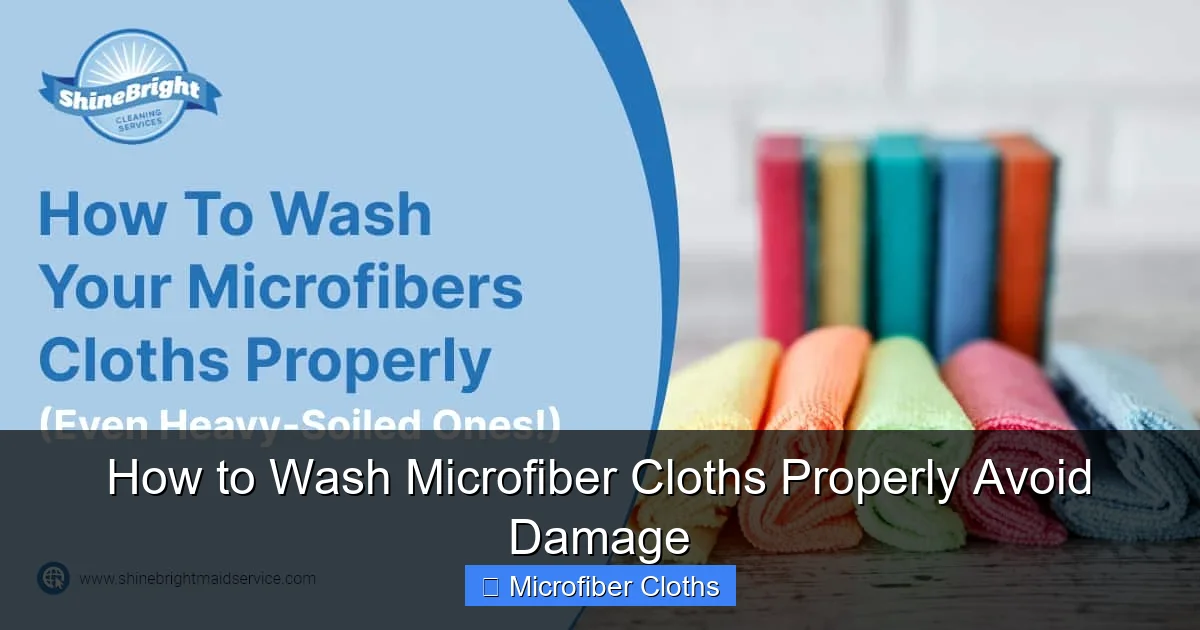
Visual guide about How to Wash Microfiber Cloths Properly Avoid Damage
Image source: shinebrightmaidservice.com
1. The Safest Method: Air Drying
Air drying is the absolute best way to preserve your microfiber cloths. Lay them flat on a clean drying rack or hang them over a shower rod. Ensure good air circulation. Avoid direct, intense sunlight for prolonged periods, as UV rays can eventually weaken fibers. Air drying takes longer (overnight or 24 hours) but guarantees no heat damage, shrinkage, or fiber melting. This is the gold standard for how to wash microfiber cloths properly and maximizing lifespan.
2. If Using a Dryer: LOW HEAT ONLY
If you must use a dryer, set it to the LOWEST possible heat setting (Air Fluff/No Heat is ideal, but Low is acceptable). NEVER use Medium, High, or Permanent Press heat. High heat melts fibers, causes shrinkage, and can fuse the split tips, ruining absorbency. Remove cloths while they are *slightly* damp – this prevents over-drying and stiffness. Do not overdry. Skip dryer sheets entirely (see above).
3. What NOT to Do When Drying
- DO NOT use high heat. This is non-negotiable.
- DO NOT leave them in the dryer for extended periods after the cycle ends. Residual heat continues to damage fibers.
- DO NOT iron microfiber cloths. The heat will melt the fibers instantly.
- DO NOT wring them out by hand. This can stretch and damage the fabric structure. Instead, gently press water out between clean towels.
Troubleshooting Common Microfiber Washing Problems
Even with care, issues can arise. Here’s how to fix them:
Cloths Feel Stiff or Rough After Washing
Cause: Most likely detergent residue or mineral buildup (hard water). Solution: Rewash the cloths with NO detergent, just hot water (if safe for the specific cloth – check label, otherwise warm). Add 1/2 cup of white vinegar to the *rinse cycle* to help break down residues. Air dry completely. For persistent stiffness, a dedicated microfiber cleaner solution can help.
Cloths Smell Musty or Mildewy
Cause: Damp cloths stored before fully dry, or detergent residue trapping odors. Solution: Rewash with a small amount of baking soda added to the drum (not with detergent) on a cold cycle. Ensure cloths are COMPLETELY dry before storing. Always air dry if possible. Avoid leaving wet cloths balled up in the hamper.
Cloths Leave Streaks or Lint on Surfaces
Cause: Fabric softener residue, detergent buildup, or cotton lint contamination from washing with other fabrics. Solution: Rewash cloths alone with minimal detergent and NO softener. Ensure the wash cycle rinses thoroughly. Check if your washing machine itself is clean (run an empty hot cycle with vinegar or machine cleaner). Always wash microfiber separately.
Cloths Have Lost Absorbency
Cause: Fabric softener coating, excessive detergent, or high heat drying melting fibers. Solution: Rewash with NO detergent and NO softener on a cold cycle. Air dry. If absorbency doesn’t return, the fibers may be permanently damaged – it’s time to replace them. Prevention is key for how to wash microfiber cloths properly.
Cloths Are Shrinking or Melting
Cause: Exposure to high heat (hot water wash, high heat dryer, iron). Solution: Unfortunately, this damage is usually permanent. The fibers have fused. Discard the cloth. This is why adhering to cold/warm water and low/no heat drying is critical.
Storing Your Clean Microfiber Cloths
Proper storage maintains cleanliness and readiness:
- Ensure cloths are 100% dry before storing to prevent mildew.
- Fold neatly or roll them up.
- Store in a clean, dry container or drawer. Avoid plastic bags that trap moisture; use breathable cotton bags or open bins.
- Keep different types separate (e.g., glass cloths, car detailing cloths, general cleaning cloths) to avoid cross-contamination.
- Label containers if storing multiple types.
Good storage is the final step in the how to wash microfiber cloths properly routine, ensuring they’re ready for their next effective use.
Conclusion: Enjoy Long-Lasting, High-Performance Microfiber
Washing microfiber cloths isn’t complicated, but it requires breaking old laundry habits. By avoiding fabric softener, using cold water, minimal mild detergent, and low/no heat drying, you protect the delicate split fibers that give microfiber its amazing cleaning power. Remember: how to wash microfiber cloths properly means treating them gently from start to finish – shaking out debris, washing separately, and air drying whenever possible. Following these steps transforms your cloths from short-lived disposables into long-term cleaning allies. You’ll save money, reduce waste, and enjoy streak-free, absorbent performance wash after wash. Treat your microfiber right, and it will keep your home, car, and gadgets sparkling clean for years to come. Start implementing these tips today!