
Floor cleaning robots can automate your daily vacuuming and mopping, saving you time and effort. However, their effectiveness varies based on your home’s layout, floor types, and model features. This guide provides a balanced, step-by-step review to help you decide if investing in one is right for you.
Are you tired of spending hours pushing a vacuum around? You might be wondering if a floor cleaning robot could be your new best friend. In this honest review, we’ll dive deep into how these gadgets work, their real-world performance, and how you can get the most out of them. By the end, you’ll know if a floor cleaning robot is a smart buy for your home.
Key Takeaways
- They excel on hard floors: Floor cleaning robots perform best on smooth surfaces like hardwood, tile, and laminate, but may struggle with high-pile carpets.
- Setup is crucial: Proper initial setup, including mapping and boundary settings, significantly improves cleaning efficiency and robot navigation.
- Maintenance is required: Regular tasks like emptying the dustbin, cleaning brushes, and replacing filters are essential for sustained performance.
- Advanced features enhance usability: Models with smart mapping, app control, and mopping functions offer more tailored and efficient cleaning experiences.
- They complement, not replace, deep cleaning: While great for daily upkeep, floor cleaning robots cannot handle heavy dirt or replace manual vacuuming entirely.
- Consider your home layout: Cluttered spaces, thresholds, and dark floors can pose challenges, so assess your environment before buying.
- Battery and capacity matter: Look for adequate battery life and dustbin size to ensure the robot can clean your space without frequent interruptions.
What Are Floor Cleaning Robots and How Do They Work?
Floor cleaning robots are autonomous devices designed to vacuum, sweep, or mop your floors with minimal human input. They use sensors, brushes, and sometimes water tanks to clean. Let’s break down how they operate.
Core Components and Technology
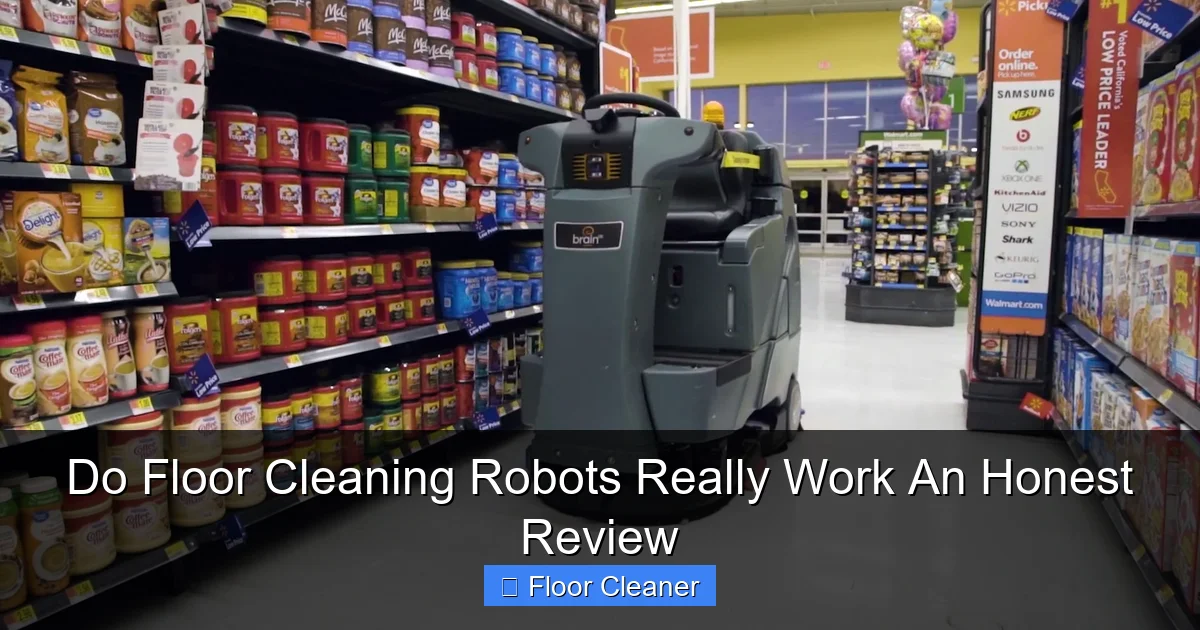
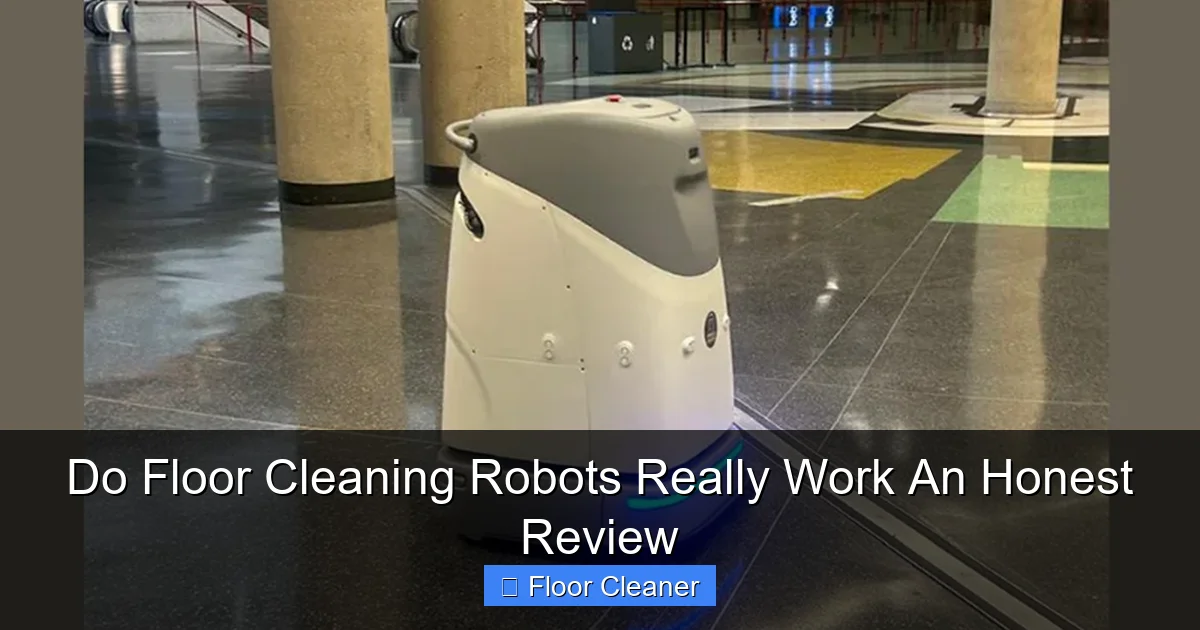
Most floor cleaning robots have a round or D-shaped body with wheels for movement. They include side brushes to kick debris toward the center, a main roller brush for suction, and a dustbin to collect dirt. Advanced models add mopping pads and water reservoirs. Sensors help them navigate, avoiding obstacles and drops.
Navigation and Mapping Explained
Early robots moved randomly, but modern floor cleaning robots use systematic navigation. They employ lasers, cameras, or gyroscopes to create maps of your home. This allows for efficient, room-by-room cleaning. You can even set no-go zones via an app.
The Cleaning Process in Action
When you start a floor cleaning robot, it first maps the area if needed. Then, it moves in patterns, sucking up dust and pet hair. If it has a mop function, it dampens the pad to wipe floors. After cleaning, it returns to its dock to recharge.
The Pros and Cons: An Honest Assessment
Before buying, it’s key to weigh the advantages and limitations of floor cleaning robots. Here’s a balanced look.

Visual guide about Do Floor Cleaning Robots Really Work An Honest Review
Image source: forexrobotsreviews.com
Pros of Using a Floor Cleaning Robot
Time-saving: These robots work autonomously, freeing you up for other tasks. You can schedule cleanings while you’re at work.
Consistent maintenance: Regular runs keep floors cleaner between deep cleans, reducing allergen buildup.
Access to tight spaces: Their small size lets them clean under beds and sofas, areas often missed manually.
Smart features: Many connect to apps for remote control, customization, and maintenance alerts.
Cons of Using a Floor Cleaning Robot
Struggles with certain surfaces: High-pile carpets, dark floors, and shiny surfaces can confuse sensors or limit effectiveness.
Limited capacity: Small dustbins require frequent emptying, especially in pet-friendly homes.
Not for deep cleans: Heavy dirt, sticky spills, or large debris may need manual intervention.
Initial cost: Good floor cleaning robots can be expensive, though prices are dropping.
How to Choose the Right Floor Cleaning Robot for Your Home
Picking the perfect model ensures satisfaction. Follow these steps to make an informed choice.
Visual guide about Do Floor Cleaning Robots Really Work An Honest Review
Image source: roboticsbusinessreview.com
Step 1: Assess Your Floor Types
List your floor surfaces. If you have mostly hard floors, any robot will work. For carpets, choose one with strong suction and adjustable height. Some floor cleaning robots offer both vacuum and mop functions, ideal for mixed flooring.
Step 2: Consider Your Home’s Layout
Measure your space. Large homes need robots with long battery life and mapping. Cluttered rooms? Look for robust obstacle detection. For multi-level homes, consider portable models you can move between floors.
Step 3: Set Your Budget
Floor cleaning robots range from budget to premium. Budget models may lack mapping, while premium ones have smart features. Decide what you need versus what’s nice to have.
Step 4: Compare Key Features
Check for app control, scheduling, voice assistant compatibility, and filter types. Read reviews to see how floor cleaning robots perform in real homes.
Step-by-Step Guide to Setting Up Your Robot
Once you’ve bought a floor cleaning robot, proper setup is crucial. Here’s how to do it.
Visual guide about Do Floor Cleaning Robots Really Work An Honest Review
Image source: brandsreviewmagazine.com
Step 1: Unbox and Charge
Remove all packaging and place the docking station against a wall in an open area. Plug it in and let the robot charge fully before first use. This ensures enough power for initial mapping.
Step 2: Prepare Your Home
Clear the floor of cords, small objects, and loose rugs. This prevents tangles and helps the robot map accurately. Close doors to areas you don’t want cleaned initially.
Step 3: Install the App and Connect
Download the manufacturer’s app on your smartphone. Follow in-app instructions to connect the floor cleaning robot to your Wi-Fi. This enables remote control and updates.
Step 4: Run an Initial Mapping Cycle
Start a cleaning cycle to let the robot explore and map your home. Stay home to monitor it. Afterward, use the app to label rooms and set no-go zones if needed.
Operating Your Floor Cleaning Robot: Tips and Best Practices
To maximize efficiency, use these practical tips when running your floor cleaning robot.
Schedule Regular Cleanings
Set a daily or weekly schedule based on your foot traffic. For example, run it in living areas daily and bedrooms twice a week. Consistency keeps floors pristine.
Use Zone Cleaning for Targeted Areas
Spot clean high-traffic zones like kitchens without doing the whole house. Most apps let you draw virtual boundaries for this.
Optimize for Different Floor Types
On hard floors, use mopping functions if available. For carpets, increase suction power. Adjust settings in the app for best results.
Supervise Initially
For the first few runs, watch how your floor cleaning robot navigates. Make adjustments to furniture or settings if it gets stuck often.
Maintenance and Care for Longevity
Regular maintenance keeps your floor cleaning robot running smoothly. Here’s a simple routine.
Daily and Weekly Tasks
Empty the dustbin after each cleaning session. Check and clean brushes weekly to remove hair and debris. Wipe sensors with a soft cloth to prevent navigation issues.
Monthly Deep Cleaning
Remove and wash the filter under tap water, letting it dry completely. Inspect wheels for obstructions. For mopping robots, clean the water tank and mop pads to avoid mildew.
Replacing Parts
Over time, replace brushes, filters, and batteries as recommended by the manufacturer. This ensures your floor cleaning robot performs like new.
Troubleshooting Common Issues
Even the best floor cleaning robots can have problems. Here’s how to fix frequent issues.
Robot Getting Stuck Frequently
Check for low furniture or cords in its path. Use boundary strips to block tricky areas. Ensure sensors are clean and not obstructed.
Poor Cleaning Performance
If suction seems weak, empty the dustbin and clean the filter. Check brushes for tangles. For missed spots, remap the area or adjust cleaning settings.
Connectivity Problems
Restart your router and the robot. Reconnect via the app. Ensure the robot is within Wi-Fi range of the dock.
Battery Not Holding Charge
Avoid leaving the robot on the dock constantly; occasional full discharge can help. If problems persist, the battery may need replacement.
Conclusion: Do Floor Cleaning Robots Really Work?
After exploring all aspects, the answer is yes—floor cleaning robots do work, but with caveats. They are excellent tools for maintaining clean floors with minimal effort. They save time, reduce allergens, and handle daily dirt well. However, they aren’t perfect. They may miss corners, struggle with heavy messes, and require upkeep. For best results, choose a model suited to your home, set it up correctly, and maintain it regularly. If you want a helper for routine cleaning, a floor cleaning robot is a worthwhile investment. But if you expect a flawless, hands-free solution, you might be disappointed. We hope this honest review helps you make an informed decision!
🎥 Related Video: Robot Vacuum vs. Gross Surprise!
📺 eufy Tutorials
Can the robot handle the challenge? Watch as the robot vacuum encounters a fake messy obstacle and tests its smart navigation …