In this guide, you’ll learn whether a desk lamp can effectively serve as a grow light for your plants. We’ll cover the types of bulbs, light intensity, and practical tips to maximize growth. Transform your indoor gardening experience with simple adjustments!
Key Takeaways
- Point 1: Desk lamps can be used as grow lights, but not all types are equally effective.
- Point 2: The type of bulb in your desk lamp significantly impacts plant growth.
- Point 3: Light intensity and duration are key factors for successful plant growth.
- Point 4: Position your lamp correctly to avoid light burn or insufficient light exposure.
- Point 5: Reflective materials can enhance the effectiveness of your desk lamp.
- Point 6: Monitor your plants for signs of distress or poor growth to troubleshoot effectively.
- Point 7: Consider the specific needs of your plants when using a desk lamp as a grow light.
Can a Desk Lamp Work as a Grow Light for Your Plants?
Have you ever wondered if your desk lamp could double as a grow light for your indoor plants? With the right approach, it absolutely can! In this comprehensive guide, we’ll dive into how desk lamps can support plant growth, the types of bulbs you can use, and practical tips to ensure your plants thrive. By the end of this article, you’ll have all the information you need to make the most of your desk lamp as a grow light.
Understanding Plant Light Requirements
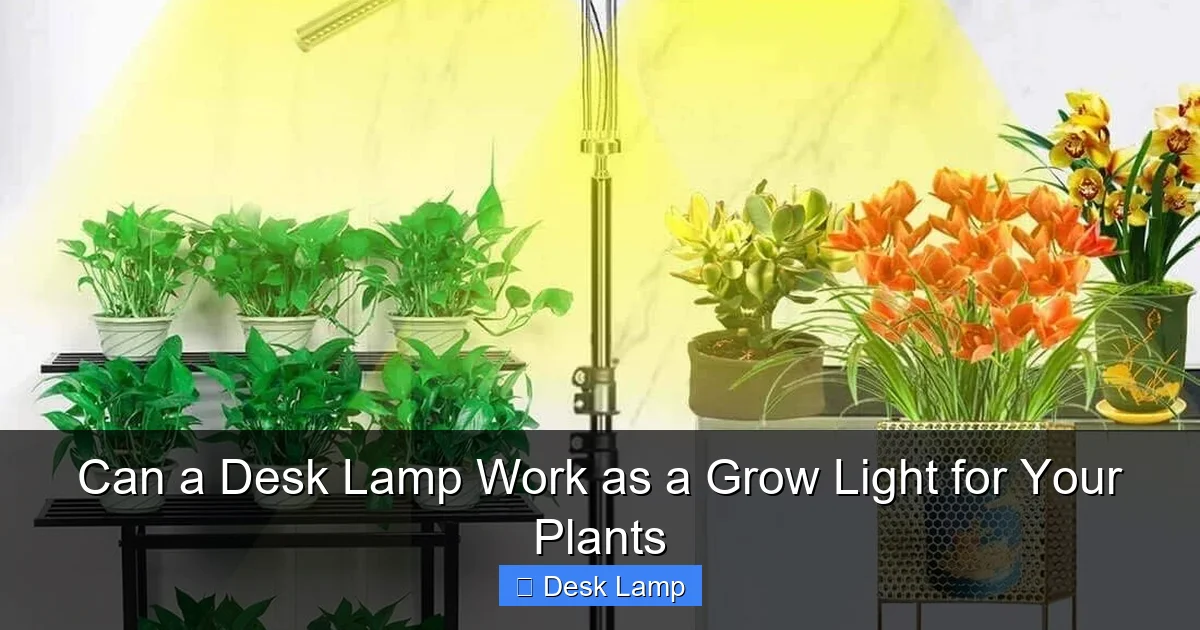
Before we discuss how to use a desk lamp as a grow light, it’s essential to understand what plants need in terms of light. Plants require light for photosynthesis, which is the process they use to convert light energy into chemical energy. Here are some key factors to consider:
Visual guide about Can a Desk Lamp Work as a Grow Light for Your Plants
Image source: images-na.ssl-images-amazon.com
- Light Spectrum: Plants absorb light primarily in the blue and red spectrum. Blue light helps with vegetative growth, while red light encourages flowering.
- Light Intensity: The amount of light a plant receives is crucial. Different plants have different light intensity needs. Some thrive in low light, while others require bright light.
- Light Duration: Most plants need about 12-16 hours of light each day. This duration can vary depending on the plant species.
Choosing the Right Desk Lamp
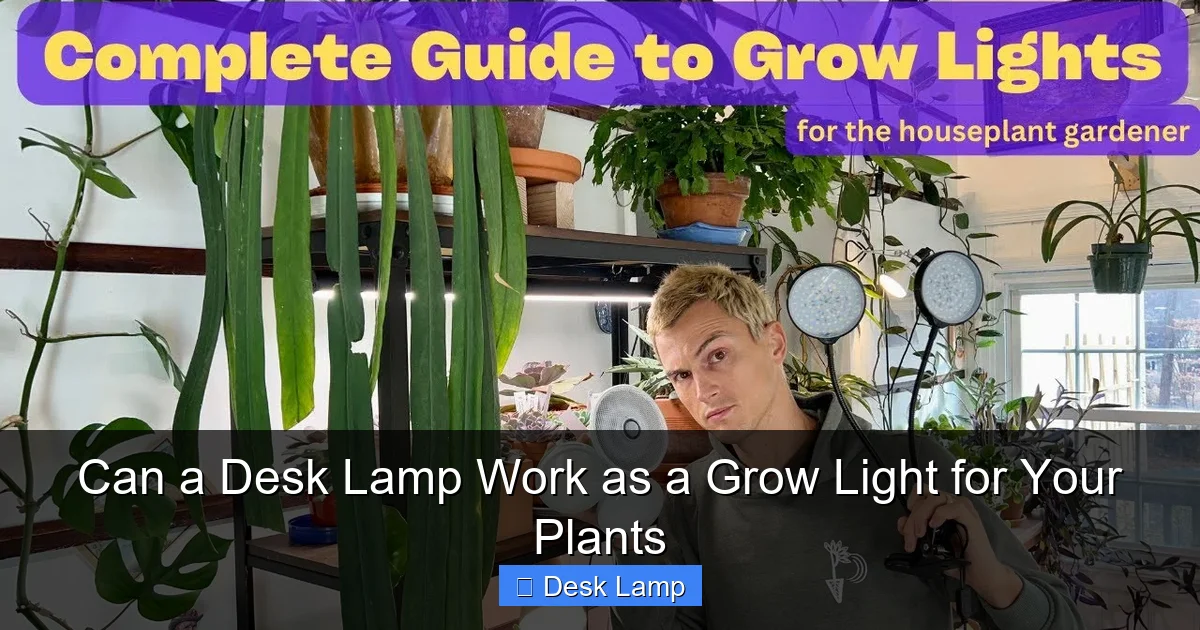
Not all desk lamps are created equal when it comes to supporting plant growth. Here are some factors to consider when selecting a desk lamp for this purpose:
Visual guide about Can a Desk Lamp Work as a Grow Light for Your Plants
Image source: i.ytimg.com
1. Light Bulb Type
The type of bulb in your desk lamp will greatly affect its efficiency as a grow light. Here are some common bulb types:
- Incandescent Bulbs: These are the most common desk lamp bulbs, but they are not energy-efficient and produce a lot of heat. They are not ideal for growing plants.
- Compact Fluorescent Lamps (CFLs): CFLs are more energy-efficient and produce less heat. They come in a variety of light spectrums, making them a better choice for plants.
- Light Emitting Diodes (LEDs): LEDs are the best option for grow lights. They are energy-efficient, produce minimal heat, and are available in specific light spectrums designed for plant growth.
2. Wattage
Ensure your desk lamp has adequate wattage to provide enough light for your plants. A general guideline is:
- Low-light plants: 10-20 watts
- Medium-light plants: 20-40 watts
- High-light plants: 40-100 watts
3. Adjustability
Choose a desk lamp that allows you to adjust the height and angle. This flexibility helps you manage the distance between the light and your plants, which is crucial for preventing light burn and ensuring adequate light exposure.
Setting Up Your Desk Lamp for Plant Growth
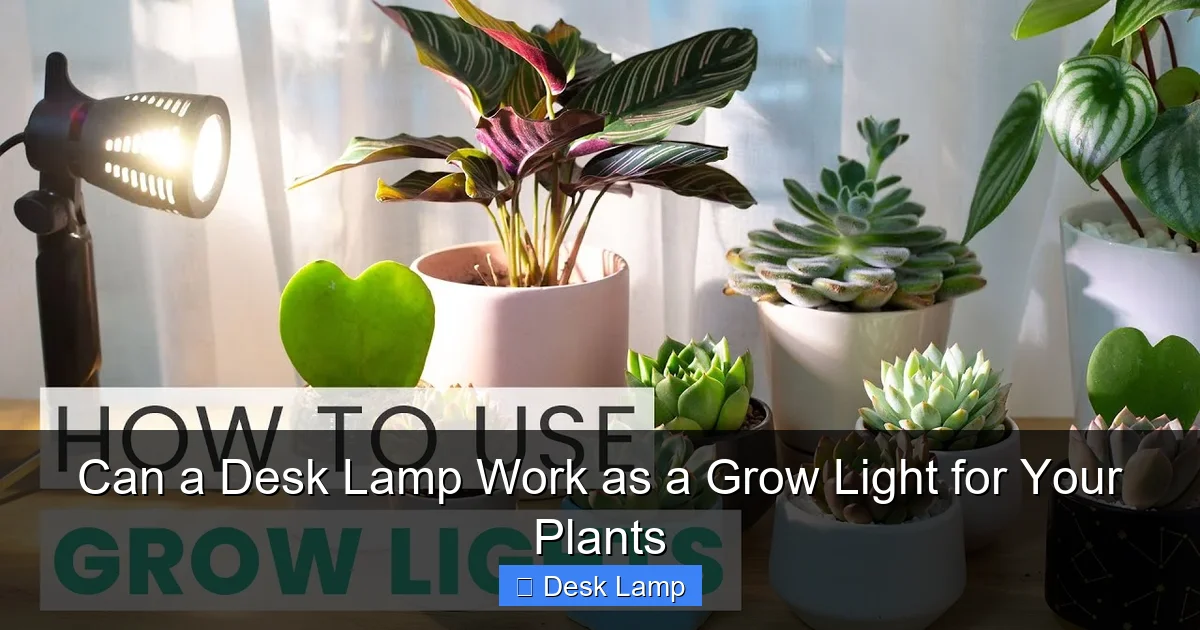
Now that you have your desk lamp, it’s time to set it up for your plants. Follow these steps:
Visual guide about Can a Desk Lamp Work as a Grow Light for Your Plants
Image source: i.ytimg.com
1. Positioning the Lamp
The position of your desk lamp can greatly influence its effectiveness. Here are some tips on positioning:
- Distance: Start with the lamp about 12-24 inches above your plants. Adjust based on their response to the light.
- Angle: Aim the light directly at the plants to ensure they receive maximum exposure.
2. Timing the Light
Use a timer to provide your plants with consistent light. Setting the lamp to turn on for 12-16 hours a day mimics natural sunlight cycles. This will help your plants grow stronger and healthier.
3. Reflective Surfaces
Enhance the effectiveness of your desk lamp by incorporating reflective surfaces. Place a white or reflective material behind your plants to bounce light back onto them, increasing the light intensity they receive.
Monitoring Plant Growth
After setting up your desk lamp, keep an eye on your plants to monitor their progress. Here are some signs to look for:
1. Healthy Growth
If your plants are growing and producing new leaves, that’s a great sign! They are likely receiving adequate light.
2. Leaf Color
Check for vibrant green leaves. Yellowing or browning leaves may indicate that your plants are not getting enough light or are getting too much heat.
3. Stretching
If your plants are stretching towards the light, they may need more intensity. Consider moving the lamp closer or upgrading to a higher wattage bulb.
Troubleshooting Common Issues
Even with the right setup, you might encounter some challenges. Here’s how to troubleshoot common issues:
1. Leaf Burn
If your plant leaves are crisping or turning brown at the tips, this may be a sign of too much heat or light. Move the lamp further away or reduce the duration of light exposure.
2. Slow Growth
If your plants are not growing as expected, consider the light spectrum and intensity. Switching to a bulb with a better spectrum for plant growth, like an LED grow light, can help.
3. Wilting or Drooping
Wilting can indicate insufficient water or light. Ensure your plants are adequately watered and adjust the lamp for better light exposure.
Conclusion
Using a desk lamp as a grow light is not only possible but can also be highly effective with a few adjustments. By choosing the right bulb, positioning your lamp correctly, and monitoring your plants, you can create a thriving indoor garden. Whether you’re nurturing herbs on your kitchen counter or growing ornamental plants in your living room, a desk lamp can be a valuable tool in your gardening arsenal. So, go ahead, put that desk lamp to work, and enjoy the beauty of your indoor plants!
🎥 Related Video: Can LED Lights Grow Plants? Regular LED Lights vs. Grow Lights
📺 wikiHow
Learn if LED lights can grow plants and how grow lights compare to standard LED lights with this guide from wikiHow: …