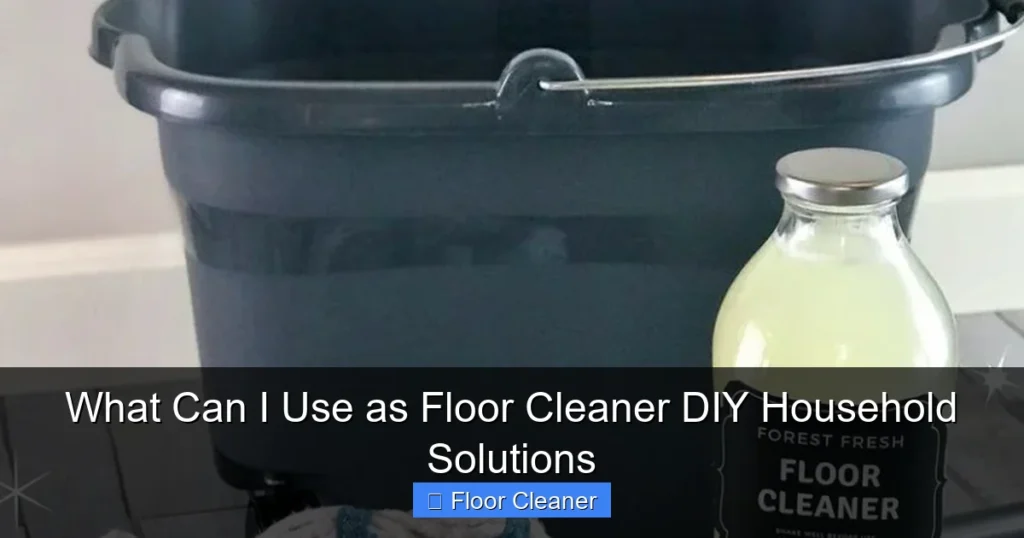
This guide reveals how to create effective, safe, and affordable floor cleaners using common household ingredients like vinegar, castile soap, and baking soda. You’ll learn specialized recipes for every floor type, from hardwood to vinyl, and get practical tips for application and troubleshooting. Transform your cleaning routine with these simple, eco-friendly solutions.
Key Takeaways
- Test First: Always perform a spot test in an inconspicuous area with any new DIY cleaner to ensure compatibility with your floor’s finish.
- Vinegar is Versatile but Not Universal: Diluted white vinegar is a fantastic cleaner for sealed tile and vinyl, but avoid using it on stone, unsealed wood, or waxed floors as it can damage them.
- Castile Soap is a Gentle Powerhouse: A few drops of liquid castile soap in water creates an effective, biodegradable cleaner safe for most sealed floor surfaces when used correctly.
- Know Your Floor Type: The safest and most effective DIY cleaner depends entirely on your floor’s material (e.g., hardwood, laminate, luxury vinyl plank). Always consult manufacturer guidelines.
- Microfiber is Your Best Tool: Use a microfiber mop or cloth with your DIY solution. It picks up dirt efficiently without leaving excess moisture that can harm floors.
- Baking Soda for Scrubbing Power: For tough grout lines or sticky spots, a paste of baking soda and water provides gentle abrasion without harsh chemicals.
- Proper Dilution is Critical: More concentrate does not mean cleaner. Using overly strong solutions can leave residue and attract more dirt. Follow dilution recipes closely.
What Can I Use as a Floor Cleaner? Your Ultimate DIY Guide
Are you tired of expensive, perfumed store-bought floor cleaners? Do you worry about harsh chemicals around your family and pets? You are not alone. Many people are looking for simple, effective, and natural alternatives. The good news is your pantry and laundry room likely hold everything you need.
This comprehensive guide will walk you through exactly what you can use as a floor cleaner. We will cover universal ingredients, recipes tailored for specific floor types, and pro tips for application. You will learn how to clean safely, save money, and reduce your environmental footprint. Let’s dive in and transform your cleaning routine!
Safety First: The Golden Rules of DIY Floor Cleaning
Before you mix your first bottle, understanding a few core principles is crucial. These rules will keep your floors looking beautiful for years to come.
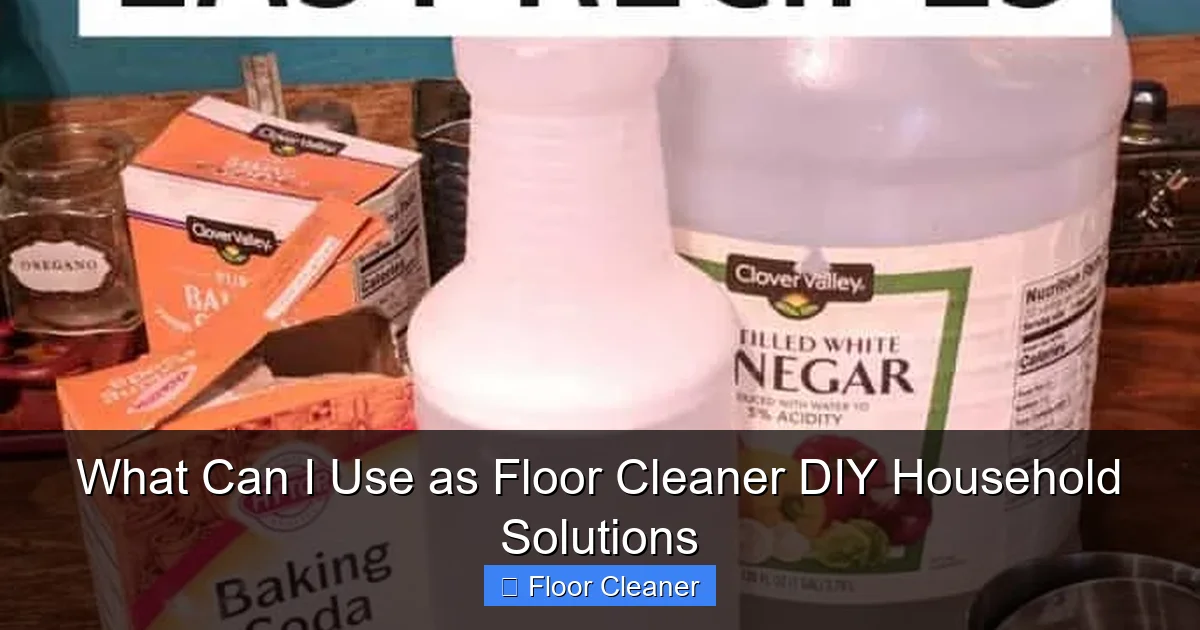
Visual guide about What Can I Use as Floor Cleaner DIY Household Solutions
Image source: newlifeonahomestead.com
Rule 1: Always Identify Your Floor Type
This is the most important step. Using the wrong cleaner can cause permanent damage. Check your flooring’s original documentation or the manufacturer’s website. Common types include:
- Sealed Hardwood (polyurethane or acrylic finish)
- Laminate (a photographic layer sealed with plastic)
- Luxury Vinyl Plank/Tile (LVP/LVT)
- Ceramic or Porcelain Tile
- Natural Stone (Granite, Marble, Slate)
- Linoleum
Rule 2: The Spot Test is Non-Negotiable
Always test your DIY solution in a hidden corner or closet. Apply a small amount, let it sit for a few minutes, then wipe dry. Check for any changes in color, cloudiness, or texture after 24 hours.
Rule 3: Less Water is More
Excess moisture is the enemy of many floors. It can warp wood, seep into laminate seams, and break down adhesives. Your mop should be damp, not dripping wet.
Your DIY Cleaning Ingredient Toolkit
These are the staple items you can use as a floor cleaner base. Each has unique properties.
Visual guide about What Can I Use as Floor Cleaner DIY Household Solutions
Image source: static.grainger.com
White Distilled Vinegar
Vinegar is a natural disinfectant and deodorizer. It cuts through grease and dissolves mineral deposits. Important: It is acidic. Avoid on stone, unsealed wood, or waxed floors.
Liquid Castile Soap
Made from plant oils, this soap is biodegradable, gentle, and effective at lifting dirt. It’s a great all-purpose base. Dr. Bronner’s is a popular brand.
Rubbing Alcohol (Isopropyl Alcohol)
Alcohol evaporates quickly, making it ideal for streak-free cleaning on surfaces like laminate and vinyl. It also has disinfecting properties.
Baking Soda
This mild alkaline abrasive is perfect for scrubbing tough spots and cleaning grout. It also neutralizes odors.
Hydrogen Peroxide (3%)
A mild bleach alternative and disinfectant. Great for whitening grout and sanitizing. Test for colorfastness first.
Essential Oils
Oils like tea tree, lavender, or lemon add a fresh scent and some, like tea tree, have natural antibacterial qualities. Use sparingly.
All-Purpose and Floor-Specific Recipes
Now for the recipes! Here is what you can use as a floor cleaner for different situations.
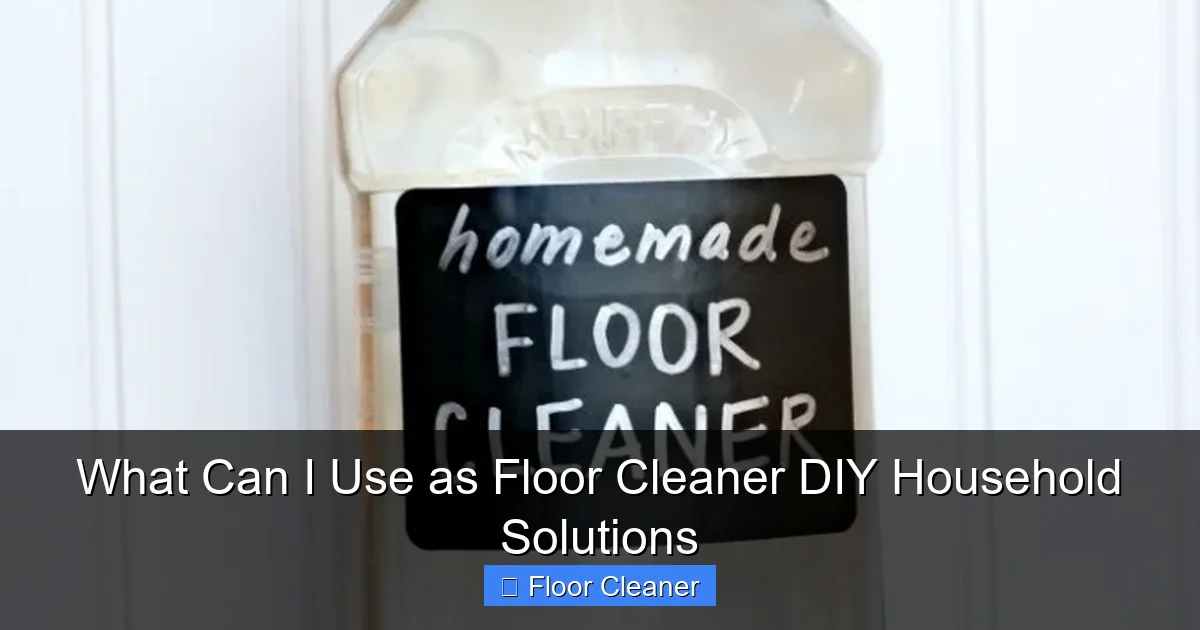
Visual guide about What Can I Use as Floor Cleaner DIY Household Solutions
Image source: momalwaysfindsout.com
The Universal Castile Soap Cleaner
This is a safe starting point for most sealed floors: tile, sealed hardwood, vinyl, and laminate.
Ingredients:
- 1 gallon warm water
- 1/4 cup liquid castile soap
- Optional: 10-15 drops of essential oil
Instructions:
- Fill your bucket with the warm water.
- Add the castile soap and essential oils (if using).
- Swirl gently to mix. Avoid creating lots of suds.
- Dampen your microfiber mop in the solution, wringing it out thoroughly.
- Mop as usual. Change the water if it becomes dirty.
Vinegar Solution for Tile and Vinyl Floors
Perfect for bathrooms, kitchens, and vinyl areas. The acidity helps dissolve soap scum and hard water spots.
Ingredients:
- 1 gallon warm water
- 1/2 cup white distilled vinegar
Instructions:
- Combine water and vinegar in a bucket.
- Use a well-wrung mop. The light solution will disinfect and deodorize without a sticky residue.
- No need to rinse on sealed surfaces, but you can with clean water for extra shine.
Gentle Hardwood Floor Cleaner
This recipe cleans effectively without harming the wood’s protective finish.
Ingredients:
- 1 gallon warm water
- 1/4 cup white vinegar OR 1/2 cup rubbing alcohol (choose one)
- 3 drops liquid castile soap
Instructions:
- Mix all ingredients in a bucket. The soap amount is tiny—this prevents film buildup.
- Wring your mop until it is barely damp. The goal is to lightly clean, not wet, the surface.
- Mop following the wood grain. Dry any pooled moisture immediately.
Streak-Free Laminate & LVP Cleaner
Laminate and luxury vinyl plank need a cleaner that evaporates quickly to prevent moisture damage.
Ingredients:
- 1 quart warm water
- 1 cup rubbing alcohol (70% or 90%)
- 1 drop of dish soap or castile soap
Instructions:
- Combine all ingredients in a spray bottle. Shake gently.
- Lightly mist a small section of the floor (2×2 feet).
- Immediately wipe with a dry microfiber mop pad. The alcohol will clean and evaporate, leaving no streaks.
Heavy-Duty Grout and Tile Scrub
For dingy grout lines, baking soda is your best friend.
Ingredients:
- Baking soda
- Water or 3% hydrogen peroxide
- An old toothbrush or grout brush
Instructions:
- Make a thick paste with baking soda and just enough liquid to form a spreadable consistency. Hydrogen peroxide offers extra whitening power.
- Apply the paste directly to the grout lines.
- Let it sit for 5-10 minutes, then scrub with the brush.
- Rinse thoroughly with clean water and wipe the tile dry.
How to Apply Your DIY Floor Cleaner Like a Pro
Using the right technique is as important as the cleaner itself.
Sweep or Vacuum First
Always remove loose dirt and debris. Mopping over grit will scratch your floors.
Use the Two-Bucket Method
Use one bucket for your cleaning solution and a second with clean rinse water (for floors that need rinsing). Dip, wring, mop a section, then rinse your mop in the clean water bucket before reloading with cleaner. This keeps your cleaning solution fresh.
Work in Sections
Start from the farthest corner of the room and work your way back to the door. This prevents you from walking on freshly cleaned floors.
Wring, Wring, Wring!
Reiterating for emphasis: your mop should be damp, not wet. For wood and laminate, you should barely see any moisture on the surface as you mop.
Troubleshooting Common DIY Cleaning Problems
Ran into an issue? Here are some simple fixes.
Problem: Floors Look Dull or Filmy After Cleaning
Cause: Soap or cleaner residue buildup.
Fix: Next time, use less soap (or none for vinegar solutions). To remove existing film, mop with a 50/50 solution of water and white vinegar (if safe for your floor) or just plain water to rinse. Ensure you are wringing your mop adequately.
Problem: My Hardwood Floor Looks Cloudy
Cause: Almost certainly moisture damage or wax/varnish breakdown from an incompatible cleaner.
Fix: For surface cloudiness, try buffing with a dry microfiber cloth. If the cloudiness is in the finish, you may need to consult a professional for screening and recoating. Switch to the gentle hardwood recipe immediately.
Problem: The Cleaner Isn’t Cutting Through Grease
Cause: The solution isn’t strong enough for the soil.
Fix: For kitchen floors, add a few more drops of castile soap to your bucket or use the vinegar solution, which is excellent on grease. For a tough spot, apply a drop of dish soap directly, scrub, and wipe clean.
Conclusion: Embrace Simple, Effective Cleaning
As you can see, you have a powerful arsenal of cleaning agents right at home. You now know exactly what you can use as a floor cleaner for every room. From the universal castile soap mix to the streak-free laminate spray, these DIY solutions are cost-effective, environmentally friendly, and safe for your family.
Start with a simple recipe for your floor type. Remember the golden rules: identify, spot test, and keep it damp. You don’t need a cabinet full of specialized bottles. With a few core ingredients and the knowledge from this guide, you can achieve sparkling clean floors and the satisfaction of doing it yourself. Happy cleaning!
🎥 Related Video: 🧹Homemade Floor Cleaner Recipes for Luxury Vinyl, Hardwood, Laminate, and Tile Floors
📺 Julie Eigenmann
What type of floor do you have at home? Which ever you have, always remember this… Before you start mopping, make sure to …