
Discover how to maximize your microfiber cloth’s power for effortless, streak-free cleaning on any surface. This guide reveals pro techniques for dry dusting, damp wiping, and proper care to extend cloth life. Stop wasting money on paper towels and harsh chemicals – unlock true cleaning efficiency today!
Key Takeaways
- Dry for Dusting, Damp for Cleaning: Use microfiber cloths dry to trap dust and lint, and slightly damp (not wet) for most cleaning tasks to lift grime without streaks.
- Skip Fabric Softeners & Bleach: These destroy the cloth’s tiny fibers and static charge, drastically reducing effectiveness and lifespan.
- Wash Correctly: Use hot water (check care label), mild detergent, no fabric softener, and air dry or tumble dry low to maintain performance.
- Fold & Flip Technique: Divide your cloth into quarters; use one section, then fold to a clean side as it gets dirty for maximum use per cloth.
- Surface-Specific Matters: Use dedicated cloths for sensitive surfaces like screens and glass to avoid scratches and ensure best results.
- Store Clean & Dry: Keep microfiber cloths in a clean, dry place, ideally in a breathable container, to prevent musty odors and maintain absorbency.
Unlock Spotless Surfaces: Your Complete Guide to Using Microfiber Cloths Like a Pro
Tired of streaky windows, dusty screens, and cleaning products that leave residue? You’re not alone. Many people grab paper towels or old rags, only to end up frustrated with smudges and wasted effort. The secret weapon you likely already own? The humble microfiber cloth. But here’s the catch: using it *wrong* makes it just as ineffective as anything else. This guide cuts through the confusion. You’ll learn exactly how to use a microfiber cloth for cleaning to achieve professional, streak-free results on glass, screens, wood, stainless steel, and more – all while saving money and reducing waste. Forget guesswork; we’re diving into the science and simple steps that make microfiber truly magical.
Why Microfiber Cloths Are Cleaning Game-Changers (The Simple Science)
Before we get to the “how,” understanding *why* microfiber works so well makes everything click. Forget cotton rags or paper towels. Microfiber is made from ultra-fine synthetic fibers – often a blend of polyester and polyamide (nylon) – split into microscopic filaments. Think of each fiber being 100 times thinner than a human hair! This creates two superpowers:
Super Absorbency & Grime Capture
Those tiny split fibers create countless microscopic hooks and channels. When dry, these generate static electricity that *pulls* dust, lint, and pet hair out of the air and off surfaces like a magnet. When damp, the fibers act like super-sponge capillaries, absorbing up to 7 times their weight in water and trapping dirt, grease, and oils deep within the structure, rather than just smearing them around. This is why a *damp* microfiber cloth cleans so effectively without leaving streaks – it lifts and holds the grime.
Visual guide about Pro Tips How to Use Microfiber Cloth for Cleaning
Image source: maximmart.com
Gentle Yet Effective
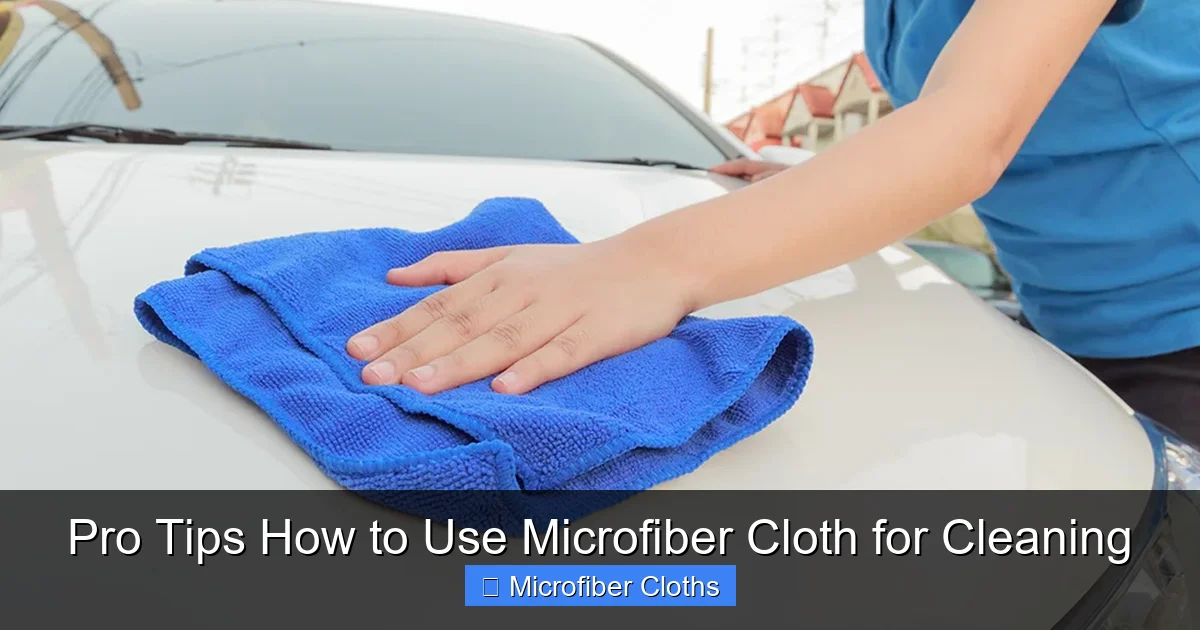
Despite their cleaning power, the ultra-fine fibers are incredibly soft. This means they won’t scratch delicate surfaces like smartphone screens, eyeglasses, polished wood, or even car paint (when used correctly). Traditional rags or paper towels often have rougher fibers that can cause micro-scratches over time. Microfiber cleans *with* the surface, not against it.
Your Step-by-Step Microfiber Cleaning Masterclass
Using microfiber isn’t complicated, but a few key techniques make all the difference. Ditch the soaking wet rag approach!
Step 1: Choose the Right Cloth (It Matters!)
Not all microfiber is created equal. Look for:
Visual guide about Pro Tips How to Use Microfiber Cloth for Cleaning
Image source: m.media-amazon.com
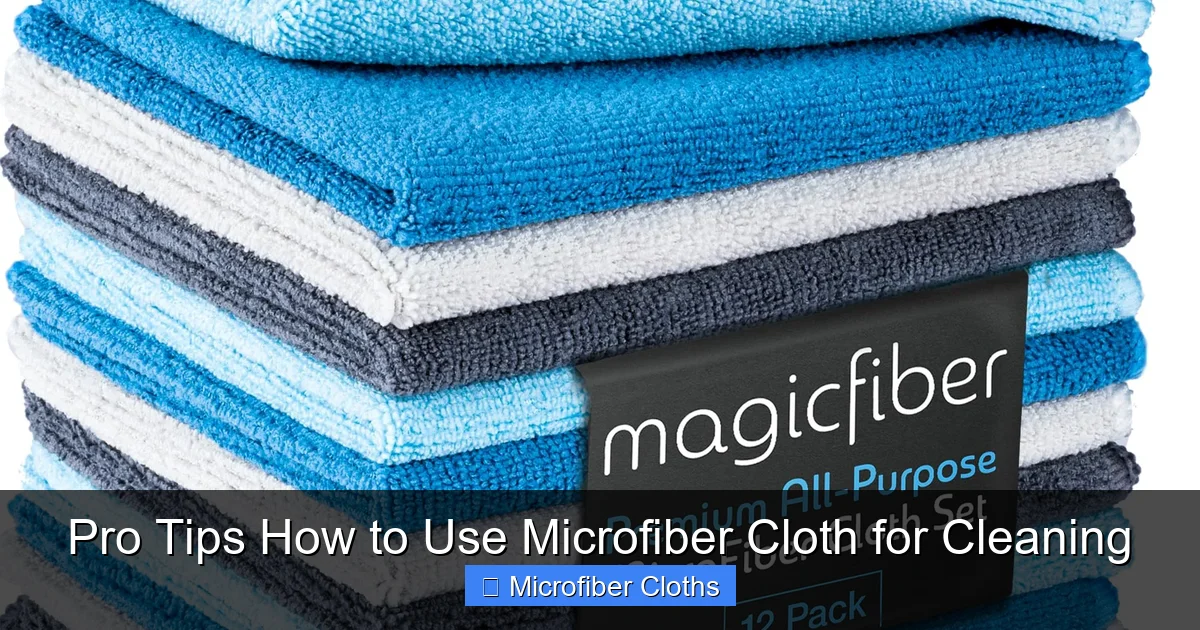
- High GSM (Grams per Square Meter): Aim for 300 GSM or higher for general cleaning. Higher GSM (400-600+) is ideal for glass, screens, and cars – it’s thicker, more absorbent, and less likely to scratch. Lower GSM (under 200) is better for light dusting.
- Split Fiber Construction: This is crucial! Check the label or feel the cloth. True split-fiber microfiber has that characteristic soft, suede-like feel and superior cleaning power. Non-split microfiber acts more like a regular polyester cloth.
- Color Coding (Optional but Smart): Use different colors for different areas: blue for glass/screens, green for kitchen counters, red for bathrooms, yellow for dusting. This prevents cross-contamination (e.g., using a bathroom cloth on your phone screen!).
Step 2: The Dry Dusting Power Move
This is where microfiber truly shines over feather dusters or dry rags. Dry microfiber generates static to grab dust.
- How to: Take a clean, dry microfiber cloth. Fold it into quarters (see the “Fold & Flip” tip below). Lightly run it over surfaces like shelves, blinds, lampshades, electronics vents, baseboards, and car dashboards. Use gentle, overlapping strokes.
- Pro Tip: For blinds or intricate areas, wrap the cloth around a flat object (like a ruler or old credit card) for better contact. Shake the cloth outdoors frequently to release trapped dust. A single dry microfiber cloth can often replace an entire duster!
Step 3: The Damp Cleaning Method (Your Secret Weapon)
This is the gold standard for most cleaning tasks: countertops, appliances, sinks, mirrors, windows, and more. The key is “damp,” not wet.
- How to Dampen Correctly: Hold the microfiber cloth under cool or lukewarm running water. Wring it out *thoroughly* until it’s only slightly damp to the touch. You should not see water dripping or pooling when you wring it. Think “barely moist.”
- How to Clean:
- Fold your damp cloth into quarters.
- Wipe the surface using overlapping strokes. Apply light pressure.
- As the cloth gets dirty (you’ll see grime transferring), unfold it to a clean quarter and continue. Fold and flip as needed!
- For tough spots, use a bit more pressure or re-dampen *just* that section of the cloth, wringing well again.
- After cleaning, go over the surface once more with a *dry*, clean section of microfiber (or a separate dry cloth) to buff away any residual moisture and ensure a streak-free shine. This dry buffing step is critical for glass and mirrors!
- Pro Tip: For heavily soiled areas, pre-treat with a small amount of appropriate cleaner (see surface-specific tips below), let it sit for 30-60 seconds, *then* wipe with your damp microfiber cloth. Never soak the surface.
Step 4: The “Fold & Flip” Technique (Maximize Every Cloth)
This simple habit dramatically extends the usable life of each cloth and prevents you from spreading dirt.
- How it Works: Start with a clean cloth. Fold it in half, then in half again, creating 4 clean sections (like a small square).
- During Cleaning: Use one section. When it gets dirty (usually after cleaning a moderate area), unfold the cloth to reveal a clean section. Fold the dirty section *inward* so it’s not exposed, and continue cleaning with the fresh side. Repeat until all 4 sections are used.
- Why it’s Essential: It ensures you’re always using a clean surface on the area you’re cleaning, preventing cross-contamination and streaks. You get 4x the cleaning power from one cloth!
Surface-Specific Microfiber Magic
Visual guide about Pro Tips How to Use Microfiber Cloth for Cleaning
Image source: sensibledriver.com
Different surfaces need slightly different approaches. Here’s how to tailor your microfiber use:
Glass & Mirrors (The Streak-Free Holy Grail)
- Use a high-quality, high-GSM (400+), *lint-free* microfiber cloth specifically designed for glass/screens. These often have a waffle weave or are extra soft.
- Clean with the damp method described above. The final dry buff with a *separate*, super-soft dry microfiber cloth is non-negotiable for true streak-free results. Avoid using the same cloth you wiped with damp for the dry buff if it’s very dirty.
- Pro Tip: Clean glass on a cloudy day or in indirect light. Sunlight can cause cleaner residue to dry too quickly, leading to streaks.
Screens (Phones, Tablets, TVs, Monitors)
- ALWAYS use a dedicated, ultra-soft, *dry* microfiber cloth for routine dusting and fingerprint removal. Never use liquids directly on screens!
- For stubborn smudges: Lightly dampen *one corner* of the cloth (wring extremely well!), wipe the spot gently, then immediately dry thoroughly with the dry part of the cloth. Never spray cleaner directly on the screen.
- Pro Tip: Keep a small, clean microfiber cloth in your phone case or bag for quick touch-ups.
Wood Furniture & Cabinetry
- Dry dusting is best for routine maintenance. Use a soft, dry microfiber cloth.
- For light cleaning: Dampen cloth *very* slightly (wring extremely well!), wipe along the wood grain, then immediately dry thoroughly with a clean, dry microfiber cloth. Avoid excessive moisture.
- Pro Tip: Never use vinegar or ammonia-based cleaners on wood with microfiber unless specifically recommended for that wood type – they can damage finishes. Test any cleaner in an inconspicuous area first.
Stainless Steel Appliances
- Dry microfiber is excellent for removing fingerprints and light dust.
- For smudges or light grime: Use the damp method. Wipe *with* the grain of the steel. Always finish with a dry microfiber buff to prevent water spots and enhance shine.
- Pro Tip: For stubborn fingerprints or grease, a tiny drop of dish soap on the *damp* cloth (wring very well!) can help, but rinse the cloth thoroughly afterward and buff dry.
Kitchen Countops & Bathrooms
- Use the damp method with appropriate cleaner if needed (see Step 3 Pro Tip).
- Color-code! Use separate cloths for kitchen food prep areas and bathroom surfaces.
- Pro Tip: After cleaning sinks or tubs, a quick dry buff with microfiber prevents hard water spots.
Caring for Your Microfiber Cloths: The Lifespan Secret
Your microfiber cloths are an investment. Treat them right, and they’ll last for *hundreds* of washes. Treat them wrong, and they become useless rags in weeks.
Washing Like a Pro
- Pre-Rinse (Optional but Recommended): Rinse heavily soiled cloths under cool water to remove loose debris before washing.
- Detergent: Use a small amount of mild liquid detergent. Avoid detergents with bleach, optical brighteners, or heavy fragrances – they can coat the fibers.
- Water Temperature: Hot water (check care label, usually up to 140°F/60°C) is best for sanitizing and removing oils. *Never* use fabric softener sheets or liquid softener – they coat the fibers, destroying absorbency and static charge. Vinegar in the rinse cycle is okay occasionally for odor removal but isn’t necessary.
- Washing Machine: Wash microfiber cloths *separately* from cotton towels, jeans, or anything with zippers/hooks that could snag them. Use a gentle or normal cycle. Avoid overloading.
Drying & Storage
- Drying: Air drying is ideal. If using a dryer, use the *lowest* heat setting possible. High heat can melt or damage the fine fibers. Remove promptly when dry to prevent wrinkles (which aren’t a big deal for cleaning cloths).
- Storage: Store clean, *completely dry* microfiber cloths in a clean, dry place. A breathable cotton bag or open basket is perfect. Avoid airtight plastic containers which can trap moisture and cause mildew. Keep them away from direct sunlight for long periods.
- Pro Tip: If a cloth develops a musty smell, wash it again with a splash of white vinegar in the rinse cycle and ensure it dries *thoroughly* before storing.
Troubleshooting Common Microfiber Problems
Problem: Cloth Leaves Streaks or Lint
- Cause: Cloth is too wet, low quality (not true split fiber), dirty, or used on a surface with residue.
- Solution: Wring cloth much drier. Ensure you’re using a high-GSM, split-fiber cloth. Wash the cloth thoroughly. Clean the surface first with a appropriate cleaner if needed, then buff dry with microfiber.
Problem: Cloth Feels Stiff or Less Absorbent
- Cause: Buildup of detergent, fabric softener, or oils from surfaces.
- Solution: Wash cloths with hot water, a small amount of detergent, and *no* softener. Add 1/2 cup white vinegar to the rinse cycle to break down residues. Avoid using cloths on greasy surfaces without proper cleaning first.
Problem: Cloth Develops a Bad Smell
- Cause: Trapped bacteria or mold from not drying properly or using on dirty surfaces without washing.
- Solution: Wash immediately with hot water and detergent. Soak in a solution of 1 part white vinegar to 3 parts hot water for 30 minutes before washing if smell persists. Ensure cloths dry *completely* before storage.
Problem: Cloth Seems to Push Dirt Around
- Cause: Cloth is too dry for the level of grime, or the surface is very dirty.
- Solution: Use the damp method (damp, not wet!). For heavily soiled areas, pre-treat with cleaner and let it dwell briefly before wiping with damp microfiber.
Conclusion: Your Path to Effortless, Eco-Friendly Cleaning
Mastering how to use a microfiber cloth for cleaning isn’t just about getting surfaces shiny; it’s about transforming your entire cleaning routine. By understanding the simple science – dry for dusting, damp for cleaning, and the critical importance of proper care – you unlock a tool that’s incredibly effective, gentle on surfaces, and remarkably sustainable. Ditch the endless rolls of paper towels and the chemical fumes. Embrace the fold-and-flip technique, respect the “damp not wet” rule, and treat your cloths right with hot water washes and air drying.
The result? Streak-free windows that impress, spotless screens you can actually see, dust-free furniture with minimal effort, and a cleaner home without the waste. Your microfiber cloths will pay for themselves many times over in saved cleaning products and reduced frustration. Start small: grab one high-quality microfiber cloth today. Try the dry dusting method on your bookshelf or the damp method on your kitchen counter. Feel the difference, see the shine. You’ve got the pro tips – now go experience the effortless power of microfiber cleaning for yourself. Your home (and the planet) will thank you.