
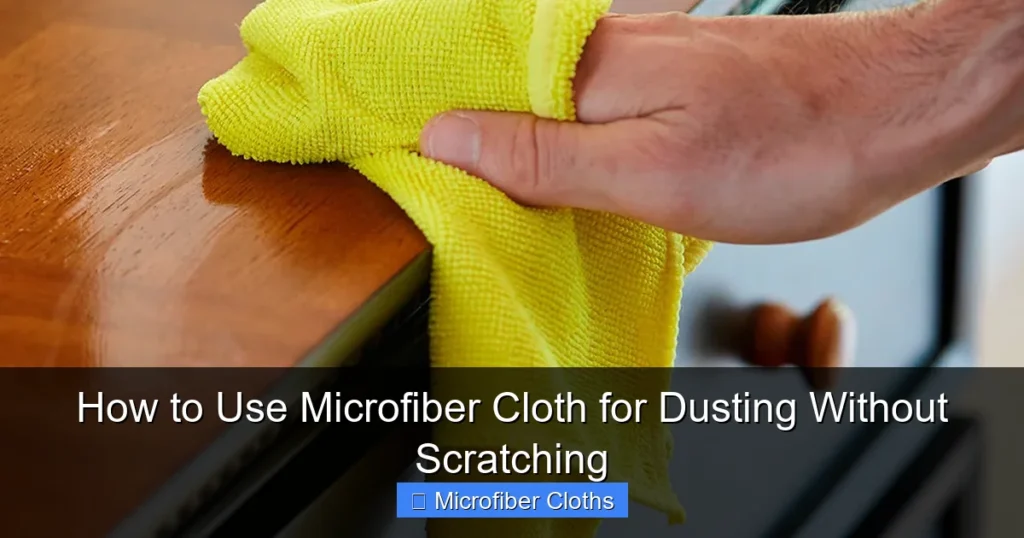
Discover how to harness the power of microfiber cloths for truly effective dusting that won’t damage your surfaces. This guide reveals the simple techniques—like proper folding, dry use, and correct motion—that prevent scratches and lift dust instead of spreading it. Master these steps for a cleaner, safer home with every swipe.
Key Takeaways
- Always use microfiber dry for dusting: Moisture activates fibers for polishing but causes streaks and potential scratches during dry dusting; keep it completely dry.
- Fold into quarters for maximum efficiency: This creates multiple clean surfaces, reduces recontamination, and provides better grip and control while dusting.
- Dust top-to-bottom with light, gliding motions: Start high (ceiling fans, shelves) and work down, using gentle strokes that lift dust instead of pressing it into surfaces.
- Avoid circular motions on delicate items: Use straight, linear strokes on screens, glass, and polished wood to prevent micro-scratches from trapped particles.
- Wash microfiber separately in cold water: Hot water damages fibers; always skip fabric softener and dryer sheets to maintain absorbency and static charge.
- Replace cloths when fibers look matted or worn: Frayed or stiff microfiber loses its dust-trapping power and increases scratch risk; inspect regularly.
Why Microfiber is Your Secret Weapon for Scratch-Free Dusting
You’ve probably seen microfiber cloths everywhere—from car detailing shops to kitchen counters. But if you’re still using them like regular rags, you’re missing out. Microfiber isn’t magic; it’s science. Made from ultra-fine synthetic fibers (often polyester and polyamide), it’s split during manufacturing to create microscopic hooks. These hooks grab dust, dirt, and oils through static electricity and mechanical action—not just push them around like cotton or paper towels. The best part? When used correctly, it won’t scratch even the most delicate surfaces, from smartphone screens to antique wood.
Here’s the catch: technique matters more than the cloth itself. Many people accidentally cause scratches by using too much pressure, adding moisture, or reusing a dirty side. This guide cuts through the confusion. You’ll learn exactly how to leverage microfiber’s unique properties for effortless, damage-free dusting. No more streaky windows, no more worried glances at your grandmother’s oak table. Just clean, protected surfaces.
Step 1: Prep Your Microfiber Cloth Like a Pro
Great dusting starts before you touch a surface. Skipping prep is the #1 reason microfiber fails (or scratches).

Visual guide about How to Use Microfiber Cloth for Dusting Without Scratching
Image source: m.media-amazon.com
Choose the Right Cloth
Not all microfiber is equal. For dusting, opt for high-quality, lint-free cloths labeled “for dusting” or “dry use.” Avoid cheap, thin cloths—they shed fibers and lack the density to trap dust effectively. Look for a GSM (grams per square meter) rating of 300+; higher GSM means thicker, more durable fibers. A standard 12″x12″ or 16″x16″ size works best for most tasks. Pro tip: Keep a dedicated “dusting only” cloth separate from your polishing or cleaning cloths to avoid cross-contamination.
Fold for Maximum Efficiency
This simple step transforms your cloth’s performance. Unfold your microfiber completely, then fold it in half, and in half again. You now have four clean surfaces to work with. Why fold? It prevents you from dusting with a dirty section, reduces hand fatigue, and gives you better control. When one side gets dusty, unfold to a fresh quadrant—no need to grab a new cloth mid-task. For large areas like bookshelves, fold into eighths for even more surfaces.
Ensure It’s Bone Dry
This is non-negotiable for dusting. Never use a damp microfiber cloth for dry dusting. Moisture activates the fibers for polishing (great for glass after cleaning), but for routine dusting, it causes two problems: First, it leaves streaks on smooth surfaces. Second—and critically—it makes trapped dust act like sandpaper, increasing scratch risk on wood, plastic, or screens. If your cloth feels even slightly cool or damp from storage, let it air-dry completely before use.
Step 2: Master the Dusting Technique (No Scratches Guaranteed)
Now for the magic. How you move the cloth makes all the difference between a flawless finish and accidental damage.

Visual guide about How to Use Microfiber Cloth for Dusting Without Scratching
Image source: thespruce.com
Adopt the Top-Down Approach
Gravity is your friend. Always start dusting at the highest point in the room (ceiling fan blades, top of cabinets, picture frames) and work your way down to baseboards and floors. Why? Dust naturally falls downward. If you start low, you’ll just push dust onto already-cleaned surfaces. This method ensures you capture falling particles before they settle elsewhere.
Use Light, Gliding Motions—Not Pressure
Here’s where most people go wrong: Pressing hard doesn’t clean better—it scratches. Microfiber works through static attraction, not abrasion. Hold the cloth loosely in your hand (like you’re holding a butterfly) and let it glide over surfaces with minimal pressure. Imagine you’re dusting a layer of frost—gentle strokes lift it away. For textured surfaces like wicker or fabric lampshades, use a light tapping motion instead of rubbing.
Direction Matters: Straight Lines Over Circles
On smooth, flat surfaces (glass, TVs, polished wood), always use straight, linear strokes in one direction. Circular motions can grind trapped dust particles into the surface, creating micro-scratches you might not see immediately but will notice later under light. For example: Dust a window horizontally from top to bottom, then vertically for a cross-hatch pattern only if needed for polishing—never for routine dusting. On curved items like vases, follow the contour with straight strokes.
Handle Delicate Surfaces with Extra Care
Screens (phones, tablets, monitors) and glossy finishes need special handling. Hold the cloth flat against the surface and use feather-light strokes. Never spray cleaner directly on the screen—dampen the cloth slightly only for stubborn smudges (and wring it out until almost dry). For antiques or high-gloss furniture, test an inconspicuous area first. If dust is caked on, gently lift it with the cloth’s edge instead of rubbing.
Step 3: Tackle Tricky Areas Without Damage
Some spots seem impossible to dust safely. These targeted tips solve common headaches.

Visual guide about How to Use Microfiber Cloth for Dusting Without Scratching
Image source: m.media-amazon.com
Blinds and Slatted Surfaces
Close blinds fully. Fold your microfiber into a narrow rectangle (about 2″ wide). Starting at the top slat, slide the cloth between slats with gentle pressure, moving side-to-side. The cloth’s fibers will snag dust from both sides at once. For vertical blinds, wrap the cloth around a slat and pull downward. Never use a duster with stiff bristles—they snap slats and scratch.
Electronics and Keyboards
Power off devices first. For keyboards, turn them upside down and gently shake to dislodge crumbs. Then, use a dry microfiber cloth folded into a point to wipe between keys. Avoid compressed air—it can push debris deeper. For computer vents, glide the cloth over openings without pressing into grilles. Remember: no moisture near electronics.
Wood Furniture and Cabinets
Always dust in the direction of the wood grain. For carved details, use the cloth’s corner like a soft brush. If you see a sticky spot (like from a spilled drink), do not scrub. Dampen a corner of the cloth with water, wring thoroughly until barely damp, and gently blot—never rub. Immediately follow with a dry section to absorb moisture and prevent water marks.
Step 4: Maintain Your Microfiber for Long-Lasting Performance
A well-cared-for microfiber cloth lasts years. Neglect it, and it becomes a scratch hazard.
When to Wash (and When to Toss)
Wash your dusting cloth after 3-4 uses or when it feels stiff or looks gray (dust buildup reduces effectiveness). Never wait until it’s visibly dirty—trapped grit can scratch surfaces. If fibers are frayed, matted, or no longer spring back when stretched, replace it. A worn cloth is worse than no cloth.
Washing Like a Microfiber Expert
Hot water and fabric softener are microfiber’s enemies. Always wash in cold water on a gentle cycle. Use a mild detergent (avoid bleach or optical brighteners). Skip the fabric softener and dryer sheets—they coat fibers, killing static charge and absorbency. Tumble dry on low or air-dry. Pro tip: Wash microfiber separately from cotton towels or clothes; cotton lint clogs microfiber fibers.
Storage Secrets
Store clean, dry microfiber in a sealed container or drawer away from dust. Folding it neatly (not wadded up) preserves fiber integrity. Keep dusting cloths separate from polishing cloths to avoid oil transfer.
Troubleshooting Common Microfiber Dusting Problems
Even with perfect technique, issues pop up. Here’s how to fix them fast.
“My Microfiber Leaves Streaks!”
This almost always means moisture is present. Double-check your cloth is 100% dry. If streaks persist on glass, your cloth might be contaminated with oils—wash it thoroughly. For wood, streaks often come from residual polish; dust first with dry microfiber, then apply polish separately.
“Dust Just Spreads Instead of Sticking”
Likely causes: You’re using too much pressure (pushing dust away), the cloth is worn out (replace it), or you’re dusting in circles (grinding dust into surfaces). Switch to light, straight strokes and ensure your cloth is clean and dry.
“I Accidentally Scratched a Surface—What Now?”
First, stop using that cloth immediately—it’s likely contaminated with grit. For minor micro-scratches on glass or plastic, try a dedicated scratch-remover polish. On wood, consult a professional; DIY fixes often worsen damage. Prevention is key: always use dry cloths, light pressure, and clean sections.
Conclusion: Dust Smarter, Not Harder
Using microfiber for dusting isn’t just about convenience—it’s about protecting your home’s value and beauty. By keeping cloths dry, folding them smartly, and using gentle, directional motions, you harness microfiber’s true power: lifting dust without leaving a trace. No more worrying about swirl marks on your car’s hood or fine scratches on your child’s tablet. Remember, the best tool is useless without the right technique. Start with these steps today, and you’ll notice cleaner surfaces, less effort, and peace of mind knowing your belongings are safe. Your home deserves this level of care—and so do you.