
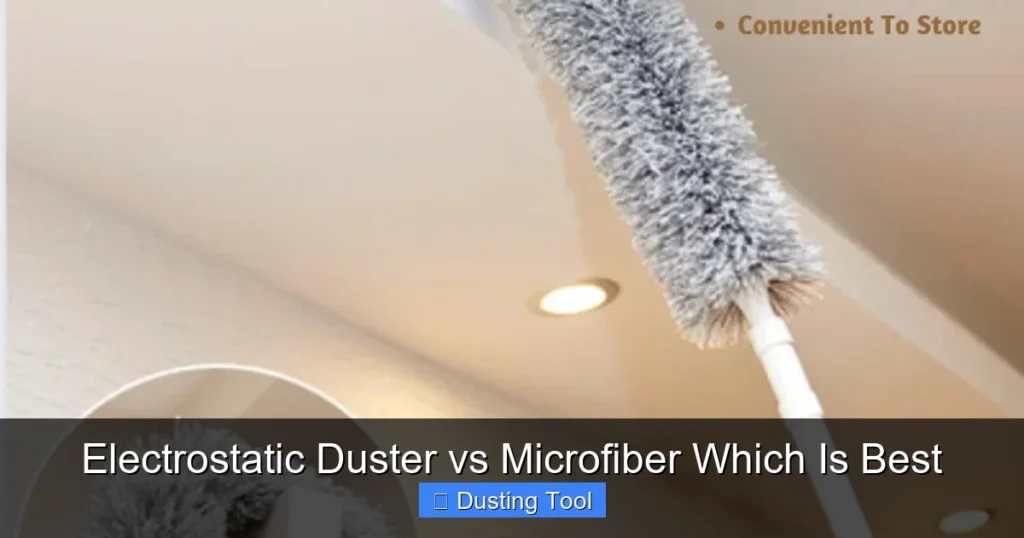
Electrostatic dusters use static charge to attract dust, making them ideal for hard-to-reach areas and delicate items. Microfiber cloths rely on fine fibers to trap dust and are reusable, eco-friendly, and versatile for various surfaces. This guide will help you decide which tool suits your cleaning style and needs.
Key Takeaways
- Static vs. Trapping: Electrostatic dusters attract dust with static electricity, while microfiber cloths trap dust in their fibers.
- Reach and Delicacy: Electrostatic dusters excel in hard-to-reach places and on fragile items, but microfiber cloths offer better control on flat surfaces.
- Cost-Effectiveness: Microfiber cloths are reusable and cost-effective long-term, whereas electrostatic dusters are often disposable or require refills.
- Environmental Impact: Microfiber is more eco-friendly due to reusability, but electrostatic dusters may generate more waste.
- Versatility: Microfiber cloths can be used dry, damp, or with cleaners, making them suitable for multiple cleaning tasks beyond dusting.
- Maintenance: Microfiber needs proper washing to maintain effectiveness, while electrostatic dusters are low-maintenance but less durable.
- Allergy Considerations: Both tools can help reduce allergens, but microfiber cloths with dampness can trap dust more effectively without dispersing it.
Introduction: The Dusting Dilemma
Dusting is a chore we all face. But with so many tools available, how do you choose? In this guide, we dive deep into two popular options: electrostatic dusters and microfiber cloths. You will learn how each works, their pros and cons, and how to pick the right one for your home. By the end, you’ll be equipped to make an informed decision and achieve a dust-free space with ease.
What is an Electrostatic Duster?
An electrostatic duster is a cleaning tool designed to attract dust using static electricity. It typically has a handle and a head made from materials that generate a static charge when moved through the air.
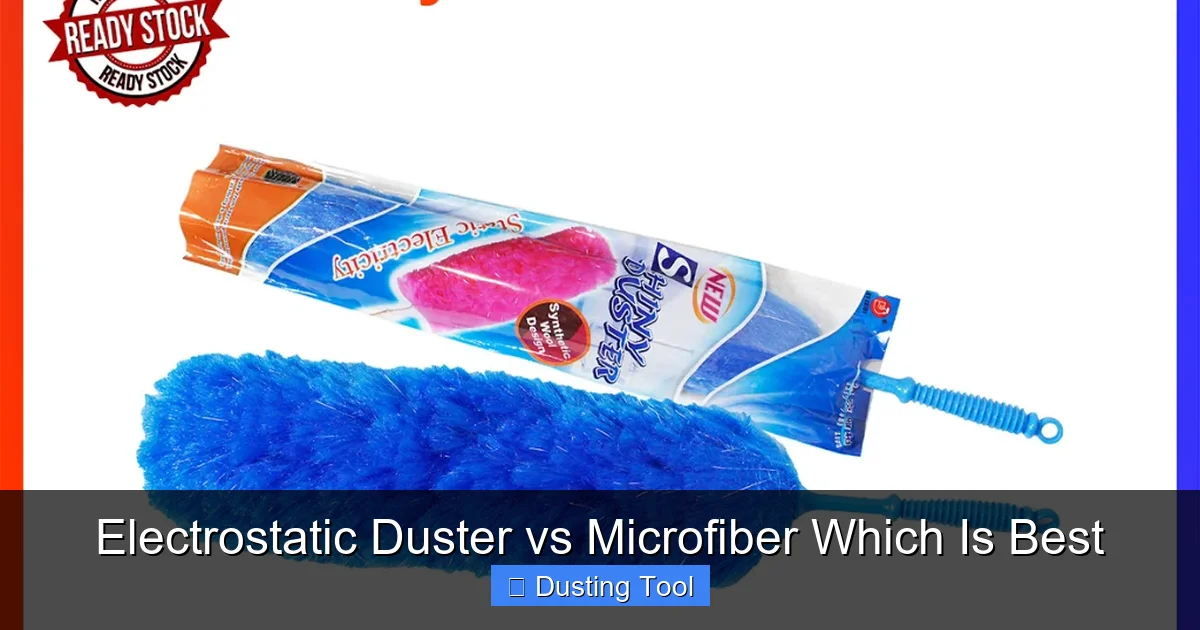
Visual guide about Electrostatic Duster vs Microfiber Which Is Best
Image source: down-my.img.susercontent.com
How Does an Electrostatic Duster Work?
When you wave an electrostatic duster, friction creates a static charge on its fibers. This charge attracts dust particles like a magnet. Dust clings to the duster, allowing you to remove it from surfaces without scattering.
Pros and Cons of Electrostatic Dusters
Pros:
- Great for hard-to-reach areas like ceiling fans, blinds, and electronics.
- Gentle on delicate items such as figurines or keyboard keys.
- Disposable heads mean no cleaning required.
- Quick and easy to use for light dusting.
Cons:
- Often disposable, leading to more waste.
- May lose effectiveness over time or in humid conditions.
- Can be less effective on heavily soiled surfaces.
- Cost adds up with frequent replacements.
What is a Microfiber Cloth?
A microfiber cloth is made from ultra-fine synthetic fibers, usually polyester and polyamide. These fibers are split to create a large surface area that traps dust, dirt, and moisture.
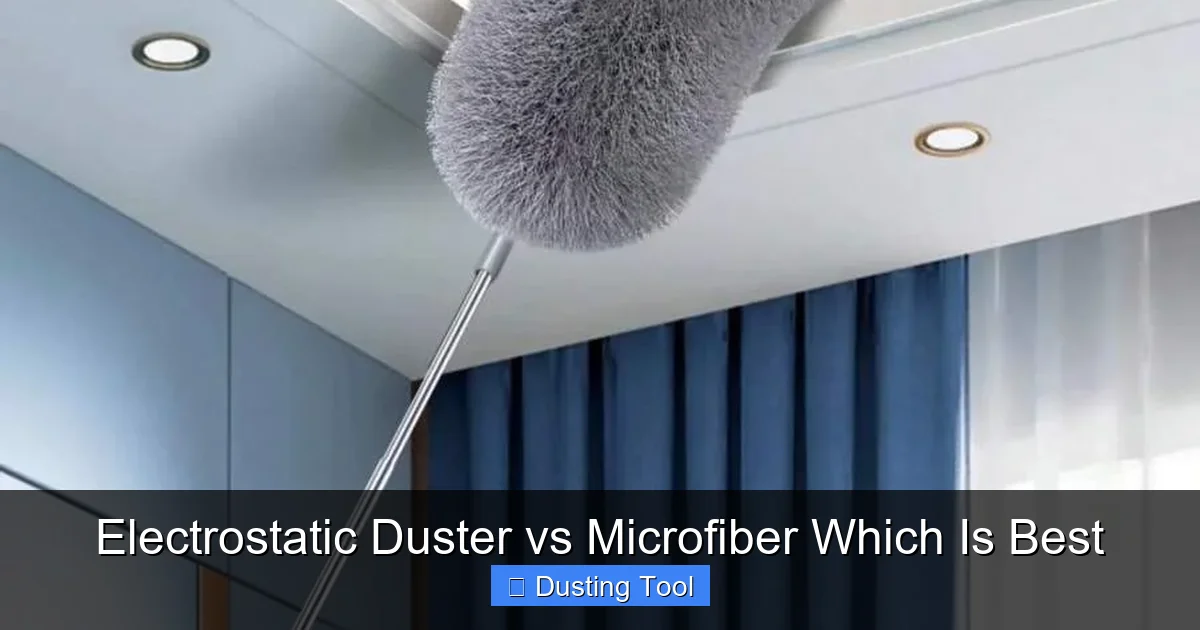
Visual guide about Electrostatic Duster vs Microfiber Which Is Best
Image source: img.ltwebstatic.com
How Does a Microfiber Cloth Work?
Microfiber cloths work through two main mechanisms: absorption and trapping. The tiny fibers grab onto dust particles and hold them. When used damp, they can also attract dust electrostatically and wipe away grime.
Pros and Cons of Microfiber Cloths
Pros:
- Reusable and durable, lasting hundreds of washes.
- Versatile: can be used dry, damp, or with cleaning solutions.
- Effective on a wide range of surfaces, from glass to wood.
- Eco-friendly due to reusability and reduced waste.
Cons:
- Requires regular washing to maintain effectiveness.
- Can leave lint if low-quality or improperly washed.
- May not reach tight spaces as easily as specialized tools.
- Initial purchase of multiple cloths can be higher.
Direct Comparison: Electrostatic Duster vs Microfiber
Now, let’s put them head-to-head. We’ll compare key factors to see which tool comes out on top for different needs.
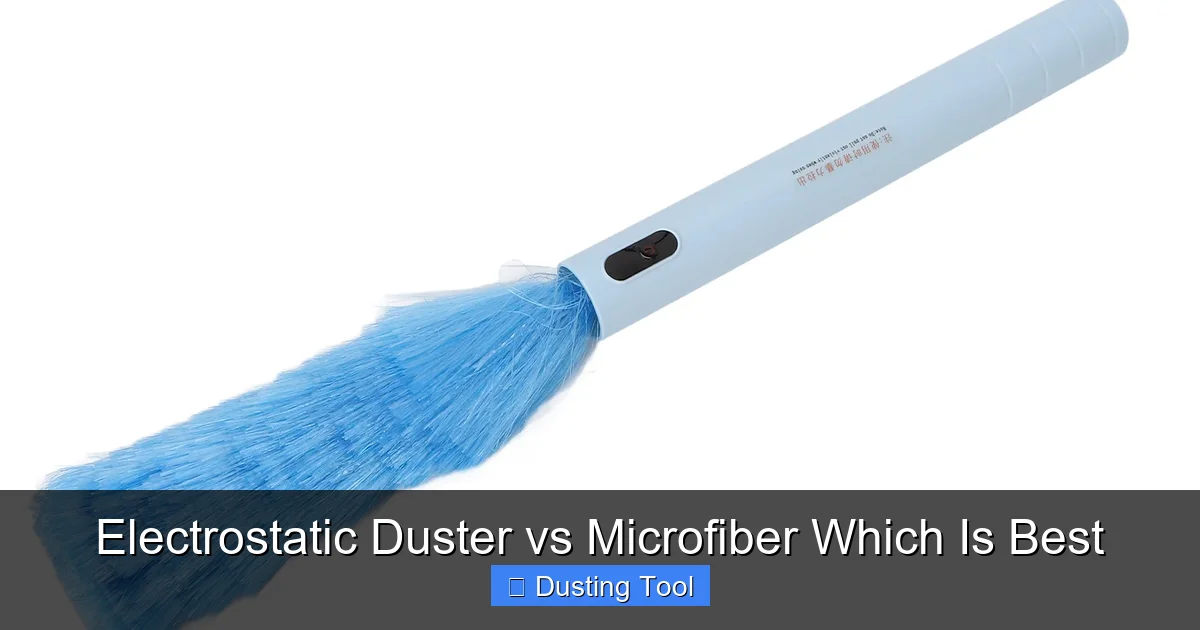
Visual guide about Electrostatic Duster vs Microfiber Which Is Best
Image source: i5.walmartimages.com
Effectiveness on Different Surfaces
Electrostatic dusters are superb for electronics, blinds, and delicate ornaments. They lift dust without pressure. Microfiber cloths shine on flat surfaces like tables, counters, and windows. They can scrub gently and remove stuck-on dust.
Cost Analysis
Electrostatic dusters often come with disposable refills. A pack of refills might cost $5-$10, and you’ll need them regularly. Microfiber cloths have a higher upfront cost—a set of good cloths can be $10-$20—but they last for years with proper care. Over time, microfiber is more cost-effective.
Ease of Use and Convenience
Electrostatic dusters are plug-and-play: grab, dust, and throw away. No cleanup. Microfiber cloths require washing, which adds a step. However, microfiber cloths are always ready if you keep a stash clean.
Environmental Impact
Microfiber cloths are greener. They reduce waste from disposable products. But note, microfiber shedding can pollute waterways. Electrostatic dusters contribute to landfill waste unless you find recyclable options.
How to Choose the Right Tool for You
Your choice depends on your specific situation. Here’s how to decide.
Assess Your Cleaning Needs
Do you dust daily or weekly? For quick touch-ups, electrostatic dusters are handy. For deep cleaning, microfiber cloths are better. Consider your home: lots of knick-knacks? Go electrostatic. Large flat surfaces? Microfiber wins.
Consider Your Budget
If you prefer low upfront cost and don’t mind ongoing expenses, electrostatic dusters might suit you. If you want to invest once and save long-term, choose microfiber.
Think About Sustainability
If being eco-friendly is important, microfiber cloths are the way to go. Look for high-quality, long-lasting cloths and wash them responsibly.
Step-by-Step Guide to Using an Electrostatic Duster
Follow these steps for best results with an electrostatic duster.
Preparation
Ensure the duster is fresh and charged. Remove it from packaging and fluff it up to activate the static charge. Work in a well-ventilated area.
Dusting Technique
Hold the duster by the handle and gently sweep over surfaces. Use slow, deliberate strokes to allow dust to cling. For crevices, twist the duster to fit. Avoid pressing too hard—let the static do the work.
Disposal and Maintenance
After use, discard the duster head if disposable. For reusable types, shake out dust outside and store in a dry place. Replace when it loses its charge.
Step-by-Step Guide to Using a Microfiber Cloth
Here’s how to get the most out of your microfiber cloth.
Preparation (Dry vs. Damp)
For dry dusting, use a clean, dry cloth. For better dust trapping, slightly dampen the cloth with water. Avoid harsh chemicals unless needed.
Dusting Technique
Fold the cloth into quarters to use multiple sides. Wipe surfaces in one direction to collect dust. Shake out the cloth periodically to release trapped dust. For stubborn dust, use a gentle circular motion.
Cleaning and Care
Wash microfiber cloths separately in warm water with mild detergent. Avoid fabric softeners—they coat fibers and reduce effectiveness. Air dry or tumble dry on low heat.
Troubleshooting Common Issues
Even the best tools can have problems. Here’s how to fix them.
Electrostatic Duster Losing Charge
If your duster isn’t picking up dust, it might be old or exposed to humidity. Store it in a dry place and replace the head regularly. For reusable ones, wash according to instructions to restore charge.
Microfiber Cloth Leaving Lint
Linting often means low-quality cloth or residue from detergent. Use high-quality microfiber and wash without softeners. Rinse thoroughly to remove all soap.
Allergies and Dust Dispersion
To prevent dust from flying around, use a damp microfiber cloth or an electrostatic duster with a gentle touch. Consider wearing a mask if you have severe allergies.
Conclusion: Which Is Best?
So, electrostatic duster vs microfiber: which is best? The answer depends on you. For quick, convenient dusting in tight spaces, electrostatic dusters are excellent. For versatile, eco-friendly cleaning on most surfaces, microfiber cloths are superior. Many people find that using both tools in tandem gives the best results. Keep an electrostatic duster for electronics and blinds, and use microfiber cloths for daily wiping. With this guide, you’re now ready to choose the right dusting tool for a cleaner, healthier home.
🎥 Related Video: Are Electrostatic Dusters Better Than Microfiber?
📺 Homekeeping Handbook
Tired of dust bunnies lurking in every corner? We’re tackling the ultimate dusting dilemma: electrostatic vs. microfiber. Get ready to …