

Wet microfiber cloths absorb significantly more liquid but can leave streaks or residue if over-saturated. Improper drying causes stiffness, odors, and reduced effectiveness. This guide reveals the science, best practices for wet use, and crucial care steps to keep your cloths performing like new.
Key Takeaways
- Absorption Boost: Water activates microfiber’s capillary action, making it absorb 7x its weight – but too much water overwhelms fibers and causes streaking.
- Residue Risk: Wet microfiber can redeposit dirt or cleaning solution if not rinsed properly, leaving hazy streaks on surfaces like glass or screens.
- Drying is Critical: Air-drying flat or hanging is essential; heat from dryers destroys fibers, causing stiffness and reduced absorbency.
- Never Use Fabric Softener: Softeners coat fibers, blocking absorption and creating a slimy feel that ruins cleaning performance.
- Wet vs. Damp Matters: For streak-free results, wring cloths thoroughly – a damp cloth cleans effectively without the downsides of a soaking-wet one.
- Storage Smarts: Store completely dry microfiber in breathable containers; damp storage breeds mold and permanent odors.
- Performance Shift: Wet microfiber excels at heavy spills but struggles with fine dust; dry microfiber is better for polishing and dusting.
What Happens If Microfiber Gets Wet? The Surprising Truth
You grab your trusty microfiber cloth to tackle a spill, wipe down your phone screen, or clean your glasses. But what happens when that cloth gets wet? Most people assume it just gets… wet. The reality is far more interesting – and impactful on your cleaning results. Microfiber cloths are engineered wonders, but water interacts with them in unique ways that can make or break your cleaning session. In this guide, you’ll discover the surprising science behind wet microfiber, learn exactly what changes when it absorbs water, and get step-by-step instructions to use it effectively without ruining your cloths. Whether you’re a cleaning newbie or a seasoned pro, understanding these effects ensures your microfiber stays powerful, streak-free, and long-lasting.
The Science: Why Wet Microfiber is Different (It’s Not Just a Sponge!)
Forget everything you think you know about regular cotton rags. Microfiber cloths are made from ultra-fine synthetic fibers (usually polyester and polyamide), split into microscopic filaments. This creates a massive surface area and countless tiny channels. When dry, these channels are great for trapping dust and oils. But add water? That’s where the magic – and the potential pitfalls – begin.
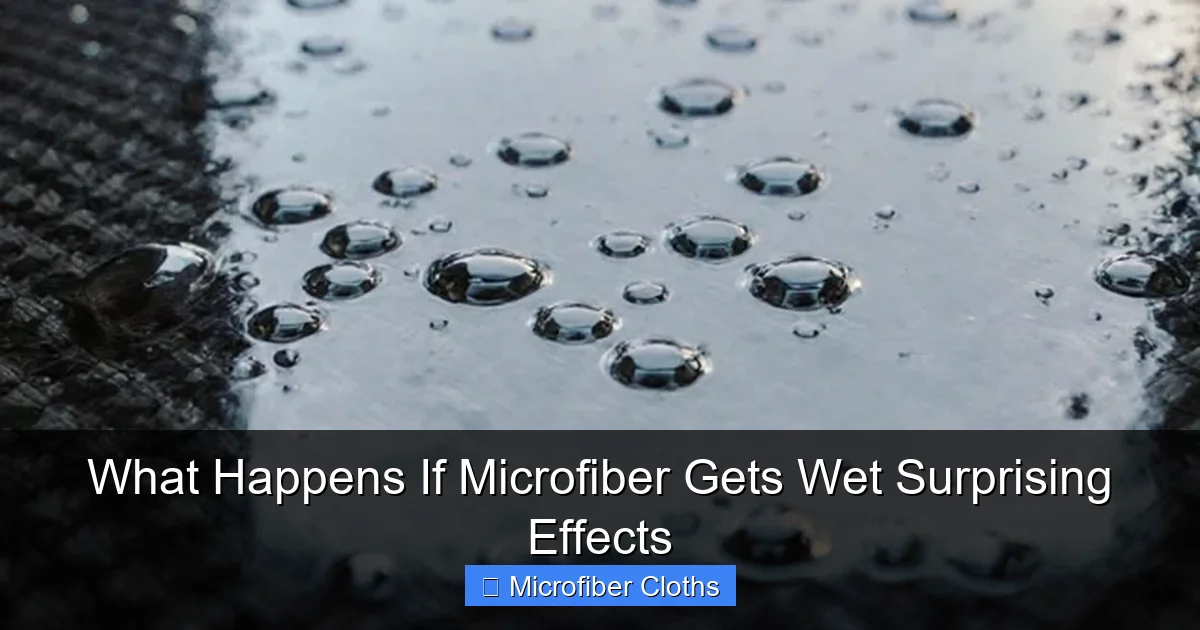
Visual guide about What Happens If Microfiber Gets Wet Surprising Effects
Image source: carwrappingnottingham.co.uk
Capillary Action: The Absorption Superpower
Water triggers capillary action within the microfiber’s structure. Think of it like thousands of microscopic straws sucking up liquid. This is why a small microfiber cloth can soak up a surprisingly large spill – it can absorb up to 7 times its own weight in water! This is fantastic for mopping up messes, but it also means the cloth holds onto that water (and anything dissolved in it) very tightly.
The Residue Trap: When Water Becomes a Problem
Here’s the surprise: while wet microfiber absorbs brilliantly, it can also redeposit dirt and cleaning solutions if not managed correctly. As the water evaporates from the surface you’re cleaning, any dissolved grime or leftover cleaning product gets left behind on the microfiber fibers. If you keep wiping with the same damp section, you’re essentially spreading that residue around, creating streaks, haziness, or even a filmy feel – especially on glass, screens, or polished surfaces. This is the #1 reason wet microfiber gets a bad rap for streaking.
What Actually Happens Step-by-Step When Microfiber Gets Wet
Understanding the sequence helps you control the outcome. Here’s the breakdown:

Visual guide about What Happens If Microfiber Gets Wet Surprising Effects
Image source: vessi.com
Step 1: Initial Contact – The Absorption Rush
When water first hits the dry microfiber, it’s rapidly drawn into the fiber channels via capillary action. The cloth feels heavy and looks darker almost instantly. This is the absorption phase – highly effective for soaking up spills.
Step 2: Saturation Point – The Tipping Point
Microfiber has a limit. Once the internal channels are full, excess water pools on the surface of the cloth. This is the critical point. A cloth that’s merely damp (channels full, minimal surface water) cleans well. A cloth that’s saturated (channels full + lots of surface water) becomes problematic. The surface water dilutes cleaning solutions and carries loosened dirt back onto the surface you’re trying to clean.
Step 3: The Cleaning Process – Residue Risk Emerges
As you wipe a wet (especially saturated) microfiber across a surface:
- Loose dirt gets trapped in the fibers (good!).
- Dissolved grime or cleaning solution gets carried along with the water.
- As water evaporates from the surface, the dissolved contaminants are left behind on the surface (bad! – causes streaks/haze).
- If the cloth section is dirty, you spread that dirt (bad! – causes streaks).
This is why a damp microfiber cloth, wrung out thoroughly, is far superior for streak-free cleaning than a soaking-wet one.
Step 4: Drying – Where Most Cloths Get Ruined
After use, the drying process is crucial. Microfiber dries relatively quickly due to its structure, but how you dry it determines its future performance:
- Air Drying (Correct): Fibers relax and return to their optimal shape, maintaining absorbency and softness.
- Heat Drying (Incorrect – Dryers/Iron): High heat melts or fuses the delicate split fibers. This permanently reduces capillary action, making the cloth stiff, less absorbent, and prone to leaving lint. It also sets in any detergent residue.
- Damp Storage (Incorrect): Creates a breeding ground for mold and mildew, leading to permanent odors and fiber degradation.
How to Use Wet Microfiber Cloths Effectively: A Step-by-Step Guide
Wet microfiber is incredibly useful – you just need to harness its power correctly. Follow these steps for best results:

Visual guide about What Happens If Microfiber Gets Wet Surprising Effects
Image source: vessi.com
Step 1: Choose the Right Cloth for the Job
- Heavy Spills/Mopping: Use a thicker, more absorbent microfiber cloth (often labeled “wet mopping” or “heavy duty”). These handle saturation better.
- Glass, Screens, Polished Surfaces: Use a lint-free, ultra-soft microfiber cloth specifically designed for these tasks. Thinner cloths often work best here.
- Avoid: Using the same cloth for greasy kitchen cleanup and then immediately for your eyeglasses!
Step 2: Wet & Wring Properly (The Golden Rule)
- Wet Thoroughly: Hold the cloth under running water or submerge it completely.
- Wring Aggressively: This is non-negotiable. Squeeze with both hands, twisting as you go, until the cloth is only damp – not dripping. You should be able to press it against your hand and feel moisture, but no water should stream out. For glass/screens, wring until it’s almost dry to the touch.
- Test on a Small Area (Optional but Recommended): Especially for delicate surfaces, test your damp cloth on an inconspicuous spot first.
Step 3: Clean Using the Right Technique
- Work in Sections: Fold the cloth into quarters. Use one clean section at a time. When it gets dirty or saturated, unfold to a fresh section. This prevents spreading grime.
- Use Light Pressure: Let the microfiber do the work. Pressing too hard can force water and dirt deeper into surfaces or spread residue.
- Wipe in One Direction (For Glass/Screens): Avoid circular motions which can leave swirl marks. Wipe straight lines, then flip the cloth to a dry section for a final buff.
- Rinse Frequently for Heavy Cleaning: If cleaning a large, dirty area (like a greasy stovetop), rinse the cloth thoroughly in clean water and wring well again after every few wipes to prevent redepositing grease.
Step 4: Rinse the Cloth After Use (If Used with Cleaner)
If you used a cleaning solution (even just water with a drop of dish soap), rinse the microfiber cloth thoroughly under clean running water after cleaning. This removes dissolved dirt and cleaning agents that could otherwise bake onto the fibers during drying, causing stiffness and reduced performance next time. Swish it vigorously in the sink.
Essential Drying & Care: Protecting Your Investment
Proper drying isn’t just about convenience; it’s about preserving the cloth’s unique properties.
The ONLY Safe Drying Method: Air Dry
- Hang or Lay Flat: Hang the rinsed cloth on a hook, drying rack, or lay it flat on a clean towel. Ensure good airflow.
- Avoid Direct Sunlight (Long Term): While sunlight helps kill bacteria, prolonged intense UV can degrade synthetic fibers over many years. Indirect light is fine.
- Never Use a Dryer: The high heat is the #1 killer of microfiber performance. It melts fibers, causing permanent stiffness and loss of absorbency. If you must use heat, a *very* low, *no heat* setting for a *short* time is the absolute last resort, but air drying is always superior.
- Never Iron: Same reason as the dryer – heat destroys the split fibers.
Washing Microfiber Cloths Correctly
Even with careful use, microfiber needs washing. Do it right:
- Wash Alone or with Similar Items: Avoid washing with lint-producing fabrics (like cotton towels) or zippers/hooks that can snag fibers.
- Use Mild Detergent: Skip the bleach and, crucially, NEVER use fabric softener. Softener coats the fibers, blocking absorption and creating a slimy feel. Use a small amount of liquid detergent.
- Cold or Warm Water: Hot water can damage fibers over time. Cold is gentlest.
- Gentle Cycle: Minimizes stress on the fibers.
- Air Dry After Washing: This is mandatory. See drying instructions above.
Troubleshooting Common Wet Microfiber Problems
Even with care, issues can pop up. Here’s how to fix them:
Problem: Cloth Leaves Streaks or Haze on Glass/Screens
- Cause: Cloth was too wet, used a dirty section, or didn’t rinse cleaning solution residue.
- Solution: Wring cloth *thoroughly* until only damp. Use a clean section for the final wipe/buff. Rinse cloth well after using any cleaner. For existing streaks, wipe the surface with a *dry* microfiber cloth.
Problem: Cloth Feels Stiff, Scratchy, or Less Absorbent
- Cause: Dried with heat (dryer/iron), used fabric softener, or built up detergent residue.
- Solution: Unfortunately, heat damage is permanent. For residue, try washing the cloth *again* with a small amount of white vinegar (1/4 cup) in the rinse cycle to break down buildup, then air dry. Prevent future issues by always air drying and avoiding softeners.
Problem: Cloth Has a Musty Smell
- Cause: Stored damp, leading to mold/mildew growth.
- Solution: Wash immediately with hot water (if cloth allows) and a disinfecting laundry additive (like oxygen bleach, *not* chlorine bleach). Add 1/2 cup white vinegar to the wash cycle. Dry *completely* in sunlight if possible. Prevention is key: **always ensure cloths are 100% dry before storing**.
Problem: Cloth Lints or Leaves Fibers Behind
- Cause: Low-quality cloth, damaged fibers (from heat/softener), or using on very rough surfaces.
- Solution: Invest in higher-quality microfiber (look for higher GSM weight). Avoid heat and softeners. For delicate surfaces, use a cloth specifically labeled “lint-free”. If linting persists, the cloth may be worn out.
Conclusion: Master the Moisture for Microfiber Mastery
So, what happens if microfiber gets wet? It transforms from a dry dust-trapping hero into a powerful liquid-absorbing tool – but with a catch. Water unlocks incredible absorbency through capillary action, making it perfect for spills. However, if it’s too wet, it risks spreading residue and leaving streaks. The real surprise isn’t just the absorption; it’s how critically the drying process impacts the cloth’s future life and performance. Heat and improper care silently destroy the very properties that make microfiber amazing.
The good news? Mastering wet microfiber is simple: wring it thoroughly to damp (not wet), use clean sections, rinse after cleaners, and always air dry. Avoid fabric softener like the plague. By understanding these surprising effects and following these steps, you’ll unlock the full potential of your microfiber cloths. They’ll clean more effectively, last significantly longer, and keep your surfaces streak-free and sparkling. Stop fearing the water – harness it correctly, and your microfiber will reward you with countless flawless cleanings.
🎥 Related Video: 💧 WHAT HAPPENS WHEN YOU PUT A MICROFIBRE SCRUNCHIE IN WATER? 🤯 #Shorts
📺 One Seven UK 🇬🇧
What will happen when we put a microfibre scrunchie into a glass of water? The result might surprise you! This little experiment …