

Microfiber cloths outperform cotton in nearly every cleaning scenario. They absorb more liquid, leave zero lint, last longer, and are kinder to the planet. Switching to microfiber means cleaner surfaces, less waste, and real savings over time.
Key Takeaways
- Superior Absorbency: Microfiber’s split fibers hold 7x their weight in liquid, drying surfaces faster than cotton.
- Lint-Free Cleaning: Unlike cotton, microfiber won’t shed fibers, leaving glasses, screens, and cars streak-free.
- Unmatched Durability: Microfiber resists tearing and maintains effectiveness through 500+ washes, outlasting cotton cloths.
- Eco-Friendly Choice: Microfiber uses less water, energy, and detergent per clean, reducing your environmental footprint.
- Versatile Performance: Works brilliantly on glass, electronics, skin, cars, and floors without scratching or residue.
- Cost-Effective Long-Term: Higher initial cost is offset by years of reliable use, saving money vs. replacing cotton rags.
Why Microfiber Is Better Than Cotton: Your Complete Switching Guide
Tired of streaky windows, damp surfaces that stay wet, and cloths that fall apart after a few washes? You’re not alone. For decades, cotton rags were the go-to cleaning tool. But times have changed. Microfiber is the clear winner for modern cleaning, offering science-backed advantages cotton simply can’t match. This guide cuts through the hype. You’ll learn exactly why microfiber outperforms cotton in absorbency, durability, eco-impact, and results. More importantly, you’ll get practical steps to make the switch seamlessly. Say goodbye to frustration and hello to truly clean surfaces.
Understanding the Microfiber Advantage: It’s All in the Fiber
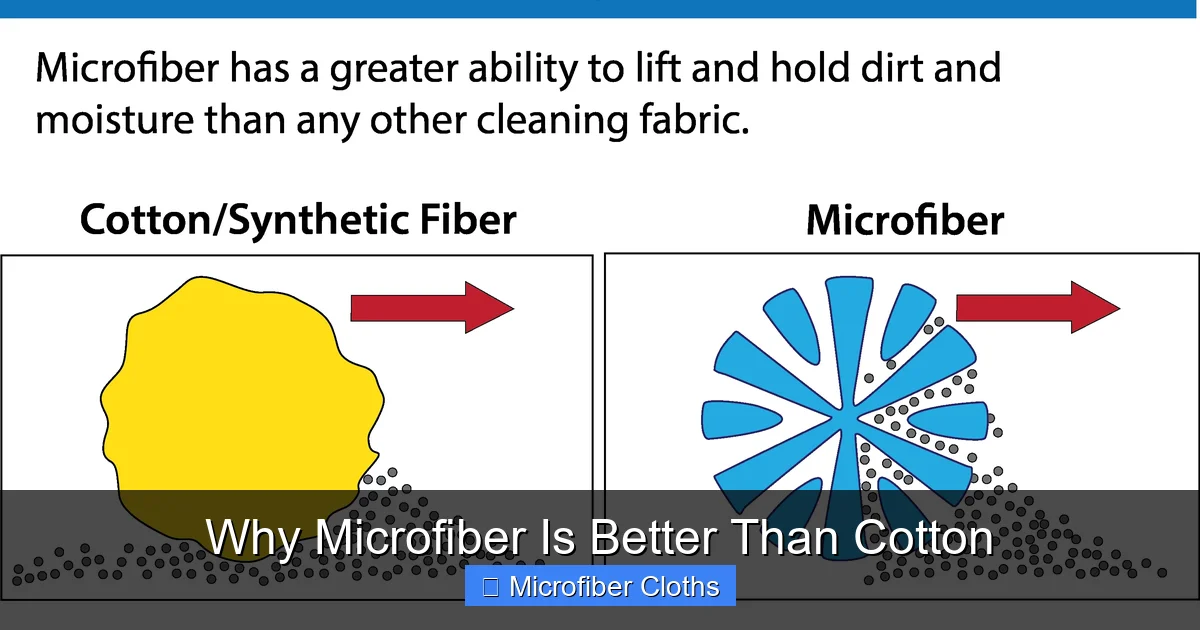
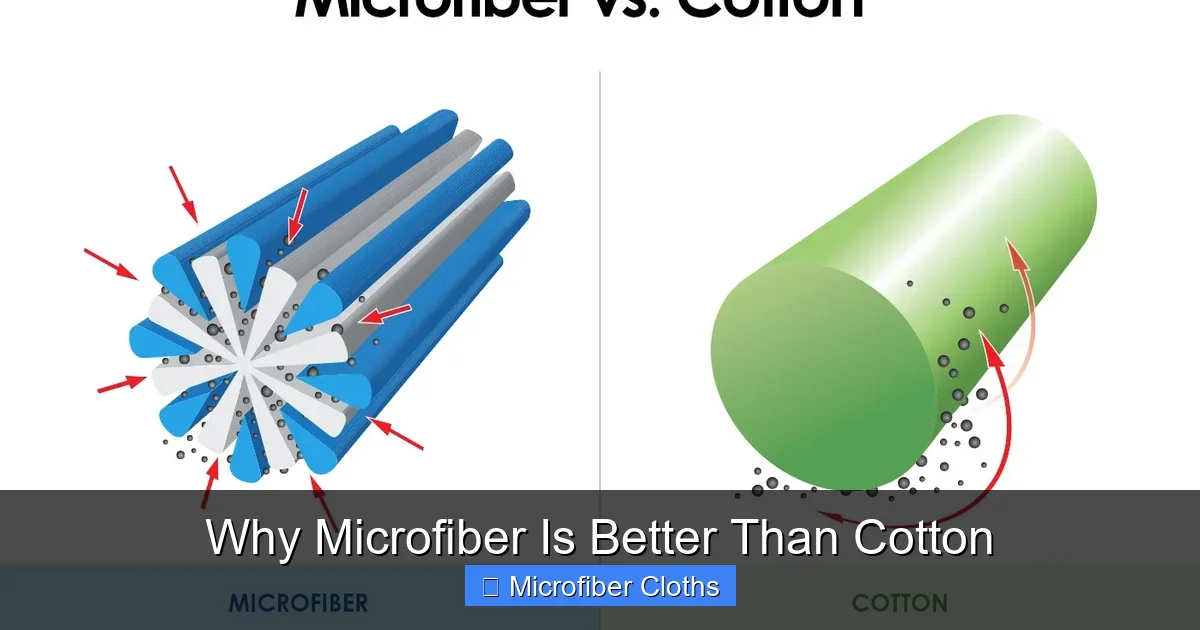
Before diving into comparisons, let’s demystify microfiber. It’s not magic – it’s clever engineering. Microfiber is made from ultra-fine synthetic fibers, usually a blend of polyester and polyamide (nylon). The key innovation? These fibers are split during manufacturing. Imagine a single fiber splitting into 16 or more microscopic filaments. This creates:
Visual guide about Why Microfiber Is Better Than Cotton
Image source: blog.tornadovac.com
- Massive Surface Area: Split fibers create countless tiny hooks and channels.
- Capillary Action Power: Those channels actively pull liquid into the cloth, not just sit on top.
- Gentle Grip: The microscopic hooks lift dirt and oils without scratching.
Cotton, in contrast, is a natural fiber with a smooth surface. It relies on absorption through its core, which is much slower and less efficient. Think of cotton like a sponge – it soaks up water but holds it loosely. Microfiber is like a high-tech vacuum, actively capturing and holding liquid and grime. This fundamental difference is why microfiber is better than cotton for virtually all cleaning tasks.
Step 1: Experience Unbeatable Absorbency & Drying Power
This is where microfiber leaves cotton in the dust. Microfiber’s split-fiber structure gives it incredible capillary action.
How It Works:
- When microfiber touches liquid, the microscopic channels instantly draw it inside the fiber structure.
- It can absorb up to 7 times its weight in water – far exceeding cotton’s capacity (typically 3-4 times).
- Liquid is trapped securely within the fibers, not just sitting on the surface.
Why This Beats Cotton:
- No More Damp Surfaces: Microfiber dries glass, countertops, and cars almost instantly. Cotton leaves surfaces wet, requiring a second pass and often causing streaks as the water evaporates unevenly.
- Less Effort, Better Results: One pass with microfiber often does the job. Cotton frequently needs multiple wipes, pushing dirt around instead of lifting it.
- Real-World Example: Spill coffee on your counter? A microfiber cloth absorbs it completely in one swipe. A cotton rag leaves a damp patch and might smear the coffee.
Step 2: Eliminate Lint and Streaks Forever
Remember trying to clean your phone screen only to find tiny white fibers stuck to it? That’s cotton lint. It’s a constant frustration.
How Microfiber Solves This:
- The tightly woven, split fibers of microfiber are too fine and securely bonded to shed.
- Unlike cotton’s loose, fibrous structure, microfiber doesn’t disintegrate during use or washing.
Why This Beats Cotton:
- Perfect for Sensitive Surfaces: Clean eyeglasses, camera lenses, phone screens, and TVs without leaving a single fiber or streak. Cotton almost always leaves lint behind.
- Professional Finish: Achieve showroom-quality shine on cars and streak-free clarity on windows. Cotton rags often leave a hazy residue.
- No More “Second Wipe” Syndrome: Stop wasting time and cloths trying to remove the lint cotton leaves behind.
Step 3: Enjoy Long-Lasting Durability (It Really Lasts!)
How many cotton rags have you thrown away because they were threadbare, smelly, or full of holes? Microfiber changes the game.
How Microfiber Lasts Longer:
- Synthetic fibers are inherently stronger and more resilient than natural cotton fibers.
- High-quality microfiber cloths maintain their structure and cleaning power through 500+ washes.
- They resist tearing, fraying, and developing that unpleasant “rag smell” cotton often gets when damp.
Why This Beats Cotton:
- Cost Savings Over Time: While a single microfiber cloth might cost $2-$5, it replaces dozens of cotton rags. Calculate the cost per use – microfiber wins easily.
- Consistent Performance: Microfiber stays effective wash after wash. Cotton rags lose absorbency and become less effective as they wear.
- Real-World Example: A good microfiber cloth used for car detailing or kitchen cleaning will still perform like new after 2 years. A cotton rag might be unusable after 6 months.
Step 4: Make an Eco-Friendly Cleaning Choice
Choosing microfiber isn’t just good for your surfaces; it’s better for the planet. Here’s how:
How Microfiber Reduces Environmental Impact:
- Less Water Usage: Because microfiber absorbs more liquid, you often use less water during cleaning tasks (e.g., mopping, wiping spills).
- Less Detergent Needed: Microfiber’s mechanical cleaning action (the hooks lifting dirt) often means you need less soap or cleaner, reducing chemical runoff.
- Longer Lifespan: Fewer cloths manufactured and discarded means less textile waste in landfills compared to constantly replacing cotton rags.
- Energy Efficiency: Washing microfiber cloths (which dry very quickly) typically uses less energy than washing bulky cotton towels or rags.
Why This Beats Cotton:
- Beyond “Natural” = Better: While cotton is natural, conventional cotton farming is incredibly water and pesticide-intensive. Microfiber’s longevity offsets its synthetic origin.
- Reduced Chemical Load: Using less detergent protects waterways. Microfiber helps you clean effectively with minimal chemicals.
- Waste Reduction: One microfiber cloth replaces hundreds of paper towels or dozens of cotton rags, significantly cutting down on disposal.
Step 5: Master Microfiber Usage for Best Results
Switching to microfiber is easy, but a few tips ensure you get the maximum benefit:
Choosing the Right Microfiber:
- Weight Matters: Look for cloths measured in GSM (grams per square meter). 300-400 GSM is ideal for general cleaning. 500+ GSM is great for cars or drying. Avoid very thin, cheap cloths (<200 GSM).
- Weave Type: “Waffle” weave is excellent for absorbing large spills. “Suede” or “Smooth” weave is best for glass, screens, and polishing.
- Color Coding: Use different colors for different tasks (e.g., blue for glass, green for kitchen, red for bathroom) to prevent cross-contamination.
Using Microfiber Correctly:
- Dry First, Then Damp: For most surfaces (glass, counters), use the cloth dry first to lift dust and loose dirt. Then, if needed, lightly dampen it for final cleaning. Avoid soaking it.
- Fold & Flip: Microfiber cloths have multiple clean surfaces. Fold into quarters and use a fresh side as one gets dirty.
- Gentle Pressure: Let the microfiber do the work. Excessive pressure can smear dirt or, rarely, damage very delicate surfaces (test first!).
Washing & Caring for Microfiber:
- Wash Separately: Wash microfiber cloths alone or with other microfiber. Avoid washing with cotton, towels, or clothing – cotton lint will transfer and ruin them.
- No Fabric Softener: Fabric softener coats the fibers, destroying their absorbency and cleaning power. Use only mild detergent.
- Low Heat Drying: Tumble dry on low or air dry. High heat can melt the fine fibers. Avoid dryer sheets.
- Skip the Bleach: Bleach degrades the fibers over time. Use oxygen-based bleach if absolutely necessary for stains, but regular detergent is usually sufficient.
Troubleshooting Common Microfiber Concerns
Switching can come with questions. Let’s address the most common ones:
Visual guide about Why Microfiber Is Better Than Cotton
Image source: pizunalinens.com
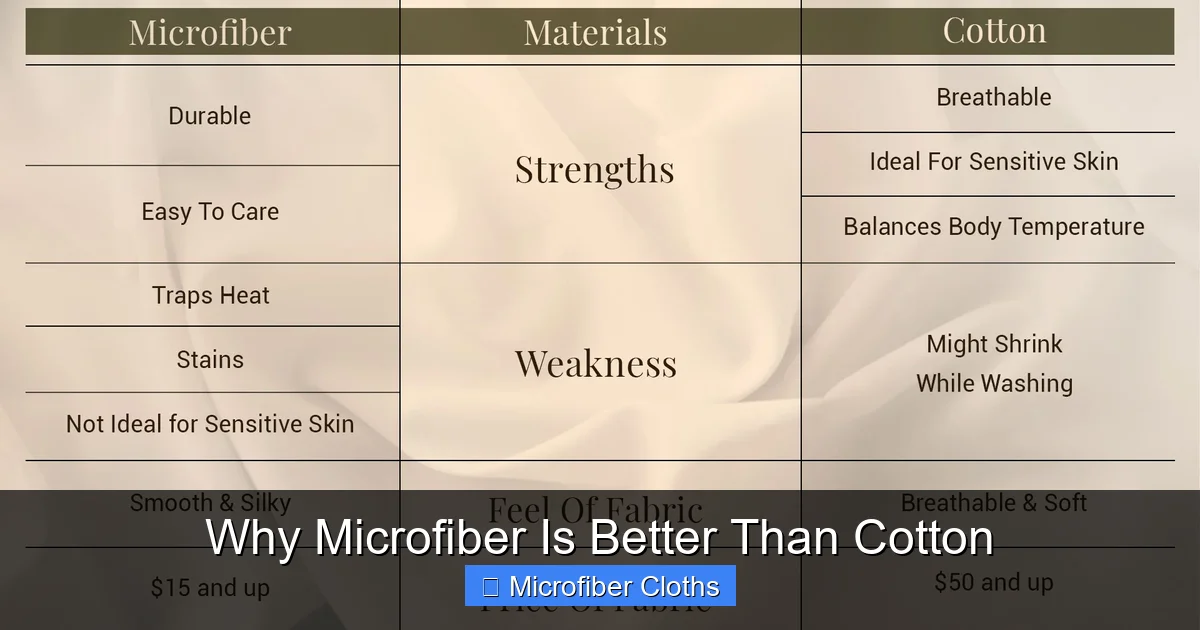
“Is Microfiber Scratchy? Will It Damage My Surfaces?”
High-quality microfiber is specifically engineered to be non-abrasive. The fibers are far finer than a human hair. It’s safe for:
- Glass & Mirrors
- Smartphone & Tablet Screens
- Camera Lenses
- Car Paint & Chrome
- Stainless Steel
- Wood Furniture (test in inconspicuous area first)
Always use a clean, dry or lightly dampened cloth on sensitive surfaces. Avoid using on surfaces with heavy grit that could act like sandpaper.
“Why Is My Microfiber Cloth Not Absorbing Well Anymore?”
This usually means the fibers are coated. Common causes:
- Fabric Softener Residue: This is the #1 culprit. Wash with hot water and a small amount of vinegar (1/4 cup) or dedicated microfiber cleaner to strip the coating. Avoid softener forever.
- Oil/Grease Buildup: Wash with a degreaser or dish soap specifically designed for removing oils.
- Overloading the Washing Machine: Cloths need space to move and clean properly. Wash in small loads.
If a cloth is truly ruined (rare with proper care), it’s time to replace it – but this shouldn’t happen for years.
“Is Microfiber Really More Eco-Friendly Than Cotton?”
Yes, when considering the full lifecycle. While cotton is natural, conventional cotton farming uses vast amounts of water and pesticides. Microfiber’s key eco-advantages are:
- Massively reduced need for replacement (less manufacturing/waste).
- Lower water and detergent usage during cleaning.
- Reduced reliance on paper towels.
Choose microfiber made from recycled materials (like PET bottles) for an even greener option, and always care for them properly to maximize lifespan.
Conclusion: Make the Smart Switch to Microfiber Today
The evidence is clear: microfiber is better than cotton for virtually every cleaning task in your home, car, or workplace. Its superior absorbency dries surfaces instantly, its lint-free nature leaves perfect finishes on sensitive items, its incredible durability saves you money for years, and its efficient cleaning reduces your environmental impact. Cotton rags, while familiar, simply can’t compete on performance, longevity, or results.
Visual guide about Why Microfiber Is Better Than Cotton
Image source: cdnimg.webstaurantstore.com
Making the switch is straightforward. Invest in a few high-quality microfiber cloths (aim for 300+ GSM). Learn the simple care routine – wash separately, skip softener, dry low. Use them dry first, then damp as needed. You’ll immediately notice the difference: cleaner surfaces, less effort, no more lint, and cloths that stay effective wash after wash.
Don’t settle for subpar cleaning. Ditch the cotton rags and experience the microfiber advantage. Your surfaces – and your wallet – will thank you. Start with one task today: clean your glasses or phone screen with microfiber. Feel the difference, see the clarity, and join the millions who have already made the smarter choice.
🎥 Related Video: Microfibre Vs Bamboo Cloth 🎋👑
📺 Peaty’s
Microfibres can do one! Bamboo is the future! ♻ Get the clean you always wished for with Peaty’s Bamboo Cleaning Cloths …