
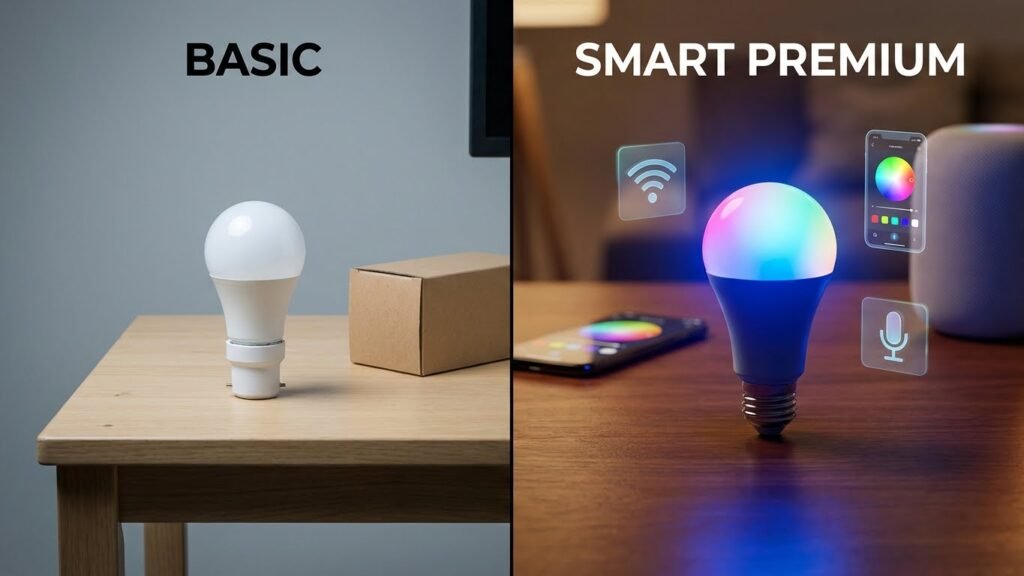
Smart bulbs cost more because they pack extra hardware, wireless chips, software, and brand support into a small package — you pay for features like remote control, color changing, scheduling, and reliable connections. If you want smart lighting that works smoothly and lasts, expect to pay extra for the tech, testing, and ongoing software that make those features possible.
You might be frustrated when a smart bulb costs several times more than a plain LED, but that price reflects design, materials, and the ecosystem it must join. Keep reading to learn which features drive the price, when a cheaper bulb will do, and when paying more actually saves you money over time.
Key Takeaways
- Smart bulbs cost more because of added electronics, software, and testing.
- Higher-priced bulbs often offer better reliability, compatibility, and support.
- Cheaper options can work for simple uses, but long-term value depends on features you need.
Core Reasons for Smart Bulb Pricing

Smart bulbs cost more because they pack extra hardware, software, and sensors into a small package. You pay for chips that handle wireless links, firmware that adds features, and parts that keep colors stable and life long.
Advanced Technology Integration
Smart bulbs use LEDs plus a microcontroller and a wireless radio. The microcontroller runs firmware for dimming, color control, and network stacks like Zigbee, Wi‑Fi, or Matter. These chips add to the bill of materials and require validation and ongoing software updates.
Manufacturers also tune LED drivers and optics so colors stay accurate and brightness is stable. Good color mixing and thermal management need higher‑grade LEDs and design work. All this increases manufacturing time and testing costs you indirectly.
Connected Features and Automation
You buy remote control, scheduled scenes, and voice control along with the bulb. Networking features mean the bulb must implement secure connection methods, handle pairing, and respond to cloud or local commands reliably.
Support for ecosystems (Alexa, Google, HomeKit, Matter) forces extra development and certification fees. If a bulb links to a hub or cloud service, companies spend on servers, maintenance, and compatibility testing — costs passed to you in the retail price.
Sensor and Component Costs
Some bulbs include sensors like motion, ambient light, or temperature. These sensors let bulbs react automatically, but they require extra parts and board space. Integrating sensors also needs calibration and firmware work to avoid false triggers.
Other component costs include better heat sinks, higher‑quality PCBs, and surge protection. These parts improve lifespan and safety but raise unit cost. When you buy a smart bulb, you pay for those added components and the testing that proves they work safely.
Impact of Manufacturing and Materials
Smart bulbs cost more because their parts and the way they are made add complexity and expense. You pay for higher-grade components, extra testing, and supply chains that handle small, specialized parts.
Quality Control and Durability Standards
You expect smart bulbs to last and work with apps, voice assistants, and hubs. That means manufacturers use more tests than for plain LEDs: thermal cycling to check heat tolerance, EMC tests to prevent radio interference, and lifetime tests to confirm lumen maintenance. Those tests take time and equipment, and failing a batch can force rework or scrap.
Producers also pick components rated for longer life: higher-grade drivers, better PCB coatings, and sealed enclosures to guard electronics. These parts cost more than those in simple bulbs. Warranty policies add cost too, since longer or broader warranties raise expected returns and service expenses for the maker.
Production Scale and Supply Chain Factors
Smart bulb production often runs at lower volumes than commodity bulbs. You see fewer factories making smart models, so fixed tooling and setup costs spread over fewer units. That raises unit cost compared with mass-market LED bulbs produced in huge runs.
Supply chains for Wi‑Fi chips, Bluetooth modules, microcontrollers, and RGB LED packages are more complex. Shortages or lead-time spikes for any single component can force price hikes or require alternative parts that need redesign and testing. Shipping small, sensitive electronics also requires protective packaging and sometimes air freight, which increases costs you ultimately pay for.
Research, Development, and Brand Influence
Smart bulb prices reflect technical work, longer testing, and brand choices that affect design, features, and support. Expect costs tied to electronics, software, certification, and marketing.
Continuous Innovation Efforts
You pay for more than light. Engineers design compact PCBs, Wi‑Fi/Bluetooth radios, LED drivers, and thermal paths that fit inside a small bulb. That takes prototyping, component testing, and multiple iteration cycles before a product ships.
Firmware and app development add ongoing costs. Developers build secure pairing, over‑the‑air updates, color calibration, and compatibility with voice assistants. Those features require QA labs, user testing, and sometimes third‑party certifications (FCC, CE).
Manufacturing scale and supply chain complexity matter. Low-volume runs or use of higher‑grade LEDs and sensors raise per‑unit cost. R&D also includes long‑term reliability tests to ensure bulbs last tens of thousands of hours, which delays time to market and adds expense.
Brand Perception and Positioning
Brands set price through reputation, warranty terms, and after‑sales support. You often pay more for a known brand that offers multi‑year warranties, robust customer service, and regular firmware updates.
Marketing and distribution add visible cost. Big brands invest in retail placement, certification logos, and partnerships with smart‑home platforms. Smaller companies may price lower but offer limited support, fewer integrations, or shorter warranties.
Brand also signals feature quality. If you want precise color rendering, consistent app control, and guaranteed platform updates, choose established brands — but expect those assurances to raise the price.
Software and Ecosystem Compatibility
Smart bulbs often charge more because they must work smoothly with apps, voice assistants, and smart-home hubs. Expect costs tied to ongoing software updates, cross-platform support, and the work needed to keep devices compatible as standards change.
Support for Multiple Platforms
You need bulbs that work with your phone, voice assistant, and hub. Manufacturers test and develop apps for iOS and Android, and they add integrations for Alexa, Google Assistant, and Apple HomeKit. Each integration requires coding, testing, and certification fees, which raise the product price.
Matter and other standards aim to simplify this, but not every bulb supports them yet. When a bulb supports many platforms, you get more convenience: remote control, routines, and scenes that link lights with locks, sensors, and thermostats. That broader compatibility often means a higher upfront cost.
Security and Privacy Considerations
You should expect ongoing software support to keep your bulbs secure. Companies must patch firmware, fix vulnerabilities, and maintain encrypted communication. Those security efforts cost money and factor into the bulb’s price.
Privacy features matter too. Some vendors offer local control (no cloud), minimal data collection, or clearer privacy policies. Implementing local APIs or stronger encryption raises development and testing costs. Those investments protect you but also push the retail price up.
Long-Term Value Versus Upfront Cost

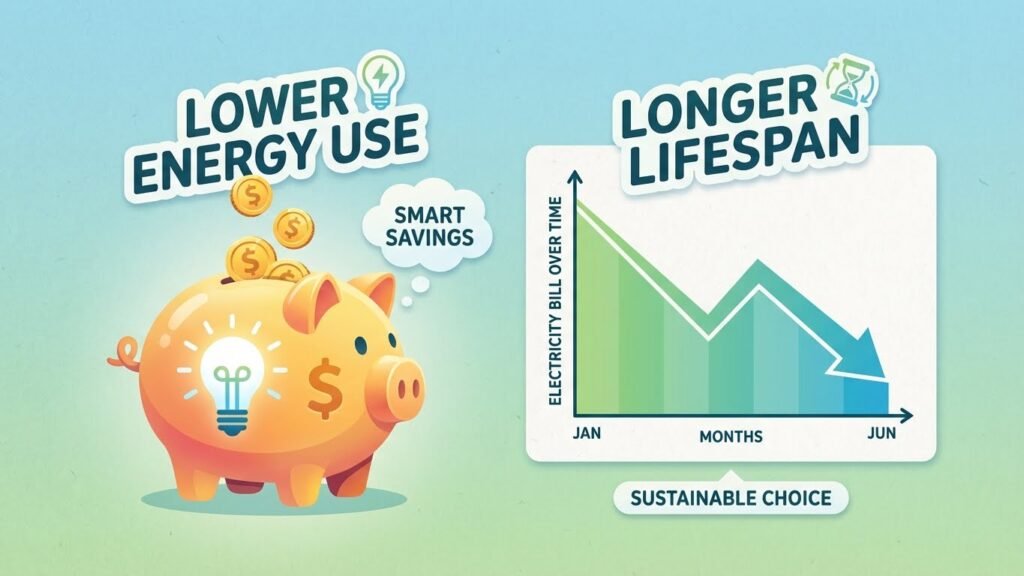
Smart bulbs cost more up front, but they can cut your energy use and need fewer replacements. Think about how much you pay per year for electricity and how often you change bulbs when weighing the price.
Energy Efficiency Benefits
Smart LED bulbs use about 8–12 watts to match a 60W incandescent. That saves roughly 50–85% of the energy for each bulb when you compare like-for-like brightness. If you run a bulb 3 hours per day, a smart LED can save about 40–60 kWh per year versus an incandescent.
You also get control features that lower consumption. Schedules, dimming, and motion-triggered on/off reduce runtime. For rooms you forget to turn off, occupancy sensors can cut wasted hours.
If your electricity costs $0.15 per kWh, one smart bulb could save $6–9 yearly in energy. Multiply by the number of bulbs you replace to estimate real household savings.
Estimated Product Lifespan
Smart LEDs typically last 15,000–25,000 hours. At 3 hours daily, that equals 13–23 years of use. That lifespan beats incandescent bulbs by a wide margin and reduces replacement costs and waste.
However, smart bulbs include electronics like Wi‑Fi chips and firmware. Those parts can fail earlier than the LED itself. Expect some models to need replacement sooner if the network features or firmware cause problems.
Check warranties: many reliable smart bulbs offer 2–3 year guarantees. Factor warranty length and expected failure modes into your cost-per-year calculation to see if the higher price still makes financial sense for your situation.
Market Trends and Consumer Demand
Smart bulbs keep rising in price partly because buyers want more features and manufacturers are scaling up to meet that demand. You should expect higher costs when bulbs add connectivity, color tuning, or smart-home integration.
Limited Competition and Market Growth
Fewer firms make high-quality smart bulbs with reliable wireless chips and good software. That limits price pressure. Leading brands invest in research, firmware updates, and cloud services. Those costs get built into retail prices you pay.
Newer entrants often undercut prices, but they may cut corners on warranty, firmware support, or compatibility. When you buy a trusted brand, you often pay for longer product support and better integration with platforms like Alexa, Google Home, or HomeKit.
Market growth also matters. Sales rose strongly from 2020–2025, driving demand for better components and supply-chain scaling. High demand plus limited top-tier competition keeps mid-range and premium models at higher price points than simple LED replacements.
Regional Price Variation
Smart bulb prices vary by country and region because of shipping, taxes, and import duties. You might pay 20–50% more in markets with high VAT or import tariffs compared to the US or China.
Local retail channels and promotions affect what you see on the shelf. Big-box stores and online marketplaces often discount bulbs during shopping events, while small retailers may keep steady prices. Currency swings and local labor costs also change final prices you pay.
Certification and regulatory requirements add costs too. Bulbs sold in the EU need different safety and energy labels than those sold in the US, and those compliance steps increase manufacturer costs that pass to you.
FAQs
Why do smart bulbs cost more than regular LEDs?
Smart bulbs include extra parts like wireless chips, sensors, and control software. These parts raise manufacturing costs and add testing and certification steps.
Will smart bulbs save you money on energy bills?
Yes, they use efficient LED technology and let you set schedules and dim lights. Savings depend on how often you use them and which features you use.
Are cheap smart bulbs worth it?
You can find reliable options under $10, but cheaper models may lack features or long-term support. Check reviews and warranty before you buy.
Do smart bulbs last as long as regular LEDs?
Most smart bulbs use the same LED components and can last many years. However, electronics for connectivity can fail sooner than the LED itself.
Do you need a hub or app to use them?
Some bulbs work with just Wi‑Fi and an app, while others need a hub or use Bluetooth. Choose based on your existing smart home setup and how many bulbs you plan to control.
How can you lower the cost of smart lighting?
Buy multipacks, wait for sales, or mix smart bulbs with smart switches. Look for bulbs from reputable brands with good firmware support.
Are smart bulbs secure?
They can be if you keep firmware updated and use strong Wi‑Fi passwords. Treat them like any connected device and follow basic security steps.
Conclusion
Smart bulbs cost more because they pack extra hardware and software into a small package. That includes wireless radios, microcontrollers, sensors, and software that lets you control light from an app or voice assistant.
You can cut the cost by choosing basic models, buying multipacks, or using smart switches instead of smart bulbs. Compare features and look for Energy Star ratings to find efficient options that still save money over time. See the U.S. Department of Energy for guidance on lighting efficiency and savings: https://www.energy.gov/energysaver/led-lighting.
Think about what you really need. If you want simple remote control, a lower-cost Wi‑Fi bulb can do the job. If you want advanced color, routines, or tight integration with a smart home hub, expect to pay more.
Over the long run, smart LEDs often use less energy and last longer than incandescent bulbs. Use manufacturer lifespans and your local electricity rates to estimate payback. For smart-home compatibility and security tips, review guidance from a trusted tech resource like CNET or a manufacturer’s support pages.