
Choosing a dog-safe floor cleaner is crucial for your pet’s health. This guide walks you through how to read labels, avoid toxic chemicals like ammonia and phenols, and select effective, pet-friendly products. You’ll also learn about reliable brands and how to make your own simple, safe cleaner at home.
Key Takeaways
- Always Read the Label First: Look for explicit “pet-safe” or “child & pet-friendly” claims and a full, transparent ingredient list.
- Avoid the “Toxic Trio”: Steer clear of cleaners containing ammonia, chlorine bleach, and synthetic phenols, as they are particularly hazardous to dogs.
- Embrace Plant-Based & Biodergradable Formulas: Cleaners derived from plants (like coconut or corn) are generally safer and break down more easily in the environment.
- Fragrance-Free is Safer: Artificial fragrances often contain phthalates, which can irritate a dog’s sensitive respiratory system and skin.
- When in Doubt, Go Natural: Simple DIY solutions using distilled vinegar, castile soap, or hydrogen peroxide can be effective for many cleaning tasks.
- Rinse and Dry Thoroughly: Even safe residues can upset a dog’s stomach. Always rinse cleaned floors with water and dry them to prevent your dog from licking wet cleaner.
- Your Vet is a Resource: Contact your veterinarian immediately if you suspect your dog has been exposed to a toxic cleaner and shows symptoms like drooling or lethargy.
How to Choose a Dog Safe Floor Cleaner: A Complete Guide
Your dog is family. You want a clean home for them, but not at the cost of their health. Dogs live close to our floors. They walk, play, and nap there. They also lick their paws constantly. This means any cleaner residue can end up inside them. Choosing the wrong floor cleaner can lead to itchy paws, upset stomachs, or worse.
This guide will help you become a savvy shopper. You will learn how to spot dangerous ingredients. You will discover what makes a cleaner truly pet-safe. We will cover top brands and even homemade recipes. Let’s make your home sparkle and keep your best friend safe.
Step 1: Understand Why Regular Cleaners Are Risky for Dogs
First, let’s talk about risk. Many common cleaners are made for power, not pet safety. Dogs are much more sensitive than people. They have a faster metabolism. Their bodies are smaller. They also absorb chemicals through their skin and paws.

Visual guide about How to Choose a Dog Safe Floor Cleaner
Image source: thecleaningmommy.com
Think about your dog’s habits. They don’t wear shoes. Their nose is inches from the floor. They groom themselves with their tongue. A quick lick of a paw that walked over a freshly mopped floor is all it takes. Symptoms of exposure can be mild, like drooling or a rash. They can also be severe, like breathing trouble or organ damage.
Knowing this risk is the first step to making a better choice. Your goal is to break the chain between the clean floor and your dog’s health.
The Problem with “Clean” Smells
That strong lemon or pine scent? It often signals danger. Many classic cleaners use strong chemicals to create that “clean” smell. These smells can overwhelm your dog’s incredible nose. They can also cause respiratory irritation. A truly clean floor shouldn’t need a heavy perfume to prove it.
Step 2: Learn the Ingredients to Avoid (The “Toxic Trio”)
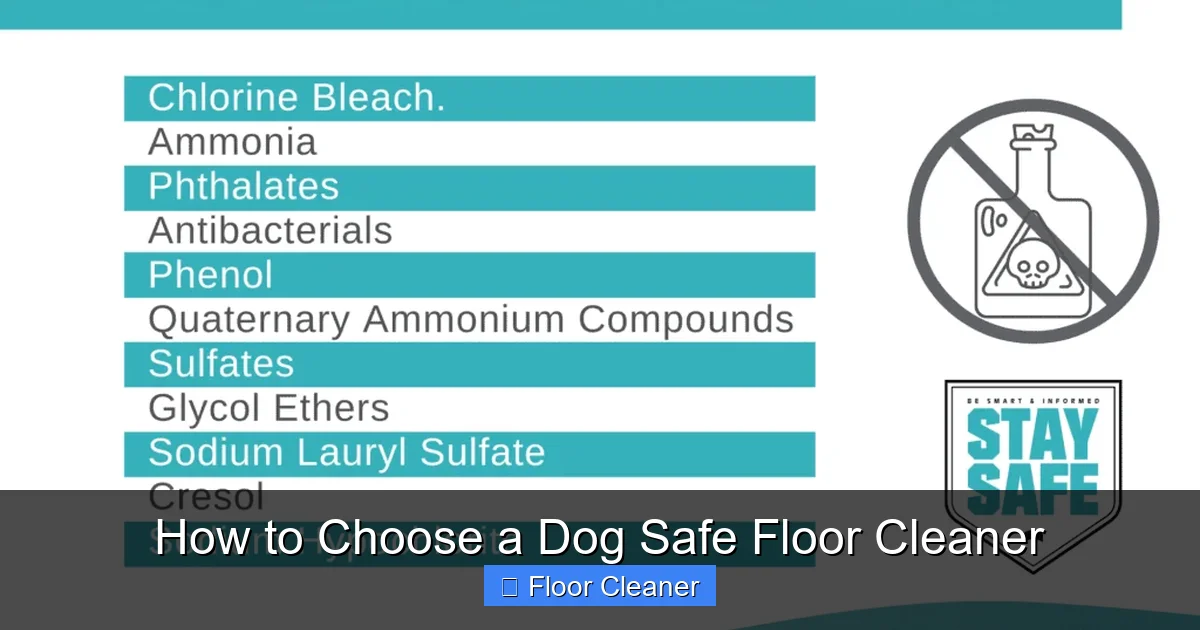
When you pick up a bottle, turn it around. Look at the “Danger” or “Warning” section. Then, look for these three main culprits.
Visual guide about How to Choose a Dog Safe Floor Cleaner
Image source: thecleaningmommy.com
1. Ammonia
Ammonia is a powerful cleaner. It is common in glass and floor cleaners. It has a very sharp, pungent smell. This smell is very irritating to dogs’ lungs and eyes. If ingested, it can cause burns to the mouth and throat. It’s a big one to skip.
2. Chlorine Bleach (Sodium Hypochlorite)
Bleach is a great disinfectant. But it is very corrosive and toxic. Fumes can damage a dog’s respiratory system. If a dog walks on a bleached floor and then licks its paws, it can cause chemical burns and poisoning. Never use straight bleach on floors your dog uses.
3. Phenols (Often listed as “Artificial Fragrances” or specific names like O-Phenylphenol)
Phenols are sneaky. They are found in many disinfectants and “antibacterial” products. They are also in some floor cleaners. Phenols are highly toxic to dogs. They can cause liver damage. Cats are even more sensitive, but dogs are still at great risk. If you see “phenol” on the label, put it back.
Other Common Offenders:
- Formaldehyde: A preservative and disinfectant. It is a known carcinogen and irritant.
- Glycol Ethers (like 2-Butoxyethanol): Give some cleaners their “grease-cutting” power. They can cause anemia and kidney damage in pets.
- Phthalates: Often hidden in “fragrance.” They are endocrine disruptors.
- Quaternary Ammonium Compounds (“Quats”): Common in disinfectant sprays and wipes. They can cause skin irritation and are toxic if licked.
Step 3: Identify the Hallmarks of a Dog-Safe Cleaner
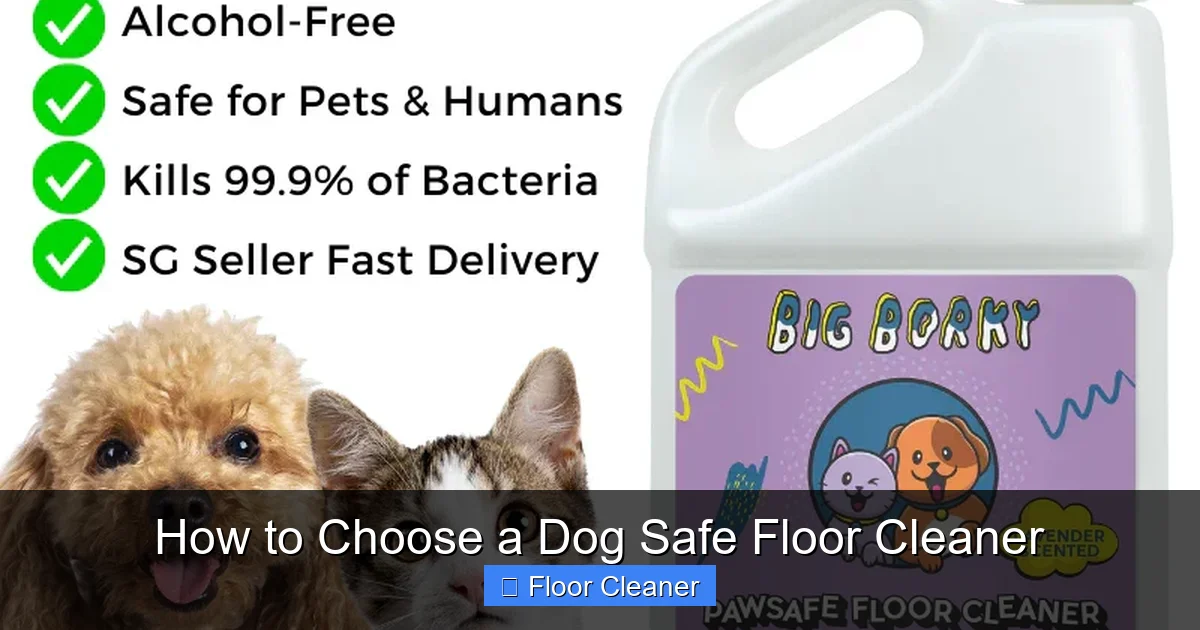
Now, what should you look for? A good dog-safe cleaner will have these traits.
Visual guide about How to Choose a Dog Safe Floor Cleaner
Image source: bigborky.com
1. Clear, Transparent Labeling
The best brands are proud of their ingredients. They list them all. You should see things like “plant-based surfactants,” “coconut-derived cleaning agents,” or “essential oil of lemon.” If the label just says “proprietary surfactant” or “fragrance,” be cautious.
2. “Pet-Safe” or “Child & Pet Friendly” Certification
Look for explicit promises. Phrases like “safe for pets when used as directed” are good. But remember, marketing isn’t everything. You still need to check the ingredients.
3. Plant-Based and Biodegradable Formulas
Ingredients from renewable sources (plants, minerals) are generally safer. They break down more easily. This is better for your dog and the planet. Look for words like “biodegradable,” “plant-based,” or “derived from corn/coconut.”
4. No Artificial Dyes or Fragrances
A safe cleaner is often clear and has a mild, natural scent or no scent at all. It gets its cleaning power from ingredients, not perfumes.
5. Neutral pH
Very acidic (like some vinegar solutions) or very alkaline cleaners can irritate paws. A pH-neutral cleaner is gentle on surfaces and your pet’s skin.
Step 4: Evaluate Your Current Cleaner or Shop for a New One
Let’s put this knowledge into action. Grab the cleaner you use now.
Action 1: The Label Investigation
Read every word. Look for the “Toxic Trio” and other offenders. Check for hazard symbols. Does it say “keep pets and children away until dry”? That’s a red flag for a product you want to avoid.
Action 2: Research and Choose
If your cleaner fails the test, it’s time to shop. Here are some types of dog-safe floor cleaners to consider:
- Certified Pet-Safe Brands: Brands like Bona (their Pet Safe formula), Puracy, Better Life, and Branch Basics are formulated with pet safety as a core principle.
- Plant-Powered Concentrates: Companies like Dr. Bronner’s (castile soap) or Force of Nature offer concentrates you dilute. They are effective and non-toxic.
- Steam Cleaners: For a chemical-free option, a steam mop uses only heated water vapor to sanitize floors. It’s great for killing germs without any residues.
Step 5: Consider Simple, Effective DIY Alternatives
You can make a fantastic dog-safe cleaner with items in your pantry. It’s cheap and you control everything in it.
Basic All-Purpose Floor Cleaner Recipe
This works well on sealed hardwoods, tile, vinyl, and laminate.
- 2 cups warm water
- 1/4 cup white distilled vinegar
- 1 tablespoon castile soap (like Dr. Bronner’s)
- Optional: 10 drops of a pet-safe essential oil like lavender (avoid tea tree, citrus, pine oils around dogs)
Mix in a spray bottle or bucket. Shake before use. The vinegar cuts grease and disinfects mildly. The castile soap lifts dirt. Always do a spot test in an inconspicuous area first.
For Tough Disinfection (e.g., after accidents)
Hydrogen peroxide (3%) is a good, dog-safe disinfectant. Use it straight in a spray bottle on non-porous surfaces like tile. Let it sit for 5-10 minutes, then wipe. It breaks down into just water and oxygen.
Troubleshooting Common Concerns
You might have some worries. Let’s address them.
“Will vinegar harm my hardwood floors?”
Diluted vinegar is safe for sealed hardwood floors. Do not use it on unsealed wood or stone like marble, as the acid can damage it. When in doubt, test or consult your floor manufacturer.
“My DIY cleaner doesn’t seem to cut heavy grease.”
Add a few more drops of castile soap. For really tough jobs, use a dedicated, pet-safe degreaser or a steam mop.
“I need to disinfect for viruses/bacteria. Are natural cleaners strong enough?”
For routine cleaning, yes. For specific pathogen-killing (like after parvo), you need an EPA-registered disinfectant. Look for one labeled as pet-safe, like Accel or Rescue disinfectants, and follow the instructions carefully, including rinse steps.
Final Step: Safe Cleaning Practices
Even with a safe cleaner, follow these rules.
- Remove Your Dog: Keep them out of the room until the floor is completely dry.
- Dilute Properly: More is not better. Follow the product’s directions.
- Rinse if Possible: For extra safety, especially with dogs who lick everything, go over the mopped floor with a clean water rinse.
- Dry Thoroughly: Use a dry mop or towel to speed up drying. This eliminates the chance of wet-paw-licking.
- Store Safely: Keep all cleaning products, even natural ones, locked away from curious noses and paws.
Conclusion
Choosing a dog-safe floor cleaner is an act of love. It protects your furry friend from hidden dangers. The process is simple. Avoid the “Toxic Trio.” Read labels like a detective. Embrace plant-based ingredients or simple DIY solutions. Your home will be clean, fresh, and truly safe for every member of your family—including the four-legged ones who make it a home. Start today by checking that bottle under your sink. Your dog will thank you with every healthy, happy step.
🎥 Related Video: How to Choose Eco-Friendly Floor Cleaners Safe for Pets | The Ultimate Guide
📺 ecopetfood
How to Choose Eco-Friendly Floor Cleaners Safe for Pets | The Ultimate Guide Are you looking for a cleaner that’s both effective …