
Many conventional floor cleaners contain hidden toxic chemicals that can harm your family’s health and indoor air quality. This guide teaches you how to identify dangerous ingredients, understand their risks, and make smarter choices—whether by selecting certified safer products or creating simple, effective DIY solutions. You can achieve a sparkling clean home without the toxic burden.
Key Takeaways
- Common Cleaners Harbor Hidden Toxins: Many popular brands contain volatile organic compounds (VOCs), ammonia, chlorine bleach, and synthetic fragrances linked to respiratory issues, skin irritation, and long-term health concerns.
- Your Indoor Air is Directly Affected: Cleaning releases VOCs into the air you breathe, often creating indoor pollution levels 2 to 5 times higher than outdoors, a major concern for children and pets.
- Label Decoding is Your Superpower: Learning to identify specific toxic ingredients like 2-butoxyethanol, formaldehyde, and quaternary ammonium compounds is the first step to making safer purchases.
- Third-Party Certifications Are Trustworthy Guides: Look for seals from EPA Safer Choice, EWG Verified, or USDA Certified Biobased to quickly identify products that meet strict health and environmental standards.
- Effective DIY Cleaners Are Simple & Cheap: Basic ingredients like vinegar, castile soap, baking soda, and essential oils can handle most floor cleaning tasks safely and inexpensively.
- Proper Use Minimizes Risk: Always ventilate the area, wear gloves if needed, never mix chemicals (especially bleach with ammonia!), and follow dilution instructions precisely.
- A Non-Toxic Home is a Process: Transitioning to safer floor cleaning doesn’t require perfection. Start by replacing one product at a time and focus on consistent, healthier habits.
Is Your Floor Cleaner Toxic? Learn the Hidden Dangers Inside
You want a clean, shiny floor. It feels good. It looks good. But have you ever stopped to think about what’s in that bottle or spray you use every week? That fresh “clean” scent might be hiding a less pleasant truth. Many common floor cleaners are packed with chemicals that can be bad for your health and your home’s air.
This guide is your friendly map to a safer clean. We will not scare you. We will empower you. You will learn what to look for on labels. You will understand the real risks of certain ingredients. Most importantly, you will get clear steps to find or make better, non-toxic floor cleaners. Let’s dive in and clear the air.
Step 1: Unmask the Common Toxic Culprits in Floor Cleaners
The first step is knowing what you’re up against. Here are the most common groups of concerning ingredients found in many floor cleaning products.
Visual guide about Is Your Floor Cleaner Toxic Learn the Hidden Dangers Inside
Image source: nontoxicdad.com
1. Volatile Organic Compounds (VOCs)
VOCs are chemicals that easily become gases at room temperature. When you mop, you release them into your air.
- Examples: 2-butoxyethanol (a common glycol ether), ethanol, benzene.
- Hidden Danger: They cause immediate headaches, dizziness, and eye/throat irritation. Long-term, some are linked to liver damage and cancer. They are a major contributor to poor indoor air quality.
2. Ammonia
Ammonia is a powerful degreaser, often found in glass and floor cleaners for streak-free shine.
- Hidden Danger: Fumes are extremely irritating to lungs, eyes, and skin. It’s especially dangerous for people with asthma or bronchitis. Never, ever mix ammonia with bleach. This creates a deadly chloramine gas.
3. Chlorine Bleach (Sodium Hypochlorite)
It’s a disinfectant and whitener, common in all-purpose and tile cleaners.
- Hidden Danger: Fumes irritate the respiratory system. It’s corrosive to skin and eyes. When mixed with other acids (like some toilet bowl cleaners) or ammonia, it creates toxic, potentially lethal gases.
4. Synthetic Fragrances (Parfum)
That “Meadow Rain” or “Citrus Fresh” scent is usually a chemical cocktail.
- Hidden Danger: “Fragrance” is a trade secret loophole that can hide hundreds of chemicals, including phthalates. These are known endocrine disruptors and can trigger allergies, migraines, and asthma attacks.
5. Quaternary Ammonium Compounds (“Quats”)
These are antimicrobial agents found in disinfectant cleaners and some “antibacterial” floor products.
- Hidden Danger: They are linked to skin irritation, respiratory issues, and may contribute to antibiotic-resistant bacteria. They are also toxic to aquatic life.
6. Phosphates & EDTA
These are water softeners and builders that help cleaners work in hard water.
- Hidden Danger: They don’t break down easily. They wash into waterways, causing algal blooms that kill fish and disrupt ecosystems.
Step 2: Decode the Label Like a Pro
You don’t need a chemistry degree. You just need to know what to scan for. Always turn the bottle around.
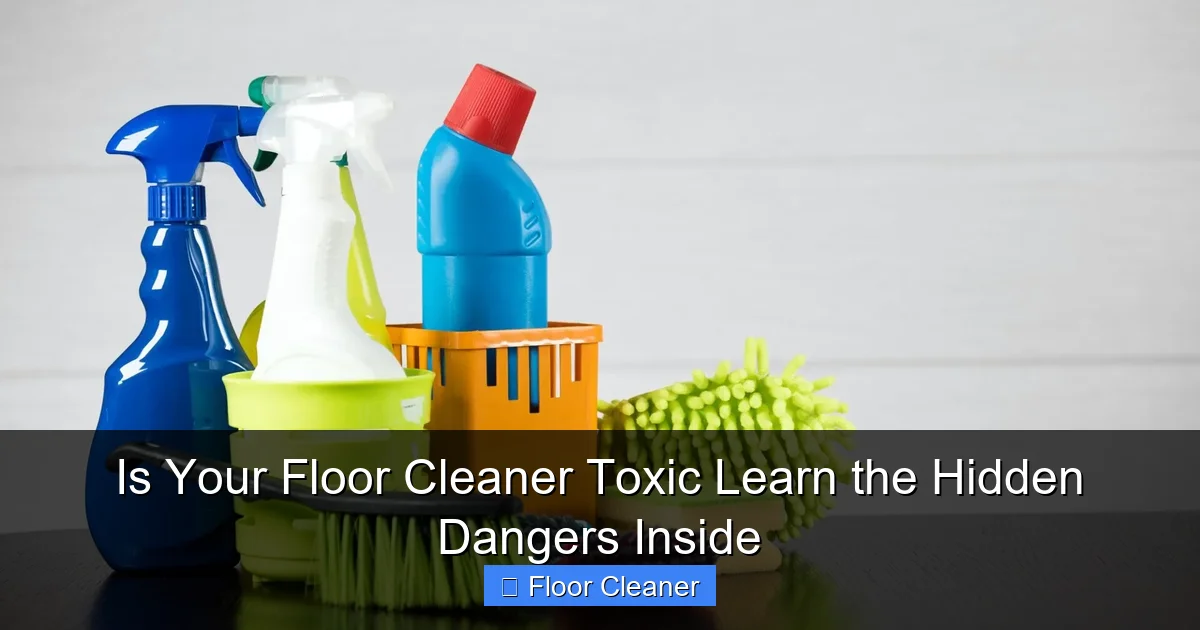
Visual guide about Is Your Floor Cleaner Toxic Learn the Hidden Dangers Inside
Image source: lirp.cdn-website.com
Look for These Red-Flag Words
- Danger / Poison: The highest level of hazard. Avoid these for routine cleaning.
- Warning / Caution: Still indicates moderate hazard. Look for specifics like “causes skin irritation” or “harmful if inhaled.”
- Signal Words: The presence of any of these words means the product contains chemicals the government has deemed hazardous.
Beware of Vague Marketing Terms
Words like “Natural,” “Green,” “Eco-Friendly,” or “Plant-Based” are not regulated. A product can have one plant ingredient and still be full of toxins. Trust certifications, not claims.
Seek Out Trusted Third-Party Certifications
These are your best friends. Look for these logos on the back label:
- EPA Safer Choice: Every ingredient is evaluated for safety.
- EWG Verified: Meets the Environmental Working Group’s strictest standards.
- USDA Certified Biobased: Confirms the product is made from renewable plant sources.
Step 3: Choose and Use Safer Commercial Cleaners
If DIY isn’t your style, you can still make excellent, safe purchases.
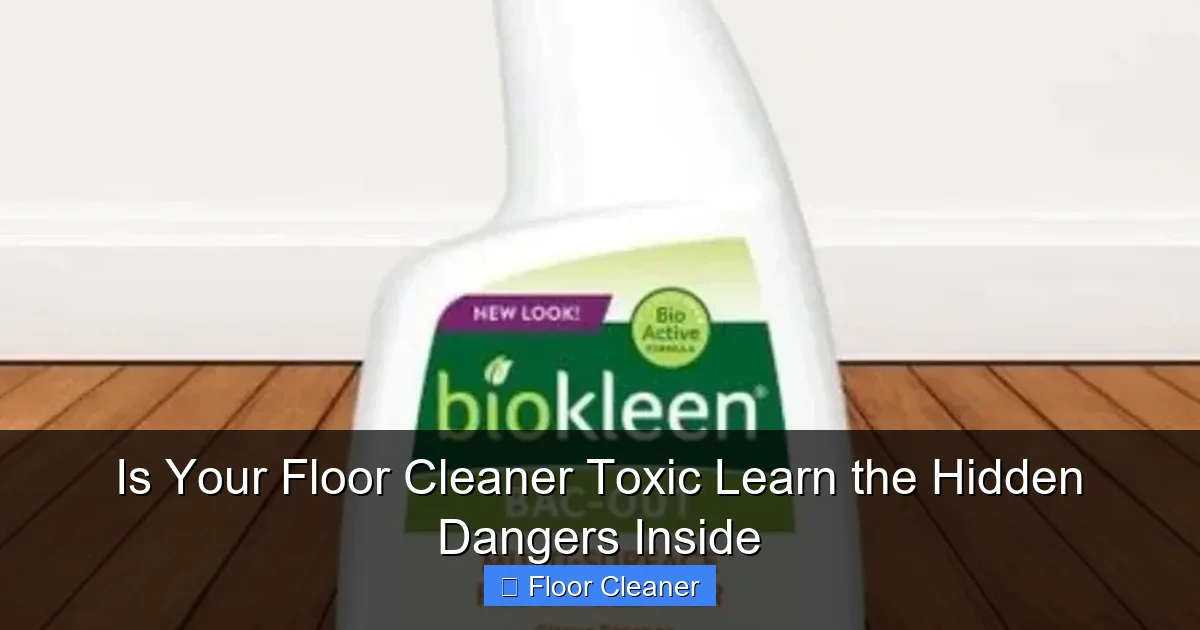
Visual guide about Is Your Floor Cleaner Toxic Learn the Hidden Dangers Inside
Image source: sustainablykindliving.com
How to Select a Safer Product
First, check for the certifications above. Then, look for products with full ingredient disclosure. Favor companies that tell you everything. The ingredient list should be short and recognizable. Think “citric acid,” “coconut-derived surfactant,” “essential oil.”
Consider your floor type. A pH-neutral cleaner is safe for most sealed floors (wood, laminate, vinyl). For tile and grout, a slightly alkaline cleaner works better. For stone, you need a specialty, stone-safe product to avoid etching.
Safer Use Tips for Any Cleaner
- Ventilate! Open windows and turn on fans.
- Dilute Properly: More is not better. Follow the instructions.
- Wear Gloves: Protects your skin, even with milder cleaners.
- Store Safely: Keep all cleaners, even “natural” ones, out of reach of children and pets.
Step 4: Make Your Own Effective, Non-Toxic Cleaners
This is the most affordable and transparent way to clean. Here are simple recipes.
All-Purpose Floor Cleaner (for tile, vinyl, laminate)
- 1/4 cup white vinegar
- 1 tablespoon castile soap (like Dr. Bronner’s)
- 2 gallons warm water
- Optional: 10 drops essential oil (lemon, pine, or tea tree for added freshness)
Instructions: Mix in a bucket. The vinegar cuts grease and disinfects mildly. Castile soap lifts dirt. Avoid on unsealed wood or stone.
Gentle Wood Floor Cleaner
- 1/4 cup olive oil or coconut oil
- 1/4 cup white vinegar or fresh lemon juice
- 15-20 drops lemon or orange essential oil
- 1 cup warm water
Instructions: Combine all ingredients in a spray bottle. Shake well before each use. Spray lightly on floor and mop with a slightly damp microfiber mop. The oil conditions the wood while cleaning.
Heavy-Duty Grout & Tile Scrub
- 1/2 cup baking soda
- 1/4 cup hydrogen peroxide (3%)
- 1 teaspoon liquid castile soap
Instructions: Mix into a paste in a bowl. Apply to grout lines with an old toothbrush. Let sit for 5-10 minutes, then scrub and rinse. A fantastic, non-toxic whitener.
Troubleshooting Common Problems
Even with safer cleaners, you might hit a snag. Here’s help.
My DIY Cleaner Leaves a Film
You’re likely using too much soap. Dilute it more. Always do a final rinse with clean water. For vinegar-based cleaners, ensure you’re not using it on a floor type it reacts with (like stone).
The Clean Smell Doesn’t Last
Safer cleaners clean without heavy perfumes. That “clean” smell you’re used to is just perfume. You’ll get used to the fresh, odor-free scent of a truly clean floor. For a light scent, add essential oils sparingly.
I’m Worried About Disinfecting
For routine cleaning, soap and water physically remove most germs. For targeted disinfection (e.g., after illness), use a diluted hydrogen peroxide spray (3%) or an EPA-registered disinfectant only on the needed area, with ventilation.
Conclusion: Your Path to a Truly Clean Home
Asking “Is my floor cleaner toxic?” is the first, most important step. You now know the hidden dangers lurking in vague labels and pleasant scents. You have the tools to spot toxic ingredients like VOCs, ammonia, and “quats.” You also have a clear choice: seek out credible, certified products or whip up simple, effective cleaners with pantry staples.
Remember, a non-toxic home isn’t built in a day. Start small. Next time your cleaner runs out, replace it with a Safer Choice option or try a DIY recipe. Your lungs, your skin, your pets, and the planet will thank you. A truly clean home is one that shines without the shadow of hidden chemicals.
🎥 Related Video: The Hidden Dangers in Your Floor Cleaner (And a Safer Way to Clean)
📺 Naturezym
Your floor cleaner might be doing more harm than good — and you probably don’t even know it. In this short video, you’ll discover: …