
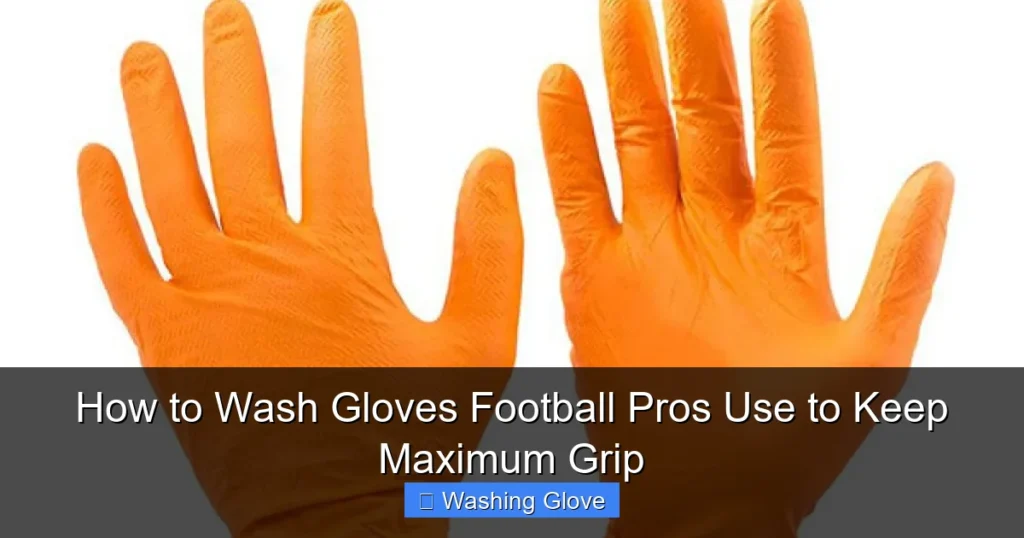
Knowing how to wash gloves football pros use is the best way to keep your grip sticky and your hands fresh. Regular cleaning removes dirt and sweat that ruin the palm material. Follow our simple steps to extend the life of your gear and make more big plays on the field.
Every football player knows the feeling. You reach up for a high pass, the ball hits your hands, and it slips right through. Why? Because your gloves lost their grip. Football gloves are high-tech tools. They use special materials like silicone or latex to help you grab the ball. But over time, dirt, grass, and sweat fill the tiny pores of the grip. This makes them slick. If you want to play like a pro, you need to know how to wash gloves football stars rely on for those clutch catches.
Washing your gear is not just about the smell. It is about performance. A clean glove is a sticky glove. In this guide, we will show you exactly how to wash gloves football players use at every level. We will cover the best soaps, the right water temperature, and the secrets to keeping that “new glove” tackiness for a whole season. Let’s get started so you can get back to making plays.
Key Takeaways
- Use Cold Water: Always wash your football gloves in cold water to prevent the palm material from cracking or shrinking.
- Avoid the Dryer: Never put your gloves in the dryer; the high heat will melt the grip and destroy the adhesive properties.
- Mild Soap Only: Use a gentle dish soap or a specialized sports wash instead of harsh bleach or fabric softeners.
- Wash After Every Game: To keep the “sticky” feel, you should clean your gloves after every major use to remove skin oils and dirt.
- Air Dry Properly: Hang your gloves in a well-ventilated area out of direct sunlight to ensure they dry completely inside and out.
- Inside-Out Cleaning: Don’t forget to wash the inside of the gloves to kill bacteria and eliminate bad odors.
Why You Must Learn How to Wash Gloves Football Players Trust
You might think that washing your gloves will ruin the grip. Many players are afraid to get them wet. However, the opposite is true. The “stick” on your gloves comes from the texture of the palm. When you play, you pick up dust from the field. You get sweat from your hands inside the glove. This creates a layer of grime. This layer covers the sticky surface. When you learn how to wash gloves football style, you are actually removing that grime to reveal the sticky surface underneath.
Also, football gloves can get very smelly. Bacteria love the warm, damp environment inside a sweaty glove. If you do not wash them, they will start to stink. This smell can be hard to get out if you wait too long. Regular washing keeps the fabric strong and the grip ready for action. It saves you money because you won’t have to buy new gloves every few weeks.
The Supplies You Need
Before you start, gather your tools. You do not need expensive equipment. Most of these items are already in your house. Here is what you need for the best results:
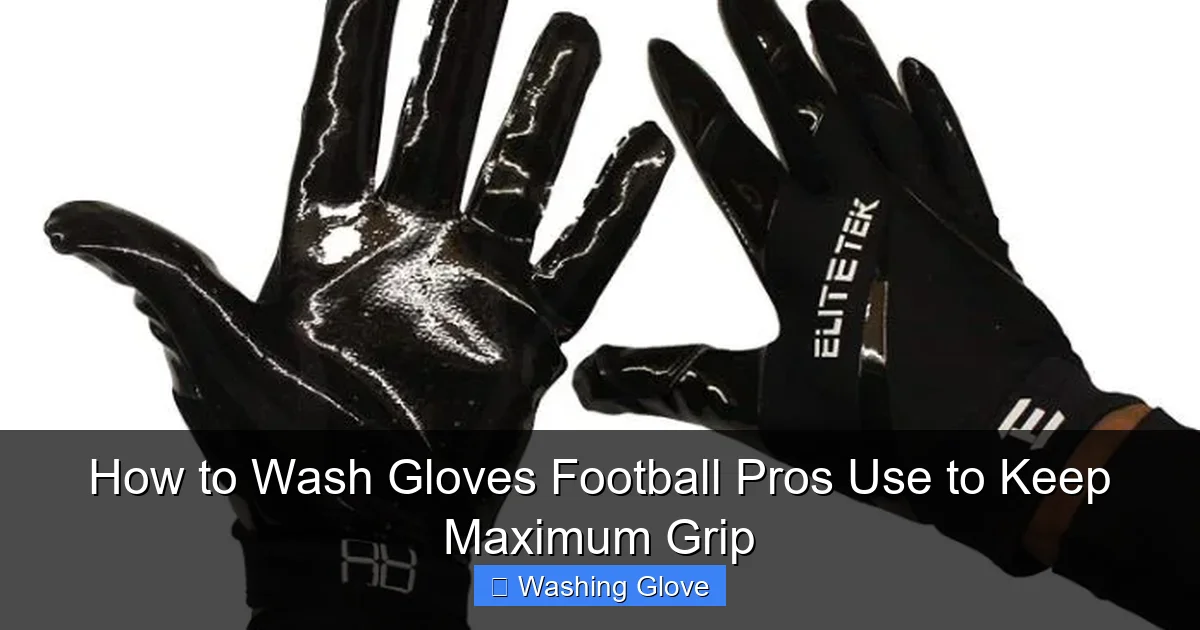
Visual guide about How to Wash Gloves Football Pros Use to Keep Maximum Grip
Image source: vletuknow.com
- Cold water: Warm or hot water can damage the glue and the grip.
- Mild liquid soap: Dish soap or a gentle laundry detergent works best. Avoid anything with bleach.
- A soft cloth or sponge: This is for scrubbing the palms without scratching them.
- A sink or basin: You need enough space to soak the gloves.
- A dry towel: This helps remove extra water after washing.
- A clothes hanger or drying rack: To let them air dry properly.
Step 1: The Initial Rinse and Prep
The first step in how to wash gloves football players use is to get the loose dirt off. If you just came from a muddy game, don’t throw them straight into the soapy water. Take the gloves outside and shake them. Clap them together to knock off dried mud or grass. This prevents the mud from turning into a paste when it gets wet.
Visual guide about How to Wash Gloves Football Pros Use to Keep Maximum Grip
Image source: dac8r2vkxfv8c.cloudfront.net
Check the Care Label
Before you wet the gloves, look inside for a small tag. Most modern gloves from brands like Nike, Adidas, or Under Armour have specific care instructions. Most will say “Hand Wash Only.” If your label says “Machine Washable,” you have more options. However, even then, hand washing is usually safer for the grip.
Turn Them Inside Out (Optional)
If the inside of your gloves smells worse than the outside, you can turn them inside out. This allows the soap to reach the areas where your sweat accumulates. However, be very careful not to tear the seams while doing this. If the gloves are very tight, it might be better to keep them right-side out and just soapy the water inside.
Step 2: Creating the Cleaning Solution
Fill your sink or a small bucket with cold water. Add a small squirt of your mild liquid soap. Do not use too much soap. If you use too much, it can be hard to rinse out. Leftover soap on the palm will actually make the gloves slippery. Mix the water with your hand until you see a few bubbles. Now your solution is ready for the “how to wash gloves football” process.
Visual guide about How to Wash Gloves Football Pros Use to Keep Maximum Grip
Image source: gosupps.com
Step 3: The Soaking Process
Submerge your gloves in the water. Push them down so they are completely covered. Let them soak for about 10 to 15 minutes. This soaking time is important. It helps loosen the salt from your sweat and the oils from your skin. It also softens any dried-on dirt or Gatorade stains. While they soak, you might see the water turn brown. This is a good sign! It means the dirt is leaving the fabric.
Step 4: Scrubbing for Maximum Grip
After soaking, it is time to scrub. This is the most important part of how to wash gloves football pros recommend. Use your fingers or a soft cloth. Gently rub the palm of the glove. Focus on the areas that are the most dirty. These are usually the fingertips and the base of the thumb.
Cleaning the Back of the Hand
Don’t forget the back of the gloves. This area is usually made of mesh or spandex. It traps a lot of odors. Use your soapy cloth to wipe down the back and the wrist straps. Be careful with the Velcro. Try not to get too many fibers stuck in the Velcro, as this can make it less sticky.
Removing Stubborn Stains
If you have a grass stain that won’t move, you can use a tiny bit of soap directly on the spot. Rub it in a circular motion with your thumb. Do not use a stiff brush. A stiff brush can create micro-tears in the silicone grip. Once the grip is torn, it will start to peel off. Always be gentle.
Step 5: Rinsing Thoroughly
Now that the dirt is loose, you must rinse it away. Drain the soapy water and refill the sink with fresh, clean, cold water. Hold the gloves under a running tap. Squeeze them gently to get the soap out of the padding. Keep rinsing until the water runs clear and there are no more bubbles. If soap stays on the glove, it will dry into a film. This film will make the ball slip right out of your hands next game.
Step 6: Can You Use a Washing Machine?
Many players ask if they can skip the hand washing. You can use a machine, but you must be careful. If you choose this path for how to wash gloves football style, follow these rules:
Use a Lingerie Bag
Put your gloves inside a mesh laundry bag. This prevents the straps from getting tangled around the center post of the washer. It also protects the grip from rubbing against the metal drum.
The Right Settings
Set the machine to the “Delicate” or “Hand Wash” cycle. Use cold water only. Use a small amount of mild detergent. Never add bleach or fabric softener. Fabric softener is the enemy of grip; it coats the silicone in a waxy layer that ruins the stickiness.
Step 7: The Correct Way to Dry
This is where many players make a huge mistake. They finish the “how to wash gloves football” steps and then throw the gloves in the dryer. Never do this. The heat from a dryer will cook the silicone. It will make the palms dry, brittle, and eventually, they will crack and peel.
Roll, Don’t Wring
After rinsing, lay your gloves flat on a dry towel. Roll the towel up like a sleeping bag with the gloves inside. Press down on the roll. This helps the towel absorb the excess water without stretching the gloves out of shape. Do not wring or twist the gloves, as this can break the internal fibers.
Air Drying Tips
Hang the gloves up using a clothespin on the wrist strap. You can also place them on a drying rack. If you want them to dry faster, place a small fan near them. The moving air will speed up the process. Do not put them in direct sunlight. The UV rays from the sun can also damage the grip material over time. It usually takes about 12 to 24 hours for football gloves to dry completely.
Step 8: Restoring the Grip After Washing
Once your gloves are dry, they might feel a little stiff. This is normal. Put them on your hands and flex your fingers. The movement will soften the material. To restore the grip, take a damp cloth and wipe the palms. This “activates” the silicone. You will immediately feel the tackiness return. This is the secret pro players use right before they take the field.
Common Mistakes to Avoid
When learning how to wash gloves football players use, avoid these common errors:
- Using Dishwasher Detergent: This is way too strong and will strip the oils that keep the grip flexible.
- Using a Hairdryer: Just like the clothes dryer, the heat is too concentrated and will melt the palm.
- Storing While Damp: If you put damp gloves in your gym bag, they will grow mold. Always wait until they are 100% dry.
- Using Grip Sprays Too Often: Some sprays contain chemicals that break down the glove material over time. Cleaning them properly is better than using “stick in a bottle.”
Troubleshooting: What if They Are Still Not Sticky?
Sometimes you follow every step of how to wash gloves football, but they still feel slick. Here is what to do:
The “Spit” Method
It sounds gross, but many players use a little bit of moisture (like spit or water) on their gloves during a game. This helps clear off the dust that accumulates between plays. If your washed gloves feel slick, try wiping them with a very small amount of water.
Check for Wear and Tear
Look closely at the palms. If the silicone is actually missing or rubbed off, no amount of washing will bring it back. Most football gloves are designed to last one full season of heavy use. If you see the fabric underneath the grip, it is time to buy a new pair.
Deep Clean the Pores
If they are still slick, there might be deep-seated oils. Try one more wash using a tiny bit of degreasing dish soap (like Dawn). This is great for cutting through body oils that regular detergent might miss.
How to Keep Gloves Clean During the Game
You don’t just need to know how to wash gloves football style at home. You should also take care of them on the sidelines. Keep a damp towel in your equipment bag. Between quarters, wipe the palms of your gloves. This removes the grass and dirt you picked up during the last drive. This small habit will keep your grip at 100% for the whole game. Also, try not to use your palms to push yourself up off the ground. Use your knuckles or the back of your hands to keep the palms clean.
The Best Storage Practices
When the season is over, or between practices, don’t just toss your gloves in a dark locker. Store them in a cool, dry place. Some players like to keep the original plastic film that came on the palms. If you still have it, you can put it back on after washing and drying. This keeps dust from settling on the sticky surface while they sit in your bag.
Conclusion
Learning how to wash gloves football players use is a vital skill for any athlete. It isn’t just about hygiene; it is about making sure you can catch every ball that comes your way. By using cold water, mild soap, and air drying, you protect your investment. You keep the silicone tackiness high and the bad smells low. Remember to be gentle, avoid heat, and clean them regularly. If you take care of your gloves, they will take care of you on Friday nights. Now that your gear is clean and sticky, get out there and make the highlight reel!
🎥 Related Video: How to wash your gloves 🧼🧴
📺 Goalkeepers Anonymous