
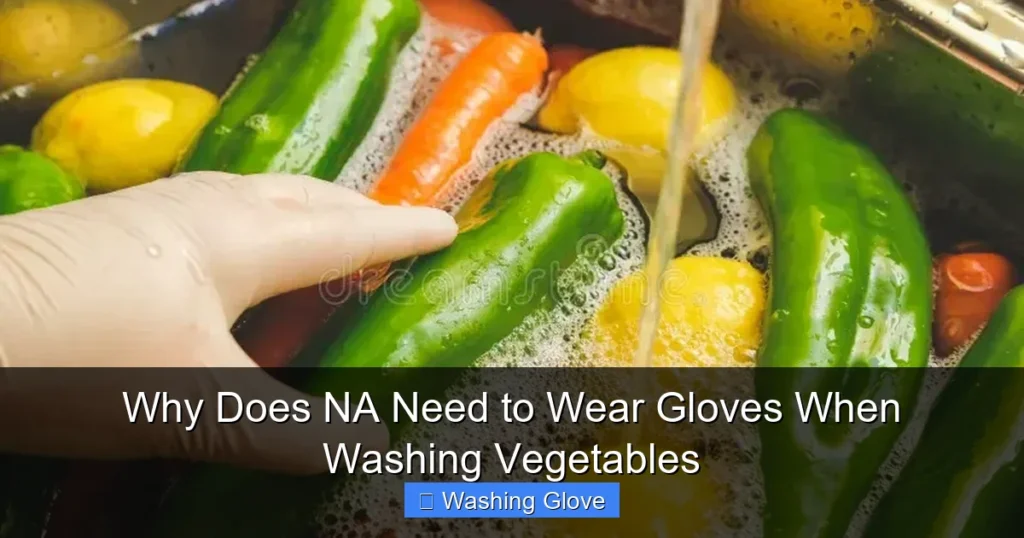
When preparing food in a caregiving environment, safety is the top priority. This guide explains why a Nursing Assistant (NA) must wear gloves to prevent cross-contamination and protect their own skin. By following these steps, you ensure that the health of the patient and the caregiver remains protected at all times.
Welcome to our comprehensive guide on food safety for caregivers. If you work as a Nursing Assistant (NA), you know that hygiene is part of every task you do. One common question that comes up in the kitchen is: does na need to wear gloves when washing vegetables? The answer is a resounding yes. While it might seem like a simple chore, washing produce is a critical step in patient care. It protects the person you are caring for from illness. It also protects you from the harsh realities of constant water exposure.
In this guide, we will dive deep into the reasons behind this practice. We will also provide a step-by-step process for doing it correctly. Whether you are working in a hospital, a nursing home, or a private residence, these tips will keep everyone safe. Let’s look at why does na need to wear gloves when washing vegetables and how you can master this skill today.
Key Takeaways
- Prevents Contamination: Using gloves stops the spread of bacteria from the caregiver’s hands to the fresh produce.
- Protects the Caregiver: Gloves act as a barrier against pesticides, soil, and potential skin irritation from constant water exposure.
- Ensures Patient Safety: Vulnerable patients need extra protection from food-borne illnesses like E. coli or Salmonella.
- Maintains Sanitation Standards: Wearing gloves is often a required protocol in professional healthcare and food handling settings.
- Promotes Hand Health: Frequent hand washing can lead to dry, cracked skin; gloves help reduce this “wet work” strain.
- Proper Technique Matters: Simply wearing gloves isn’t enough; you must use the right type and change them frequently.
Understanding the Importance of Gloves in Food Prep
In a healthcare setting, the people we serve often have weakened immune systems. A small amount of bacteria that wouldn’t hurt a healthy person could be dangerous for them. When you ask, does na need to wear gloves when washing vegetables, you have to think about the microbes found on raw produce. Vegetables grow in dirt. Dirt contains bacteria, parasites, and fungi. Even “triple-washed” greens can carry risks.
Furthermore, your hands are your primary tools. You touch many surfaces throughout the day. Even with frequent handwashing, there is always a risk of cross-contamination. By wearing gloves, you create a sterile barrier. This ensures that the salad or side dish you prepare is as clean as possible. It is all about risk management and professional excellence.
Protecting Your Own Skin
Being an NA involves a lot of “wet work.” This means your hands are in and out of water all day. This constant moisture can strip the natural oils from your skin. It leads to redness, itching, and painful cracks. When you wear gloves while washing vegetables, you keep your hands dry. This simple act can prevent contact dermatitis. So, does na need to wear gloves when washing vegetables for their own health? Absolutely. It is a form of self-care that allows you to keep working without pain.
Step 1: Choose the Right Type of Glove
Not all gloves are the same. When you are preparing food, you need to use the right material. You should avoid latex if the patient or you have an allergy. Most modern facilities use vinyl or nitrile gloves.

Visual guide about Why Does NA Need to Wear Gloves When Washing Vegetables
Image source: bipubunny.com
Selecting Food-Grade Materials
Make sure the box is labeled “food safe.” Some industrial gloves have powders or chemicals that should not touch food. Nitrile is usually the best choice. It is durable and resists tears from stems or rough vegetable skins. If you are wondering does na need to wear gloves when washing vegetables of a certain type, remember that nitrile works for almost everything from delicate berries to tough potatoes.
Finding the Perfect Fit
A glove that is too big will slip off. A glove that is too small will rip. You need a snug fit that allows you to feel the texture of the vegetable. This helps you find dirt or soft spots that need to be removed. Good tactile feedback is essential for a thorough wash.
Step 2: Prepare Your Workspace
Before you even put on your gloves, the environment must be clean. You cannot produce clean food in a dirty sink. This is a key part of why does na need to wear gloves when washing vegetables safely.

Visual guide about Why Does NA Need to Wear Gloves When Washing Vegetables
Image source: 365cps.org.sg
Sanitize the Sink
Clean the sink basin with a food-safe disinfectant. Rinse it thoroughly with hot water. Make sure there are no leftover soap suds or debris from previous dishes. If you are in a rush, don’t skip this. A dirty sink can transfer more bacteria to the vegetables than the soil they grew in.
Organize Your Tools
Get your colanders, vegetable brushes, and clean paper towels ready. Having everything within reach means you won’t have to touch cabinet handles with your gloved hands. This prevents the spread of germs from the kitchen surfaces to the food.
Step 3: Putting on the Gloves Correctly
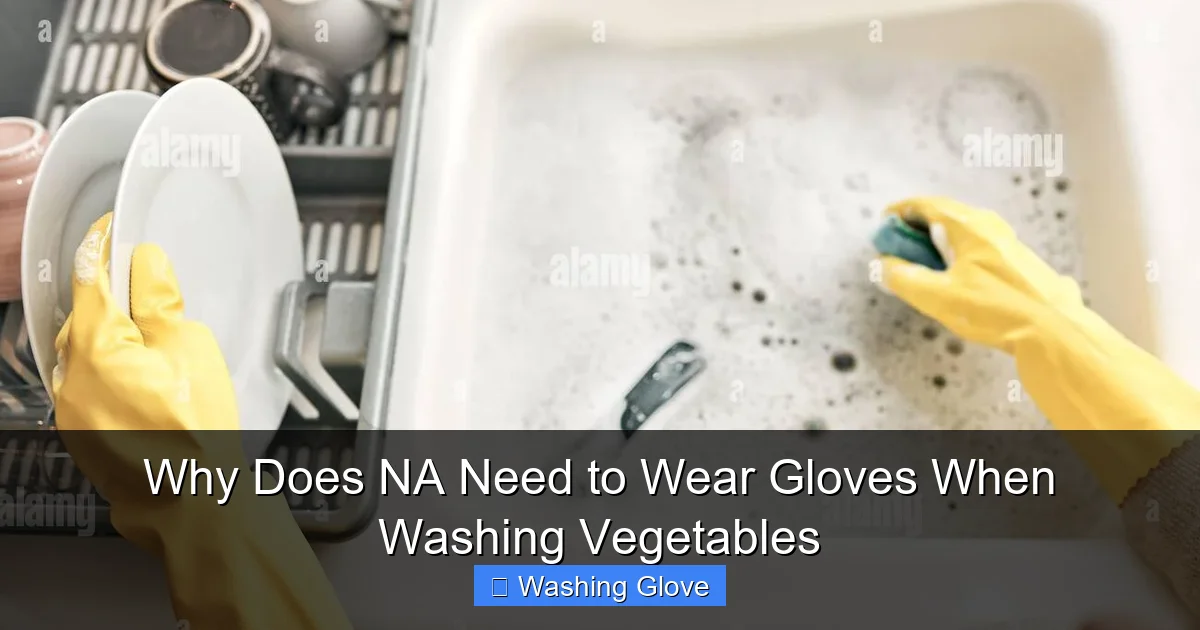
The process of putting on gloves is just as important as the washing itself. Many people make the mistake of touching the outside of the glove with dirty hands. This defeats the purpose of wondering does na need to wear gloves when washing vegetables.
Visual guide about Why Does NA Need to Wear Gloves When Washing Vegetables
Image source: c8.alamy.com
Wash Your Hands First
Always wash your hands with soap and warm water for at least 20 seconds before putting on gloves. Dry them completely. Gloves are harder to put on when your hands are damp. Also, moisture trapped inside a glove can encourage fungal growth on your skin.
The “Donning” Technique
Take a glove from the box by the cuff. Slide your hand in. Avoid touching the fingers of the glove. Repeat for the other hand. Once both gloves are on, you are ready to handle the produce. At this point, you should not touch your face, your phone, or your clothes.
Step 4: The Vegetable Washing Process
Now we get to the core of the task. Different vegetables require different levels of care. Does does na need to wear gloves when washing vegetables like lettuce differently than carrots? Yes, the technique varies.
Washing Leafy Greens
Fill a clean bowl or the sink with cold water. Submerge the greens and swish them around gently. The dirt will sink to the bottom. Lift the greens out carefully. Do not just pour the water out, as the dirt will fall back onto the leaves. Rinse each leaf under a cold stream of running water. Your gloves will help you feel for any grit or slime on the leaves.
Scrubbing Root Vegetables
For potatoes, carrots, and beets, use a vegetable brush. Hold the vegetable firmly in your gloved hand. Scrub under running water. The gloves provide a better grip on slippery, wet vegetables. They also protect your cuticles from the stiff bristles of the brush. This is a major reason why does na need to wear gloves when washing vegetables that are grown underground.
Handling Delicate Produce
For berries or grapes, use a gentle spray of water. You don’t want to bruise them. Use your gloved fingers to move the fruit around so the water reaches every surface. Gloves ensure that your fingernails don’t puncture the thin skin of the fruit.
Step 5: Drying and Storage
Clean vegetables should not stay wet. Moisture encourages mold and bacterial growth. After washing, use clean paper towels or a salad spinner to dry the produce.
Using Paper Towels
Pat the vegetables dry gently. If you are using a cloth towel, it must be freshly laundered. Using a towel that has been hanging in the kitchen for days is a bad idea. Your gloves should stay on during this process to keep the “clean” food from touching your skin again.
Proper Storage
Place the dry vegetables in a clean container or a new plastic bag. Label them with the date. If you are working in a facility, following these storage rules is just as important as the washing itself. If you wonder does na need to wear gloves when washing vegetables and storing them, the answer is yes for both steps.
Step 6: Safe Glove Removal
Once the task is done, you must remove the gloves without contaminating yourself. This is a standard nursing skill that applies to the kitchen too.
The “Pinch and Peel” Method
Pinch the outside of one glove near the wrist. Peel it off so it turns inside out. Hold the removed glove in your gloved hand. Slide a finger from your bare hand under the remaining glove’s cuff. Peel it off, trapping the first glove inside. Dispose of them immediately in the trash.
Post-Task Handwashing
Even though you wore gloves, you must wash your hands again. Gloves can have microscopic holes, or you might have touched your skin during removal. This final wash ensures that you are ready for your next nursing task.
Common Mistakes to Avoid
Even with the best intentions, errors happen. Avoiding these mistakes will help you stay compliant with safety standards. Why does na need to wear gloves when washing vegetables? To maintain a chain of cleanliness. If you break that chain, the gloves become useless.
- Blowing into the glove: Never blow into a glove to open it. This spreads germs from your mouth into the glove.
- Washing gloves: Never wash and reuse disposable gloves. They are meant for a single use only.
- Touching “dirty” items: If you touch the trash can or a raw meat package, you must change your gloves before touching the vegetables again.
- Ignoring small tears: If a glove rips, throw it away. A ripped glove provides zero protection.
Troubleshooting Section
Sometimes things don’t go as planned. Here is how to handle common issues regarding why does na need to wear gloves when washing vegetables.
Issue: The Patient Prefers “No Gloves”
Some patients might feel that gloves are “impersonal.” In this case, explain the safety benefits. Say, “I want to make sure your food is as safe and clean as possible to keep you healthy.” Most people will understand and appreciate the extra care you are taking.
Issue: Gloves Keep Tearing
If your gloves tear often, check the size. You might need a larger size. Also, check your fingernails. Keep them short and smooth. Sharp jewelry can also snag gloves. Consider removing rings before you start food prep.
Issue: Skin Irritation Under the Glove
If your skin gets red inside the glove, you might be reacting to the material. Try switching from vinyl to nitrile. Also, ensure your hands are 100% dry before putting them on. If the problem persists, use a thin cotton glove liner under the plastic glove.
Why Following This Guide Matters
As an NA, you are a professional. Professionalism means following the best practices in every task. When you consider does na need to wear gloves when washing vegetables, you are really asking about the quality of care. High-quality care includes preventing infection at every turn.
By wearing gloves, you show that you respect the patient’s health. You also show that you value your own health. It creates a standard of excellence that others will notice. It makes the kitchen a safer place for everyone involved.
Conclusion
In conclusion, the question of “does na need to wear gloves when washing vegetables” is a vital one for any healthcare professional. We have learned that gloves prevent the spread of dangerous bacteria like E. coli and Salmonella. They protect the caregiver from skin irritation caused by water and chemicals. They also ensure that the food served to vulnerable patients is handled with the highest level of hygiene.
By selecting the right gloves, preparing a clean workspace, and using proper washing and removal techniques, you can master this important task. Remember that food safety is a major part of overall health. Your attention to detail in the kitchen can prevent illness and improve the lives of those in your care. Keep your gloves on, keep your hands clean, and stay committed to the safety of your patients!
🎥 Related Video: Silicon Hand Gloves for Kitchen Dishwashing and Car washing, cloths #silicone #handgloves #kitchen
📺 Finds By Aswani