
This guide explains a last-resort method for clearing a toilet clog when a plunger isn’t available. You’ll learn how to safely use a standard toilet brush in a specific plunging motion to dislodge blockages, along with essential preparation and cleanup steps. This technique can save the day, but knowing when to call a professional is crucial.
Key Takeaways
- The Brush-as-Plunger Technique: It involves using the rubber-bristled end of a toilet brush in a firm, consistent plunging motion to create hydraulic pressure and dislodge the clog.
- Preparation is Paramount: Protective gear (gloves, goggles) and removing excess water are critical first steps for a clean and safe process.
- Seal is Everything: Achieving a tight seal between the brush head and the toilet drain is the key to building the pressure needed to clear the obstruction.
- Patience and Persistence Pay Off: This method may require several minutes of repeated plunging motions before the clog breaks free and water drains normally.
- Know When to Stop: If the clog doesn’t clear after 5-10 minutes of effort, or if you suspect a foreign object, stop and use a proper tool or call a plumber.
- Thorough Cleaning is Non-Negotiable: The brush used in this process must be disinfected or replaced immediately afterward for hygiene reasons.
- Prevention is the Best Solution: Regular maintenance, mindful flushing, and having a proper plunger on hand are the best ways to avoid future clogs.
How to Unclog a Toilet with a Toilet Brush Quickly: An Emergency Guide
We’ve all been there. The water is rising ominously in the toilet bowl, and a frantic search under the sink reveals a terrible truth—no plunger. Before panic sets in, take a deep breath. A common household item might just save the day: your toilet brush. While it’s not the ideal tool for the job, a sturdy toilet brush can be used in a pinch to clear a simple clog. This guide will walk you through the entire process, from safe preparation to effective technique and proper cleanup, ensuring you can tackle this messy problem quickly and with minimal stress.
Important Considerations Before You Begin
This method is a last-resort solution. A proper toilet plunger (with a flange) is always the best first tool. The toilet brush technique works best on soft clogs caused by excess toilet paper or organic waste. It is not effective for hard objects like toys, sanitary products, or large accumulations. If you suspect a foreign object is the cause, do not use this method, as you risk damaging your plumbing.
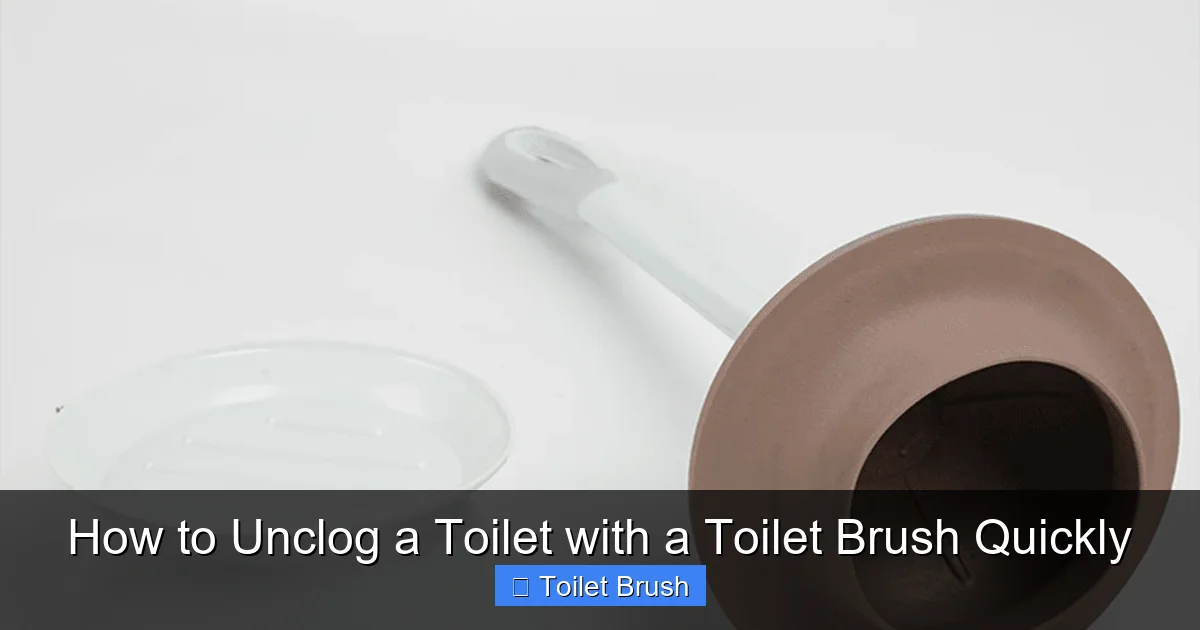
Visual guide about How to Unclog a Toilet with a Toilet Brush Quickly
Image source: img.ltwebstatic.com
What You’ll Need
- A sturdy toilet brush with a solid handle and a head made of firm, rubber-like bristles.
- Rubber or disposable gloves (essential!).
- Eye protection (safety glasses or goggles – trust us on this).
- Old towels or rags for the floor.
- A bucket or large cup.
- Disinfectant cleaner or bleach.
- A trash bag.
Step-by-Step: Unclogging Your Toilet with a Brush
Step 1: Gear Up and Prepare the Area
Put on your gloves and eye protection. This is a messy job, and you want to avoid any splashback. Lay old towels around the base of the toilet to catch any spilled water. This keeps your floor clean and prevents slips.

Visual guide about How to Unclog a Toilet with a Toilet Brush Quickly
Image source: img.ltwebstatic.com
Step 2: Reduce the Water Level in the Bowl
If the bowl is very full, you need to remove some water. This prevents overflow when you start plunging. Use your bucket or a large cup to carefully scoop water from the bowl into the sink or tub. Aim to lower the level so it’s about halfway or less. This gives you room to work without making a mess.
Step 3: Position the Toilet Brush Correctly
This is the most crucial step. Hold the toilet brush by the end of the handle. You want maximum leverage. Submerge the bristled head fully into the water, positioning it directly over the drain hole at the bottom of the bowl. Your goal is to use the brush head like a makeshift plunger cup.
Step 4: Create a Seal and Start Plunging
Press the brush head down firmly over the drain. Try to get the bristles to splay out and create as tight a seal as possible. Once sealed, use a forceful, vertical plunging motion. Push down firmly, then pull up slightly to break the seal, and repeat. The action is identical to using a plunger: you are pushing water and air pressure down the drain to dislodge the clog.
Maintain a steady rhythm. Do this 10-15 times in a row before checking for progress.
Step 5: Check for Success and Repeat
After a series of plunges, quickly pull the brush out and look at the water level. If you hear a satisfying “gloop” and see the water level drop rapidly, you’ve succeeded! Flush the toilet once carefully to ensure it drains completely. If the water level hasn’t changed, repeat Step 4. Be patient; this can take several minutes of effort for a stubborn clog.
Step 6: The All-Important Cleanup
Once the clog is clear, you face a critical decision about the brush. For hygiene reasons, the safest course is to discard it. Place it directly into a plastic bag, tie it securely, and put it in the outside trash. If you must keep it, you need to disinfect it thoroughly. Submerge the head in a bucket of a strong bleach solution (1 part bleach to 10 parts water) for at least 30 minutes. Rinse it very well afterward. Clean and disinfect the toilet bowl, rim, and any splashed areas with your preferred cleaner. Wash your gloves and hands meticulously.
Troubleshooting: What If It Doesn’t Work?
If you’ve tried for 5-10 minutes with no change, the clog is likely too severe for this method. Do not continue, as you could break the brush or handle. At this point, you have a few options:
Visual guide about How to Unclog a Toilet with a Toilet Brush Quickly
Image source: img.ltwebstatic.com
- Acquire a Proper Plunger: Send someone to buy a flange-style toilet plunger and try again with the right tool.
- Try a Toilet Auger (Closet Snake): This tool is designed to reach into the trap and break up or retrieve clogs. It’s the logical next step after a plunger fails.
- Call a Professional Plumber: If you lack the tools, confidence, or the clog persists, it’s time to call an expert. This is especially true for recurring clogs, which may indicate a deeper sewer line issue.
Conclusion
Knowing how to unclog a toilet with a toilet brush quickly is a valuable piece of emergency home knowledge. While it’s not a perfect substitute for a plunger, this technique can effectively resolve many common toilet clogs when you’re in a bind. Remember, the core principles are safety, creating a good seal, and persistent plunging action. After this experience, make it a priority to buy a proper plunger and keep it accessible. A little preparation can prevent a lot of future hassle, ensuring you’re never caught off-guard by a stubborn clog again.
🎥 Related Video: How To Unclog A Toilet Using A Toilet Bowl Brush! Yes, THIS WILL WORK! I GUARANTEE!!!
📺 Check It Out !!!
In today’s video, I’ll show you how to easily unplug lodge toilet. This is so easy your kids can do it! This will work with all brands of …