

Toilet brushes are a major source of hidden germs if not maintained correctly. This guide reveals the science behind the bacteria they harbor and provides a step-by-step protocol for deep cleaning and sanitizing. You’ll also discover innovative, more hygienic alternatives to the traditional brush.
Key Takeaways
- Traditional toilet brushes are breeding grounds for germs: The damp, dark environment of a brush caddy promotes the growth of bacteria, viruses, and mold.
- Proper cleaning is non-negotiable: A simple rinse is insufficient. A monthly deep clean with bleach or vinegar is essential to maintain sanitation.
- Storage is as important as cleaning: A brush must dry completely between uses. Enclosed holders trap moisture and worsen the germ problem.
- Disposable and silicone brushes are superior alternatives: Products with disposable heads or self-cleaning silicone bristles offer a more hygienic solution by design.
- Regular replacement is crucial: Even with meticulous cleaning, a worn brush can harbor pathogens and should be replaced every 3-6 months.
- You can make your own effective cleaning solution: A mix of baking soda and vinegar or a diluted bleach soak can effectively disinfect a toilet brush.
Are Toilet Brushes Sanitary? The Hidden Truth
You use it to clean one of the dirtiest spots in your home. Then you put it away, damp and out of sight. But have you ever stopped to ask: is my toilet brush actually clean? The unsettling truth is that the very tool we rely on for bathroom hygiene can become a secret hub for germs. This guide will uncover the hidden world of toilet brush bacteria. You will learn the real risks. You will get a foolproof cleaning routine. And you will discover smarter, more sanitary alternatives. Let’s dive in and clear up the mess.
The Unseen Germ Factory in Your Bathroom
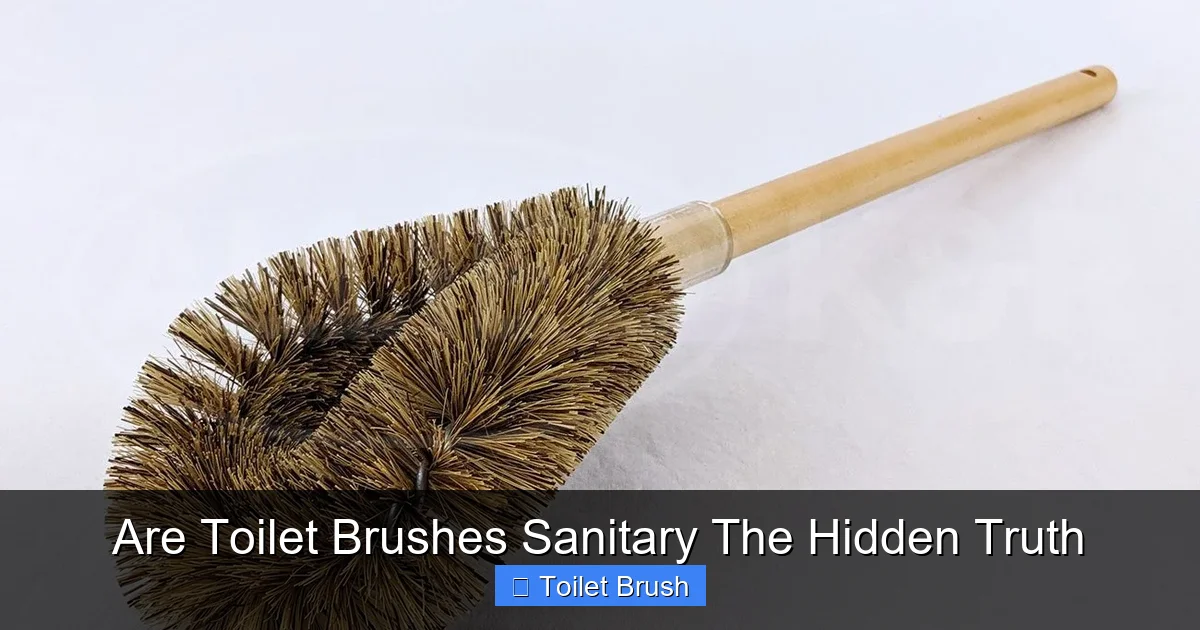
Think about what a toilet brush does. It scrubs away waste, bacteria, and mineral stains. After its job, millions of microbes cling to its bristles. When you simply rinse it and place it back in its holder, you create a perfect storm for microbial growth.
Visual guide about Are Toilet Brushes Sanitary The Hidden Truth
Image source: alliedkr.com
The holder is often dark and enclosed. It traps moisture. This damp, dark environment is a five-star hotel for germs. Bacteria like E. coli and Salmonella can survive. Mold and mildew spores can flourish. Every time you flush, aerosolized particles (the “toilet plume”) can settle on the brush and holder, adding to the problem. So, a poorly maintained toilet brush isn’t just dirty—it can actively spread germs, undermining your cleaning efforts.
Your Step-by-Step Guide to a Sanitary Toilet Brush
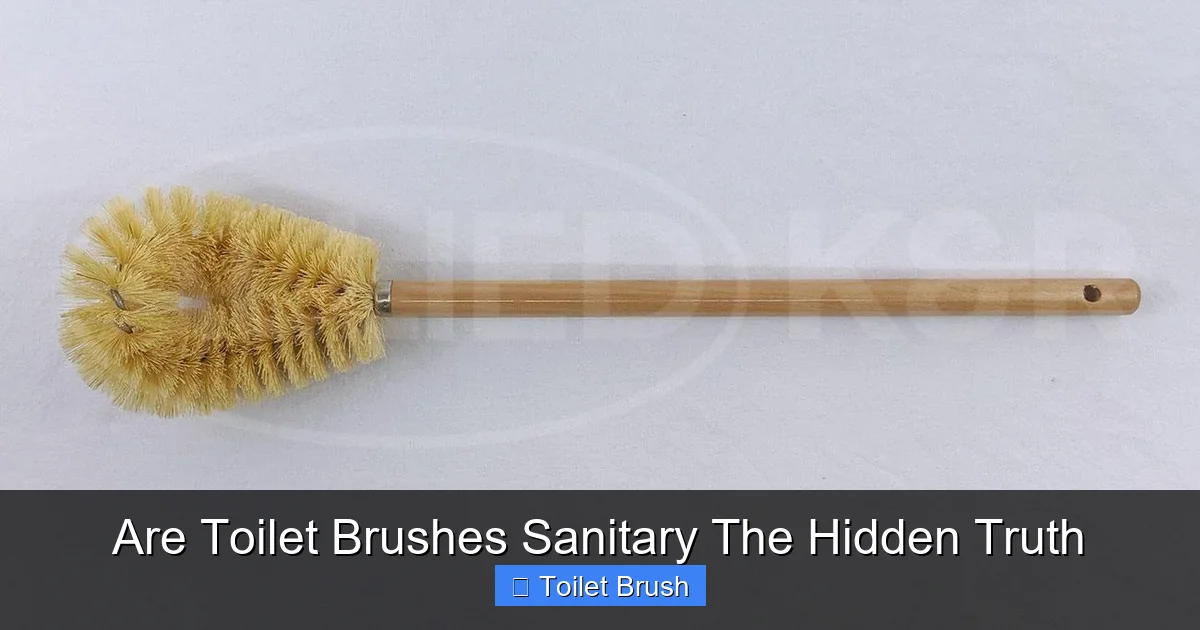
Keeping your toilet brush sanitary is not hard. It just requires a consistent routine. Follow these steps after every use and for a monthly deep clean.
Visual guide about Are Toilet Brushes Sanitary The Hidden Truth
Image source: alliedkr.com
Step 1: The Correct Post-Cleaning Rinse
Right after scrubbing the toilet, don’t just dunk the brush. This spreads dirty water.
- Hold the brush over the toilet bowl.
- Flush the toilet, letting the clean water rinse over the bristles as the bowl refills.
- Shake it gently over the bowl to remove excess water.
Step 2: The Critical Drying Step
Moisture is the enemy of sanitation. You must let the brush dry completely.
- Avoid putting it directly into a closed holder. This creates a swamp.
- Use a stand that allows air to circulate around the bristles.
- Better yet, place the brush across the empty toilet bowl for 15-20 minutes to air-dry before storing.
Step 3: The Monthly Deep Clean & Disinfect
This is the most important step to kill hidden germs. Choose one of these methods.
Method A: The Bleach Soak (Most Effective)
Bleach is a powerful disinfectant against a broad spectrum of pathogens.
- Put on gloves and open a window for ventilation.
- Fill the toilet bowl clean with about 1 gallon of hot water.
- Add 1 cup of household bleach (5-6% sodium hypochlorite).
- Submerge the brush head completely. Let it soak for at least 30 minutes, up to an hour.
- Remove the brush, rinse it thoroughly under hot water (flush the toilet to rinse in the bowl water), and let it air-dry completely.
Method B: The Vinegar & Baking Soda Clean (Natural Alternative)
This method is great for dissolving mineral deposits and killing some germs.
- Sprinkle a generous amount of baking soda directly onto the damp bristles.
- Place the brush in a bucket or the empty toilet bowl.
- Pour white distilled vinegar over the bristles. It will fizz, lifting grime.
- Let it sit for 30 minutes. Scrub the brush against itself or the side of the bowl.
- Rinse extremely well with hot water and air-dry.
Step 4: Don’t Forget the Holder!
The caddy or holder is just as contaminated. Clean it weekly.
- Empty it and wash it with hot, soapy water.
- Spray or wipe the interior with a disinfectant spray or a vinegar-water solution.
- Rinse and dry it completely before putting the clean brush back.
Troubleshooting Common Toilet Brush Problems
Problem: Persistent bad odor coming from the brush or holder.
Solution: This means bacteria and mold are present. Perform the bleach soak immediately. Ensure the brush and holder dry completely after every use. Consider replacing the brush if the odor remains.
Visual guide about Are Toilet Brushes Sanitary The Hidden Truth
Image source: alliedkr.com
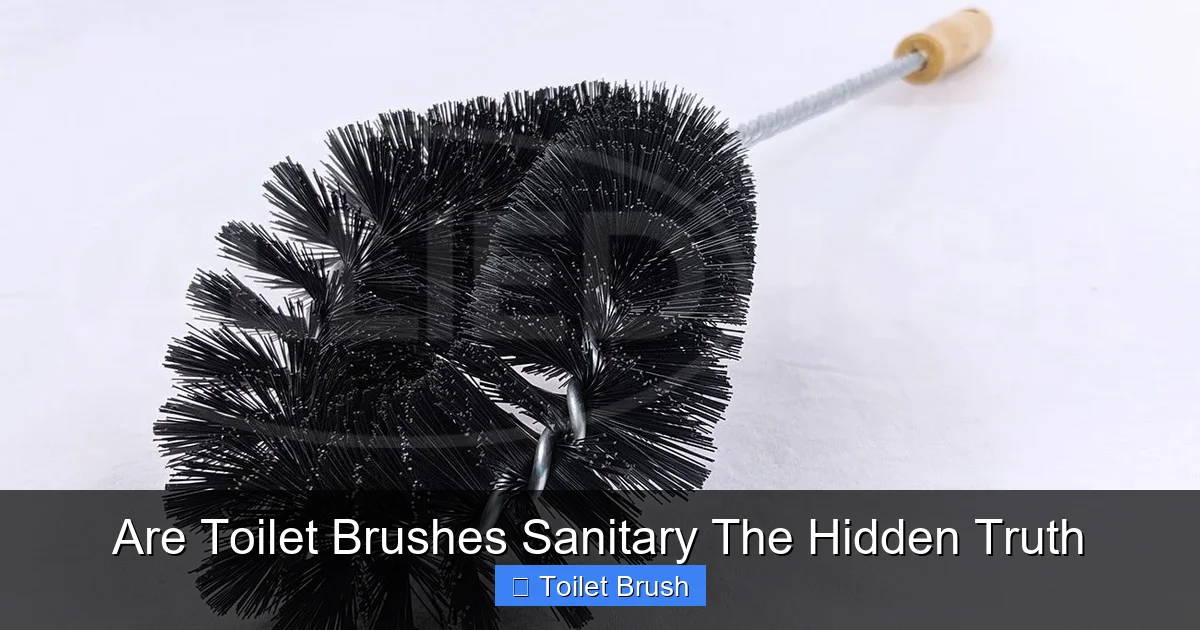
Problem: Bristles are frayed, bent, or falling out.
Solution: Stop using it immediately. Worn bristles are less effective at cleaning and have more crevices for germs to hide. It’s time for a replacement.
Problem: Pink or black film on the brush/holder.
Solution: This is likely mold or Serratia marcescens (pink mold). Soak in a stronger bleach solution (1 part bleach to 4 parts water) for an hour. Scrub the holder thoroughly. Increase bathroom ventilation to reduce humidity.
Beyond the Brush: More Sanitary Alternatives
If the idea of a germ-harboring brush still bothers you, modern alternatives offer a cleaner approach.
- Disposable Head Brushes: These systems have a handle that holds disposable, replaceable scrubber heads. You use one and throw it away, so there’s no permanent germ reservoir.
- Silicone Brush Heads: Silicone is non-porous, so bacteria have a harder time sticking to it. Many are designed to be “self-cleaning”—their flexible fingers don’t trap debris like traditional bristles.
- Toilet Cleaning Wands with Disposable Pads: Popularized by brands like Clorox, these feature a long handle and a clip for a pre-soaked scrubbing pad. You snap on a fresh pad for each cleaning and throw it away after.
- High-Pressure Bidet Attachments: While not a scrubber, a bidet or bidet seat with a powerful spray function can drastically reduce the need for manual scrubbing, minimizing contact with germs.
Final Verdict: Can a Toilet Brush Ever Be Sanitary?
The answer is yes, but only with diligent care. A toilet brush left to its own devices is decidedly unsanitary. It becomes a petri dish in your bathroom. However, by adopting the strict cleaning and drying routine outlined in this guide, you can break the cycle of germ growth. The hidden truth is that the sanitation of your toilet brush is 100% in your hands. For ultimate peace of mind, however, exploring disposable or silicone alternatives is a smart, modern choice. Your bathroom cleaning should make your space healthier, not create a hidden hazard. Now you have the knowledge to ensure it does.
🎥 Related Video: The secret of TOILET brush. Has HIDDEN functions
📺 Clever Hacks
The secret of TOILET brush. Has HIDDEN functions.