
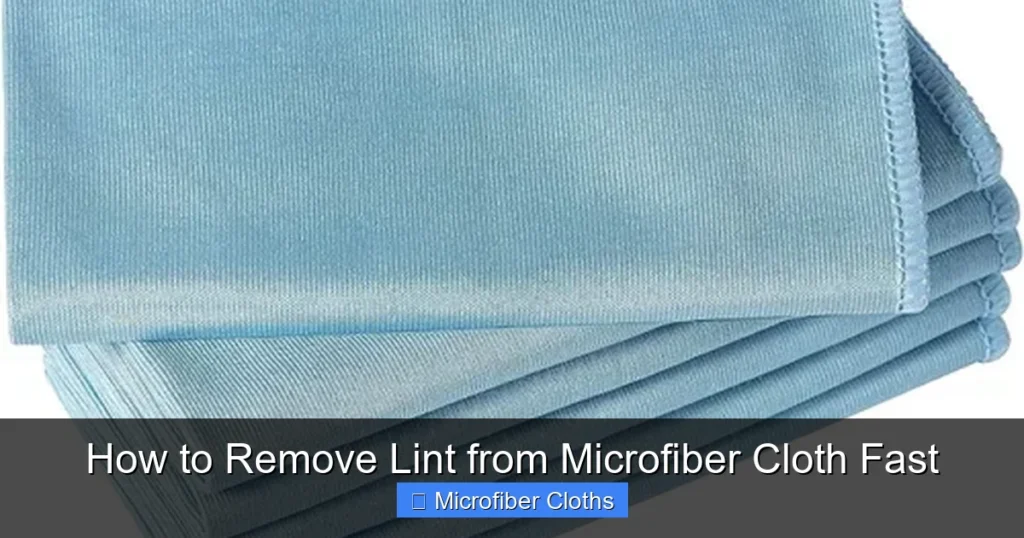
Frustrated by lint clinging to your microfiber cloths? This guide reveals quick, proven methods to remove lint fast and restore your cloths’ superior cleaning power. You’ll learn simple washing tweaks, drying tricks, and preventative care to keep cloths lint-free and effective for streak-free results. Stop replacing cloths prematurely!
Key Takeaways
- Wash new cloths first: Always pre-wash new microfiber to remove manufacturing residue and initial lint before first use.
- Separate microfiber loads: Never wash microfiber with cotton, towels, or fabrics that shed lint to prevent cross-contamination.
- Skip fabric softener & dryer sheets: These coat fibers, trapping lint and destroying absorbency; use vinegar instead for softness.
- Air dry or low heat: High heat melts fibers and sets lint; always air dry flat or use the lowest dryer setting possible.
- Brush gently when dry: Use a clean, soft-bristled brush (like a clothes brush) to lift surface lint from dry cloths before use.
- Store clean and dry: Keep lint-free cloths in a sealed container or drawer away from dusty areas to prevent re-linting.
How to Remove Lint from Microfiber Cloth Fast: Your Complete Guide
That frustrating moment arrives again. You grab your favorite microfiber cloth, ready to wipe down your sparkling countertops or give your car a flawless shine… only to find it covered in annoying little balls of fuzz and stray fibers. Lint on microfiber isn’t just unsightly; it ruins the cloth’s magic. Instead of grabbing dirt and spreading it, lint-clogged microfiber leaves streaks, reduces absorbency, and makes cleaning feel pointless. The good news? Removing lint from microfiber cloth is surprisingly fast and easy – if you know the right tricks. Forget throwing them away! This guide cuts through the confusion. You’ll discover exactly how to remove lint from microfiber cloth fast, restoring its superpower cleaning ability. We cover simple washing fixes, clever drying methods, quick brushing techniques, and essential preventative habits. By the end, you’ll have cloths that grab dirt, not shed it, saving you time, money, and frustration. Let’s get those cloths back to peak performance!
Why Microfiber Gets Lint (And Why It Matters)
Before diving into removal, understanding why lint happens helps prevent it. Microfiber cloths are made from ultra-fine synthetic fibers (usually polyester and polyamide), split during manufacturing to create millions of tiny hooks. This structure is what makes them so amazing at trapping dirt and liquid. However, those same tiny hooks can also catch and hold onto stray fibers from other fabrics – that’s lint. New cloths often shed initial manufacturing lint. Washing with cotton towels or clothes introduces external lint. Heat (like high dryer temps) can even melt fibers slightly, creating new fuzz. Lint isn’t just annoying; it directly impacts performance. Cloths covered in lint can’t effectively grab new dirt, leading to streaky windows, hazy car finishes, and surfaces that feel less clean. Removing lint restores the cloth’s ability to lift and hold contaminants, making your cleaning effortless and effective. Knowing the cause is the first step to a fast solution.
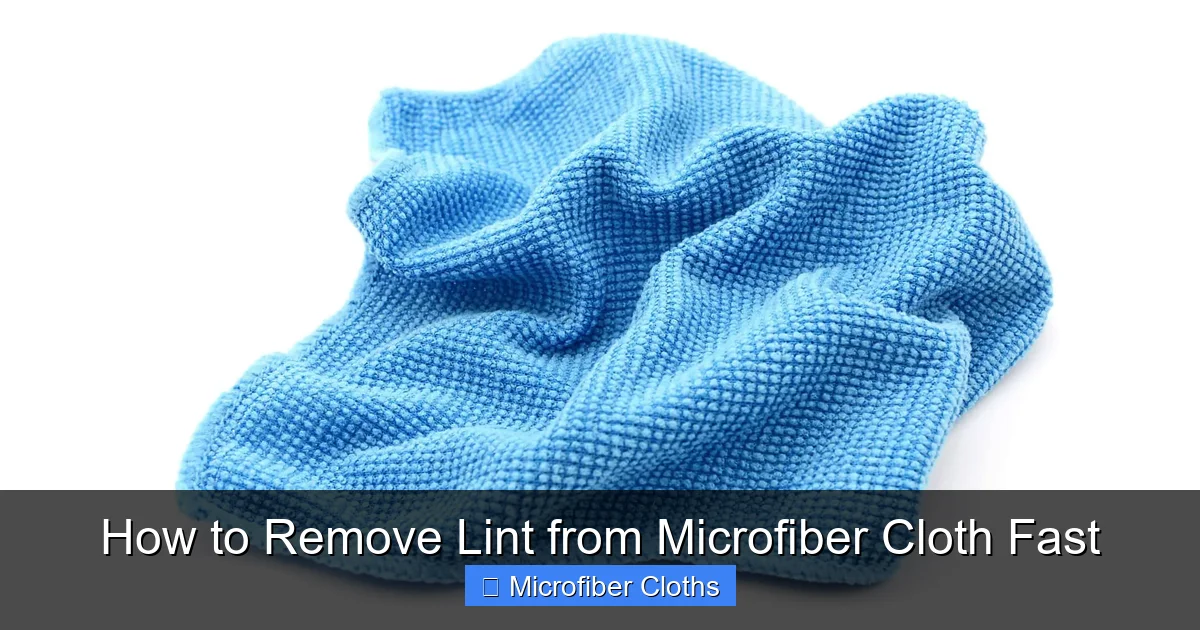
Visual guide about How to Remove Lint from Microfiber Cloth Fast
Image source: luxurauk.com
Method 1: The Correct Wash Cycle (Your First Defense)
Washing is the most common cause of lint buildup, but it’s also the most effective fix when done right. The key is how you wash, not just that you wash.
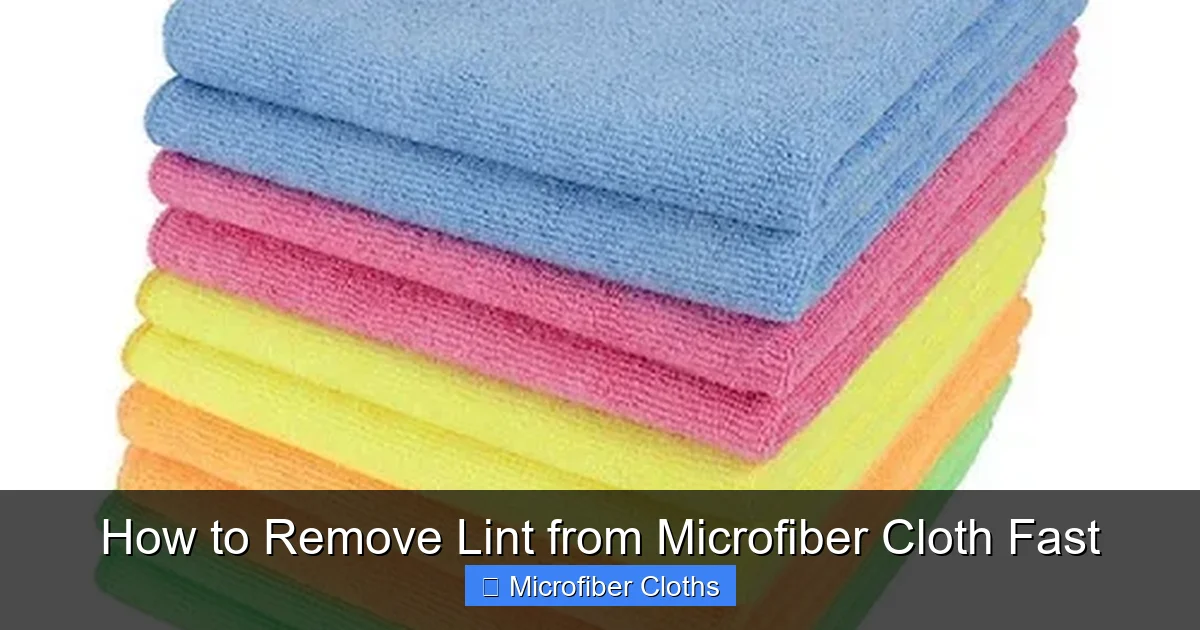
Visual guide about How to Remove Lint from Microfiber Cloth Fast
Image source: 5.imimg.com
Step 1: Prep Your Load Correctly
Never toss microfiber in with your regular laundry! This is the #1 mistake. Lint from cotton towels, t-shirts, or bed sheets will transfer onto your microfiber. Always wash microfiber cloths separately or only with other microfiber items (like mop heads). If you must wash with other items, ensure they are also low-lint synthetics (like some athletic wear), but separation is safest. Shake each cloth vigorously before washing to dislodge loose surface lint.
Step 2: Choose the Right Detergent & Settings
Use a small amount of liquid detergent – powders can leave residue. Crucially, avoid fabric softener and dryer sheets completely. These coat the microfiber’s tiny hooks, trapping lint inside and destroying absorbency. Instead, add 1/2 cup of white vinegar to the rinse cycle. Vinegar naturally softens fibers, removes detergent residue, and helps release trapped lint without damaging the cloth. Set your machine to a gentle or delicate cycle with cold or warm water (never hot – heat damages fibers). Extra rinses are beneficial to ensure all detergent and loosened lint is flushed out.
Step 3: The First Wash is Critical
New microfiber cloths almost always have manufacturing residue and initial lint. Always pre-wash new cloths before their first use. Wash them alone using the method above. This single step prevents that initial lint from ending up on your surfaces later and significantly reduces future lint issues. Think of it as “activating” your cloth properly.
Method 2: Smart Drying = Lint Prevention
How you dry your microfiber is just as important as how you wash it for preventing and removing lint. Heat is the enemy.
Visual guide about How to Remove Lint from Microfiber Cloth Fast
Image source: 5.imimg.com
Air Drying: The Gold Standard
Air drying is the absolute best method to remove lint from microfiber cloth and keep it lint-free long-term. Lay cloths flat on a clean drying rack, mesh screen, or even a clean towel. Ensure good airflow around them. Avoid direct, intense sunlight for prolonged periods as it can degrade fibers over time, but indirect light is fine. Air drying allows any remaining loose lint to fall away naturally without the agitation and heat of a dryer that can set lint or create new fuzz. This method is fast (usually 1-2 hours for thin cloths) and completely safe.
If You Must Use a Dryer: Extreme Caution
Sometimes air drying isn’t practical. If you must use a dryer:
- Use the LOWEST heat setting possible (Air Fluff/No Heat is ideal if your machine has it).
- Never use high heat – it melts fibers, creating permanent fuzz and setting any existing lint.
- Dry with clean, dry tennis balls (specifically designed for this) or clean, dry microfiber cloths only. The tennis balls gently beat the cloths, helping to release trapped lint without damaging fibers. Avoid wool dryer balls as they can shed.
- Check frequently and remove cloths as soon as they are *completely* dry. Over-drying makes fibers brittle and more prone to linting.
- Skip the dryer sheet – remember, they ruin microfiber!
While not as good as air drying, this cautious approach minimizes lint creation during drying.
Method 3: The Quick Brush-Off (For Immediate Use)
Need a cloth right now but see some surface lint? This is the fastest method to remove lint from microfiber cloth before tackling a wipe.
Choose the Right Brush
You need a soft-bristled brush. A clean, dedicated clothes brush (often rubber or very soft nylon) works perfectly. Avoid stiff brushes, wire brushes, or anything abrasive that could snag the delicate microfiber. A clean, soft toothbrush can work in a pinch for small areas, but a proper clothes brush is best.
The Gentle brushing Technique
Ensure the cloth is completely dry. Lay it flat on a clean surface. Using light pressure, brush in one direction following the weave of the cloth. Don’t scrub aggressively. The goal is to lift the loose lint balls to the surface where they can be easily flicked or blown away. Brush for 10-20 seconds per cloth. You’ll often see the lint collect on the surface. Simply shake the cloth vigorously or use a lint roller/tape to remove the dislodged lint. This takes less than a minute per cloth and is incredibly effective for surface lint. It’s perfect for when you grab a cloth and spot a few fuzzies.
Method 4: The Vinegar Soak (For Stubborn Lint Buildup)
If washing alone isn’t cutting it and brushing only handles surface lint, a targeted vinegar soak can help release deeply embedded fuzz.
Prepare the Soak
Fill a sink or basin with cool or lukewarm water. Add 1 cup of white distilled vinegar. Never use hot water for soaking. Submerge the linty microfiber cloths completely. Let them soak for 15-30 minutes. Vinegar helps break down any residual detergent or mineral deposits that might be trapping lint and gently softens the fibers to release the fuzz.
Rinse and Dry Properly
After soaking, drain the vinegar water. Rinse the cloths thoroughly under cool running water until the water runs clear and there’s no vinegar smell. Gently squeeze out excess water – never wring microfiber, as this can damage the fibers. Proceed to air dry flat immediately using Method 2. The combination of the vinegar soak and proper air drying should significantly reduce lint. Avoid machine drying after a vinegar soak unless using the ultra-low heat method described earlier.
Method 5: Prevention is Faster Than Cure
The absolute fastest way to deal with lint is to stop it from happening in the first place. Consistent preventative habits save you time scrubbing later.
Dedicated Microfiber Laundry Routine
Make washing microfiber separately a non-negotiable habit. Have a specific hamper just for used microfiber cloths. Stick to cold/warm water, minimal liquid detergent, vinegar in the rinse, and air drying. This routine prevents 90% of lint problems before they start.
Smart Storage Solutions
Store your clean, dry microfiber cloths in a way that keeps them lint-free:
- Use airtight containers (plastic bins with lids).
- Store in a clean drawer, away from areas where dust or other fabrics are present.
- Avoid leaving them loose in a utility closet where they can pick up dust and fibers.
- Fold them neatly; don’t cram them in.
Proper storage ensures your cloths stay ready to use without needing a last-minute lint removal session.
Troubleshooting Stubborn Lint Problems
Sometimes lint persists despite your best efforts. Here’s how to tackle tough cases:
Problem: Lint keeps coming back after every wash.
Solution: This usually means you’re washing with lint-shedding fabrics (cotton towels are the worst culprit). Double and triple-check your laundry separation. Also, ensure you’re using enough vinegar in the rinse cycle to remove detergent residue that traps lint. Try an extra rinse cycle. If the cloth is very old or low quality, it might be time to replace it – fibers degrade over time.
Problem: Cloth feels stiff or rough, not soft.
Solution: Stiffness often means detergent or fabric softener residue is coating the fibers, which also traps lint. Run the cloth through an extra rinse cycle with vinegar (no detergent). For severe buildup, try the vinegar soak method (Method 4). Avoid fabric softener forever!
Problem: Visible melted spots or excessive fuzz.
Solution: This indicates heat damage from high dryer temperatures or ironing. Unfortunately, melted fibers are permanent. The cloth’s performance is likely compromised. Stop using high heat immediately for future washes. Air dry only. Consider replacing severely damaged cloths, as they won’t clean effectively and will shed more lint.
Problem: Lint appears immediately after brushing.
Solution: This suggests the lint isn’t just surface-level; it’s being generated by the cloth itself due to fiber breakdown. The cloth may be nearing the end of its lifespan. Focus on preventative washing/drying for your other cloths. If it’s a valuable cloth, try the vinegar soak followed by air drying. If it’s a cheap cloth, replacement might be the most time-efficient option.
Conclusion: Enjoy Lint-Free Cleaning Power
Removing lint from microfiber cloth fast isn’t about complicated rituals; it’s about working with the fabric’s unique properties, not against them. By mastering the simple steps outlined here – washing separately with vinegar, air drying diligently, using a quick brush-off, and implementing smart prevention – you transform a frustrating chore into a seamless part of your cleaning routine. You’ve learned that the fastest lint removal starts long before you see the fuzz: with correct washing, careful drying, and proper storage. No more streaky windows, hazy car finishes, or surfaces that just won’t stay clean. Your microfiber cloths will regain their incredible ability to lift dirt, absorb spills, and leave surfaces truly spotless. The time saved from not fighting lint and replacing cloths prematurely is the real win. Embrace these methods, and you’ll keep your microfiber performing like new, wash after wash. Grab your brush, adjust your laundry habits, and get ready to experience the joy of truly effective, lint-free cleaning!
🎥 Related Video: How To Clean Microfiber Towels !
📺 khc details