
Getting truly clean floors is more than a quick mop. This guide reveals the expert-endorsed system for a deep clean that lasts. You’ll learn the crucial pre-cleaning steps most people skip, the best tools and solutions for your specific floor type, and professional techniques for a sanitized, streak-free finish.
Key Takeaways
- Preparation is 80% of the Work: A thorough dry clean (sweeping, vacuuming, dust mopping) removes abrasive grit that causes scratches and makes mopping more effective.
- Know Your Floor Type: Using the wrong cleaner or tool can damage surfaces. Always identify your flooring material (e.g., hardwood, laminate, vinyl, tile) and clean accordingly.
- Use the Right Amount of Water: Over-wetting is a top cause of damage, especially for wood and laminate. Wring out your mop until it’s just damp, never soaking.
- Work in Sections and Change Water Often: Clean in small, manageable areas and replace your cleaning solution frequently to avoid just spreading dirt around.
- Dry Your Floors Thoroughly: The final drying step prevents streaks on vinyl and tile and protects moisture-sensitive floors from warping and water spots.
- Deep Clean Periodically: Regular maintenance should be supplemented with a periodic deep clean to remove built-up grime and restore shine.
- Protect Your Investment: Use mats at entries, felt pads under furniture, and trim pet nails to minimize daily dirt and scratches, keeping floors cleaner longer.
How to Get Floors Really Clean: Secrets from Experts
Do your floors look dull even after you mop? Do you see streaks or feel grit underfoot? You are not alone. Most floor cleaning fails because we rush to the “wet” part. True cleaning is a process. This guide will teach you that process. We will share trade secrets from professional cleaners. You will learn how to get floors really clean, shiny, and sanitized. We cover all common floor types. Let’s turn your chore into a triumph.
The Expert Mindset: Cleaning vs. Maintaining
First, let’s change how we think. There is a big difference between cleaning and maintaining. Maintenance is the quick sweep you do on Tuesday. Cleaning is the full, deep process. To get floors really clean, you must commit to the full process. It takes a little more time upfront. But the result lasts much longer. Your floor will look better. It will even be healthier for your home. Ready to learn the system? Let’s begin.

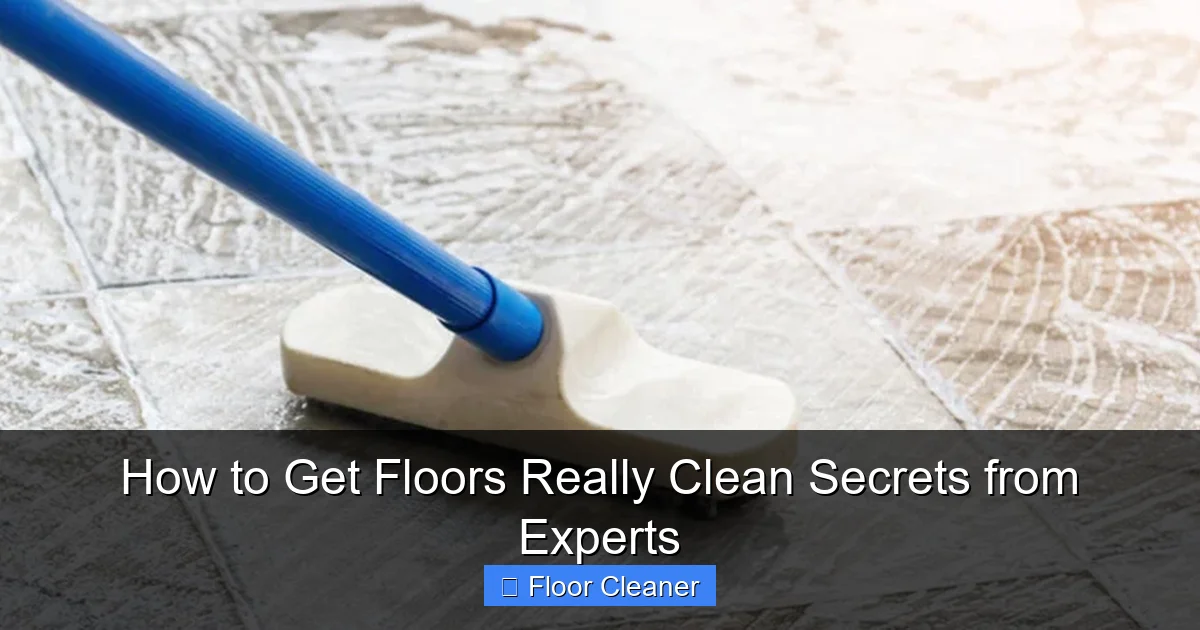
Visual guide about How to Get Floors Really Clean Secrets from Experts
Image source: laurenrdaniels.com
Step 1: The Essential Pre-Clean (The Step Most People Skip)
This is the most important step. Skipping it is why mops push dirt around. The goal here is to remove all dry, loose debris.

Visual guide about How to Get Floors Really Clean Secrets from Experts
Image source: hydraklean.com
Clear the Room
Remove small furniture, rugs, toys, and pet bowls. This gives you clear access to the entire floor surface.
Dry Dust from Top to Bottom
Use a microfiber duster or a vacuum with a soft brush attachment. Dust baseboards, corners, and vents. This prevents dust from settling on your wet floor later.
Sweep or Vacuum Thoroughly
For hard surfaces, use a soft-bristle broom or a vacuum specifically designed for hard floors (suction-only mode, no beater bar). Go slowly. Overlap your strokes. Pay special attention to corners and under cabinets. For carpets, a full vacuuming on the highest setting is non-negotiable.
Pro Tip: Place a damp paper towel or dryer sheet under your dustpan. It catches fine dust that normally puffs back into the air.
Step 2: Identify Your Floor Type and Choose Your Weapons
You would not use dish soap on your hair. Do not use the wrong cleaner on your floor. Using the wrong product can cause haze, discoloration, or permanent damage.
Visual guide about How to Get Floors Really Clean Secrets from Experts
Image source: assets-global.website-files.com
Sealed Hardwood Floors
These have a protective finish (like polyurethane). They are sensitive to excess water and harsh chemicals. Use a pH-neutral, hardwood-specific cleaner and a well-wrung microfiber mop.
Laminate & Luxury Vinyl Plank (LVP)
These are water-resistant, not waterproof. Avoid soap-based cleaners that leave a dulling film. A vinegar-water solution (1/2 cup white vinegar per gallon of warm water) or a laminate-specific cleaner works best.
Sheet Vinyl & Vinyl Tile
More water-tolerant. You can use mild dish soap or all-purpose floor cleaners. Avoid abrasive scrubbers that can scratch the surface.
Ceramic & Porcelain Tile
Tile is durable, but the grout (the lines between tiles) is porous and stains easily. You will need a tile cleaner and a grout brush for a deep clean.
Natural Stone (Granite, Marble, Slate)
These are porous and react to acid. Never use vinegar or generic cleaners. Only use cleaners formulated for your specific stone type.
Step 3: The Deep Cleaning Process (By Floor Type)
Now for the main event. Follow the method for your specific floor.
How to Get Hardwood Floors Really Clean
Your enemy here is moisture. Protect your investment.
- Mix Your Solution: In a bucket, dilute hardwood floor cleaner as directed. Usually, it’s a small amount in a gallon of warm water.
- Wring, Wring, Wring: Dunk your microfiber mop head and wring it out completely. It should feel only slightly damp to the touch.
- Mop with the Grain: Go in the direction of the wood planks. This prevents streaking and picks up debris more effectively.
- Work in Small Sections: Clean a 3×3 foot area, then flip or change your mop pad. Rinse the mop head frequently in a separate bucket of clean water to avoid redepositing dirt.
- Dry Immediately: Follow behind with a dry, clean microfiber towel to buff off any residual moisture and prevent water spots.
How to Get Laminate and LVP Floors Really Clean
The goal is a streak-free, film-free shine.
- Vinegar Solution Method: Mix 1/2 cup white vinegar with 1 gallon of warm water. The mild acid cuts grease without leaving residue.
- Damp Mop Only: As with hardwood, an overly wet mop can seep into seams and cause swelling. Use a very well-wrung mop.
- For Sticky Spots: Use a microfiber cloth dampened with your cleaning solution to spot-clean. Do not pour liquid directly on the floor.
- Final Rinse (Optional but Effective): Go over the floor with a mop dampened with plain water to remove any cleaner residue. Dry with a towel.
How to Get Tile and Grout Really Clean
This is a two-part job: the tile surface and the grout lines.
- Clean the Tile: Mop with a mild all-purpose or tile cleaner using a looped-end microfiber mop (great for textured tile).
- Attack the Grout: For routine cleaning, use a grout brush (a small, stiff-bristled brush) or an old toothbrush with your cleaning solution. Scrub the grout lines.
- Deep Grout Clean: For stained grout, make a paste of baking soda and water. Apply to grout lines, then spray with vinegar. Let it fizz for 5-10 minutes, then scrub and rinse thoroughly.
Step 4: The Final, Game-Changing Steps
Experts never stop at mopping. These final touches make the difference.
Dry the Floor Thoroughly
Use a dry microfiber mop or towel to wipe the entire floor after cleaning. This prevents streaks on vinyl and tile and is critical for the safety and longevity of wood and laminate.
Buff for Shine (On Appropriate Floors)
For sealed hardwood or vinyl, use a dry, clean microfiber mop to buff the floor in a circular motion after it’s dry. This brings up a beautiful natural shine.
Let it Breathe
Keep foot traffic to a minimum for 30-60 minutes to let the floor completely dry and the cleaner settle.
Troubleshooting Common Floor Problems
Even with great care, problems pop up. Here’s how experts fix them.
Cloudy, Streaky Floors
This is usually caused by cleaner residue. Solution: Mop the floor with plain water to rinse, using a fresh mop pad. Wring very well and dry thoroughly. For future cleans, use less cleaner.
White, Hazy Spots on Hardwood
This is often water damage or wax buildup. Solution: For minor haze, try buffing with a dry cloth. For persistent spots, lightly rub with fine steel wool (000 grade) dipped in floor wax, following the wood grain.
Sticky Residue
From spilled soda or improper cleaner. Solution: Dampen a cloth with rubbing alcohol (test in a hidden area first) or a solution of warm water and a few drops of dish soap. Wipe the spot, then rinse with a water-dampened cloth and dry.
Scratches on Hard Surfaces
Light surface scratches on vinyl or finished wood can sometimes be hidden. Solution: Use a color-matched floor repair marker or a paste made from walnut meat (rub into shallow wood scratches).
Conclusion: Your Blueprint for Pristine Floors
Learning how to get floors really clean is about mastering a system, not just a swipe. Remember the golden rule: dry clean first, know your floor, use minimal moisture, and finish dry. When you follow this expert process, you move beyond maintenance to true cleaning. Your floors will not only look spectacular but will also be protected for years to come. Put these secrets into practice. Your home will feel fresher, brighter, and truly clean from the ground up.
🎥 Related Video: Right way to deep clean your floors
📺 TIDY MONSTER
