
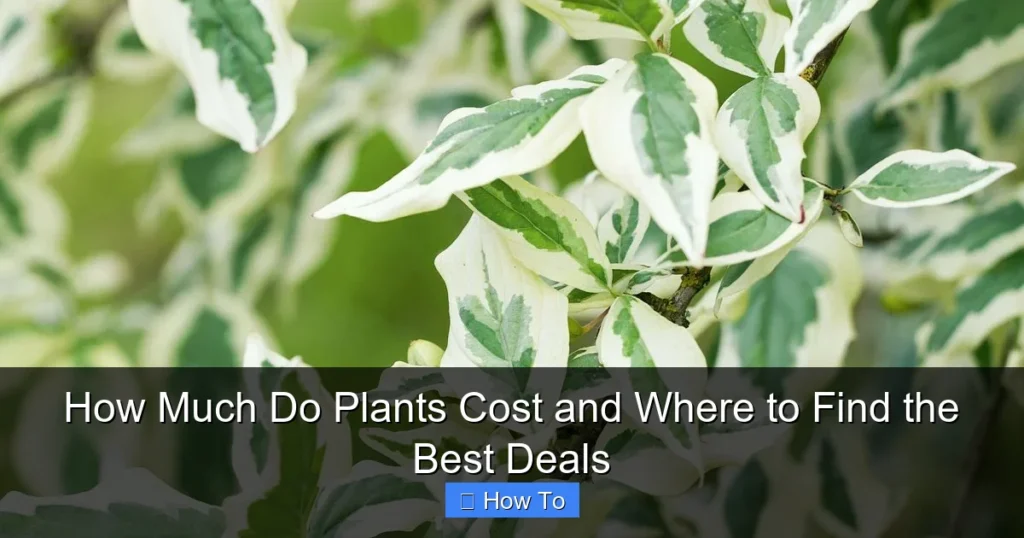
When starting a garden or indoor jungle, you need to know how much do plants cost to budget effectively. Prices range from $5 for small starters to over $500 for mature trees. This guide helps you navigate prices and find high-quality plants at the lowest prices possible.
Buying plants is a wonderful way to brighten your home. It brings nature inside. It cleans the air. It makes you feel calm. But many new plant parents have one big question. They want to know: how much do plants cost? The truth is that prices vary a lot. You can find a tiny succulent for five dollars. You can also find a rare tree for five hundred dollars. Knowing what to expect helps you plan your budget. In this guide, we will break down every cost. We will show you how to find the best deals. You will learn how to build a beautiful collection without breaking the bank.
Key Takeaways
- Size is the biggest factor: Smaller “starter” plants are significantly cheaper than mature, floor-sized specimens.
- Rarity drives price: Common species like Pothos are budget-friendly, while rare variegated plants can cost hundreds of dollars.
- Big box vs. Boutique: Large retailers offer lower prices, but local nurseries often provide healthier plants and better expert advice.
- Hidden costs add up: Remember to budget for high-quality soil, decorative pots, fertilizer, and pest control supplies.
- Deals are everywhere: You can save money by shopping end-of-season sales, using Facebook Marketplace, or propagating plants for free.
Understanding the Basics: How Much Do Plants Cost?
Before you go to the store, you should know the price ranges. Most people spend between $10 and $50 on a single houseplant. If you are landscaping a yard, the price goes up. Why is there such a big range? It comes down to a few simple factors. These factors decide how much do plants cost at any given time. If you understand these, you can make better choices. You can decide when to splurge and when to save.
The Impact of Size on Price
Size is the most obvious factor. A plant that fits in a two-inch pot is very cheap. These are often called “starter plants.” You can get them for $3 to $8. A plant in a six-inch pot is medium-sized. These usually cost $15 to $35. If you want a tall plant that sits on the floor, expect to pay more. These come in ten-inch or twelve-inch pots. They usually cost between $50 and $150. If you have patience, buy small. A small plant will grow big over time. This is the best way to save money.
Rarity and Popularity
Some plants are trendy. When a plant becomes famous on social media, the price goes up. A common green Monstera is affordable. You might pay $25 for a nice one. But a “Variegated” Monstera has white splashes on the leaves. These are rare. They grow slowly. Because of this, they can cost $200 or even $1,000. If you are asking how much do plants cost, always check if the plant is a “rare” variety. If it is hard to find, it will be expensive.
The Maturity of the Plant
Time is money in the plant world. A nursery spends years watering and feeding a tree. They pay for the space it takes up. When you buy a mature plant, you are paying for those years of work. A young sapling might cost $20. A ten-foot-tall tree might cost $400. If you want instant results, you have to pay the higher price. If you can wait a few years, the younger plant is a better deal.
How Much Do Plants Cost by Category?
To give you a better idea of your budget, let’s look at specific types. Different categories have different price rules. This section will help you see how much do plants cost based on what you want to grow.
Visual guide about How Much Do Plants Cost and Where to Find the Best Deals
Image source: i0.wp.com
Indoor Houseplants
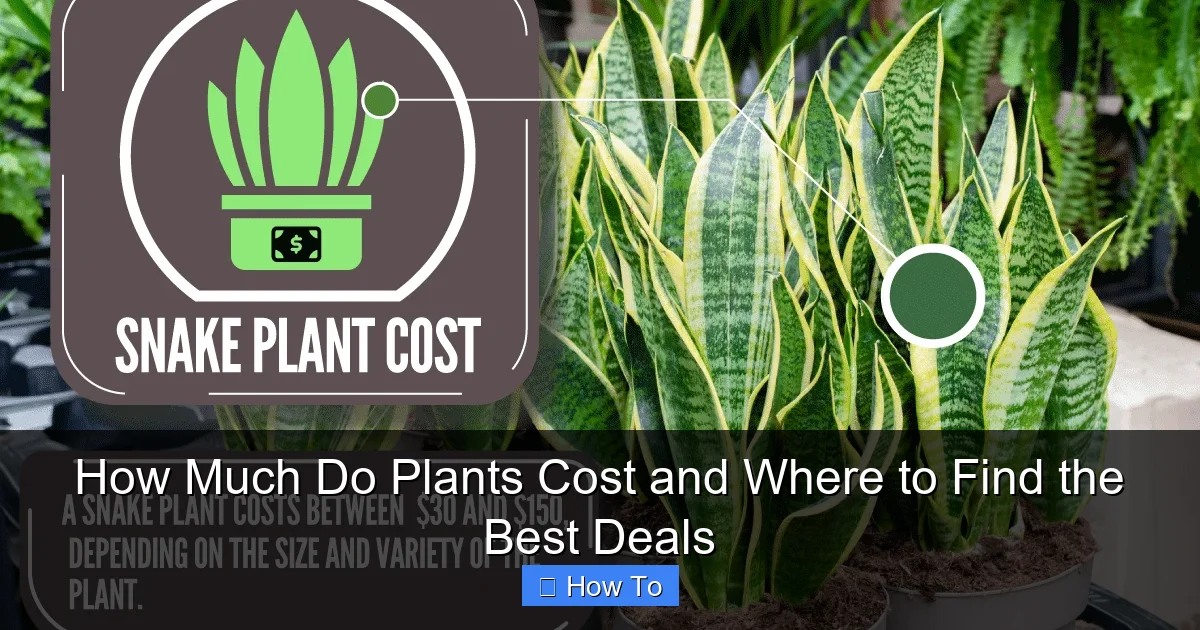
Indoor plants are very popular right now. For common types like Snake Plants, Pothos, or Spider Plants, the price is low. You can find these for $10 to $25. These are great for beginners. They are tough and cheap. If you want something more unique, like a Calathea or a Bird of Paradise, expect to pay $30 to $70. These look great but need more care. Rare tropical plants are the most expensive. Some collectors pay $100 for a single leaf cutting.
Succulents and Cacti
Succulents are often the most affordable option. They are small and easy to ship. You can find tiny succulents at big stores for $4. Even a large, beautiful jade plant might only cost $40. Cacti can be more expensive if they are very old. A large barrel cactus can cost $100 because it took twenty years to grow that big. For most people, succulents are the cheapest way to start a garden.
Outdoor Perennials and Flowers
Outdoor plants are usually sold by the “gallon” size. A one-gallon perennial plant usually costs $10 to $18. These are plants that come back every year. Annuals are plants that only live for one season. These are very cheap. You can get a “six-pack” of flowers for $5 or $6. If you are filling a large flower bed, annuals are a great way to add color for very little money.
Trees and Large Shrubs
Trees are a long-term investment. Fruit trees usually cost between $40 and $100. Ornamental trees like Japanese Maples are more expensive. They can cost $150 to $500 depending on their height. Shrubs like Boxwoods or Hydrangeas usually cost $25 to $60 each. When you buy trees, remember to think about delivery. They are heavy and might require a truck. This adds to the total cost.
Where to Find the Best Deals on Plants
Now that you know how much do plants cost, let’s talk about where to shop. Where you go changes the price significantly. You have many options, from big stores to your neighbors.
Visual guide about How Much Do Plants Cost and Where to Find the Best Deals
Image source: gardentabs.com
Big Box Retailers
Stores like Home Depot, Lowe’s, and IKEA buy plants in huge amounts. This makes their prices very low. You can find large plants here for a fraction of the price at a boutique. However, the quality can be hit or miss. These stores do not always take perfect care of the plants. Always check for bugs or dry soil before you buy. If you find a plant that looks a bit sad, ask for a discount. Many big box stores have a “clearance rack” where plants are 50% to 75% off.
Local Nurseries and Garden Centers
Local shops usually charge a bit more. You might pay $5 or $10 extra per plant. Why shop here? The quality is much higher. The staff are experts. They can tell you exactly how to keep your plant alive. This saves you money in the long run because your plants won’t die. They also have unique varieties you won’t find at big stores. If you want a healthy, long-lasting plant, the extra cost is worth it.
Online Plant Shops
Shopping online is very convenient. You can find almost any plant in the world. Prices online are often competitive. However, you must pay for shipping. Shipping live plants is expensive because they need fast delivery and special boxes. A $20 plant might cost $15 to ship. Look for online shops that offer “free shipping” if you spend a certain amount. This is a great way to get a deal if you are buying several plants at once.
Facebook Marketplace and Local Groups
This is one of the best secrets for finding deals. Other plant lovers often sell their plants when they move. Or they might sell “pups” or babies from their plants. You can find very large plants for very low prices. Sometimes people even give them away for free! Look for “Plant Swap” groups in your city. You can trade a cutting of your plant for a new one. This costs zero dollars.
Step-by-Step: How to Save Money on Your Plant Collection
If you are worried about how much do plants cost, follow these steps. These strategies will help you grow a huge garden on a tiny budget.
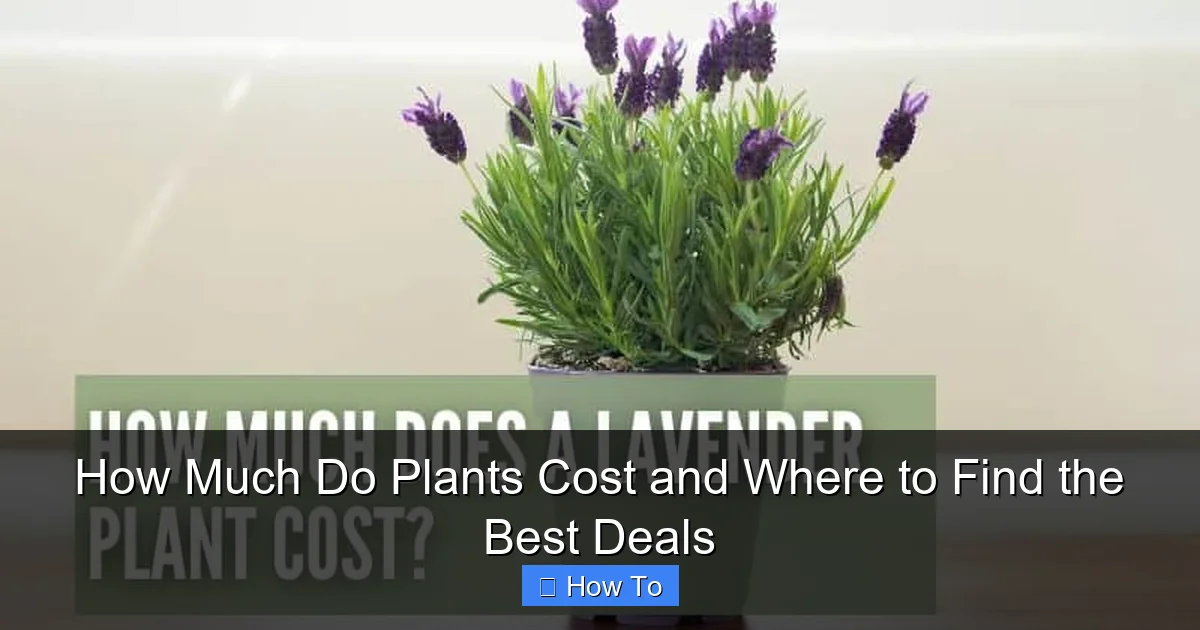
Visual guide about How Much Do Plants Cost and Where to Find the Best Deals
Image source: plantinggeek.com
Step 1: Start with Cuttings
Propagation is the magic of the plant world. You can take a small piece of a plant and grow a whole new one. Ask your friends for a leaf or a stem cutting. Put it in water and wait for roots. This is the cheapest way to get plants. It costs nothing but time. Many common plants like Pothos and Tradescantia are very easy to grow this way.
Step 2: Shop the Clearance Section
Go to the back of the garden center. Look for the “death rack.” These are plants that look a little brown or wilted. Most of the time, they just need a good drink of water and some fresh soil. You can often buy these for $1 or $2. It is a fun challenge to bring them back to life. It feels good to save a plant and save money at the same time.
Step 3: Buy During the Off-Season
Garden centers want to clear their stock when the seasons change. In late autumn, outdoor plants go on deep sale. They might not look pretty in the winter, but they will grow back in the spring. Indoor plants often go on sale after the holidays. Use these times to stock up. You can find high-end plants for very low prices if you shop when no one else is thinking about gardening.
Step 4: Join a Plant Community
Join a local gardening club or an online forum. People in these groups are very generous. They often share seeds, bulbs, and extra plants. They also know which local stores are having sales. Being part of a community makes the hobby more fun and much cheaper.
The Hidden Costs: What Else Do You Need to Buy?
When you ask how much do plants cost, don’t forget the extras. The plant itself is just the beginning. You need tools and supplies to keep it healthy. If you don’t budget for these, you might be surprised by the total bill.
Soil and Fertilizer
Plants cannot live in the same soil forever. You will eventually need to “repot” them. A good bag of potting soil costs $10 to $20. You also need fertilizer to help them grow. A bottle of liquid fertilizer usually costs $10 and lasts for a year. If you have many plants, these costs add up.
Pots and Containers
Decorative pots can be very expensive. A beautiful ceramic pot can cost more than the plant itself! To save money, keep your plants in their plastic “nursery pots.” Put the plastic pot inside a cheaper decorative container. You can find great pots at thrift stores or garage sales for just a few dollars. Just make sure they have a hole in the bottom for water to drain out.
Watering and Maintenance Tools
You will need a watering can. You might need a spray bottle for misting. Pruning shears are helpful for trimming dead leaves. You can find basic versions of these tools at “dollar stores.” You do not need the most expensive equipment to be a good plant parent.
Troubleshooting: Why Are My Plants Costing Me More?
Sometimes, the cost of plants goes up because things go wrong. If your plants keep dying, you are wasting money. Here is how to stop the “money pit” cycle.
Check for Pests Early
Bugs can ruin a whole collection. When you buy a new plant, look under the leaves. Look for webs or white spots. If you see bugs, do not buy it. If you bring bugs home, you will have to spend money on expensive soaps and oils to kill them. Always keep new plants away from your old ones for two weeks to be safe.
Stop Overwatering
The number one reason people lose money on plants is overwatering. Most plants like to dry out a bit. If you water too much, the roots will rot. Once a plant has root rot, it is very hard to save. Buying a “moisture meter” for $10 can save you hundreds of dollars in lost plants.
Right Plant, Right Place
Do not buy a sun-loving plant if your house is dark. It will die, and you will have to buy a new one. Read the tag on the plant before you pay. If it says “Full Sun” and you live in a basement, put it back. Choosing the right plant for your environment is the best way to keep your costs low.
Conclusion
So, how much do plants cost? As we have seen, the answer depends on your choices. You can spend a little or a lot. If you are on a tight budget, start small. Look for deals at big box stores. Use Facebook Marketplace to find gems. Don’t forget to ask friends for cuttings. If you want a luxury look, save up for one large “statement” plant and surround it with smaller, cheaper ones. Gardening is a journey. You don’t need to buy everything at once. Take your time, learn what your plants need, and watch your investment grow. With these tips, you can create a lush, green paradise that fits your budget perfectly.