
Yes, a toilet brush can be a surprisingly effective tool for unclogging a toilet. This guide reveals the specific technique to use it safely and effectively, turning a common bathroom item into a handy problem-solver. Learn when to try it and crucial safety steps to avoid a messy disaster.
Key Takeaways
- It Can Work, But Not Like a Plunger: A toilet brush uses a different principle—agitation and suction—to break up soft clogs, rather than the direct pressure of a plunger.
- Safety and Cleanliness Are Paramount: Wearing gloves and taking precautions to prevent splashing or brush contamination are the most critical steps.
- Only for “Soft” Clogs: This method is best for clogs caused by excess toilet paper or organic waste, not for toys, sanitary products, or hard objects.
- Preparation is Key: Removing excess water and having old towels or a mop ready can mean the difference between success and a huge mess.
- Know When to Stop: If the brush method doesn’t work after a few careful attempts, it’s time to switch to a proper plunger or auger to avoid damage.
- Disinfect Thoroughly Afterwards: The brush used in this process must be disinfected impeccably or, ideally, replaced to maintain bathroom hygiene.
Can a Toilet Brush Unclog a Toilet? The Surprising Answer
You’re facing a clogged toilet. The water is rising dangerously close to the rim. You glance around in a panic. No plunger in sight. But there, in the holder, is your trusty (or not-so-trusty) toilet brush. A wild thought crosses your mind: Can a toilet brush unclog a toilet?
The short, surprising answer is: Yes, it can. But before you grab it and start jabbing, there’s a huge “but.” Using a toilet brush to unclog a toilet is not the same as using a plunger. It requires a specific technique, serious safety precautions, and an understanding of when it’s appropriate. This complete guide will walk you through everything you need to know to attempt this method safely and effectively, turning a potential bathroom disaster into a manageable fix.
Understanding the “How”: Brush vs. Plunger
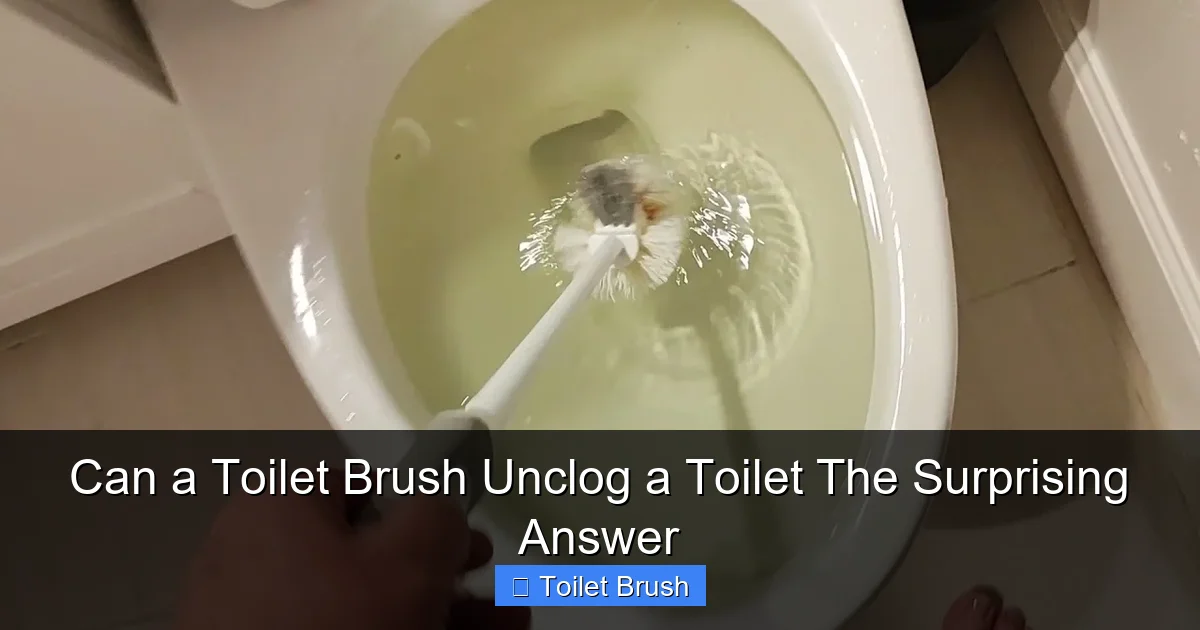
A plunger works by creating a seal and using air pressure to push or pull the clog through the drain. A toilet brush works on a different principle.
Visual guide about Can a Toilet Brush Unclog a Toilet The Surprising Answer
Image source: i.ytimg.com
Agitation and Suction: The bristles of the brush can help break apart a soft clog (like a large wad of toilet paper). Furthermore, when you push the brush head down the toilet trap (the curved pipe) and pull it back quickly, you can create a suction effect that can dislodge the obstruction. Think of it as a less efficient, more makeshift plunger.
The Major Caveat: A brush is not designed for this. It lacks the perfect seal of a plunger’s flange. This makes the process messier and less powerful. It’s a method of last resort when a proper tool isn’t available.
Before You Start: Safety and Preparation Checklist
This step cannot be overstated. Skipping preparation can lead to a horrific, unsanitary mess.
Visual guide about Can a Toilet Brush Unclog a Toilet The Surprising Answer
Image source: hugh.cdn.rumble.cloud
- Protect Yourself: Put on long rubber gloves that go up to your elbows. Wear old clothes.
- Protect Your Floor: Lay down old towels or newspapers around the base of the toilet. Have a mop and bucket ready, just in case.
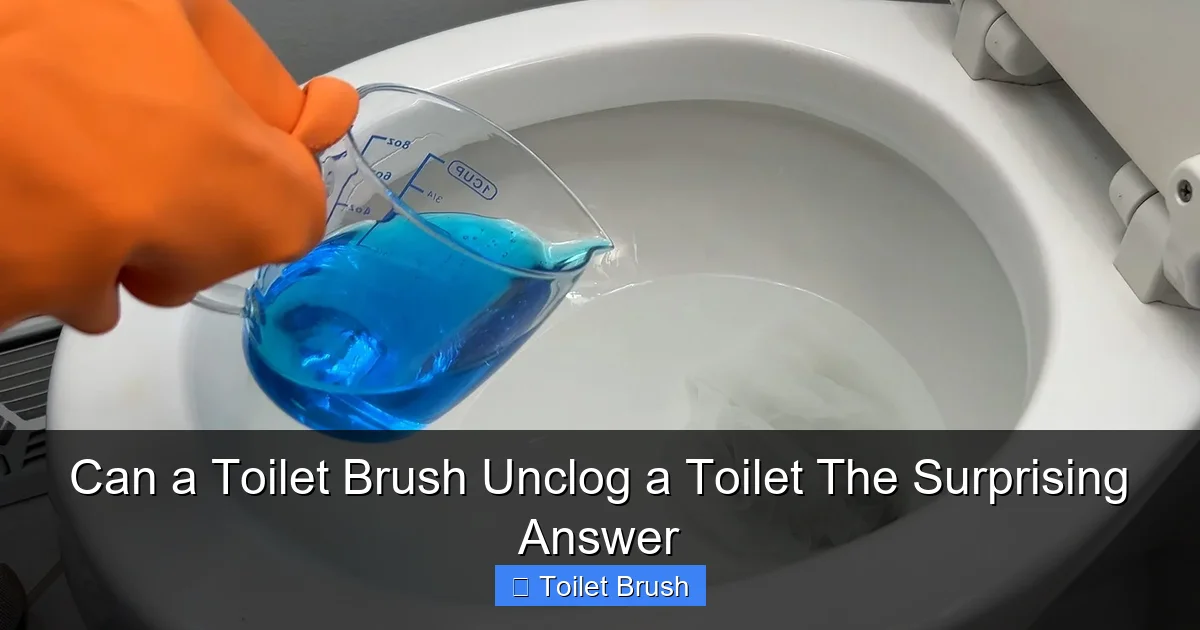
- Reduce the Water Level: If the bowl is very full, use a small disposable cup or container to carefully scoop some water into a bucket. Leave just enough water to cover the brush head. This minimizes splashback.
- Choose Your Brush Wisely: An older brush you plan to discard soon is ideal. If you must use your current brush, be prepared to disinfect it obsessively or throw it away afterwards. Never use a brush meant for cleaning other surfaces.
Step-by-Step Guide: How to Unclog a Toilet with a Toilet Brush
Follow these steps carefully and patiently.
Visual guide about Can a Toilet Brush Unclog a Toilet The Surprising Answer
Image source: familyhandyman.com
Step 1: Position and Insert the Brush
Hold the brush by the very end of the handle. Slowly insert the bristle head into the toilet drain at the bottom of the bowl. Angle it so it goes into the trap (the hole at the front that leads to the drain). You want the entire brush head to go past the curve.
Step 2: Agitate and Break Up
Gently move the brush back and forth and in a circular motion. The goal here is not to ram it, but to use the bristles to snag and break apart the clog material. If it’s a toilet paper clog, this can be very effective. Do this for 15-20 seconds.
Step 3: Create Suction (The “Pump” Motion)
Push the brush down into the drain as far as it will comfortably go, then pull it back up towards you fairly quickly. This mimics the action of a plunger. The rapid movement can create a pressure change that dislodges the clog. Be controlled. Too much force will cause a geyser of dirty water.
Repeat this pump motion 5-10 times.
Step 4: Test the Drain
Remove the brush and place it directly into a heavy-duty garbage bag or a bucket you’ve prepared. Slowly pour a half-gallon of water from the bucket into the toilet bowl. Watch to see if the water level goes down normally. If it drains, you’ve succeeded!
Step 5: The Cleanup (Non-Negotiable)
Whether you succeeded or failed, this step is critical.
- Dispose of or Disinfect the Brush: The safest choice is to seal the used brush in a plastic bag and throw it away. If you must keep it, submerge the head completely in a bucket of a strong bleach solution (1 part bleach to 10 parts water) for at least 30 minutes. Rinse thoroughly afterwards.
- Disinfect Everything: Wipe down the toilet handle, seat, and exterior with disinfectant wipes or spray. Clean the floor area thoroughly with a disinfectant cleaner. Wash your gloves with hot, soapy water, then wash your hands vigorously.
Troubleshooting and Knowing When to Stop
What if it doesn’t work? If after 2-3 cycles of agitation and pumping the water still won’t drain, stop. The clog is likely too deep, too hard, or too solid for the brush method.
When to absolutely NOT use a toilet brush:
- If you suspect a child’s toy, hygiene product, or other solid object is the cause.
- If the toilet is clogged frequently (this indicates a deeper plumbing issue).
- If the brush seems like it could snap or shed bristles in the drain.
Next Steps: If the brush fails, it’s time to use the right tool. A proper flange plunger is your next best bet. For stubborn clogs, a toilet auger (closet snake) is designed to reach into the drain and hook or break apart the blockage.
Conclusion: A Useful Trick in a Pinch
So, can a toilet brush unclog a toilet? The answer is a qualified yes. It can be a clever, last-ditch solution for soft, superficial clogs when you have no other option. The key is in the technique—gentle agitation followed by careful suction attempts—and an uncompromising focus on safety and hygiene.
However, view this as a temporary fix and a learning experience. For the health of your plumbing and your peace of mind, invest in a good quality plunger and keep it within reach of every toilet in your home. Let the toilet brush return to its regular duty, and save yourself the messy troubleshooting next time.
🎥 Related Video: How to Unclog a Toilet | Basic Life Skills
📺 Hacks by Dad
Learn how to unclog a toilet with a plunger. A basic life skill for all. @hacksbydad Thank you for supporting my channel through …