

In a true plumbing emergency, a toilet brush can sometimes create enough pressure to dislodge a simple clog, but it is a last-resort method with significant drawbacks. We tested this common household hack to see if it works. We found it can be messy, potentially unsanitary, and less effective than a proper plunger, making it a temporary fix at best.
Key Takeaways
- It Can Work (Sort of): A toilet brush can create hydraulic pressure to push a minor, soft clog through the drain, but it’s not the right tool for the job.
- A Messy and Unsanitary Process: Using a brush as a plunger risks splashing contaminated water and can embed waste particles deep into the bristles, making the brush very difficult to clean.
- Ineffective on Tough Clogs: Hard clogs, foreign objects, or deep blockages will not budge with a brush. The bristles flex and don’t create a proper seal.
- Risk of Damage: You can scratch the porcelain, damage the brush handle, or even accidentally drop the brush into the toilet, causing a bigger problem.
- Always Use a Plunger First: A proper flange plunger is designed to create a powerful, focused seal and suction. It is more effective, cleaner, and safer.
- Consider a Toilet Auger for Stubborn Clogs: For clogs that a plunger can’t fix, a closet auger is the correct professional tool to break up or retrieve the blockage.
- A Last Resort Only: Only attempt the brush method if you have no plunger, no auger, and need a temporary solution before getting the right tool.
Can a Toilet Brush Be Used as a Plunger? We Tested It
It’s a scene straight out of a home maintenance nightmare. The toilet is clogged, the water is rising, and you realize with a sinking heart that you don’t own a plunger. In a moment of desperation, your eyes land on the toilet brush. Could it work? We decided to cut through the online rumors and test this hack for ourselves. This guide will walk you through exactly what we did, what happened, and whether you should ever try it.
Understanding the Science: How a Plunger Works
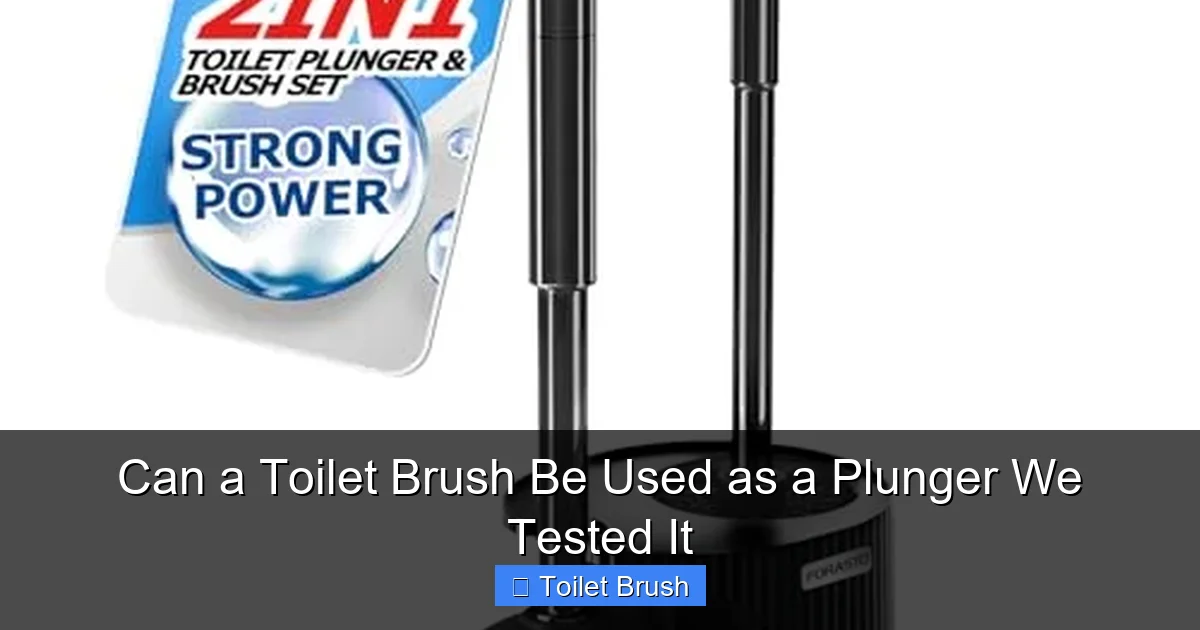
Before we grab the brush, let’s understand the tool we’re trying to replace. A plunger, specifically a flange plunger for toilets, works on a simple principle: hydraulic pressure.
Visual guide about Can a Toilet Brush Be Used as a Plunger We Tested It
Image source: m.media-amazon.com
- The Seal: The rubber cup creates an airtight seal over the toilet drain.
- The Push: When you push down, you force air and water into the drain, pushing the clog forward.
- The Pull: When you pull up, you create suction that can help loosen the clog from the other side.
This push-pull action is key. A toilet brush is not designed to create this seal or suction. Our test aimed to see if it could mimic it enough to be useful.
Our Testing Methodology
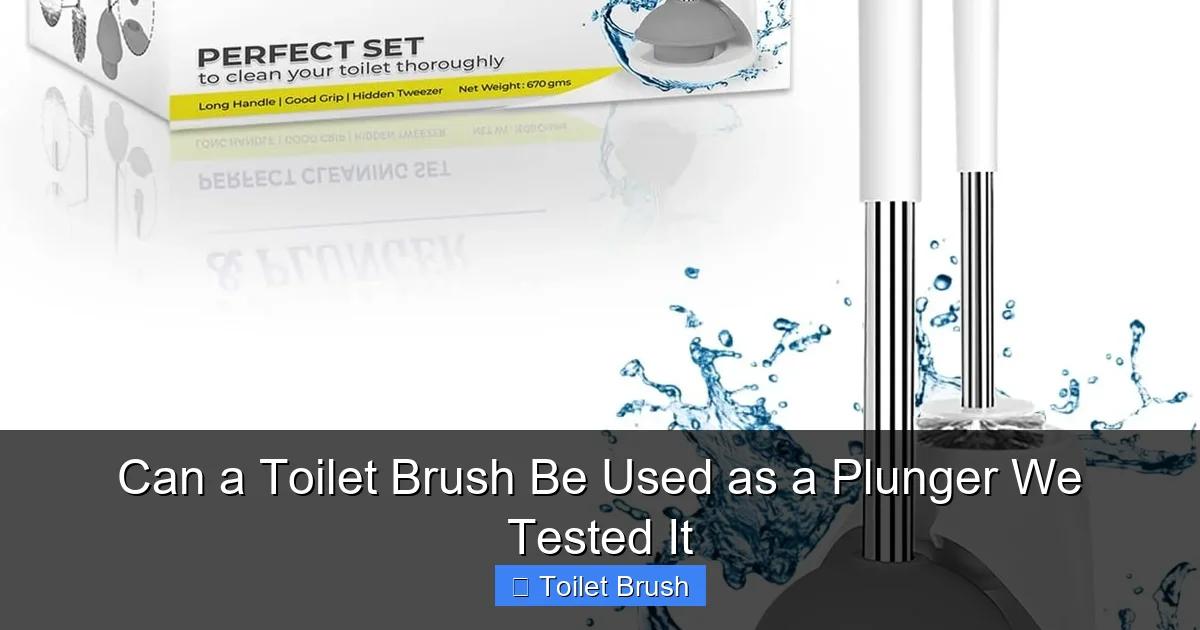
For a fair test, we simulated two common clog scenarios in a standard toilet.
Visual guide about Can a Toilet Brush Be Used as a Plunger We Tested It
Image source: m.media-amazon.com
Test 1: The “Soft” Clog
We used a moderate amount of toilet paper and biodegradable, water-soluble materials to create a simple, soft blockage.
Test 2: The “Partial” Clog
We created a more stubborn scenario with a denser wad of paper to represent a slower-draining toilet.
Tool Used: A standard, plastic-handle toilet brush with firm bristles.
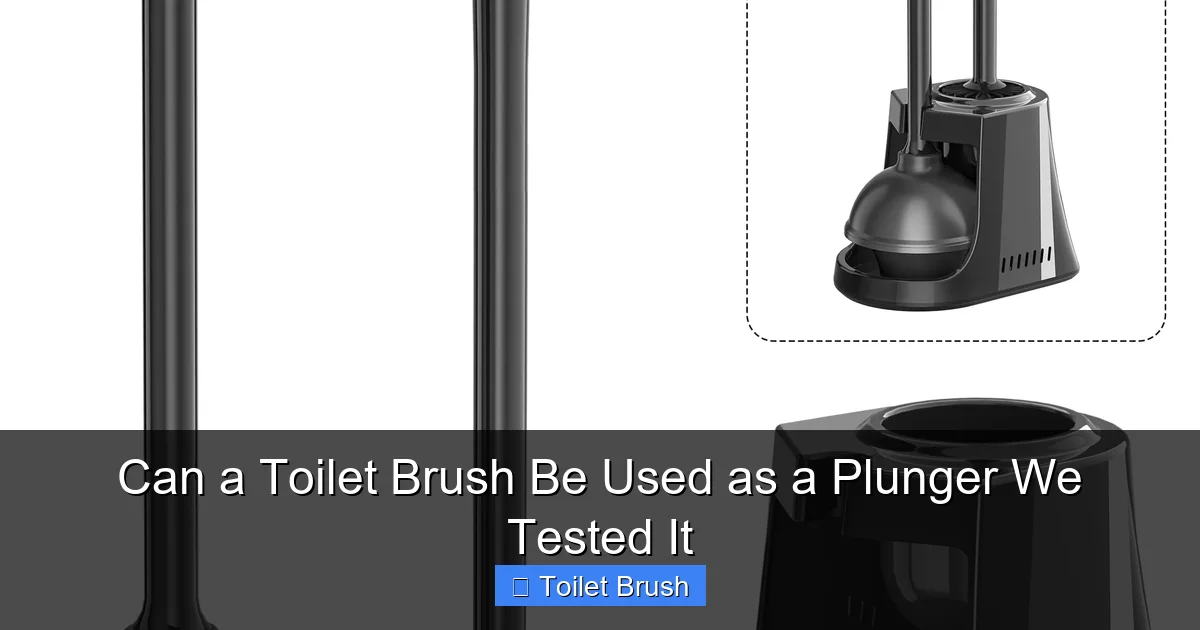
Step-by-Step: How to (Attempt) Using a Toilet Brush as a Plunger
Warning: This method is messy and not recommended. Proceed with caution and at your own risk. Wear rubber gloves and old clothes.
Visual guide about Can a Toilet Brush Be Used as a Plunger We Tested It
Image source: m.media-amazon.com
Step 1: Prepare the Area
Lay old towels or newspapers on the floor. Put on long rubber gloves. This water is unsanitary and you want to minimize splash.
Step 2: Check the Water Level
If the bowl is very full, use a small cup or container to carefully remove some water into a bucket. You need enough water to cover the brush head, but not so much that it will easily overflow when you agitate it.
Step 3: Position the Brush
Insert the brush head straight down into the drain hole at the bottom of the bowl. Try to get as many bristles as possible into the hole. The goal is to use the brush head like a piston.
Step 4: Create Pressure
With a firm grip, push the brush handle down forcefully and rapidly. Do not pull up like a plunger—the bristles will just bend backwards. Focus on a steady, repeated pushing motion to force water and air pressure down the drain.
Step 5: Check for Progress
After 10-15 aggressive pushes, quickly pull the brush out and see if the water level drains. Listen for a gurgling sound. If the water goes down, you may have succeeded temporarily.
Step 6: The Unpleasant Cleanup
If it worked, flush the toilet cautiously. Now you must clean the brush. This is the worst part. Rinse it in the toilet bowl, then disinfect it thoroughly in a bucket of hot water and bleach or a dedicated bathroom cleaner. The brush may be permanently stained or smell.
The Results of Our Test
Test 1 Outcome: Partial Success
The soft, paper-only clog did eventually clear after about 30 seconds of vigorous pumping. The water drained with a sudden gulp. However, the process created significant splashing, and the brush was coated in particles. Verdict: It functioned, but poorly and messily.
Test 2 Outcome: Failure
The denser partial clog did not clear. The bristles simply flexed and could not transfer enough focused pressure into the drain. The brush handle also felt like it was under stress and could snap. Verdict: Ineffective and potentially damaging.
Critical Downsides and Risks
Our test confirmed several major drawbacks.
- Sanitation Disaster: The brush becomes a vector for bacteria and waste. Disinfecting it fully is very difficult.
- Poor Seal: Bristles cannot form an airtight seal like rubber, wasting most of your effort.
- Splash Hazard: You will get contaminated toilet water on the floor, walls, and yourself.
- Tool Damage: You can break the brush handle or separate the head from the handle.
- Toilet Damage: Vigorous scraping can, over time, scratch the porcelain’s glaze.
- Worse Blockages: You might accidentally push the clog deeper, making it harder to remove later.
Troubleshooting: What to Do If the Brush Method Fails
If you’ve tried the brush and the toilet is still clogged, stop. Do not keep flushing. Here’s your action plan.
Immediate Containment
Turn off the water supply valve behind or beside the toilet. This stops more water from filling the tank and bowl after a flush.
Safe Removal of Water
Use a cup and bucket to remove as much water from the bowl as possible to prevent spills during your next step.
Get the Right Tool
This is the moment to go buy or borrow a real plunger. If you already have a plunger and it failed, your next step is a toilet auger (closet auger). This tool is designed to snake into the drain and either break up or hook the clog.
Better Alternatives to a Toilet Brush
Before you resort to the brush, consider these other “emergency” methods that are often safer or more effective.
- Hot Water and Dish Soap: Pour a generous squirt of dish soap into the bowl, followed by a half-gallon of very hot (not boiling) water. Let it sit for 20 minutes. The soap can lubricate the clog, and the heat can help break it down.
- Plastic Bottle Plunger: Take a large, empty plastic soda bottle. Fill it partially with warm water. Wearing gloves, press the bottle opening straight down into the drain and squeeze forcefully. This can create a surprising amount of direct pressure.
- The Call for Help: Simply calling a friend, neighbor, or family member to bring over a plunger is often the fastest and cleanest solution.
Conclusion: The Final Verdict
So, can a toilet brush be used as a plunger? Technically, yes, but you absolutely shouldn’t. Our test proved it might work on the weakest of clogs, but the trade-offs are severe. You risk a biohazard-level mess, damaging your tools, and failing to solve the problem. A proper flange plunger costs less than $10 and is designed specifically for this task. It is more effective, more sanitary, and safer for your toilet. Consider this test a public service announcement: do yourself a favor and buy a plunger before you need one. Your toilet brush—and your nose—will thank you.
🎥 Related Video: How to Use a Plunger! 🪠
📺 1 Tom Plumber