
Silicone toilet brushes offer a more hygienic, easy-to-clean alternative to traditional bristle brushes, as their non-porous surfaces resist bacteria and mold. However, their cleaning power on tough stains can be less effective. This guide breaks down the pros, cons, and key factors to consider before you switch your cleaning routine.
Key Takeaways
- Superior Hygiene: Non-porous silicone doesn’t absorb water or waste, making it highly resistant to bacteria, mold, and lingering odors compared to traditional bristles.
- Easy to Clean: You can often clean a silicone toilet brush in the dishwasher or with a simple rinse, eliminating the “dirty brush in a dirty holder” problem.
- Eco-Friendly Potential: Many silicone brushes are designed for longevity and are dishwasher-safe, reducing the need for frequent replacement and plastic waste.
- Potential Cleaning Limitations: The softer silicone material may struggle with baked-on or stubborn hard water stains, requiring more scrubbing effort.
- Durability Varies: Quality differs by brand; cheaper silicone can tear or degrade, while high-grade options last for years.
- Consider Your Toilet: The effectiveness of a silicone toilet brush depends on your toilet bowl’s shape and the types of stains you commonly deal with.
Are Silicone Toilet Brushes Better? The Real Truth Revealed
Let’s be honest. The toilet brush is the most dreaded tool in the cleaning closet. It’s wet. It’s smelly. It’s germy. You use it to clean, but the brush itself never seems truly clean. For years, we’ve put up with the traditional bristle brush and its gross, gunky holder. But what if there was a better way? Enter the silicone toilet brush. It promises a more hygienic, less disgusting cleaning experience. But is the hype real? This complete guide will reveal the real truth. We will compare silicone to traditional brushes. We will look at hygiene, cleaning power, and value. By the end, you’ll know if a silicone toilet brush is the right upgrade for your bathroom.
What is a Silicone Toilet Brush?
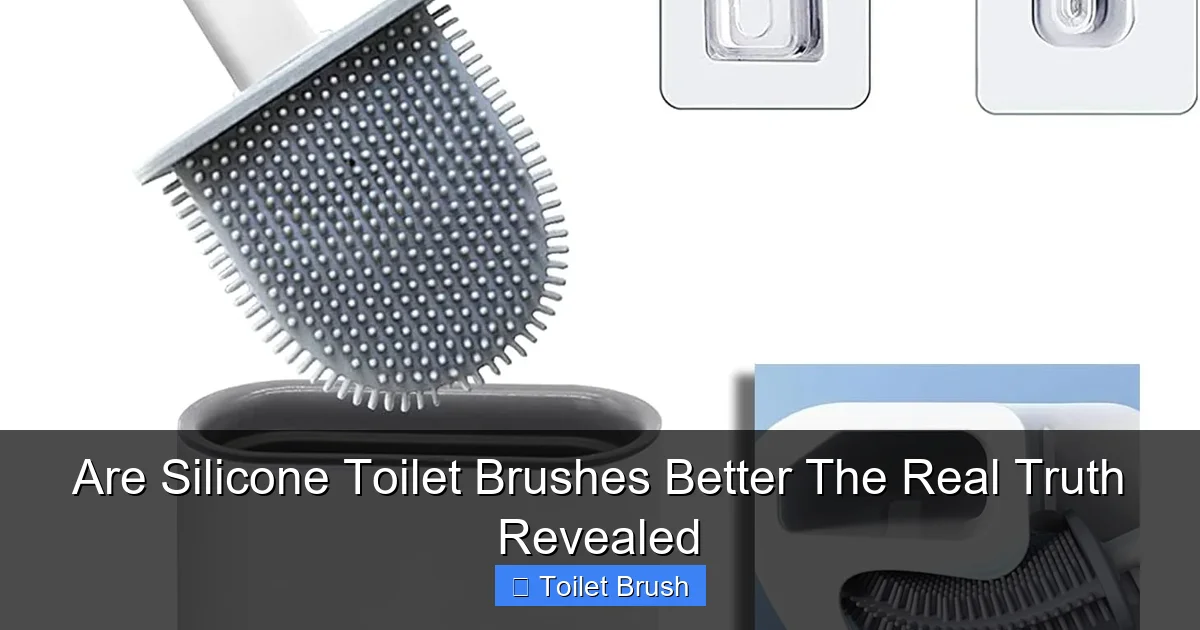
First, let’s define our subject. A silicone toilet brush replaces the classic cluster of nylon or plastic bristles with flexible, finger-like strands made entirely of silicone. The handle is often silicone, plastic, or metal. The design is simple. The silicone “fingers” flex and swirl to scrub the bowl. Many come with a sleek, self-contained holder. Some even have a dock that seals the brush head away after use. The big idea is simple. Silicone is non-porous. Water, grime, and bacteria can’t soak into it like they do with porous bristles. This is the core of its claimed benefit.
Visual guide about Are Silicone Toilet Brushes Better The Real Truth Revealed
Image source: odo-cdn.imgix.net
The Great Debate: Silicone vs. Traditional Bristle Brushes
To find the truth, we need a head-to-head comparison. Let’s break down the key battlegrounds.
Visual guide about Are Silicone Toilet Brushes Better The Real Truth Revealed
Image source: m.media-amazon.com
Round 1: Hygiene and Bacteria Resistance
This is where the silicone toilet brush shines the brightest. Think of a traditional bristle brush. After use, it sits in a dark, damp holder. Bits of waste and moisture hide deep between the bristles. This creates a perfect breeding ground for mold, mildew, and bacteria. Even if you rinse it, it’s never fully clean.
A silicone brush has a smooth, solid surface. There are no tiny fibers for gunk to cling to. You can rinse it completely clean under hot water in seconds. Many are even dishwasher safe for a super-sanitized clean. The holder is also easier to wipe out. Winner: Silicone.
Round 2: Cleaning Power and Effectiveness
This is the most common concern. Traditional stiff bristles are great at scraping off tough, baked-on stains and hard water rings. They provide aggressive scrubbing power.
Silicone fingers are softer and more flexible. For everyday light cleaning and maintenance, they work perfectly. For severe, neglected stains, they might require more elbow grease. The trick is to let your cleaner sit for a few minutes first. Winner: Tie. Traditional brushes win on tough stains, but silicone is excellent for daily use.
Round 3: Durability and Lifespan
A cheap plastic bristle brush might last 6-12 months before the bristles splay and look disgusting. A good quality silicone brush is often more durable. High-grade silicone resists tearing and won’t degrade from cleaning chemicals. However, very thin, cheap silicone can tear. Winner: Silicone (if you buy a quality one).
Round 4: Ease of Cleaning (The Brush Itself!)
Cleaning a traditional brush feels pointless. You’re just swishing it in the dirty toilet water again. With a silicone toilet brush, you simply rinse it under the tap or toss it in the dishwasher. It’s a game-changer for keeping your cleaning tools actually clean. Winner: Silicone, by a mile.
Round 5: Aesthetics and Storage
Let’s face it, most toilet brush holders are ugly. Silicone brush sets often have modern, minimalist designs. They look more like a decor item than a cleaning tool. The sealed dock styles are especially neat. They contain any drips and hide the brush head from view. Winner: Silicone.
Round 6: Environmental Impact
Traditional brushes are plastic and get thrown out frequently. A long-lasting silicone brush creates less waste. Being dishwasher-safe also saves water compared to deep-cleaning a bristle brush. Ensure the silicone is high-quality and BPA-free. Winner: Silicone.
How to Choose the Best Silicone Toilet Brush
Convinced to try one? Here is your step-by-step buying guide.

Visual guide about Are Silicone Toilet Brushes Better The Real Truth Revealed
Image source: i5.walmartimages.com
Step 1: Assess Your Needs
Think about your toilet. Do you have persistent hard water stains? If yes, you might need a brush with firmer silicone or a hybrid design. For mostly daily light cleaning, a standard silicone brush will be perfect.
Step 2: Look for Quality Materials
Check the product description. Look for “food-grade” or “platinum-cure” silicone. This is higher quality. It won’t smell or degrade. Avoid brushes that feel overly flimsy or thin. A sturdy handle (metal or thick plastic) is also a good sign.
Step 3: Consider the Holder
Do you want an open stand or a sealed dock? A sealed dock is more hygienic and drip-free. It’s the best choice for most people. Make sure the holder is weighted so it doesn’t tip over easily.
Step 4: Check for Dishwasher Safe Label
This is a huge perk. The ability to sanitize your brush in the dishwasher every few weeks is a major hygiene advantage. Not all are dishwasher safe, so verify this feature.
Step 5: Read User Reviews
Focus on reviews that mention long-term use. Do people say it lasts? Does it tear? Are they happy with the cleaning power after months of use? This is your best real-world research.
How to Use and Clean Your Silicone Toilet Brush
To get the best results, follow these simple steps.
For Cleaning the Toilet:
1. Apply your preferred toilet cleaner to the bowl. Let it sit for 5-10 minutes, especially for stains.
2. Scrub with the silicone toilet brush. Use a swirling motion and press the flexible fingers against the bowl’s curves.
3. For tough spots, focus the silicone “fingers” directly on the stain and scrub vigorously.
4. Flush to rinse the bowl and the brush simultaneously.
For Cleaning the Brush Itself:
1. After flushing, rinse the brush head under hot tap water. Rub the silicone fingers with your hand to remove any residue.
2. Once a week (or as needed), place the brush head in the dishwasher on the top rack if it’s dishwasher-safe.
3. Regularly wipe out the holder or dock with a disinfectant wipe or soapy cloth.
4. Let the brush air-dry completely before placing it back in its holder.
Troubleshooting Common Silicone Brush Issues
Even the best products can have minor issues. Here’s how to solve them.
Problem: It’s not removing tough stains.
Solution: Pre-treatment is key. Use a stronger pumice stone or a dedicated limescale remover on the stain first. Let it sit. Then scrub with the silicone brush. The brush is for scrubbing, not dissolving.
Problem: The silicone head smells funny.
Solution: Soak it in a mixture of hot water and white vinegar or bleach (check manufacturer guidelines first). Then run it through the dishwasher. This usually removes any lingering odors.
Problem: The brush head is tearing.
Solution: You may have a low-quality brush. Avoid using excessive force or catching it under the rim. Consider investing in a more durable, brand-name model.
The Final Verdict
So, are silicone toilet brushes better? The real truth is nuanced. For hygiene, ease of cleaning, aesthetics, and eco-friendliness, they are a clear and superior choice. They solve the “disgusting brush” problem brilliantly. However, if your primary need is brute-force scrubbing power against extreme stains, a traditional bristle brush might still have a slight edge. For the vast majority of households, the pros of a silicone toilet brush far outweigh the cons. It represents a modern, smarter approach to a mundane chore. Making the switch can make your bathroom cleaner, look better, and make the cleaning process just a little less unpleasant. That, for most of us, is a win worth investing in.
🎥 Related Video: Toilet Brush Showdown | Silicone Toilet Brush vs Regular
📺 Clean Freak & Germaphobe
Which toilet brush is best, the regular toilet brush or the newer more hygienic silicone toilet brush? Today I’m going to clean a …