
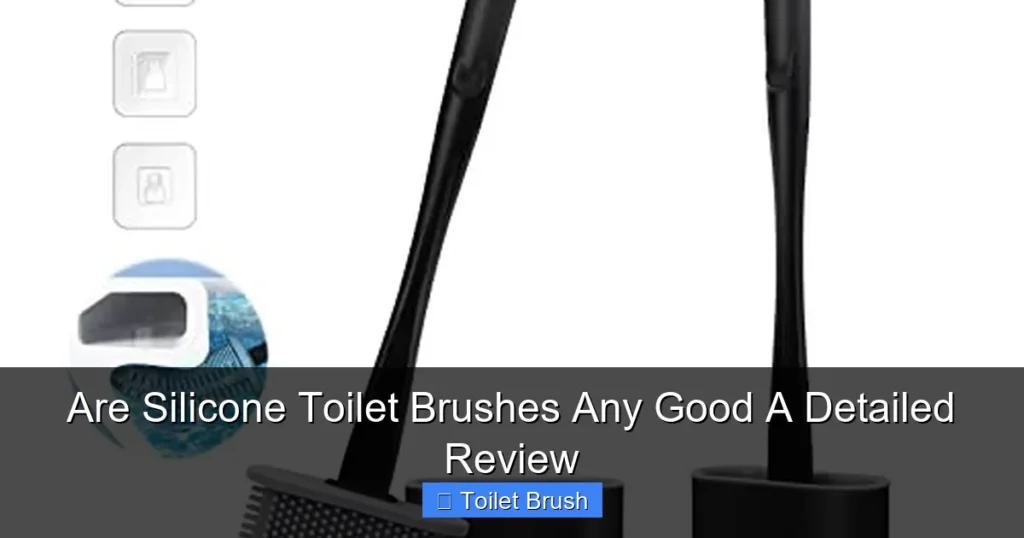
Silicone toilet brushes are a modern, hygienic alternative to traditional bristle brushes. They resist bacteria buildup and are incredibly easy to clean. However, their scrubbing power on set-in stains can be a point of consideration. This guide provides a complete breakdown to help you make an informed decision.
Key Takeaways
- Superior Hygiene: Silicone is non-porous, preventing bacteria and mold from embedding in the material, making it more sanitary.
- Easy to Clean: A simple rinse under hot water is often enough, and many are dishwasher safe for thorough sanitization.
- Durable and Long-Lasting: Unlike traditional brushes, silicone heads don’t fray or shed, offering a longer lifespan.
- Eco-Friendly Option: Many are made from recyclable materials and outlast multiple plastic brushes, reducing waste.
- Gentle on Surfaces: They effectively clean without scratching porcelain, making them safe for all toilet bowls.
- Potential for Less Agitation: The softer material may require more manual effort for stubborn, hardened stains compared to stiff bristles.
- Value for Money: While sometimes priced higher upfront, their durability often makes them a cost-effective choice over time.
Are Silicone Toilet Brushes Any Good? Your Complete Guide
Cleaning the toilet is nobody’s favorite job. But the right tools can make it easier. Enter the silicone toilet brush. You might have seen these sleek, modern brushes and wondered if they’re just a trendy gimmick or a genuine upgrade. In this detailed review and how-to guide, we’ll dive deep. You’ll learn exactly what silicone toilet brushes are, how they stack up against old-school brushes, and how to use them like a pro. By the end, you’ll know if a silicone toilet brush is the right choice for your bathroom.
What Are Silicone Toilet Brushes?
First, let’s clear up what we’re talking about. A silicone toilet brush replaces the traditional cluster of plastic or nylon bristles with flexible, finger-like strands made entirely of silicone. These strands are usually attached to a handle, which can be made from plastic, metal, or more silicone. The whole unit is designed to be more hygienic and easier to maintain than the classic brush that sits in a grimy holder. Think of it as moving from a rough mop to a smooth, squeegee-like tool for your bowl.

Visual guide about Are Silicone Toilet Brushes Any Good A Detailed Review
Image source: static-01.daraz.lk
The Core Design Difference
The key is the material. Silicone is a synthetic rubber that is non-porous. This means water, dirt, and germs can’t soak into it. Traditional bristle brushes have tiny spaces where gunk gets trapped. With a silicone toilet brush, everything stays on the surface, ready to be rinsed away. This simple change is what drives most of the benefits we’ll discuss.
Step-by-Step: How to Evaluate a Silicone Toilet Brush
Not all silicone toilet brushes are created equal. Follow these steps to assess quality and find the best one for you.

Visual guide about Are Silicone Toilet Brushes Any Good A Detailed Review
Image source: hirix.co.uk
Step 1: Check the Silicone Quality
Look for brushes made from 100% food-grade or medical-grade silicone. This is the highest quality. It’s durable, heat-resistant, and free from harmful chemicals like BPA. Give the strands a gentle pull. They should be flexible but snap back firmly, not feel flimsy or sticky.
Step 2: Examine the Handle and Build
A good handle has a comfortable grip and doesn’t feel cheap. It should connect securely to the silicone head. Some handles have a weighted base or a stand that lets the brush drip-dry without touching a surface, which is a huge plus for hygiene.
Step 3: Assess the Cleaning Design
Count the silicone “fingers.” More strands can mean better coverage. Look at their length and arrangement. Some have a mix of longer and shorter strands to reach under the rim and into the trapway. The goal is a design that conforms to the curves of your toilet bowl.
Step 4: Consider Storage and Hygiene
The best silicone toilet brush systems include a stand or holder that elevates the brush head. This allows air to circulate and water to drain, preventing a soggy, smelly base. A closed holder defeats the purpose of a hygienic brush.
How to Use a Silicone Toilet Brush for Best Results
Using a silicone toilet brush is a bit different from using a traditional one. Here’s the right technique to get your toilet sparkling.

Visual guide about Are Silicone Toilet Brushes Any Good A Detailed Review
Image source: i5.walmartimages.com
Step 1: Apply Your Cleaner
Start by applying your preferred toilet bowl cleaner under the rim and around the bowl. Let it sit for a few minutes as directed. This gives the cleaner time to break down stains and germs before you scrub.
Step 2: Scrub with a Press-and-Swipe Motion
Don’t use a hard, jabbing motion. Instead, press the silicone fingers firmly against the porcelain and use a wide, sweeping swipe. The flexibility of the silicone will allow it to wrap around curves and under the rim. For tough spots, you may need to apply a bit more pressure or scrub a few extra times.
Step 3: Leverage the Rinsing Advantage
After scrubbing, hold the brush head under the toilet’s flush stream or in the bowl water. The silicone will rinse clean almost instantly because nothing sticks. Jiggle it around to ensure all cleaner and debris is off.
Step 4: Let it Air Dry Properly
This is crucial. Place your silicone toilet brush in its stand or a well-ventilated area where the head can drip-dry completely. Do not store it wet in a dark, enclosed holder. This practice keeps it fresh and ready for next time.
Cleaning and Maintaining Your Silicone Toilet Brush
One of the biggest sells of a silicone toilet brush is easy maintenance. Here’s your simple care routine.
Weekly Rinse and Sanitize
After each use, a quick rinse is enough. Once a week, give it a deeper clean. You can wash the silicone head with hot, soapy water. For sanitizing, most silicone toilet brushes are dishwasher safe (top rack). Check the manufacturer’s instructions. You can also soak it in a diluted bleach solution or vinegar for 10-15 minutes.
Monthly Deep Clean
Every month, check the handle and stand. Wipe them down with a disinfectant cloth or cleaner. If your brush has any mineral deposits (hard water areas), a soak in white vinegar will dissolve them easily.
Knowing When to Replace
Silicone is tough, but it won’t last forever. Replace your silicone toilet brush if the strands become permanently deformed, discolored, or if you notice any tears. With proper care, a good quality brush should last over a year, often much longer.
Troubleshooting Common Silicone Toilet Brush Issues
Even the best tools can have minor hiccups. Here’s how to solve them.
Issue: The Brush Isn’t Scrubbing Off Tough Stains
Solution: For hardened lime scale or rust, let a strong cleaner (like a pumice stone or dedicated limescale remover) sit longer before scrubbing. You might need to use a bit more elbow grease with your silicone toilet brush. Consider it a trade-off for the hygiene benefits.
Issue: The Brush Smells After Storage
Solution: This usually means it wasn’t fully dry. Give it a thorough sanitizing soak in vinegar or bleach, rinse well, and ensure it’s stored in an open, airy space. Always shake off excess water after rinsing.
Issue: The Handle Feels Slippery When Wet
Solution: Look for a brush with an ergonomic, textured handle. You can also wrap a rubber band around the handle for a better grip. This is a common issue with some cheaper models.
Conclusion: The Final Verdict on Silicone Toilet Brushes
So, are silicone toilet brushes any good? The answer is a resounding yes for most people. They represent a significant upgrade in bathroom hygiene and convenience. The ease of cleaning, the resistance to germs, and their durability make them a smart choice for a modern home. If your primary concern is battling extremely hard water stains daily, you might appreciate the aggressive scrubbing of a traditional bristle brush more. But for everyday cleaning and maintenance, a silicone toilet brush is an excellent, sanitary tool that simplifies an unpleasant chore. By following the steps in this guide, you can choose, use, and care for one effectively, making your bathroom cleaner and fresher with less effort.
🎥 Related Video: Toilet Brush Showdown | Silicone Toilet Brush vs Regular
📺 Clean Freak & Germaphobe
Which toilet brush is best, the regular toilet brush or the newer more hygienic silicone toilet brush? Today I’m going to clean a …