
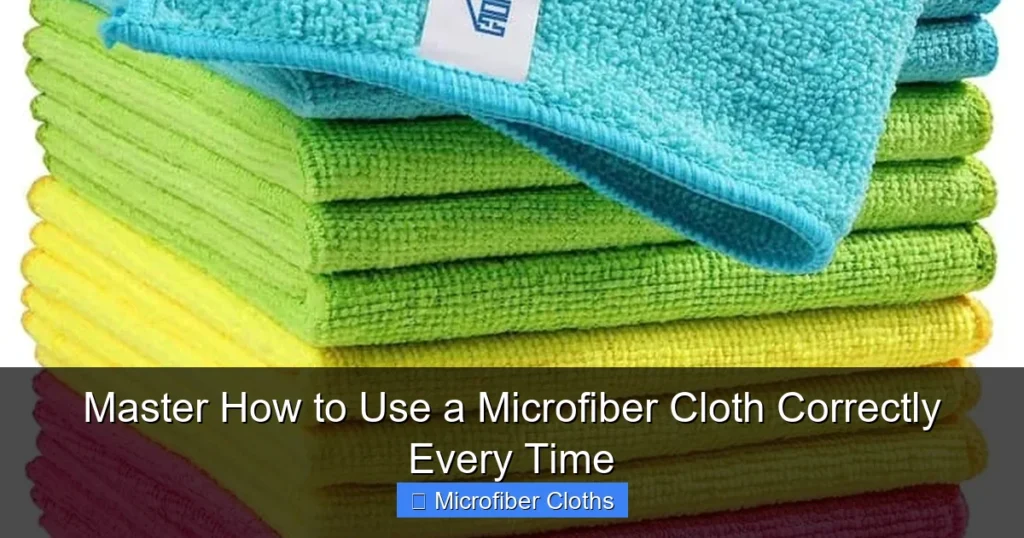
Many people misuse microfiber cloths, causing streaks or even damage to surfaces. This guide reveals the exact steps to clean glass, screens, cars, and more without chemicals, ensuring flawless results every time. You’ll learn why folding matters, how to wash them properly, and avoid common pitfalls that ruin your cloth’s magic.
Key Takeaways
- Always use dry first: Start cleaning with a completely dry microfiber cloth for most surfaces to lift dust and light smudges effectively.
- Fold into quarters: Fold your cloth into four sections to expose a fresh, clean surface after each wipe, preventing cross-contamination.
- Wash gently, no fabric softener: Clean microfiber cloths in cold water with mild detergent, avoiding heat and fabric softeners which destroy their cleaning power.
- Never use on hot surfaces: Applying microfiber to very hot glass or metal can melt the fibers, ruining the cloth and potentially scratching the surface.
- Store clean and dry: Keep washed microfiber cloths completely dry and unfolded in a clean drawer to maintain their absorbency and prevent musty odors.
- Quality matters: Invest in high-density microfiber (look for 300+ GSM) for superior cleaning, durability, and lint-free performance on delicate items.
Master How to Use a Microfiber Cloth Correctly Every Time
You’ve probably got a microfiber cloth tucked away somewhere. Maybe it came free with your glasses, your phone, or your car. You’ve tried using it, but frustratingly, it left streaks on your screen, didn’t pick up all the dust, or maybe even left tiny scratches. Sound familiar? The truth is, microfiber is incredibly powerful – but only if you use it correctly. It’s not magic; it’s science. And once you understand the simple rules, you’ll wonder how you ever cleaned without it. This guide cuts through the confusion. You’ll learn exactly how to wield this humble cloth like a pro, achieving streak-free, scratch-free results on glass, screens, cars, appliances, and more – every single time. No more guessing, no more frustration. Let’s unlock its full potential.
Why Microfiber is Different (And Why Technique Matters)
Unlike cotton or paper towels, microfiber cloths are made from ultra-fine synthetic fibers (usually polyester and polyamide), split into microscopic hooks. These hooks grab onto dirt, oil, and dust particles physically, rather than just smearing them around. This is why it works so well dry. However, this unique structure also means it behaves differently. Using it wet when you shouldn’t, washing it with the wrong products, or folding it incorrectly can destroy those delicate hooks, turning your miracle cloth into a streaky, linting mess. Understanding this science is the first step to mastering it. Think of your microfiber cloth as a precision tool, not just a rag. Treat it right, and it will reward you with effortless, professional-level cleaning.
Visual guide about Master How to Use a Microfiber Cloth Correctly Every Time
Image source: media4.s-nbcnews.com
Step 1: Preparing Your Microfiber Cloth (The Foundation)
Success starts before you even touch the surface. Skipping this step is the #1 reason for poor results.
Visual guide about Master How to Use a Microfiber Cloth Correctly Every Time
Image source: 5.imimg.com
Ensure It’s Clean and Dry
Always begin with a completely clean and bone-dry microfiber cloth. A damp or dirty cloth will just spread grime, not lift it. If your cloth feels stiff or looks dingy, it needs washing (we’ll cover that later). Never use a cloth that’s been sitting crumpled in a damp bathroom or car console – moisture breeds bacteria and degrades the fibers.
Fold It Into Quarters (The Secret Weapon)
This simple step is non-negotiable for effective cleaning and cloth longevity. Here’s how:
- Lay the cloth flat on a clean surface.
- Fold it in half once.
- Fold it in half again, creating four equal layers.
- You now have eight clean surfaces to work with! After cleaning one area, unfold to a fresh section. This prevents you from wiping dirt you just picked up back onto the surface and ensures you always use the cleanest part of the cloth.
Pro Tip: Keep the folded cloth in your hand with the clean side facing out. Unfold only when you need a fresh section. This habit alone prevents countless streaks.
Step 2: The Correct Cleaning Technique (Dry is King)
For the vast majority of cleaning tasks – glass, mirrors, phone screens, computer monitors, camera lenses, stainless steel, polished wood – start with a dry cloth. This is where microfiber truly shines.
Visual guide about Master How to Use a Microfiber Cloth Correctly Every Time
Image source: cdn.thewirecutter.com
The Gentle Glide Method
- Light Pressure: Apply minimal pressure. Let the fibers do the work. Pressing hard can actually push dirt deeper or scratch delicate surfaces (like camera lenses or soft-touch plastics).
- Straight Lines or Small Circles: For large flat surfaces like windows or tables, use long, straight, overlapping strokes. For smaller areas like phone screens or lenses, use very small, gentle circles. Avoid large, sweeping circles which can smear oils.
- Lift, Don’t Rub: Focus on lifting the dirt away from the surface. Imagine the fibers grabbing the particles and pulling them onto the cloth. Rubbing back and forth can grind dirt in.
- Check Frequently: After a few strokes, look at the cloth. If you see significant dirt buildup on the section you’re using, unfold to a fresh quarter. Don’t keep wiping with a dirty section!
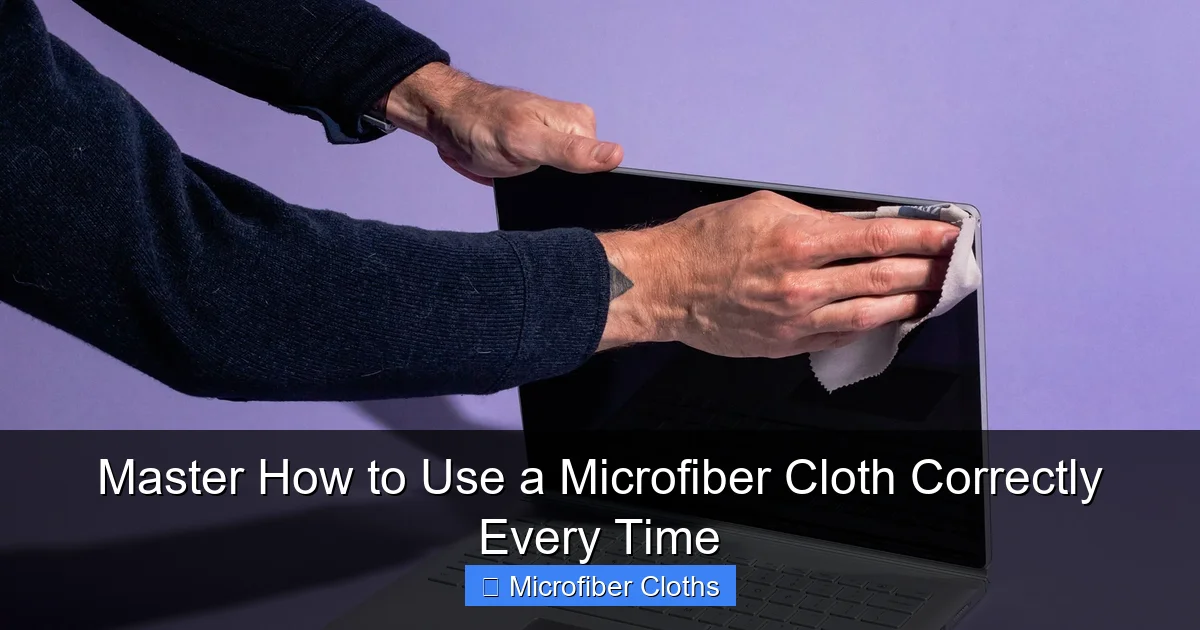
Example: Cleaning your laptop screen: Power it off. Fold your cloth. Use light pressure with small circles, starting from the top center and working down. Unfold to a fresh section after cleaning half the screen. You should see immediate clarity without streaks.
When to Use a *Slightly* Damp Cloth (Rarely!)
Microfiber works best dry. Only use a damp cloth for:
- Tough, Dried-On Grime: Like stubborn water spots on glass or baked-on kitchen splatters. Crucially: Dampen the cloth very lightly with clean water (or a dedicated screen cleaner only if specified for that surface). Wring it out thoroughly until it’s only slightly damp – it should feel almost dry to the touch. Never spray cleaner directly onto the surface, especially electronics!
- Initial Dust Removal on Very Dirty Surfaces: For a heavily dusty car dashboard, a barely damp cloth can help capture the initial layer of dust without scratching. Follow immediately with a dry section of the cloth to remove any moisture and residue.
Warning: Excess moisture is the enemy. It reduces the cloth’s static charge (which helps attract dust), can leave water spots, and increases the risk of scratching if dirt is present. If you use water, always finish with a dry section.
Step 3: Surface-Specific Mastery
While the core technique is similar, tailor your approach for different materials:
Glass & Mirrors (The Streak-Free Holy Grail)
- Start dry. Use the gentle glide method with straight lines.
- For vertical surfaces (windows), wipe top to bottom. For horizontal (table tops), left to right.
- If streaks appear, it’s usually because the cloth was dirty, damp, or you used too much pressure. Unfold to a fresh dry section and try again with lighter strokes.
- Avoid cleaning in direct sunlight, as it dries the surface too quickly, making streaks more likely.
Electronic Screens (Phones, Tablets, TVs, Laptops)
- ALWAYS start dry. Power off the device if possible.
- Use the absolute lightest pressure. These surfaces are easily damaged.
- Small circles are best. Never use circular motions near the edges where dust can get trapped.
- Never use water, alcohol, or ammonia-based cleaners unless the manufacturer explicitly states it’s safe (most don’t). The dry microfiber cloth alone is sufficient for daily cleaning.
Car Interiors & Exteriors
- Interior (Dash, Console, Windows): Dry for dust and light smudges. For sticky spots, use a barely damp section followed immediately by dry. Fold frequently – car interiors get dirty fast!
- Exterior (Windows, Paint): Use the “two-bucket method” for washing, but microfiber shines for drying and final polishing. Use large, clean, dry microfiber towels specifically for drying paint – they absorb water incredibly well without scratching. Always use a separate, super-soft microfiber for final wax/polish removal on paint.
- Critical: Never use the same microfiber cloth on paint that you used on wheels or heavily soiled areas – it will scratch your clear coat.
Stainless Steel & Appliances
- Dry is usually best for fingerprints and smudges. Wipe in the direction of the grain.
- For water spots or light grease, a slightly damp section followed by dry works well.
- Avoid abrasive cleaners; microfiber often makes them unnecessary.
Step 4: Caring for Your Microfiber Cloth (So It Lasts)
Your microfiber cloth is an investment. Treat it well, and it will serve you for years. Abuse it, and it becomes useless fast.
Washing: The Do’s and Don’ts
- DO: Wash in cold or warm water (never hot – it melts fibers).
- DO: Use a small amount of mild, liquid detergent (like Woolite or a dedicated microfiber cleaner). Avoid powder detergents which can clog fibers.
- DO NOT: Use fabric softener, dryer sheets, or bleach. These coat the fibers, destroying their ability to grab dirt and leaving a residue that causes streaks.
- DO NOT: Wash with lint-producing items like cotton towels or jeans. Lint sticks to microfiber and ruins it.
- DO: Wash with similar microfiber items only. Turn cloths inside out.
- DO: Air dry flat or tumble dry on LOW heat ONLY if absolutely necessary. High heat is the #1 killer of microfiber. Air drying is always best.
How Often? Wash after 3-4 uses, or when it feels stiff, looks dingy, or stops cleaning effectively. Don’t wait until it’s filthy.
Storing for Longevity
- Ensure cloths are completely dry before storing. Damp storage causes mildew and odors.
- Store unfolded or loosely folded in a clean, dry drawer or container. Avoid cramming them tightly, which can damage fibers.
- Keep them away from direct sunlight for long periods, which can degrade fibers over time.
Troubleshooting Common Microfiber Problems
Even with good technique, issues can arise. Here’s how to fix them:
Problem: Streaks or Haze After Cleaning
- Cause: Most likely a dirty cloth section, too much moisture, residue from previous cleaners, or low-quality microfiber.
- Solution: Unfold to a fresh, dry section. Ensure the surface is free of previous cleaner residue (wipe with plain water if needed, then dry). Invest in higher-quality microfiber (300+ GSM).
Problem: Cloth Leaves Lint or Fibers Behind
- Cause: Usually low-quality microfiber or washing with lint-producing items.
- Solution: Wash microfiber separately. Replace cheap cloths with higher GSM (grams per square meter) microfiber, which has denser, finer fibers less prone to shedding.
Problem: Cloth Feels Stiff or Doesn’t Absorb Well
- Cause: Buildup of detergent residue, fabric softener, or oils from skin/hair. Washed in hot water.
- Solution: Wash again with a vinegar rinse (1/2 cup white vinegar in rinse cycle) to break down residues. Avoid detergents and softeners going forward. Ensure cold water wash.
Problem: Cloth Scratched My Surface
- Cause: Using a dirty cloth section (dirt acts like sandpaper), applying too much pressure, using on a hot surface (melted fibers scratch), or low-quality microfiber with coarse fibers.
- Solution: Always use a clean section. Use feather-light pressure. Never use on hot surfaces. Invest in high-quality, soft-touch microfiber for delicate items.
Conclusion: Your Streak-Free Future Starts Now
Mastering the microfiber cloth isn’t about complicated steps; it’s about respecting its unique properties and applying a few simple, consistent rules. Remember: start dry, fold into quarters, use light pressure, and wash gently without softeners. Avoid the common traps of over-wetting, using dirty sections, or subjecting it to high heat. By following this guide, you transform a basic cloth into your most powerful cleaning ally. You’ll save money on chemical cleaners, protect your valuable surfaces from scratches, and achieve that satisfying, professional-level sparkle on everything from your eyeglasses to your car windshield. The next time you reach for a cloth, you won’t be guessing – you’ll know exactly how to get perfect results, every single time. Grab your microfiber, fold it right, and experience the difference correct technique makes. You’ve got this!