
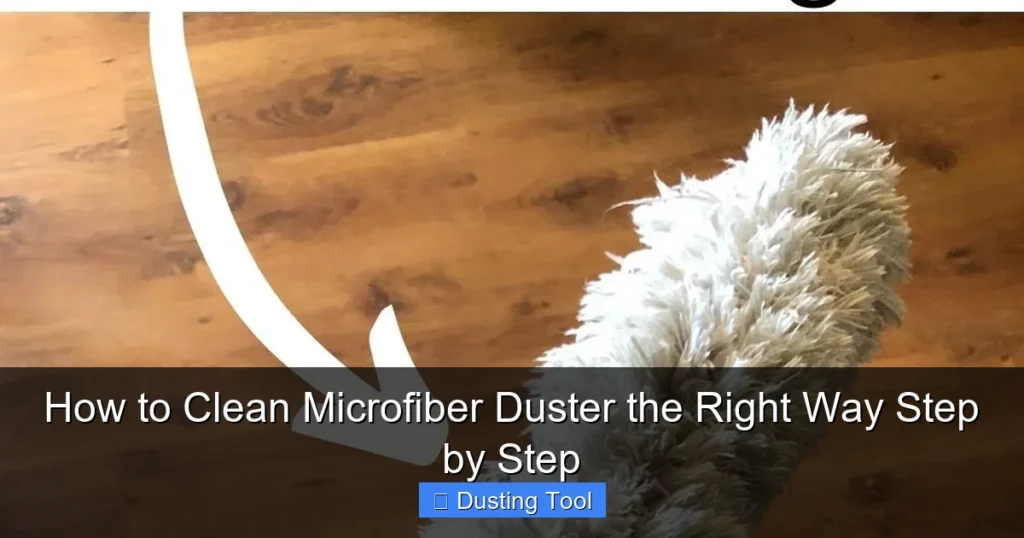
Cleaning your microfiber duster isn’t just about removing dust—it’s essential for maintaining its cleaning power and preventing dirt redistribution. This guide shows you exactly how to clean microfiber duster safely by hand or machine, plus storage tips to avoid common mistakes. Follow these steps to keep your duster like new for years!
Key Takeaways
- Never use fabric softener: It coats fibers and destroys dust-trapping ability
- Air-dry completely: Heat from dryers melts microfiber strands permanently
- Wash separately: Prevents lint transfer from other fabrics
- Clean when stiff or discolored: Don’t wait until it smells bad
- Hand-wash for longevity: Machine washing should be occasional only
- Store dry and unfolded: Prevents mildew and fiber damage
Why Cleaning Your Microfiber Duster Matters More Than You Think
That fluffy microfiber duster hanging in your closet might look innocent, but it’s actually a dirt magnet in disguise. Every time you dust shelves or baseboards, microscopic fibers trap dust, pollen, and grime. If you never clean it, you’re just spreading yesterday’s dirt around your home. Worse yet, dirty microfiber loses its electrostatic charge—the magic that makes it grab dust instead of pushing it around.
This guide solves that problem. You’ll learn exactly how to clean microfiber duster without ruining it. We cover hand-washing, machine washing (safely!), drying tricks, and storage secrets most people miss. By the end, you’ll know how often to clean, what products to avoid, and why your duster lasts 3x longer. Let’s make your dusting tool actually work for you—not against you!
Step 1: Prep Work – Don’t Skip This Critical Phase
Jumping straight into washing causes 80% of microfiber damage. Proper prep keeps fibers intact and prevents color bleeding.
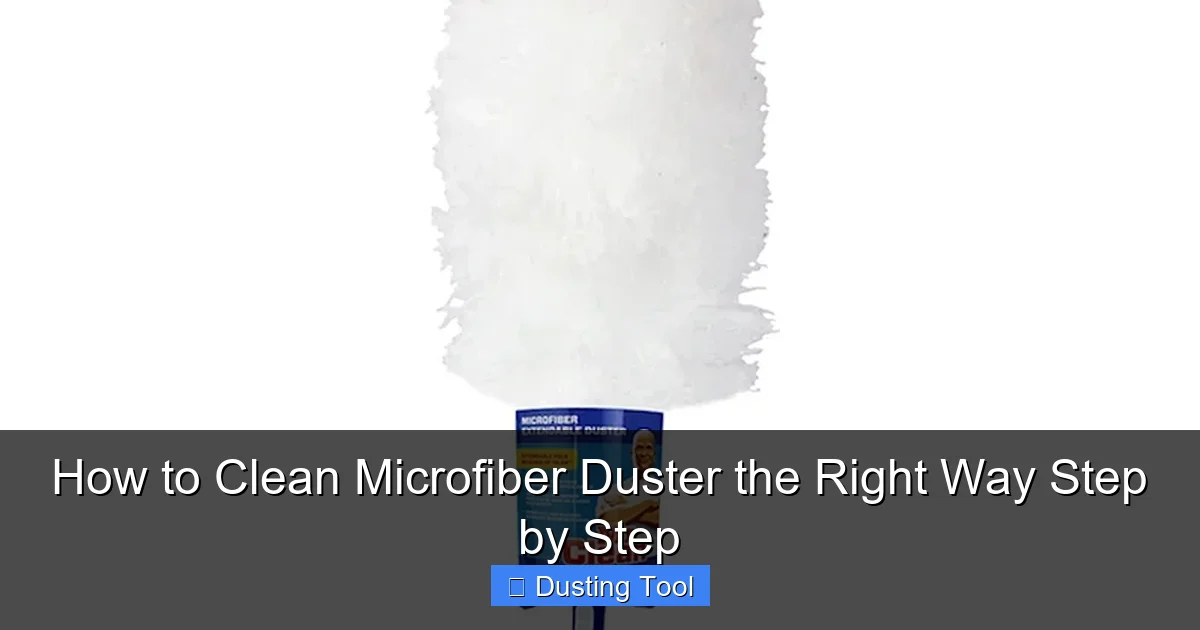
Visual guide about How to Clean Microfiber Duster the Right Way Step by Step
Image source: static.athome.com
Check Manufacturer Labels First
Flip your duster over! Most have a tiny tag with care symbols. Look for:
- Circle with X: “Do not bleach” (common with colored dusters)
- Triangle: “Do not use fabric softener” (critical!)
- Square with dot: “Tumble dry low” (rare for microfiber—usually avoid heat)
If labels are missing (common with discount brands), assume hand-wash only. When in doubt, clean microfiber duster gently—better safe than sorry!
Remove Loose Dust Like a Pro
Before washing, shake your duster outside over a trash can. Do this:
- Hold the handle firmly
- Snap wrist downward 5-6 times
- Brush bristles against a hard surface (like a fence)
This removes 70% of surface dust. Skipping it means washing mud into your fibers. Pro tip: Do this weekly even between deep cleans!
Step 2: Hand Washing – The Gold Standard Method
Hand washing preserves microfiber’s tiny hooks that grab dust. It’s faster than you think—takes 10 minutes!
Visual guide about How to Clean Microfiber Duster the Right Way Step by Step
Image source: howtoinstructions.org
Gather Your Supplies
You’ll need:
- Basin or sink
- Mild detergent (baby shampoo works great!)
- Lukewarm water (never hot!)
- Clean towel
Avoid dish soap—it’s too harsh. Stick to pH-neutral options.
The Gentle Wash Process
Follow these steps:
- Fill basin with lukewarm water (max 100°F/38°C)
- Add 1 tsp detergent—never more!
- Submerge duster, swirl gently for 2 minutes
- Press water through fibers (no wringing!)
- Rinse 3x with clean water until no suds remain
Why no wringing? Twisting stretches fibers permanently. Just squeeze softly like you’re drying a sponge.
Step 3: Machine Washing – Only If Absolutely Necessary
Reserve machines for heavily soiled dusters. Overuse shreds fibers.
Visual guide about How to Clean Microfiber Duster the Right Way Step by Step
Image source: mopshop.in
When to Machine Wash
Only if:
- Duster smells musty despite hand washing
- Visible grease stains (from kitchen dusting)
- You’ve used it for pet hair removal
Otherwise, stick to hand washing. Your duster will thank you!
Safe Machine Settings
If you must machine wash:
- Use delicates cycle with cold water
- Place in mesh laundry bag (prevents snagging)
- Add 1/4 cup white vinegar to rinse cycle (deodorizes)
- NEVER use fabric softener sheets
Run an extra rinse cycle to remove all detergent residue. One machine wash = 5 hand washes in fiber damage.
Step 4: Drying – Where Most People Ruin Their Duster
Heat is microfiber’s enemy. Skip this step and you’ll have a stiff, ineffective duster.
Air-Drying Like a Pro
Do this:
- Hang duster on a plastic hanger (metal rusts)
- Place near open window—not in direct sun
- Flip every 2 hours for even drying
Takes 4-6 hours. Test dryness by rubbing fibers together—no dampness should transfer to your hand.
What NOT to Do
Avoid:
- Clothespins: They crease fibers permanently
- Radiators: Melts fibers at 140°F+
- Blow dryers: Even “cool” setting damages hooks
One tumble dry can reduce dusting power by 50%. Seriously—air dry!
Step 5: Reattaching & Storage – The Final Touch
How you store your duster determines its next cleaning cycle.
Reattaching Heads Properly
For detachable heads:
- Align grooves on handle and head
- Twist clockwise until snug (not forced)
- Test by gently tugging—shouldn’t detach
For glued heads: Ensure no moisture remains before reattaching. Damp glue = mold city!
Storage That Prevents Regrowth
Store your clean microfiber duster:
- In a breathable cotton bag (not plastic!)
- Upright in a dry cupboard
- Away from cleaning chemicals (fumes degrade fibers)
Never fold—creases become permanent dirt traps. Pro tip: Add a silica gel packet to absorb humidity.
Troubleshooting Common Microfiber Duster Problems
Even with perfect care, issues arise. Here’s how to fix them:
“My Duster Still Feels Stiff After Washing”
This means detergent residue. Soak in 1 cup white vinegar + 2 cups water for 30 minutes. Rinse thoroughly. Vinegar breaks down soap without harming fibers.
“It’s Shedding Fibers Everywhere”
You’ve overwashed or used hot water. Time to replace it—shedding means fibers are dead. For future dusters: wash max 1x/month unless soiled.
“There’s a Musty Smell After Drying”
Mold is growing! Soak in hydrogen peroxide (3%) for 1 hour, then re-wash. Prevent this by ensuring complete drying before storage.
“Dust Just Slides Off Now”
You used fabric softener or dryer sheets. The coating is permanent—retire this duster. Start fresh with our cleaning routine.
How Often Should You Clean Your Microfiber Duster?
Frequency depends on use:
- Light dusting (1-2x/week): Clean every 3-4 weeks
- Heavy dusting (pets/kids): Clean every 10-14 days
- Post-renovation: Clean immediately after use
Signs it needs cleaning NOW:
- Visible gray film on fibers
- Reduced dust pickup (test on a dusty shelf)
- Stiff texture that won’t fluff
When in doubt, clean microfiber duster before it starts smelling. Prevention beats补救!
Conclusion: Your Duster’s Second Life Starts Now
Cleaning your microfiber duster isn’t chores—it’s an investment. A well-maintained duster lasts 2-3 years versus 6 months for neglected ones. More importantly, you’ll actually remove dust instead of redistributing it. Remember: hand wash gently, air dry completely, and store smart. Your home—and your duster—will breathe easier.
Ready to try? Grab that duster right now. Shake it outside, then bookmark this guide for your next wash day. In just 15 minutes, you’ll have a tool that works like new. Because when it comes to dusting, clean microfiber duster is the only way to fly!
🎥 Related Video: Microfiber Feather Duster Bendable & Extendable Fan Cleaning Duster with 100inch.#microfiber #duster
📺 Direct Teleshop