
This guide teaches you how to create a productive study space without a desk. You’ll learn to use alternative surfaces, smart organization, and monitor stands to build a comfortable and efficient area. Ideal for students or professionals in tight spaces, these strategies ensure you can study effectively anywhere.
Key Takeaways
- Assess Your Needs: Understand your study habits and space limits to customize your setup for success.
- Choose Comfortable Seating: Opt for ergonomic chairs, floor cushions, or beds with back support to avoid strain.
- Utilize Alternative Surfaces: Use lap desks, trays, or shelves as stable platforms for writing and devices.
- Incorporate Monitor Stands: Elevate laptops or tablets with monitor stands to improve view and posture on any surface.
- Organize Without Drawers: Implement storage like baskets, bins, or hanging organizers to keep materials tidy.
- Optimize Lighting and Ambiance: Ensure bright, glare-free light and control noise for better focus.
- Maintain Posture and Health: Take regular breaks, stretch, and adjust your setup to prevent discomfort.
Create a Productive Study Space Without a Desk: Your Complete Guide
Do you dream of a perfect study spot but don’t have a desk? No problem! You can create a productive study space without a desk. Many people face this challenge. Maybe you live in a small apartment. Or you need to study on the go. This guide will show you how. We will cover simple steps and clever hacks. You will learn to use what you have. Let’s build a study area that boosts your focus and comfort.
In this guide, you will discover how to choose the right location. You will see how to pick seating and surfaces. We will talk about organization and lighting. And we will dive into using monitor stands for better ergonomics. By the end, you will know how to create a productive study space without a desk. It’s easier than you think!
Step 1: Evaluate Your Study Habits and Space
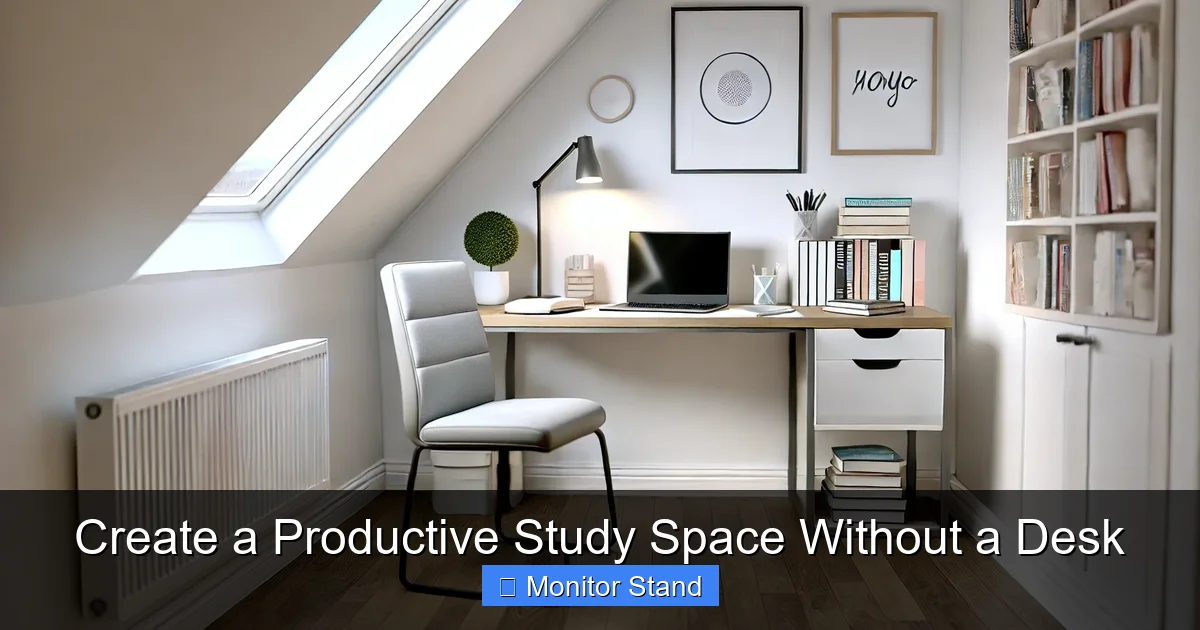
First, think about how you study. This helps you create a productive study space without a desk that fits you. Ask yourself some questions. Do you read for hours? Do you type on a laptop? Do you need lots of books? Your answers guide your setup.
Visual guide about Create a Productive Study Space Without a Desk
Image source: qnasains.com
Identify Your Study Needs
List your study activities. For example, if you use a laptop often, you might need a stable surface. If you write notes, a flat area is key. Also, consider your tools. Do you have a tablet, monitor, or printer? Knowing this helps plan your space.
Measure Your Available Space
Look around your home. Find spots where you can study. It could be a corner of your room. Or a quiet part of the living room. Even a closet nook can work. Measure the area. Note the floor space and wall space. This tells you what furniture or items will fit. Remember, you want to create a productive study space without a desk that feels open and not cramped.
Step 2: Select a Comfortable Seating Arrangement
Comfort is crucial for long study sessions. Without a desk, your seating choice matters even more. You need support to avoid back pain. Let’s explore options.

Visual guide about Create a Productive Study Space Without a Desk
Image source: thepinnaclelist.com
Floor Seating Options
Sitting on the floor can be cozy. Use thick cushions or a meditation pillow. Add a backrest against a wall. A floor chair with lumbar support is great too. Make sure your hips are level with or above your knees. This reduces strain. To create a productive study space without a desk on the floor, keep a rug or mat for comfort.
Bed or Sofa Studying
Your bed or sofa can be a study spot. But be careful! Slouching is easy. Use firm pillows behind your back. Sit upright against the headboard. Place a pillow on your lap for support. This mimics a desk-like angle. It’s a simple way to create a productive study space without a desk in your bedroom.
Using Chairs Without Desks
If you have a chair but no desk, that’s okay. Choose an ergonomic chair. One with good back support. Then, pair it with a lap desk or tray. This gives you a surface. You can also use a nearby windowsill or shelf. The goal is to keep your body aligned while you study.
Step 3: Choose Your Surface Solution
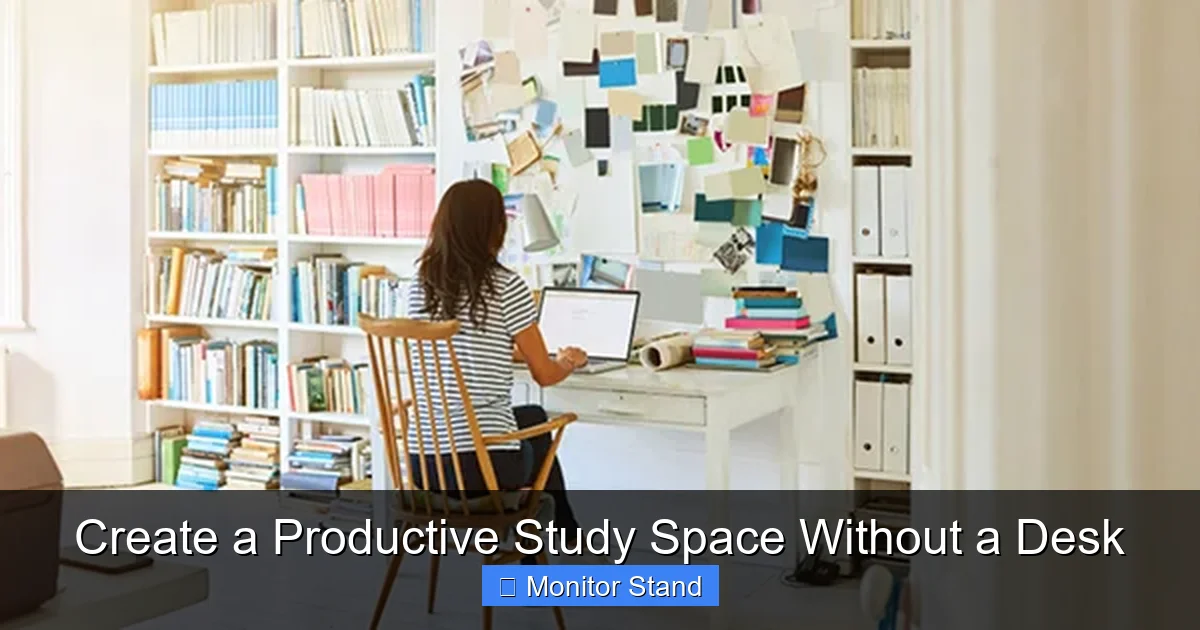
You need a place to put your books and devices. That’s where alternative surfaces come in. They help you create a productive study space without a desk. Here are some ideas.
Visual guide about Create a Productive Study Space Without a Desk
Image source: d3srkhfokg8sj0.cloudfront.net
Lap Desks and Trays
Lap desks are perfect. They come in many styles. Some have cushions underneath. Others have built-in fans for cooling. Choose one with a flat, sturdy top. It should hold your laptop and notebook. Trays from your kitchen can work too. Look for ones with raised edges to prevent slips. This is a cheap way to create a productive study space without a desk.
TV Trays and Portable Tables
TV trays are lightweight and foldable. Set one up next to your seat. They offer a stable surface. Portable tables, like camping tables, are also good. They are adjustable in height. You can use them on the floor or with a chair. These surfaces make it easy to create a productive study space without a desk that you can move around.
Wall-Mounted or Floating Shelves
Use your walls! Install a floating shelf at chest height. This becomes your “desk” surface. You can stand or sit on a stool in front of it. It’s great for reading and writing. Make sure the shelf is deep enough for your items. This saves floor space. It’s a smart hack to create a productive study space without a desk.
Step 4: Set Up Your Technology
Today, studying often means using tech. Laptops, tablets, and monitors are common. Without a desk, managing them can be tricky. But with some tips, you can create a productive study space without a desk that’s tech-friendly.
Using Monitor Stands for Laptops and Tablets
Monitor stands are not just for desks! They are key to creating a productive study space without a desk. Place a monitor stand on a lap desk, tray, or shelf. Then, put your laptop or tablet on it. This elevates the screen to eye level. It reduces neck strain. Some stands are adjustable. Look for lightweight, portable ones. You can even use books or boxes as DIY stands. The idea is to bring the screen to a comfortable height.
Managing Cables and Power
Cables can be messy. Use cable clips or ties to keep them neat. A power strip with a long cord helps. Plug it in near your study spot. Use a small basket to hold chargers. This prevents tripping and clutter. When you create a productive study space without a desk, cable management makes it look tidy and safe.
Incorporating Secondary Monitors
Do you use a second monitor? You can still do it without a desk. Use a monitor stand that clamps to a surface. Or place the monitor on a sturdy shelf. Connect it to your laptop. Adjust the height with stands or books. This boosts productivity. It shows how you can create a productive study space without a desk that’s advanced.
Step 5: Organize Your Study Materials
Without desk drawers, organization is vital. You need systems to keep things handy. This helps you create a productive study space without a desk that’s efficient.
Storage Bins and Baskets
Use bins or baskets for your books and supplies. Label them for easy finding. Place them under your seat or on a shelf. A rolling cart is also great. You can move it around. This keeps your study area clean. It’s a simple step to create a productive study space without a desk.
Hanging Organizers and Pocket Holders
Hang organizers on the wall or over a door. They have pockets for pens, papers, and gadgets. Shoe organizers work well too. This uses vertical space. It keeps items off the floor. When you create a productive study space without a desk, these organizers save room.
Digital Organization Tips
Go digital to reduce clutter. Use apps for notes and textbooks. Store files in the cloud. Keep your desktop clean. This means less physical stuff to manage. It complements your effort to create a productive study space without a desk.
Step 6: Create an Ideal Study Environment
Your study space should help you focus. Lighting, noise, and decor matter. Let’s make your area inviting.
Lighting Solutions
Good light is a must. Natural light is best. Sit near a window. But avoid glare on your screen. Add a lamp for evening study. A floor lamp or clip-on lamp works. Choose LED bulbs with bright, white light. This reduces eye strain. It helps you create a productive study space without a desk that’s easy on the eyes.
Noise Control and Focus
Minimize distractions. Use noise-canceling headphones. Play calm music or white noise. If you share space, set boundaries. Tell others when you study. A “do not disturb” sign can help. This way, you create a productive study space without a desk that’s peaceful.
Personalizing Your Space
Add personal touches. A plant boosts mood. Inspiring quotes on the wall motivate you. Use a favorite mug for drinks. Keep it simple, though. Too much clutter can distract. Personalizing helps you create a productive study space without a desk that feels like yours.
Step 7: Ensure Ergonomic Health
Studying without a desk can strain your body. But with ergonomics, you stay healthy. Follow these tips to create a productive study space without a desk that supports your well-being.
Posture Tips for Non-Desk Setups
Keep your back straight. Shoulders relaxed. Feet flat on the floor if sitting. Use pillows for support. Your screen should be at eye level. That’s where monitor stands help. Your knees and elbows should be at 90-degree angles. Adjust your surface height if needed. This prevents pain.
Taking Breaks and Stretching
Don’t sit too long. Use the 20-20-20 rule. Every 20 minutes, look at something 20 feet away for 20 seconds. Stand up and stretch hourly. Move your neck, shoulders, and back. This keeps you fresh. It’s part of creating a productive study space without a desk that’s sustainable.
Adjusting Over Time
Your needs may change. Listen to your body. If something hurts, tweak your setup. Maybe add more cushion. Or raise your screen higher. Regularly assess your space. This ensures you always have a productive study space without a desk that works for you.
Troubleshooting Common Issues
Even with planning, problems can pop up. Here’s how to fix them when you create a productive study space without a desk.
Dealing with Discomfort
If your back hurts, check your seating. Add more lumbar support. If your neck aches, raise your screen with a monitor stand. Use a footrest if your legs dangle. Small changes make big differences. Comfort is key to a productive study space without a desk.
Managing Limited Space
In tiny areas, think vertical. Use wall shelves and hanging organizers. Foldable items like lap desks save space when not in use. Choose multi-purpose furniture. A storage ottoman can seat you and hold supplies. This maximizes your area to create a productive study space without a desk.
Staying Motivated
Without a traditional desk, it might feel informal. Set a routine. Dress as if going to study. Start each session by tidying your space. Reward yourself after goals. This builds habit. It helps you maintain a productive study space without a desk.
Conclusion
Creating a productive study space without a desk is totally doable. You’ve learned to assess your needs, choose seating, pick surfaces, and set up tech. Monitor stands are your friend for ergonomics. Organization and lighting boost focus. Remember to prioritize comfort and health. With these steps, you can study effectively anywhere. Start today! Find a corner, gather your items, and build your space. You’ll see how easy it is to create a productive study space without a desk. Happy studying!
