
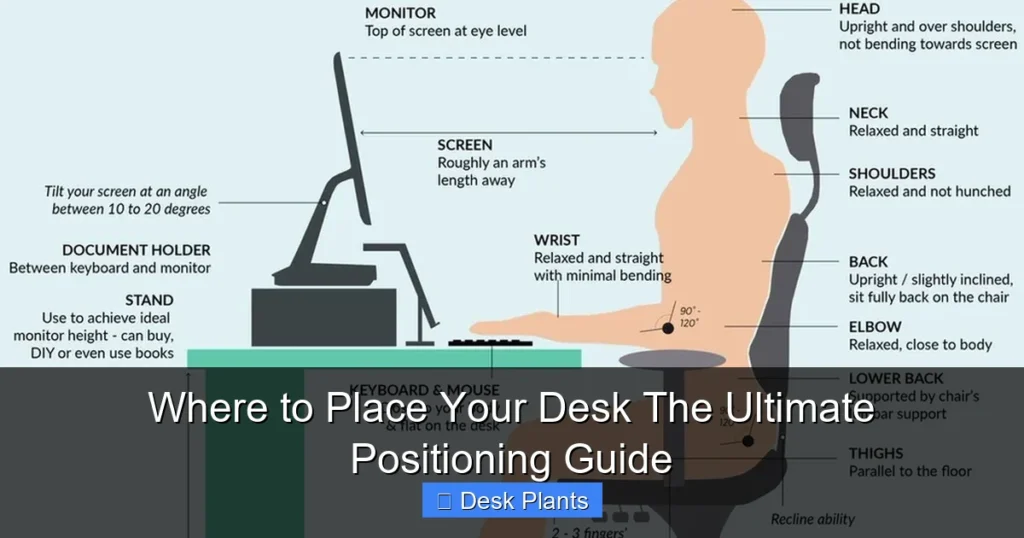
Your desk placement is a cornerstone of productivity, comfort, and even creativity. This guide walks you through a step-by-step process to find the perfect spot, balancing practical ergonomics with the subtle energy of your space. Learn how to integrate desk plants and natural elements to transform any area into a thriving, focused workspace.
Key Takeaways
- The Command Position is Key: Placing your desk so you face the door (without being directly in line with it) subconsciously reduces stress and increases your sense of control.
- Prioritize Your View: Position your desk to look at something inspiring, like a plant or piece of art, rather than a blank wall, to reduce mental fatigue.
- Lighting Dictates Placement: Your primary light source, ideally natural light from a window, should illuminate your workspace from the side to prevent glare on your screen.
- Plants are Positioning Partners: Use desk plants strategically to define space, improve air quality, and soften harsh corners, making any desk location feel more intentional.
- Ergonomics Over Aesthetics: No matter how beautiful the spot, if your chair doesn’t fit or your screen is at the wrong height, you must adjust the desk placement for your body’s health.
- Beware the “Bad Back to Door”: Avoid placing your desk with your back directly to a high-traffic area or door, as it can create subconscious unease and distractions.
Where to Place Your Desk: The Ultimate Positioning Guide
Your desk is more than just a piece of furniture. It’s your command center, your creative cockpit, and your daily anchor. Where you place it in a room has a profound impact on your focus, your energy, and even your posture. A poorly positioned desk can lead to neck strain, eye fatigue, and a constant feeling of distraction. But a well-placed desk? It can feel like a sanctuary of productivity.
This guide will help you find that sweet spot. We’ll blend practical ergonomics with principles of design and well-being. And because we’re focusing on the “Desk Plants” category, we’ll specifically explore how greenery can enhance and inform your perfect desk placement. Let’s create a workspace that works for you.
Step 1: Assess Your Room and Intentions
Before you shove your desk into a corner, take a moment. Walk around the room at different times of day. What are you using this space for? Deep-focus work? Creative projects? Managing household tasks?
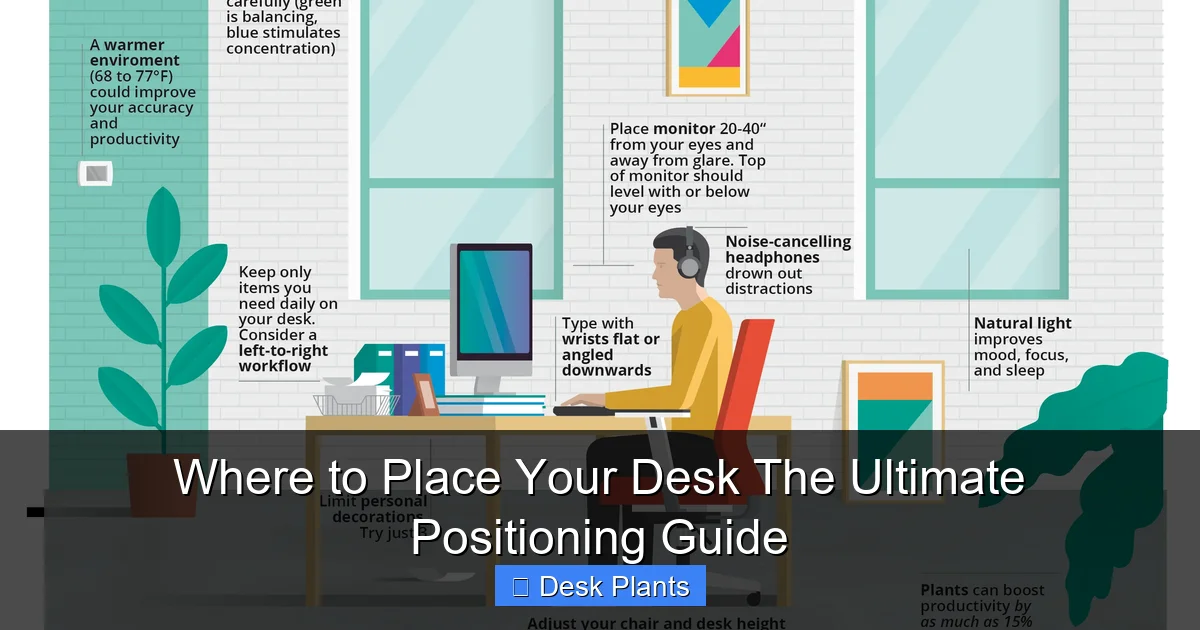
Visual guide about Where to Place Your Desk The Ultimate Positioning Guide
Image source: cdn.zapier.com
Identify Room Features
Note the locations of:
- Windows: Direction (North, South, East, West) and the path of sunlight.
- Electrical Outlets: Essential for powering your tech.
- Doors and Traffic Flow: How people move through the space.
- Permanent Fixtures: Vents, radiators, air conditioners, or built-in shelves.
- Empty Walls vs. Views: Potential for art, a vision board, or a calming outlook.
Define Your Work Personality
Are you easily distracted? A position facing away from the window or door might be best. Do you thrive on natural light and inspiration? A window seat could be ideal. Your needs are the most important factor in where to place your desk.
Step 2: Master the Command Position (A Feng Shui Principle)
One of the most powerful concepts in desk placement comes from Feng Shui: the Command Position. The idea is simple but powerful.
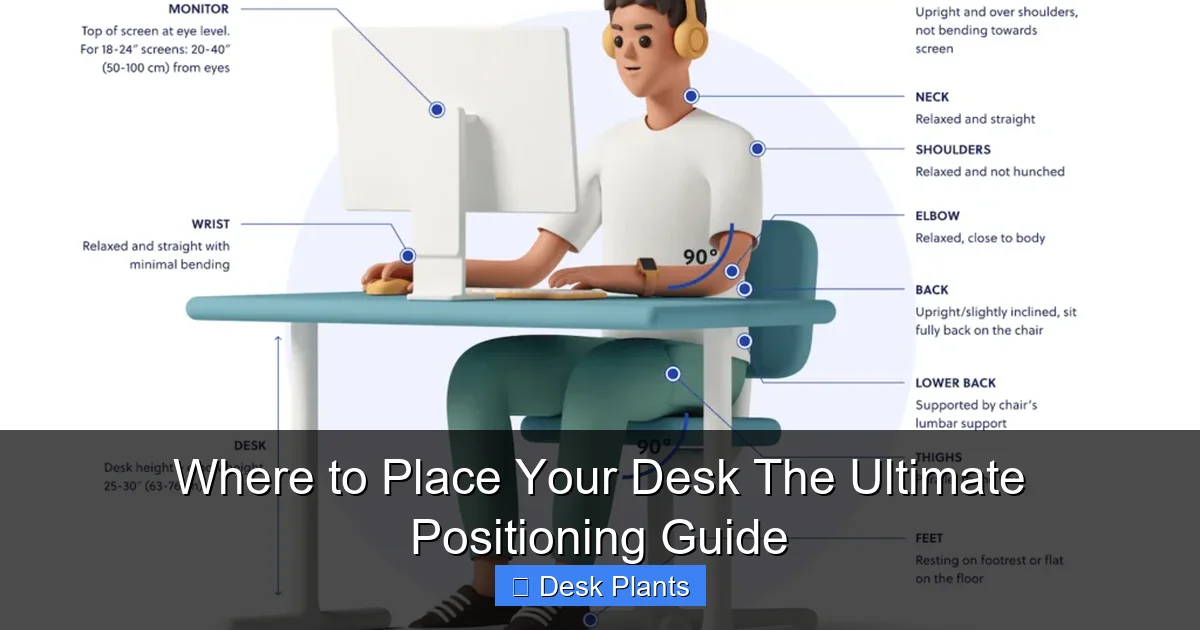
Visual guide about Where to Place Your Desk The Ultimate Positioning Guide
Image source: quidlo.com
Your desk should be placed so that you can see the door to the room without being directly in line with it. You are figuratively and literally “in command” of your space, able to see opportunities (or interruptions) coming. This placement reduces the subconscious anxiety of someone approaching from behind.
How to Achieve It
If your door is on a wall, place your desk diagonally across the room, facing the door. If this isn’t possible, use a small mirror on your desk to reflect the doorway. This principle alone often solves the unease people feel in a home office.
Step 3: Solve the Window Dilemma
Windows are a blessing and a challenge. Here’s how to decide where to place your desk in relation to them.
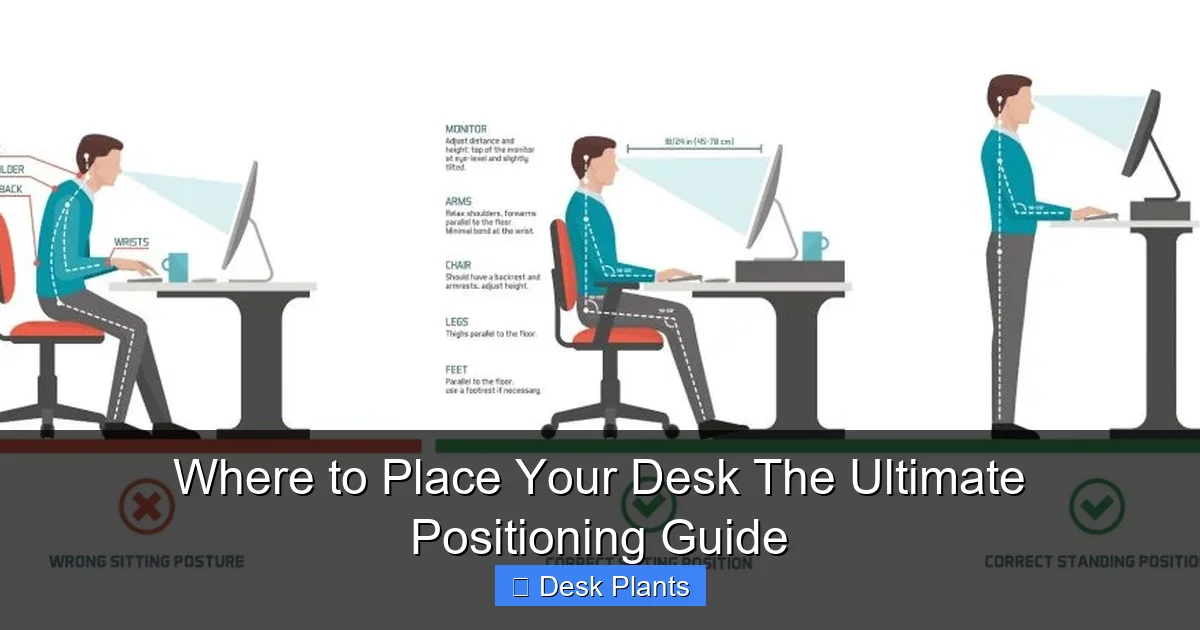
Visual guide about Where to Place Your Desk The Ultimate Positioning Guide
Image source: centralperformance.com.au
The Ideal: Perpendicular to a Window
This is the gold standard. Having a window to your left or right provides excellent, even natural light without causing glare on your screen. Your dominant hand should be away from the window to prevent casting a shadow while writing.
The Second Best: Facing the Window
A view can be inspiring, but direct sunlight on your screen is a nightmare. If you face a window, ensure you have excellent blinds or shades to control the light. This position is great for creatives who need a visual break.
The Worst: Back to the Window
This creates a silhouette effect, casting your face in shadow on video calls and causing intense screen glare. It also wastes the psychological benefit of a view. Avoid this if possible.
Step 4: Choose Your Desk Layout Style
Now, let’s translate principles into practical layouts. Here are the most common desk placement styles and their pros and cons.
The Centered Anchor
Best for: Large rooms, primary home offices, leadership energy.
The desk is placed in the middle of the room, facing the main door. This is the ultimate Command Position. It creates a powerful, focused atmosphere but requires ample space and can feel exposed if the room is too small.
Plant Tip: Use a larger floor plant (like a Fiddle Leaf Fig or Snake Plant) behind the desk to soften the space and add a backdrop of life.
The Commanding Corner
Best for: Small to medium rooms, reducing distraction, creating a cozy nook.
Your desk sits in a corner, allowing you to face out into the room at an angle. This uses space efficiently and makes you feel nestled and supported. Ensure you have enough leg room and that the corner doesn’t feel cramped.
Plant Tip: A trailing plant like a Pothos or Philodendron on a high shelf in the corner can soften the hard angles and draw the eye beautifully.
The Window Wall
Best for: Creatives, those who need mood-boosting light, smaller spaces.
The desk runs along the wall under or adjacent to a window. Maximizes light and view. Be vigilant about glare and potential drafts. Use a desk mat to protect the surface from sun damage.
Plant Tip: This is perfect for sun-loving plants like succulents (e.g., Aloe Vera, Jade Plant) or a flowering Kalanchoe on the windowsill. They’ll thrive and purify your air.
The Room-Dividing “Float”
Best for: Multi-purpose rooms (e.g., living room/office), open-plan spaces.
The desk is placed away from walls, acting as a room divider. This creates a distinct “zone” for work. Use a desk with a presentable backside or add a low bookshelf behind it.
Plant Tip: A line of medium-sized plants (like ZZ Plants or Peace Lilies) on the back of the desk can enhance the division, creating a natural, green partition.
Step 5: Integrate Desk Plants Strategically
Plants are not just decor; they are active participants in your workspace ecosystem. They inform where to place your desk and accessories.
Plants for Light Enhancement
If your perfect desk spot is a little dark, choose low-light plants (like Snake Plants or ZZ Plants) that thrive in those conditions. Their vibrant green can trick the eye into perceiving more light and vitality in the space.
Plants as Functional Decor
Use a small, bushy plant (like a Peperomia or a small Fern) to gently block an unattractive view of a power strip or cords at the side of your desk. A tall, slender plant in a corner can visually “lift” the ceiling in a small room.
The Air Quality Station
Place air-purifying champions like a Spider Plant, Peace Lily, or Boston Fern within a 3-5 foot radius of your seating area. This creates a cleaner breathing zone right where you spend hours.
Step 6: Apply Final Ergonomics & Practical Checks
A beautiful position is worthless if it hurts your body. Run through this final checklist.
- Chair Fit: Can you push your chair back fully without hitting a wall or piece of furniture?
- Monitor Height: Is the top of your screen at or slightly below eye level when sitting straight?
- Reach Zone: Are your most-used items (mouse, notebook, pen cup) within easy reach?
- Outlet Access: Can you plug in your devices safely without running trip-hazard cords across walkways?
- Climate: Is your desk far from blasting vents, radiators, or drafty windows? Extreme temperatures harm both you and your plants.
Troubleshooting Common Desk Placement Problems
Problem: “My only option is facing a blank wall.”
Solution: Transform the wall into a “vision zone.” Add a shelf above the desk with plants and inspiring items. Use a large piece of art, a tapestry, or a cork board for notes. A small, upward-facing light can add depth.
Problem: “The room is too small for any ideal position.”
Solution: Go vertical. Use wall-mounted shelves and a compact desk. A mirror opposite a window can double the light. Choose a small-scale, upright plant (like a Chinese Evergreen) to add life without consuming precious surface area.
Problem: “I share the space (living room/bedroom).”
Solution: Use the room-dividing “float” method or a commanding corner. A cohesive style and a defined rug under your desk area can mentally separate it. A group of 2-3 plants on your desk creates a clear, personal micro-environment.
Conclusion: Cultivate Your Perfect Workspace
Finding where to place your desk is a personal journey of balancing the seen (light, outlets, space) with the unseen (flow, comfort, focus). There is no one-size-fits-all answer, but by following the steps in this guide—assessing your space, seeking the command position, respecting the light, choosing a layout, integrating plants, and finalizing for ergonomics—you are equipped to make the best decision for your unique situation.
Remember, your workspace is a living area. Start with the fundamentals of desk placement, then let it evolve. Add a plant that makes you smile. Adjust the angle of your lamp. The goal is to create a spot where you feel both empowered and at ease, a place where great work—and well-being—can grow.
🎥 Related Video: Arm Position is Key to be Ergonomic 💪 #homeoffice
📺 RightAngle™ Products
Home Office Ergonomics, Episode 1: Arm and Keyboard Placement. Add a keyboard tray to guarantee your arms are parallel to …