
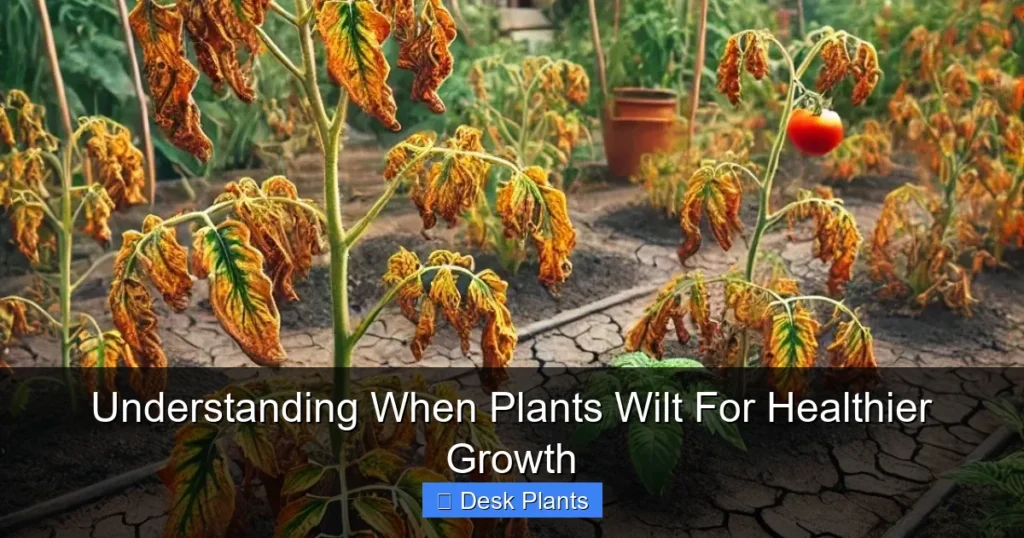
Understanding when plants wilt is key to keeping your desk plants healthy. This guide helps you identify the root causes like water, light, and environment and provides actionable steps to revive and prevent wilting for lush, vibrant growth.
Key Takeaways
- Wilting is a Symptom: It indicates stress from water, light, temperature, or root issues, signaling the need for quick action.
- Balance Watering: Both overwatering and underwatering can cause wilting; learn to feel soil moisture and adjust schedules.
- Light Matters: Desk plants need the right amount of light; too much or too little leads to wilting and weak growth.
- Check Root Health: Root-bound plants or root rot can cause wilting; repot when needed with well-draining soil.
- Monitor Environment: Humidity and temperature changes can stress plants, causing wilting; stabilize conditions for health.
- Pest Vigilance: Pests like spider mites or diseases can lead to wilting; inspect regularly and treat early.
- Proactive Care: Regular checks and adjustments prevent wilting and promote healthier, resilient desk plants.
Introduction: Why Understanding Wilting Matters
Hey there, plant lover! Have you ever walked up to your desk and seen your favorite plant looking sad and droopy? That’s wilting. It’s a common issue, but it doesn’t have to be a mystery. This guide is all about understanding when plants wilt for healthier growth. We’ll explore the why and how, so you can turn those droopy leaves into perky, happy plants. Whether you’re a newbie or a seasoned green thumb, you’ll gain practical tips to keep your desk plants thriving. By the end, you’ll know exactly when do plants wilt and how to fix it fast. Let’s dive in!
What is Wilting and Why It Matters
Wilting is when plant leaves or stems lose their firmness and droop. Think of it as your plant’s way of saying, “Help me!” It’s a distress signal. Healthy plants are turgid, meaning their cells are full of water, keeping them upright. When something goes wrong, they wilt. For desk plants, this often happens due to small care mistakes. But don’t panic! Understanding when plants wilt is the first step to saving them. Ignoring wilting can lead to permanent damage or even plant death. So, let’s learn to listen to our plants. When do plants wilt? Usually, when they’re stressed. And stress can come from many factors. We’ll cover them all.
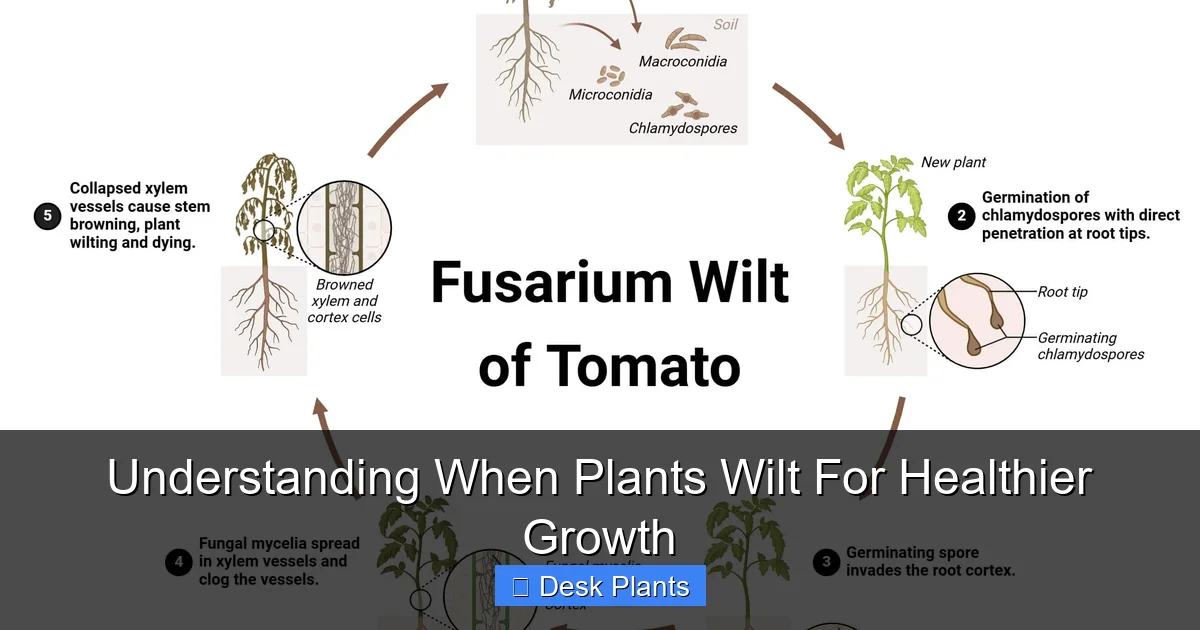
Visual guide about Understanding When Plants Wilt For Healthier Growth
Image source: microbenotes.com
Common Causes of Wilting in Desk Plants
Desk plants are like tiny roommates—they need the right environment to thrive. Wilting can stem from several issues. Knowing these causes helps you act quickly. Here are the big ones.
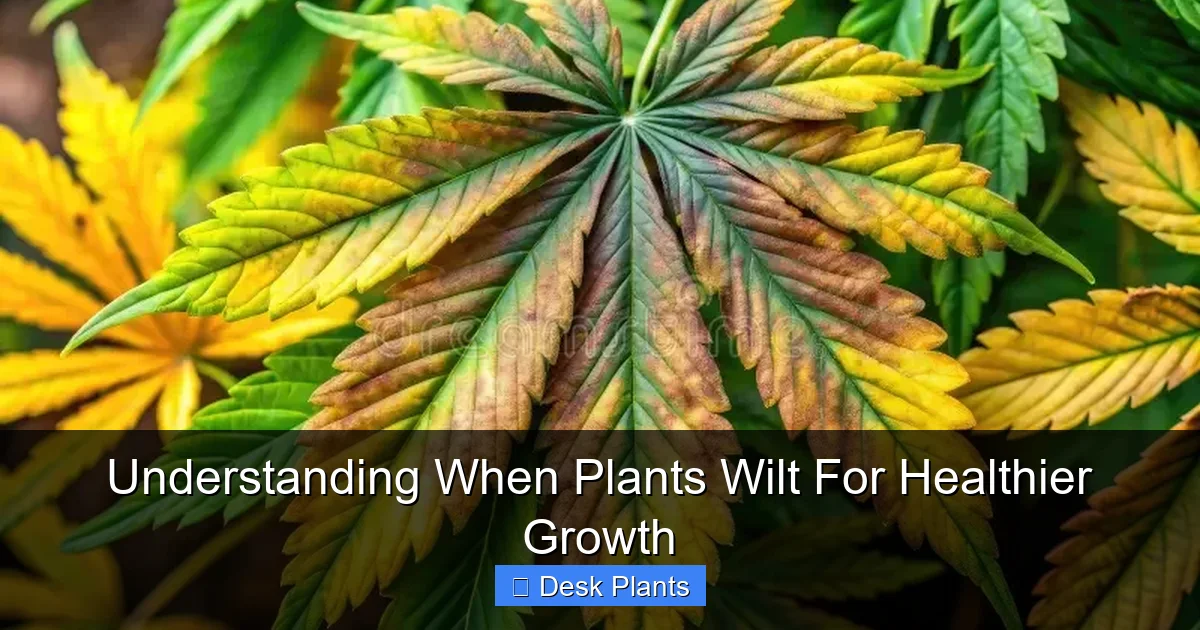
Visual guide about Understanding When Plants Wilt For Healthier Growth
Image source: thumbs.dreamstime.com
Overwatering
Too much love can hurt! Overwatering is a top reason for wilting. Plants roots need air to breathe. When soil is constantly wet, roots suffocate and rot. This rot stops water uptake, causing wilting. Signs include yellow leaves, soggy soil, and a musty smell. So, when do plants wilt from overwatering? Often after you’ve watered them heavily, especially if the pot lacks drainage. For desk plants like succulents or pothos, overwatering is a common pitfall. Always check soil moisture before watering.
Underwatering
On the flip side, not enough water is a classic cause. Plants use water to maintain cell pressure. Without it, cells collapse, and leaves droop. Underwatering wilting is gradual—soil feels dry, and leaves may turn crispy. When do plants wilt from underwatering? When the soil has been dry for days, or if you forget to water during a busy week. Desk plants in small pots dry out faster. Set reminders to water, but always test the soil first.
Light Issues
Light is food for plants. Too little light weakens them, reducing energy for growth. They may wilt from exhaustion. Too much direct light can scorch leaves, leading to wilting. Desk plants often face low light in office corners. But some, like snake plants, tolerate it. Others, like ferns, need bright indirect light. When do plants wilt from light issues? When they’re moved suddenly or placed in unsuitable spots. Observe your plant’s light needs and adjust.
Temperature Stress
Plants prefer stable temperatures. Extreme heat increases water loss, while cold can damage cells. Both cause wilting. Desk plants near windows, vents, or heaters are at risk. For example, a drafty window in winter might chill your plant. Or a summer heatwave from a sunny desk can stress it. So, when do plants wilt from temperature? During sudden changes, like air conditioning blasts or seasonal shifts. Keep plants in a cozy spot, away from extremes.
Low Humidity
Many desk plants, like peace lilies, love humidity. Dry air from air conditioning or heating sucks moisture from leaves. This causes wilting because leaves lose water faster than roots can absorb. When do plants wilt from low humidity? In arid offices or during winter when heaters run. Signs include brown leaf tips and drooping. Boost humidity with simple tricks, like a pebble tray or humidifier.
Root Problems
Roots are the hidden heroes. If they’re unhappy, your plant wilts. Root-bound plants have crowded roots that can’t absorb water well. Root rot from overwatering also harms roots. Both lead to wilting. When do plants wilt from root issues? Often after months in the same pot, or if the soil is poor. Check roots by gently lifting the plant. Healthy roots are white and firm. Brown, mushy roots mean trouble.
Pests and Diseases
Tiny invaders can cause big problems. Pests like spider mites, aphids, or mealybugs suck plant sap, weakening the plant. Diseases like fungal infections block water flow. These stressors cause wilting. When do plants wilt from pests? When infestations are left unchecked. Look for webbing, spots, or sticky residue. Regular inspection helps catch issues early.
How to Diagnose Wilting Plants
Diagnosis is like being a plant detective. You need clues to find the cause. Follow these steps to figure out when do plants wilt in your care.
Visual guide about Understanding When Plants Wilt For Healthier Growth
Image source: houseplantjoy.com
Step-by-Step Diagnosis
First, check soil moisture. Stick your finger an inch into the soil. Is it wet, dry, or moist? This tells you about watering. Second, examine the leaves. Are they yellow, brown, or spotted? Color changes hint at light or nutrient issues. Third, inspect the roots. Carefully remove the plant from its pot. Are roots white and firm or brown and slimy? Root health is crucial. Fourth, consider recent changes. Did you move the plant, change watering, or adjust the room? Plants dislike sudden shifts. Fifth, look for pests. Check under leaves and along stems. Use a magnifying glass if needed. By piecing this together, you’ll understand when do plants wilt and why.
Step-by-Step Solutions for Wilting Plants
Once you know the cause, it’s fix-it time! Here are solutions for common wilting issues.
Adjusting Watering Practices
For overwatering, stop watering and let the soil dry. Improve drainage by adding perlite to soil or ensuring pots have holes. If root rot exists, repot with fresh soil and trim damaged roots. For underwatering, water thoroughly until it drains out the bottom. Then, establish a consistent schedule—water when the top inch of soil is dry. Use a moisture meter for accuracy. Remember, when do plants wilt from water issues? When balance is lost. So, learn your plant’s thirst cues.
Optimizing Light Conditions
If light is too low, move plants closer to a window or use grow lights. Desk-friendly LED lights work well. For too much light, provide sheer curtains or move the plant back. Rotate plants weekly for even growth. Understanding when do plants wilt from light helps you adjust. For example, a zz plant might wilt in direct sun, while a fern wilts in dark corners. Match light to plant needs.
Managing Temperature and Humidity
Keep plants away from drafts, vents, and heaters. Aim for room temperatures of 65-75°F. Use a thermometer to monitor. For humidity, group plants together, use a humidifier, or place a tray of water nearby. Misting can help but do it lightly. This prevents wilting from environmental stress. When do plants wilt from temperature swings? Often in transitional seasons, so be extra vigilant then.
Addressing Root Health
If root-bound, repot into a slightly larger pot with fresh, well-draining soil. Gently loosen roots before planting. For root rot, remove the plant, wash roots, cut off rotten parts, and repot in new soil. Always use pots with drainage holes. Healthy roots mean no wilting. When do plants wilt from root problems? When they’ve outgrown their space or soil is degraded. Repot every 1-2 years.
Dealing with Pests and Diseases
For pests, wipe leaves with soapy water or use insecticidal soap. Isolate infected plants to prevent spread. For diseases, remove affected leaves and improve air circulation. Use fungicides if necessary. Prevention is key—keep plants clean and avoid overwatering. When do plants wilt from pests? When infestations are severe, so act fast at first signs.
Preventive Measures for Healthier Growth
Stop wilting before it starts! Prevention keeps your desk plants happy and healthy.
First, know your plant. Research its specific needs for water, light, and humidity. Label pots if needed. Second, create a care routine. Water based on soil moisture, not a calendar. Check plants weekly for changes. Third, stabilize the environment. Avoid moving plants frequently. Use consistent light sources. Fourth, use quality supplies. Choose well-draining soil and appropriate pots. Fifth, observe and adapt. Plants change with seasons—water less in winter, more in summer. By doing this, you’ll rarely ask when do plants wilt because you’ll be ahead of problems.
Troubleshooting Common Wilting Scenarios
Sometimes, wilting tricks you. Here are common scenarios and fixes.
Scenario 1: Plant wilts right after watering. This could be transplant shock or root rot. Check roots and ensure gentle watering. Scenario 2: Plant wilts during afternoon heat. Move it to a cooler, shaded spot. Scenario 3: New plant wilts. It might be acclimating. Give it time, keep care consistent, and avoid repotting immediately. Scenario 4: Multiple plants wilt at once. Check room conditions—maybe the heater dried the air or a draft hit them. Scenario 5: Plant wilts but soil is fine. Consider nutrient deficiency or hidden pests. Fertilize lightly and inspect closely. Remember, when do plants wilt often depends on specific situations, so stay curious and patient.
Conclusion: Embrace Healthier Plant Growth
Congratulations! You’ve now mastered understanding when plants wilt for healthier growth. Wilting isn’t a death sentence—it’s a call to action. By diagnosing causes and applying solutions, you can revive your desk plants and prevent future issues. Keep observing, learning, and enjoying your green companions. Your desk will be a lush, vibrant oasis in no time. Happy planting!
🎥 Related Video: Three different stages: wilting, watering and reviving plant #timelapse #coleus #video
📺 Mr. tiny farmer