
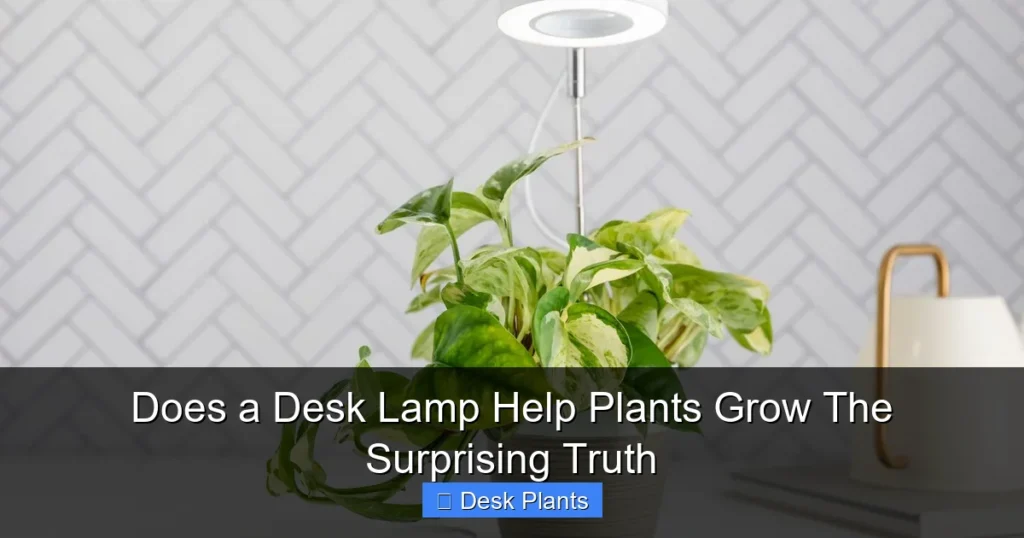
A desk lamp can help plants grow, but only if used correctly. The key is choosing the right type of light and setting it up properly to mimic natural sunlight. This guide reveals the steps to harness desk lamp light for thriving desk plants.
Key Takeaways
- Desk lamps are not sun replacements: They supplement natural light but cannot fully replace sunlight for most plants.
- Light spectrum is key: Plants need blue and red light for growth, which some desk lamps provide better than others.
- LED and fluorescent bulbs are best: These energy-efficient options emit the right wavelengths for photosynthesis.
- Distance and duration matter: Place the lamp close enough without burning leaves, and maintain a consistent light schedule.
- Monitor plant response: Watch for signs of too much or too little light, like leggy growth or leaf burn.
- Choose the right plants: Low-light tolerant plants like pothos or snake plants are ideal for desk lamp setups.
- Combine with other care factors: Light is just one part; ensure proper watering, humidity, and soil for overall plant health.
Introduction: The Desk Lamp Dilemma
Have you ever looked at your desk lamp and wondered if it could do more than just brighten your workspace? Maybe you have a few desk plants that seem a bit sad in the dim office or home corner. You might ask, “Does a desk lamp help plants grow?” The answer is surprising. Yes, a desk lamp can help plants grow, but it’s not as simple as flipping a switch. In this guide, we’ll uncover the truth. You’ll learn how to use a desk lamp to boost plant growth. We’ll cover everything from light basics to step-by-step setup. By the end, you’ll know how to turn your desk into a mini greenhouse.
Understanding Light and Plant Growth
Light is like food for plants. Through photosynthesis, plants use light to make energy. But plants are picky eaters. They mostly crave blue and red light. Blue light helps leaves grow lush. Red light encourages flowers and fruits. Sunlight gives them a full meal. Desk lamps often offer a snack. So, does a desk lamp help plants grow? It can if it serves the right food. Let’s break it down.
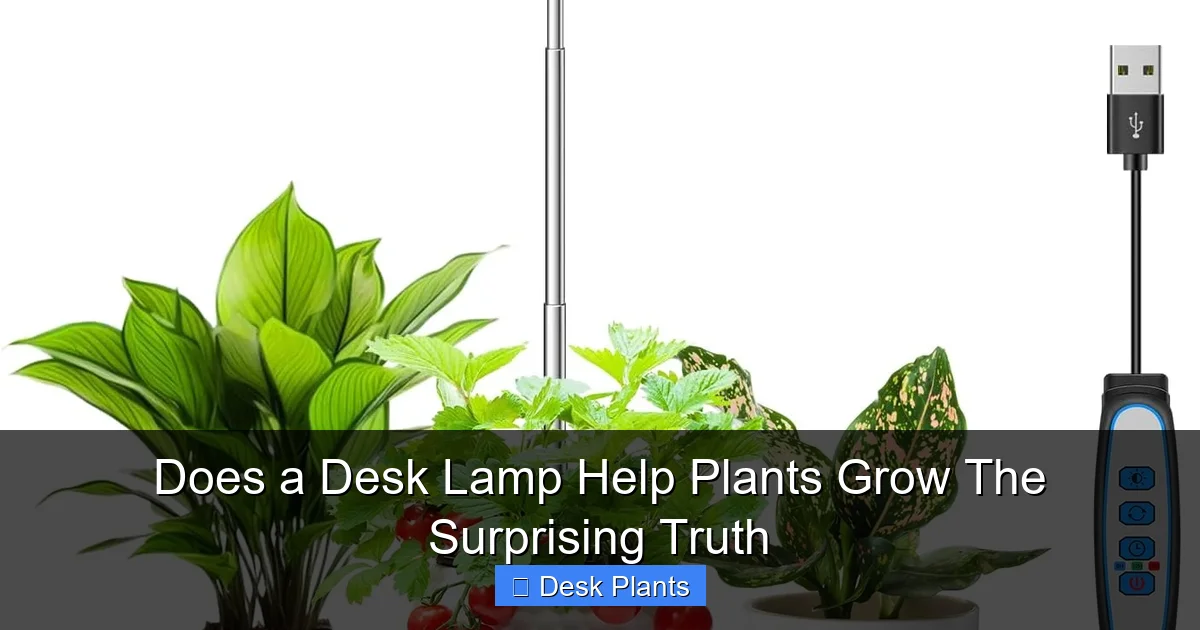
Visual guide about Does a Desk Lamp Help Plants Grow The Surprising Truth
Image source: m.media-amazon.com
The Three Pillars of Light for Plants
Think of light in three parts: intensity, duration, and spectrum. Intensity is how bright the light is. Duration is how long it shines. Spectrum is the color mix. For desk lamps, you must balance all three. A dim lamp won’t do much. A bright lamp too close can fry leaves. Leaving it on all night stresses plants. Get these right, and your desk lamp will help plants grow.
Why Natural Light Isn’t Always Enough
Many desks are in low-light spots. Think cubicles or north-facing rooms. Here, plants struggle. A desk lamp can fill the gap. It gives extra light when sunlight is scarce. This is where a desk lamp helps plants grow. But remember, it’s a supplement, not a cure-all.
Types of Desk Lamps and Bulbs for Plants
Not all desk lamps are equal. The bulb type makes or breaks your plant’s growth. Here’s a look at common options.
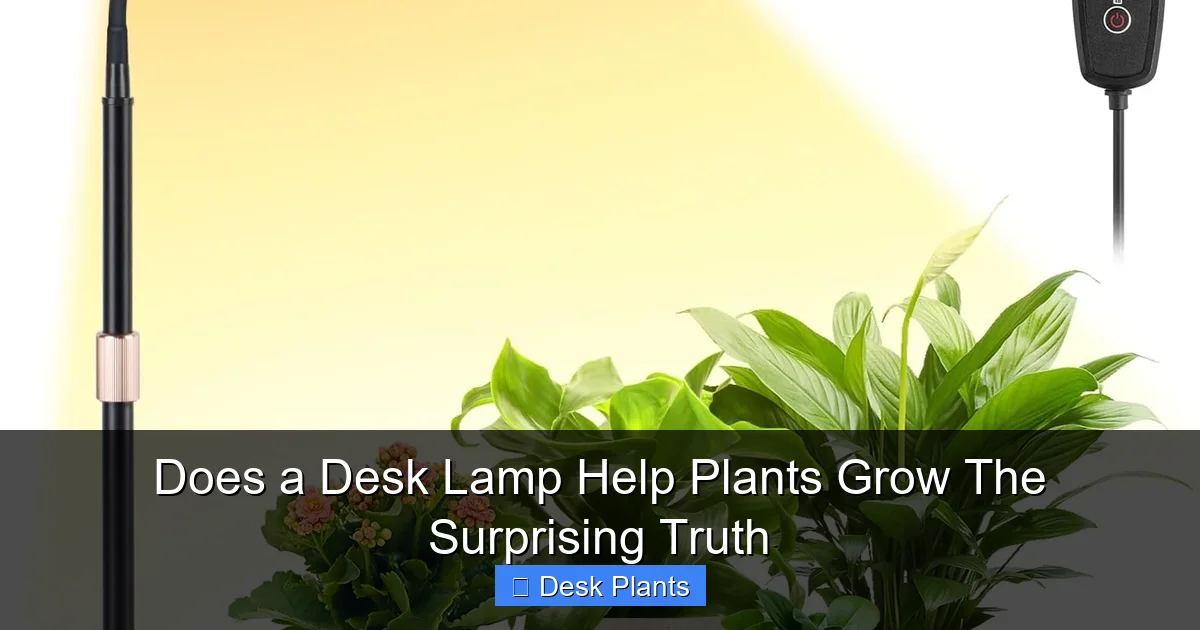
Visual guide about Does a Desk Lamp Help Plants Grow The Surprising Truth
Image source: m.media-amazon.com
- Incandescent Bulbs: Old-school and warm. They emit lots of heat and little usable light. Avoid them for plants. They can burn leaves and waste energy.
- Fluorescent Bulbs: These include CFLs. They are cool and efficient. They offer a decent spectrum for growth. Great for desk plants. They last long and are affordable.
- LED Bulbs: The star player. LEDs can be made to emit perfect plant light. Many grow lights are LEDs. They run cool, save power, and last years. Ideal for helping plants grow.
- Halogen Bulbs: Bright but hot. Similar to incandescent. Not good for plants due to heat risk.
So, when picking a desk lamp, think bulb first. LED or fluorescent desk lamps help plants grow best.
What About Full-Spectrum Bulbs?
Full-spectrum bulbs mimic sunlight. They are often labeled as “grow lights.” You can find them in LED or fluorescent form. They are excellent for plants. If your desk lamp can use one, get it. It will help your plants grow more naturally.
How to Choose the Right Desk Lamp for Your Plants
Choosing a desk lamp isn’t just about style. It’s about function. Follow these steps to pick a lamp that helps plants grow.
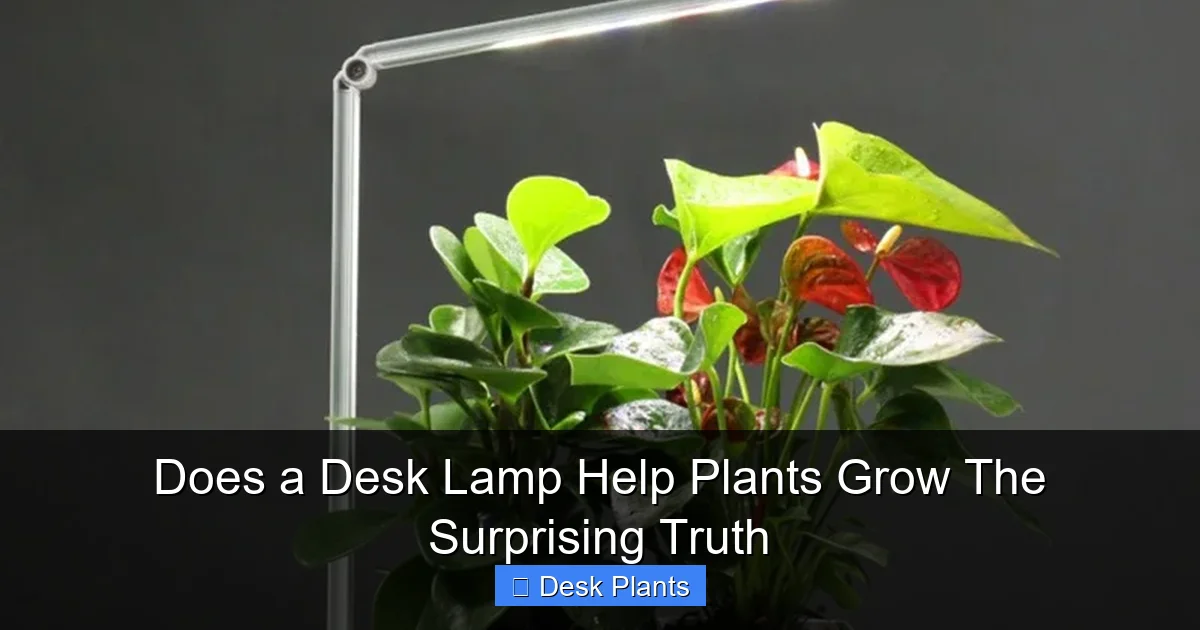
Visual guide about Does a Desk Lamp Help Plants Grow The Surprising Truth
Image source: ae01.alicdn.com
Step 1: Assess Your Plant’s Light Needs
Different plants need different light. Low-light plants like snake plants are easy. High-light plants like succulents need more. Check your plant’s tag or do a quick online search. Match the lamp to the plant. This ensures your desk lamp helps plants grow without stress.
Step 2: Look for Adjustable Features
A good desk lamp has an adjustable arm or head. This lets you direct light exactly where needed. You can angle it over multiple plants. Flexibility is key. It helps you optimize light for growth.
Step 3: Check Bulb Compatibility
Make sure the lamp can use LED or fluorescent bulbs. Some lamps have fixed bulbs. Avoid those. Go for ones with standard sockets. This way, you can swap bulbs to help plants grow better.
Step 4: Consider Energy Efficiency
LEDs are top for efficiency. They use less power and produce less heat. This saves money and keeps plants safe. An efficient desk lamp helps plants grow sustainably.
Step 5: Think About Size and Placement
Your desk lamp should fit your space. It shouldn’t overcrowd plants. Measure your desk area. Choose a lamp that complements your setup. A well-placed desk lamp helps plants grow by providing consistent light.
Setting Up Your Desk Lamp: A Step-by-Step Guide
Now, let’s set up your desk lamp to help plants grow. Follow these simple steps.
Step 1: Position the Lamp Correctly
Start by placing the lamp 6 to 12 inches from the plant. This is a safe range. For strong LEDs, you might go closer. For weaker lights, stay nearer. Watch your plant. If it leans toward the light, move the lamp closer. This direct approach helps plants grow evenly.
Step 2: Angle the Light
Point the lamp at the plant’s leaves. Avoid shining from only above. Side lighting can reach lower leaves. Adjust the angle weekly for even coverage. This ensures all parts get light to grow.
Step 3: Set a Timer
Plants need a routine. Use a timer plug for your desk lamp. Set it for 12 to 16 hours of light per day. This mimics natural day cycles. Consistency helps plants grow strong. Turn it off at night so plants can rest.
Step 4: Monitor and Adjust
Check your plant weekly. Look for signs of joy or distress. Happy plants have vibrant leaves and steady growth. Unhappy plants show problems. Adjust the lamp based on what you see. This active care helps plants grow with a desk lamp.
Step 5: Combine with Reflective Surfaces
Boost light efficiency. Place a white surface or mirror near the plant. It reflects light back. This simple trick helps your desk lamp aid plant growth even more.
Best Plants for Desk Lamp Lighting
Some plants love desk lamp light. Here are top choices that thrive with extra help.
- Pothos: This vine is tough. It tolerates low light and grows fast. A desk lamp helps it become fuller.
- Snake Plant: Known for resilience. It does well in indirect light. A desk lamp keeps it upright and healthy.
- Spider Plant: Adaptable and cheerful. It enjoys artificial light. A desk lamp encourages those cute baby shoots.
- Peace Lily: Elegant and low-light loving. A desk lamp can promote its white flowers.
- ZZ Plant: Almost indestructible. It grows slowly but surely with desk lamp light.
- Succulents: Like echeveria or jade plants. They need brighter light. Use a strong LED desk lamp to help them grow compact and colorful.
Pick these plants, and your desk lamp will help them grow with ease.
Common Mistakes and Troubleshooting
Even with care, things can go wrong. Here’s how to fix common issues when using a desk lamp to help plants grow.
Problem: Plant is Leggy or Stretched
This means not enough light. The plant reaches for more. Solution: Move the lamp closer. Increase light duration to 14 hours. Consider a brighter bulb. This helps the plant grow compact instead of leggy.
Problem: Leaves are Burning or Turning Brown
Too much heat or light. Solution: Increase distance between lamp and plant. Switch to an LED bulb that runs cooler. Check if the lamp is on too long. Reduce duration if needed. This prevents burn and helps plants grow safely.
Problem: No Growth or Yellowing Leaves
Could be light or other issues. Solution: First, ensure the lamp is on enough. If light is fine, check watering. Overwatering causes yellow leaves. Adjust care routines. A balanced approach helps plants grow better.
Problem: Lamp is Too Hot
Heat harms plants. Solution: Use LED bulbs. They emit little heat. Ensure good air circulation around the lamp. Don’t enclose the setup. A cool desk lamp helps plants grow without drying out.
Problem: Inconsistent Light
Plants hate surprises. Solution: Use a timer always. Avoid moving the lamp frequently. Keep a steady schedule. Consistency helps plants grow predictably.
Conclusion: The Surprising Truth Revealed
So, does a desk lamp help plants grow? The surprising truth is yes, but with smart choices. A desk lamp can be a powerful tool for indoor gardeners. It supplements light in dark corners. It boosts growth for desk plants. But success depends on you. Choose the right lamp and bulb. Set it up with care. Pick adaptable plants. Avoid common mistakes. Remember, light is just one piece. Water, soil, and love matter too. Now you know the truth. Go ahead. Use that desk lamp to help your plants grow. Turn your desk into a green oasis. Happy growing!
🎥 Related Video: How to grow plants cheap! Lights for bioactive terrarium
📺 ChiefSweetsUniverse