
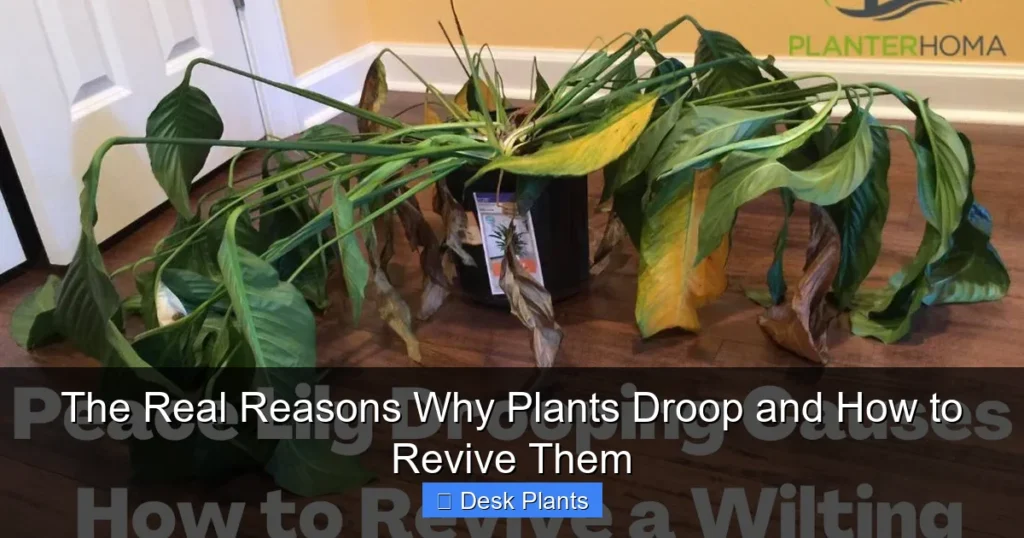
Plants droop often due to simple care errors like incorrect watering or inadequate light. This guide helps you identify the cause and provides clear steps to revive your drooping desk plants. With proper diagnosis and action, you can restore your plants to health.
The Real Reasons Why Plants Droop and How to Revive Them
Do you have a desk plant that’s looking sad and droopy? You’re not alone. Many plant owners face this issue. When plants droop, it’s a sign that something is off. But don’t worry! This guide will explain the real reasons why plants droop and show you how to revive them. We’ll focus on desk plants, those lovely greens that brighten up your workspace. By the end, you’ll be a pro at diagnosing and fixing drooping plants.
Drooping plants can be alarming. But it’s usually a fixable problem. Plants droop when they lose turgor pressure. Turgor pressure is the water pressure inside plant cells. It keeps them firm and upright. When something goes wrong, plants can’t maintain this pressure. They wilt and sag. Understanding the causes is the first step to revival.
This guide covers everything. We’ll explore common reasons for drooping. Then, we’ll dive into step-by-step revival methods. We’ll also include troubleshooting tips. Let’s get started!
Key Takeaways
- Underwatering is a common culprit: Plants lose water pressure, causing leaves and stems to wilt.
- Overwatering leads to root rot: Soggy soil suffocates roots, preventing water uptake and causing drooping.
- Light deprivation weakens plants: Without enough light, plants can’t produce energy, leading to limp growth.
- Temperature and humidity matter: Extreme heat or cold, and dry air, can stress plants into drooping.
- Nutrient deficiencies affect health: Lack of essential nutrients like nitrogen can cause poor growth and wilting.
- Root-bound plants struggle: When roots outgrow their pot, they can’t access enough water and nutrients.
- Pests and diseases drain resources: Insects or fungi attack plants, leading to drooping as they weaken.
Common Reasons Why Desk Plants Droop
Desk plants droop for many reasons. Often, it’s due to care mistakes. Here are the top causes. Each one can make your plants droop. Learn to spot the signs.
1. Underwatering: The Thirsty Plant
Underwatering is a top reason plants droop. Plants need water to stay firm. When soil dries out, roots can’t absorb water. The plant loses turgor pressure. Leaves and stems sag. For desk plants, busy schedules lead to forgotten watering.
Signs of underwatering: Dry soil, crispy leaves, and rapid wilting. The plant may feel light when you lift the pot.
Tip: Check soil moisture with your finger. If it’s dry an inch down, water your plant. Do this weekly for most desk plants.
Example: A drooping spider plant often needs a good drink. Water it thoroughly until excess drains out.
2. Overwatering: Too Much of a Good Thing
Overwatering is just as bad. It’s a common mistake. Soggy soil suffocates roots. Roots need air to breathe. Without air, they rot. Rotting roots can’t take up water. So, the plant droops. Desk plants often get overwatered from kindness.
Signs of overwatering: Yellow leaves, wet soil, and a musty smell. The pot may feel heavy.
Tip: Let soil dry between waterings. Use pots with drainage holes. This prevents waterlogging.
Example: A peace lily drooping from overwatering might have dark, wet soil. Stop watering and let it dry.
3. Lack of Light: Energy Deprivation
Plants need light for photosynthesis. This process makes energy. Without enough light, plants can’t produce energy. Stems become weak. They droop under their own weight. Desk plants in dim offices suffer often.
Signs of light deprivation: Leggy growth, pale leaves, and general drooping. The plant leans toward light sources.
Tip: Move your plant to a brighter spot. But avoid direct sun. Use grow lights if needed. Rotate the plant for even light.
Example: A pothos in a dark corner may droop. Move it near a window with indirect light.
4. Temperature Stress: Too Hot or Too Cold
Extreme temperatures stress plants. Heat causes rapid water loss. Cold slows down metabolism. Both can lead to drooping. Desk plants near heaters or AC vents are at risk.
Signs of temperature stress: Wilting in heat, discoloration in cold, and slowed growth.
Tip: Keep plants away from drafts. Maintain room temperature between 65-75°F (18-24°C). This is ideal for most desk plants.
Example: A snake plant near a cold draft might droop. Move it to a stable spot.
5. Nutrient Deficiency: Starved for Food
Plants need nutrients to grow. Key nutrients include nitrogen, phosphorus, and potassium. A lack of these causes poor growth. Leaves may yellow and droop. Desk plants in small pots use up nutrients fast.
Signs of nutrient deficiency: Yellowing leaves, stunted growth, and drooping. Older leaves show signs first.
Tip: Fertilize during the growing season. Use a balanced liquid fertilizer. Follow instructions to avoid over-fertilizing.
Example: A drooping ZZ plant might need a nutrient boost. Feed it with diluted fertilizer.
6. Root Bound: Cramped Roots
When roots outgrow their pot, they become root-bound. Roots circle the pot tightly. This limits water and nutrient uptake. The plant droops from stress. Desk plants often go years without repotting.
Signs of root-bound plants: Roots growing out of drainage holes, slow growth, and frequent wilting.
Tip: Repot your plant every 1-2 years. Choose a pot one size larger. Use fresh potting mix.
Example: A drooping fiddle leaf fig might be root-bound. Check the roots and repot if needed.
7. Pests and Diseases: Silent Attackers
Pests and diseases weaken plants. Common pests include spider mites and mealybugs. Diseases like fungal infections can strike. They drain plant resources. This leads to drooping leaves and stems.
Signs of pests and diseases: Spots on leaves, webbing, visible insects, and sudden wilting.
Tip: Inspect plants regularly. Isolate affected plants. Treat with insecticidal soap or fungicide.
Example: A drooping plant with sticky leaves might have aphids. Wipe leaves with soapy water.
How to Revive Drooping Plants: Step-by-Step Guide
Now you know why plants droop. Let’s fix it. Follow these steps to revive your drooping plants. Be patient. Plants need time to recover.
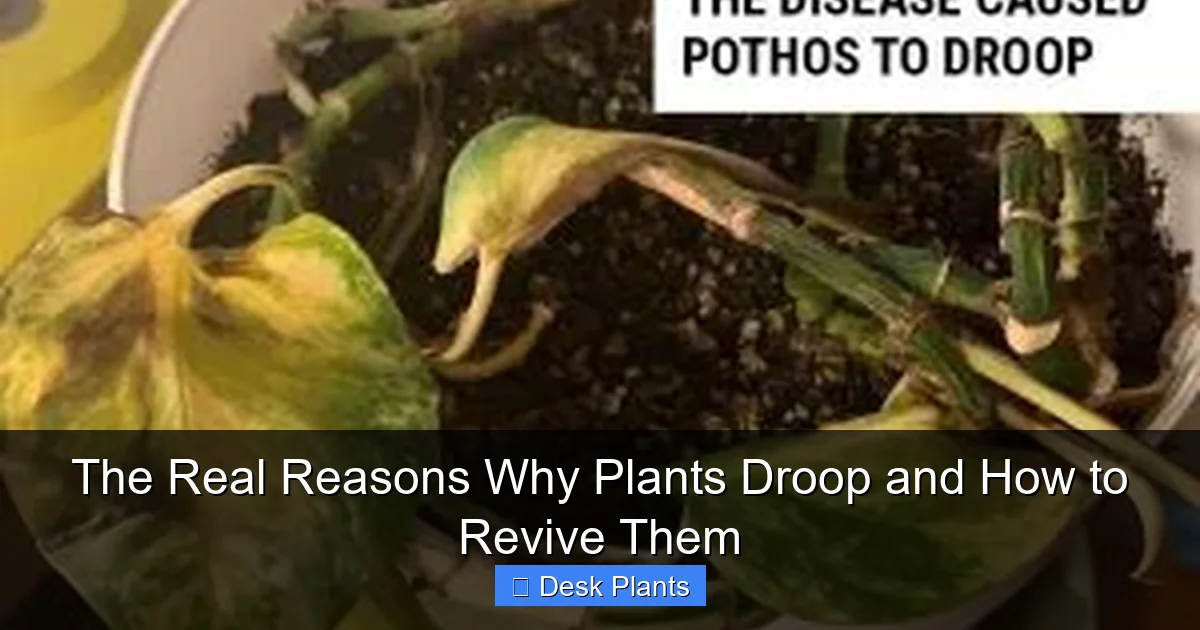
Visual guide about The Real Reasons Why Plants Droop and How to Revive Them
Image source: worldofgardenplants.com
Step 1: Diagnose the Problem
First, figure out why your plant is drooping. Check all factors. Look at soil moisture, light, temperature, and pests. Use the list above as a guide.
Practical Tip: Keep a plant care journal. Note watering dates and changes. This helps in diagnosis.
For example, if your plant droops after watering, it might be overwatered. If it droops in low light, move it. Diagnosis is key to revival.
Step 2: Adjust Watering Practices
Watering is crucial. If underwatered, water thoroughly. Let water drain out. If overwatered, let soil dry completely. Improve drainage with perlite or sand.
Tip: Water deeply but less often. This encourages strong roots. Always use room-temperature water.
Example: For a drooping succulent from underwatering, soak the pot in water for 30 minutes. Then let it drain.
Step 3: Optimize Light Conditions
Light gives plants energy. Move your plant to a bright spot. Indirect light is best. Avoid direct sun that can burn leaves. Use grow lights for dark desks.
Tip: Rotate your plant weekly. This ensures even growth. It prevents leaning and drooping.
Example: A drooping peace lily needs bright, indirect light. Place it near a north-facing window.
Step 4: Check Temperature and Humidity
Plants thrive in stable conditions. Keep them away from vents and drafts. Maintain ideal temperature. Increase humidity if air is dry. Use a humidifier or pebble tray.
Tip: Group plants together. This raises humidity naturally. It creates a microclimate.
Example: A drooping fern loves humidity. Place it on a tray with water and pebbles.
Step 5: Fertilize Appropriately
Feed your plants during growth periods. Spring and summer are best. Use a balanced fertilizer. Dilute it to half strength for desk plants. This prevents burn.
Tip: Fertilize only when plants are healthy. Avoid fertilizing stressed plants. It can worsen drooping.
Example: A drooping plant from nutrient lack may perk up after feeding. Apply fertilizer monthly in growing season.
Step 6: Repot if Necessary
Repotting gives roots space. If root-bound, choose a larger pot. Gently loosen roots. Add fresh potting mix. Water lightly after repotting.
Tip: Repot in spring. This minimizes stress. The plant can recover quickly.
Example: A drooping plant with roots circling the pot needs repotting. Move it to a pot 2 inches wider.
Step 7: Treat Pests and Diseases
Act fast against pests and diseases. Isolate the plant. Remove affected leaves. Use treatments like neem oil or fungicide. Follow product instructions.
Tip: Prevent pests by keeping plants clean. Wipe leaves regularly. This avoids infestations.
Example: For mealybugs on a drooping plant, dab with alcohol on a cotton swab. Repeat until gone.
Troubleshooting Common Issues
Sometimes, plants don’t bounce back quickly. Here are troubleshooting tips for persistent drooping.
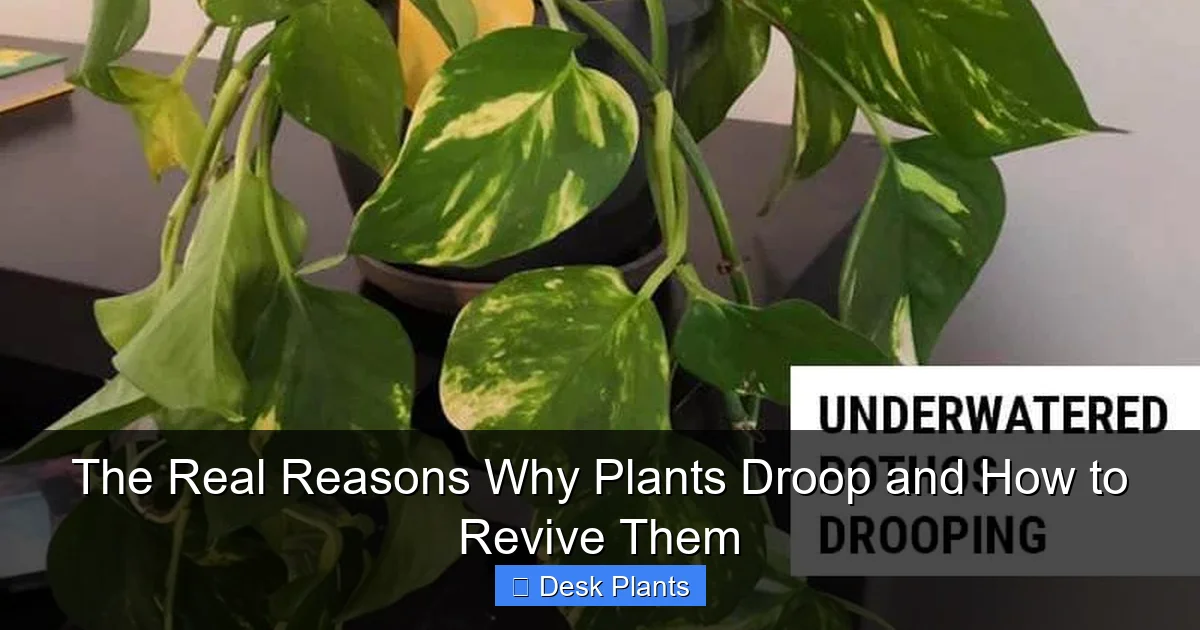
Visual guide about The Real Reasons Why Plants Droop and How to Revive Them
Image source: worldofgardenplants.com
Plant still droops after watering: This often means root rot. Check roots. If mushy, trim them. Repot in fresh, well-draining soil. Reduce watering frequency.
Drooping only at certain times: Could be due to temperature swings. Keep the environment consistent. Avoid placing plants near doors or windows that open often.
Leaves droop but stems are firm: This might indicate nutrient deficiency. Fertilize and monitor. Also, check for pests on the undersides of leaves.
Whole plant droops suddenly: This could be shock from moving or repotting. Give it time. Maintain care and avoid further changes.
Drooping with yellow leaves: Often a sign of overwatering or poor drainage. Let soil dry and ensure pots have holes.
How to Prevent Drooping in the Future
Prevention is better than cure. Here are tips to keep your desk plants perky.
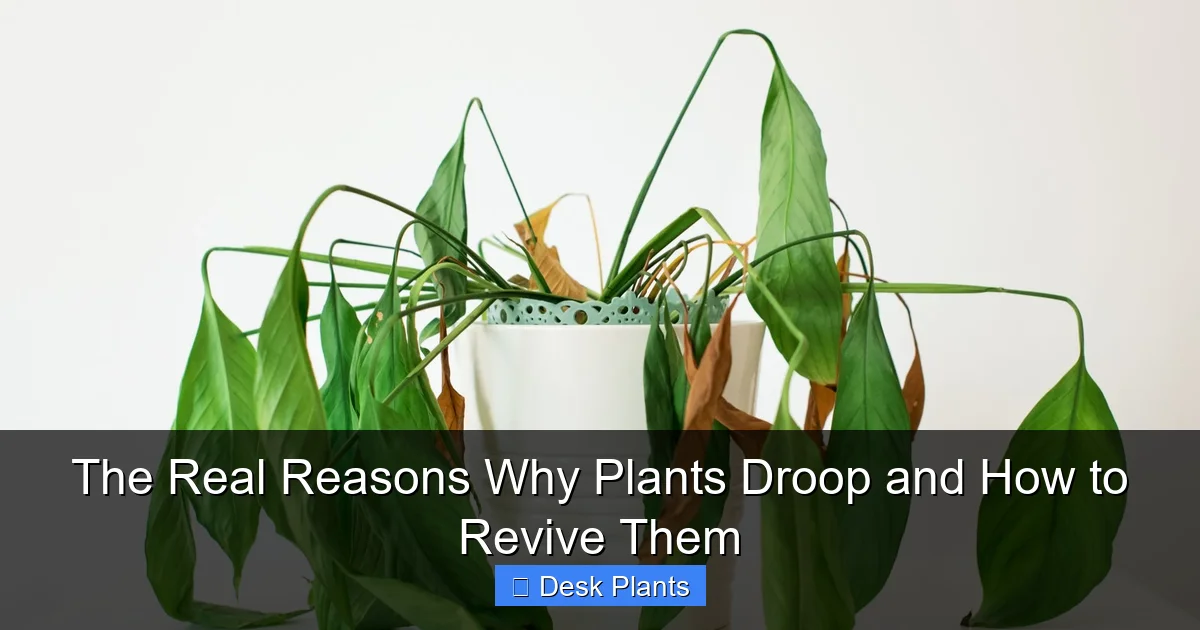
Visual guide about The Real Reasons Why Plants Droop and How to Revive Them
Image source: images-stylist.s3-eu-west-1.amazonaws.com
Establish a care routine: Water on a schedule based on plant needs. Check light and temperature regularly.
Choose the right plants: Pick desk plants that suit your environment. Low-light plants like snake plants are great for offices.
Monitor soil health: Use quality potting mix. Refresh it annually. This provides nutrients and good drainage.
Stay observant: Look for early signs of stress. Catching issues early prevents severe drooping.
Educate yourself: Learn about your specific plants. Each type has unique needs. This helps in providing optimal care.
Conclusion: Bring Your Plants Back to Life
Drooping plants are a common issue. But now you know how to fix it. Remember the key reasons: watering, light, temperature, nutrients, roots, and pests. Use the step-by-step guide to revive your plants. Be patient and consistent.
Your desk plants can thrive with proper care. They add life and joy to your workspace. So, take action today. Diagnose, adjust, and watch your plants perk up. Happy planting!
🎥 Related Video: Peace Lily Plant Care | 5 Reasons Why Your Leaves Are Drooping And How To Fix It
📺 Shamonique Mattox
If your peace lily plant leaves are drooping, here are 5 reasons why and how to fix it. Peace lilies make great house plants.