

Watering your desk plant correctly is the single most important factor for its survival. This guide will teach you how to ditch the guesswork by showing you how to check soil moisture, understand your plant’s needs, and recognize the signs of over and underwatering. With simple, actionable steps, you can keep your leafy coworker healthy and happy.
Key Takeaways
- Forget the Calendar: Water based on soil moisture, not a fixed schedule. The “finger test” is your best tool.
- Soak and Drain is King: Water thoroughly until it runs from the drainage hole, then let excess water drain completely to prevent root rot.
- Know Your Plant’s Personality: Succulents and cacti need infrequent watering, while tropical plants like peace lilies prefer consistently moist (not soggy) soil.
- Environment is Everything: Light, temperature, humidity, and pot size all dramatically affect how fast your plant uses water.
- Underwatering is Safer: It’s easier to revive a thirsty plant than to save one suffering from chronic overwatering and root rot.
- Seasonal Changes Matter: Most desk plants need less water in the low-light winter months and more during the active spring and summer growth period.
- Observe and Adapt: Your plant will give you signs. Drooping often means thirst, while yellowing leaves can signal overwatering.
How Often Should You Water Your Desk Plant? The Essential Guide
You brought a beautiful green friend to your desk. It promised to brighten your space and clean your air. But now, its leaves are drooping. Or maybe turning yellow. You’re left with the number one question every plant parent faces: how often should I water this thing?
Here’s the secret right at the start: There is no universal weekly schedule. Watering every Monday because it’s easy to remember is a fast track to an unhappy plant. The true answer lies in learning to listen to your plant and its environment.
This guide will turn you from an unsure waterer into a confident plant caretaker. We’ll walk through the simple steps to check your plant’s needs, understand the factors that change its thirst, and troubleshoot common problems. Let’s get your desk plant thriving.
The Golden Rule: How to Check If Your Plant Needs Water
Before we talk about types of plants or pots, you need one fail-safe method. This method works for almost every common desk plant. It’s called the finger test.
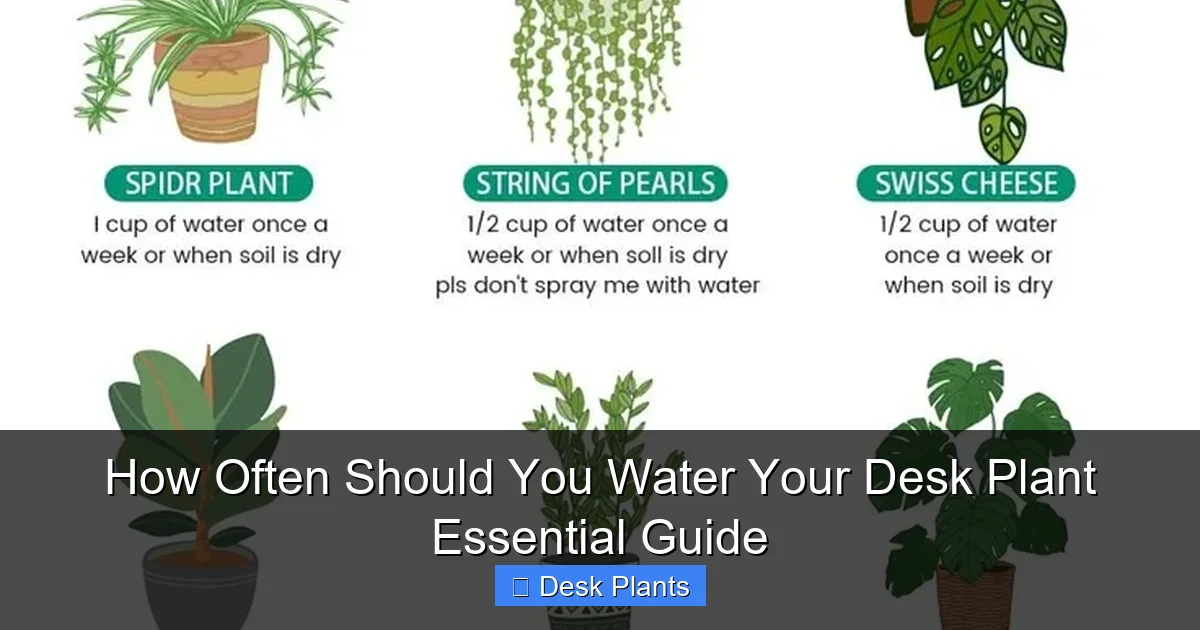
Visual guide about How Often Should You Water Your Desk Plant Essential Guide
Image source: i.pinimg.com
Step 1: The Finger Test (Your Best Tool)
Stick your index finger into the soil. Push it down to about your second knuckle (roughly 2 inches deep). What do you feel?
- Dry and Crumbly: The soil feels completely dry and doesn’t stick to your finger. It’s time to water.
- Moist and Cool: The soil feels cool to the touch and a bit of it sticks to your skin. Your plant does NOT need water yet. Check again in a few days.
- Wet and Muddy: The soil is soggy. This is a sign of overwatering. Let it dry out significantly before checking again.
Step 2: Consider the Weight of the Pot
Pick up your plant pot right after you water it. Feel how heavy it is. Now, pick it up again when the soil is dry. You’ll notice a big difference. A light pot means the soil has dried out. This is a great trick for small to medium desk plants.
Step 3: Look for Visual Clues
Your plant talks to you. A slightly droopy or limp plant often needs water. Some plants, like peace lilies, will dramatically wilt when thirsty. However, yellow leaves, especially if they are soft and mushy, often mean too much water.
What Changes Your Plant’s Water Needs? The 4 Big Factors
Think of these as the variables in your plant’s personal watering equation. Two identical plants in different offices will need water on different schedules.

Visual guide about How Often Should You Water Your Desk Plant Essential Guide
Image source: i.ytimg.com
1. The Type of Plant: Know Its Origin
This is the most important factor. Match your watering to your plant’s natural habitat.
- Succulents & Cacti (Snake Plant, ZZ Plant, Jade): Desert dwellers. Let the soil dry out completely between waterings. This could mean watering every 3-4 weeks or longer in winter.
- Tropical Plants (Peace Lily, Pothos, Philodendron): Jungle natives. They like their soil to be moderately moist. Water when the top 1-2 inches of soil are dry.
- Ferns & Moisture-Lovers (Boston Fern, Nerve Plant): These plants hate to dry out. Keep the soil consistently lightly moist, but not sitting in water.
2. Light: The Thirst Driver
More light = more photosynthesis = faster water use. A plant on a bright, sunny desk will need water much more often than the same plant in a dim corner. Always adjust your watering to the light it actually gets, not the light you wish it got.
3. The Pot and Soil
Pot Material: Terracotta pots are porous and pull moisture from the soil, drying it out faster. Plastic or glazed ceramic pots hold moisture much longer.
Pot Size: A small pot dries out quickly. A large pot holds more soil and moisture, staying wet longer.
Drainage Hole: This is non-negotiable. A hole at the bottom lets excess water escape, preventing deadly root rot.
4. Your Office Environment
Temperature: A warm office will dry soil faster than a cool one.
Humidity: Dry, air-conditioned or heated office air sucks moisture from leaves and soil. Plants in dry air need more frequent watering than those in humid spaces.
Air Flow: A plant near an air vent will dry out surprisingly fast.
The Right Way to Water Your Desk Plant
How you water is just as important as when you water. The goal is to mimic a good, soaking rain.

Visual guide about How Often Should You Water Your Desk Plant Essential Guide
Image source: thenovicehomestead.com
Step 1: Use the “Soak and Drain” Method
Take your plant to a sink. Gently pour water evenly over the soil. Keep pouring until you see water flowing freely out of the drainage hole at the bottom. This ensures the entire root ball gets wet.
Step 2: Let it Drain Completely
Leave the plant in the sink or on a drain rack for 10-15 minutes. Let all the excess water drip out. Never let your plant sit in a saucer full of water. This is the #1 cause of root rot.
Step 3: Return to its Desk Home
Once it’s done draining, place it back in its decorative pot or on its saucer. You’re done until the next time the soil passes the finger test.
Seasonal Watering Guide: Summer vs. Winter
Your plant’s growth cycle changes with the seasons, and so should your care.
Spring and Summer (Growth Season)
This is your plant’s active time. With longer, brighter days, it will be growing and using more water. You will likely need to water more frequently. Stick closely to the finger test, as drying times will shorten.
Fall and Winter (Dormant Season)
Growth slows down or stops. With less light and cooler temps, your plant drinks much less. This is when most overwatering happens. You may need to water only once a month or less for many plants. Always, always check the soil first.
Troubleshooting: Are You Overwatering or Underwatering?
Here’s how to spot and fix the most common problems.
Signs of Overwatering (The More Common Killer)
- Yellowing, soft, mushy leaves
- Brown, soft spots on leaves
- Soil that constantly feels wet or smells musty
- Black, mushy stems at the base
The Fix: Stop watering immediately. Let the soil dry out completely. In severe cases, you may need to remove the plant, check for black/brown rotten roots, trim them, and repot into fresh, dry soil.
Signs of Underwatering
- Dry, crispy leaf edges
- Drooping, limp leaves
- Soil pulling away from the edge of the pot
- Very slow growth
The Fix: Give your plant a thorough soak using the “soak and drain” method. It should perk up within hours to a day. For very dry peat-based soils, you may need to soak the entire pot in a tub of water for 30 minutes to rehydrate it.
Your Simple Watering Action Plan
- Identify your plant type (succulent, tropical, etc.).
- Perform the finger test 1-2 times per week to gauge moisture.
- Water thoroughly only when the soil is dry to the appropriate depth for your plant type.
- Let drain completely before returning it to its spot.
- Adjust for seasons: water more in summer, much less in winter.
Remember, watering a desk plant is a skill of observation, not a robotic task. Start with less water—it’s always easier to add more than to fix root rot. Your plant is a living thing that adapts. Pay attention to it, and you’ll both be happier for it. Here’s to a thriving, green desk!
🎥 Related Video: How do we know when our succulents need water?! #succulentsbox #succulents #cactus #watering #shorts
📺 Succulents Box
Remember to check the soil before watering your succulents #succulents #cacti #succulentcare #succulentsbox.