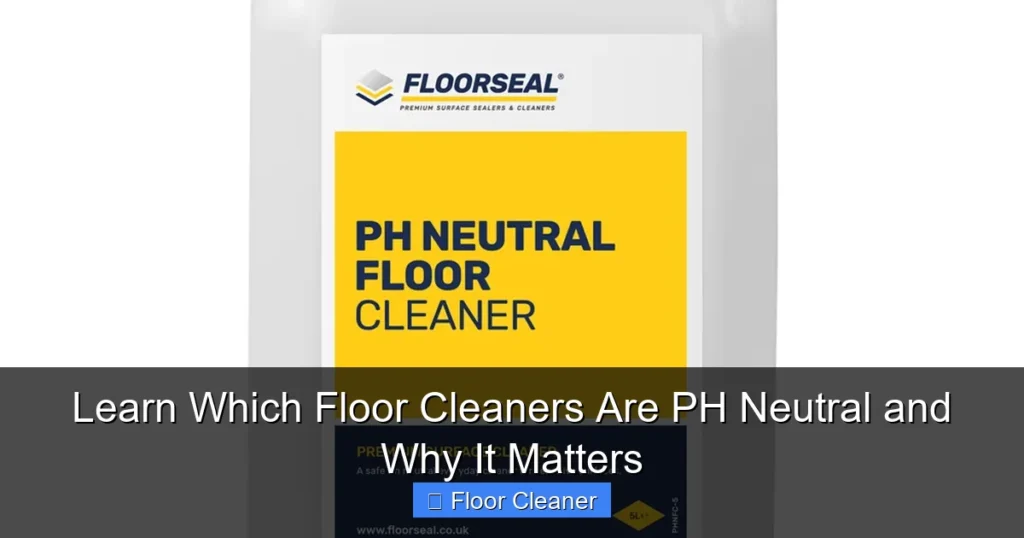
Not all floor cleaners are created equal. This guide helps you understand what pH neutral means, why it matters for protecting your floors, and how to identify and use the right products. You’ll learn to make informed choices that extend the life and beauty of your flooring.
Key Takeaways
- pH Neutral Means Safe for Most Floors: A pH of 7 is neutral and won’t chemically etch, degrade, or dull sensitive floor finishes, making it the safest bet for surfaces like hardwood, laminate, and sealed stone.
- Acidic or Alkaline Cleaners Can Cause Damage: Acidic cleaners (low pH) can etch stone and grout, while alkaline cleaners (high pH) can strip waxes and dull the finish on sealed floors.
- Always Check the Product Label: Look for the explicit term “pH neutral” or a stated pH range of 6-8. Don’t rely on marketing terms like “gentle” or “natural.”
- Dilution is Key for Concentrated Formulas: Many concentrates require mixing with water to achieve a neutral pH. Always follow the manufacturer’s dilution instructions precisely.
- Test in an Inconspicuous Area First: Before cleaning the entire floor, test your cleaner on a small, hidden spot to ensure compatibility and that it doesn’t leave a residue.
- Different Floors Have Different Needs: While pH neutral is a universal safe zone, some surfaces (like unsealed stone) may require specific, manufacturer-recommended cleaners.
- Simple Ingredients Often Work Best: Many effective pH neutral cleaners use simple surfactants and water. You can even make a basic, safe cleaner at home with a small amount of pH neutral castile soap.
Learn Which Floor Cleaners Are PH Neutral and Why It Matters
Do you worry about damaging your beautiful floors when you clean them? You should. The wrong cleaner can leave your hardwood looking dull, your stone tiles etched, and your laminate warped. The secret to safe and effective cleaning often lies in one little detail: pH.
This guide will walk you through everything you need to know. We will explain pH in simple terms. You will learn why a neutral pH is the gold standard for most floors. We will show you how to read labels and find the right products. By the end, you’ll be a savvy shopper with the knowledge to keep every floor in your home sparkling and safe.
Step 1: Understand What “pH Neutral” Really Means
Let’s start with the basics. pH is a scale from 0 to 14. It measures how acidic or alkaline (basic) a substance is.
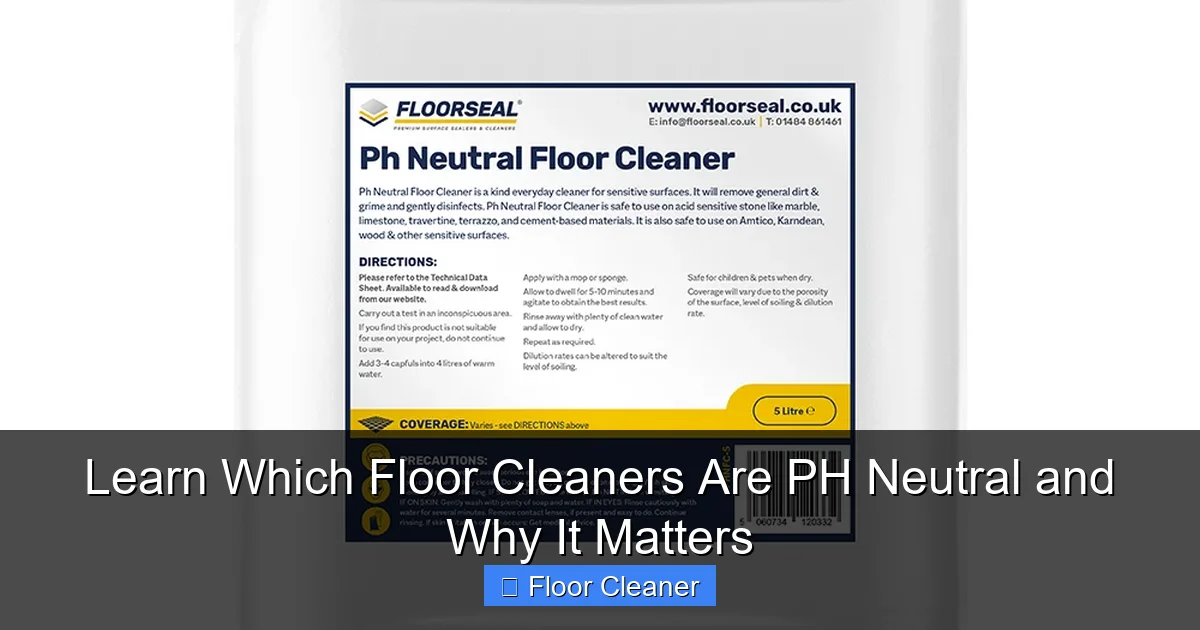
Visual guide about Learn Which Floor Cleaners Are PH Neutral and Why It Matters
Image source: floorseal.co.uk
- Acidic (pH 0-6): Think vinegar, lemon juice, or some toilet bowl cleaners. Low pH.
- Neutral (pH 7): Pure water is the perfect example of a neutral pH.
- Alkaline (pH 8-14): Think baking soda, ammonia, or heavy-duty degreasers. High pH.
When a cleaner says it’s “pH neutral,” it aims for that sweet spot of 7. It is balanced. It is not harshly acidic or aggressively alkaline. For your floors, this balance is the key to gentle yet effective cleaning.
Why the pH Scale Matters for Cleaning
Different pH levels tackle different dirt. Alkaline cleaners are great at cutting through grease, oils, and organic stains. Acidic cleaners are fantastic at dissolving mineral deposits, rust, and hard water spots. But this strength is a double-edged sword. That power to break down grime can also break down your floor’s finish or surface.
A pH neutral cleaner uses surfactants (detergents) to lift dirt instead of relying on harsh chemical reactions. It cleans by loosening dirt so you can wipe it away, not by dissolving it.
Step 2: Discover Why pH Neutrality Matters for Your Floors
Using the wrong pH cleaner is like washing a silk shirt with a strong bleach. It might get it clean, but it will ruin the material. Here’s what can happen to floors.
Visual guide about Learn Which Floor Cleaners Are PH Neutral and Why It Matters
Image source: myhomedwelling.com
Damage from Acidic Cleaners (pH less than 7)
Acids can “etch” or dull shiny surfaces. They react chemically with minerals.
- Natural Stone (Marble, Limestone, Travertine): These are calcium-based. Acid (like vinegar) will literally eat away the surface, creating dull, rough spots. This damage is often permanent.
- Grout: Can degrade and weaken over time with repeated acid exposure.
- Sealed/Waxed Finishes: Can break down the sealant, making floors vulnerable.
Damage from Alkaline Cleaners (pH greater than 7)
Alkalis are great degreasers, but they can be too strong.
- Hardwood Floors: Most modern hardwoods have a polyurethane or urethane finish. High alkalinity can cloud, yellow, or soften this finish, leaving it looking hazy and feeling sticky.
- Laminate & LVT (Luxury Vinyl Tile): Can break down the wear layer and adhesive, causing planks to separate or discolor.
- Waxed Floors: Will strip away the protective wax coating completely.
- Some Stone Types (like Granite): Can degrade sealants over time.
The Safe Zone: pH Neutral Cleaners
A pH neutral cleaner is your safe bet. It provides effective daily cleaning without the chemical risk. It is designed to maintain and protect the integrity of your floor’s surface. It won’t strip wax, etch stone, or cloud finishes. This makes it the most versatile choice for a modern home with multiple floor types.
Step 3: Learn How to Identify a Truly pH Neutral Cleaner
Marketing can be tricky. Words like “gentle,” “natural,” or “for all floors” don’t guarantee a neutral pH. You need to become a label detective.
Visual guide about Learn Which Floor Cleaners Are PH Neutral and Why It Matters
Image source: myhomedwelling.com
What to Look for on the Label
- The Explicit Claim: The best label will say “pH neutral” or “balanced pH formula” clearly.
- Stated pH Number: Some brands list the exact pH, e.g., “pH 7” or “pH range of 6-8.” This is the most trustworthy information.
- Floor-Specific Recommendations: A cleaner marketed for “sealed hardwood,” “laminate,” or “sealed stone” is more likely to be pH neutral than an “all-purpose” cleaner.
Red Flags and Misleading Terms
- “All-Purpose” or “Heavy-Duty”: These are often alkaline to tackle grease and are too harsh for fine floors.
- “Natural” or “Green”: These can still be acidic (like citrus-based cleaners) or alkaline (like some plant-based soaps).
- Ingredients like Vinegar, Lemon, or Ammonia: These are clear pH indicators. Vinegar and lemon are acidic. Ammonia is alkaline.
Step 4: Explore Recommended Types of pH Neutral Floor Cleaners
Many great products fit the bill. Here are some common and effective types.
1. Ready-to-Use Spray Mops & Solutions
These are incredibly popular and convenient. Brands like Bona (for hardwood), Method Squirt + Mop, and Black Diamond Stoneworks offer premixed, pH neutral formulas. They are foolproof—no mixing required.
2. Concentrated Cleaners
You mix these with water. They are economical and eco-friendly. Examples include Murphy Oil Soap (Original Formula, when diluted as directed), Better Life Floor Cleaner, and Zep Neutral pH Floor Cleaner. Crucial Tip: Always follow the dilution ratio! A concentrate might be alkaline on its own but become neutral when properly diluted.
3. “No-Rinse” or “Streak-Free” Cleaners
These are often pH neutral to avoid leaving residues that could attract more dirt. They are great for vinyl, laminate, and sealed floors.
4. Simple DIY pH Neutral Cleaner
For a basic, safe cleaner, mix 1/4 cup of pH neutral liquid castile soap (like Dr. Bronner’s Unscented) with 2 gallons of warm water. Always test first. Avoid using this on unsealed stone or waxed floors unless you know the soap is compatible.
Step 5: Apply Your pH Neutral Cleaner Correctly
Using the right product the wrong way can still cause problems. Follow these steps.
Preparation is Key
Always sweep, dry mop, or vacuum first. Mopping pushes around loose dirt and grit, which can act like sandpaper and scratch your floors.
The Right Mopping Technique
- Use a microfiber mop pad. It traps dirt better than a traditional string mop.
- Don’t flood the floor. Wring out your mop or spray pad thoroughly. Excess moisture is the enemy of wood and laminate.
- Mop in the direction of the floorboards or tiles.
- For spray mops, mist a small section and mop immediately.
Drying is Part of Cleaning
Go over the floor with a dry microfiber cloth or mop pad after cleaning. This ensures no moisture is left sitting and prevents streaking.
Troubleshooting Common Floor Cleaning Issues
Even with a pH neutral cleaner, things can go wrong. Here’s how to fix them.
Problem: My floors look streaky or cloudy after cleaning.
Solution: This is usually caused by using too much product or not rinsing/drying properly. For “no-rinse” formulas, you might be using too much. Dilute it more or use less spray. Try a clean mop pad dampened with only water to rinse the area, then dry thoroughly.
Problem: There’s a white, hazy residue on my hardwood.
Solution: This could be from an alkaline residue (if you previously used the wrong cleaner) or from hard water mixing with your cleaner. Wipe the floor with a cloth dampened with a 50/50 solution of white vinegar and water to neutralize the alkali, then immediately rinse with a damp water cloth and dry. Caution: Only do this on sealed hardwood, not on stone.
Problem: My stone tiles still look dirty or dull.
Solution: Your stone may need a deeper, pH-specific cleaning or re-sealing. A pH neutral cleaner is for maintenance. For a deep clean, you may need a cleaner specifically formulated for your stone type (e.g., a neutral stone cleaner). If dullness persists, the sealant may be worn and need reapplication.
Conclusion: Smart Cleaning for Lasting Beauty
Choosing a pH neutral floor cleaner is one of the smartest decisions you can make for your home. It is not about finding the strongest cleaner. It is about finding the smartest one. A pH neutral formula cleans effectively while showing respect for your investment. It protects finishes, preserves beauty, and prevents costly damage.
Start by checking the labels under your sink. Look for that “pH neutral” promise or a pH number. When you shop, you now have the knowledge to see past the marketing. Your floors are a big part of your home. Give them the gentle, balanced care they deserve with a pH neutral cleaner. Your floors will thank you by shining brighter and lasting longer.
🎥 Related Video: Why Does pH Matter? – Cleaning Basics | Clean Care
📺 AMRE Supply
How does pH affect cleaning? In this episode of Clean Care, Bill explains the pH scale. You’ll learn about acids, bases (alkaline …