
Yes, certain floor cleaners can cause seizures in dogs due to toxic ingredients like phenols and glycol ethers. Immediate veterinary care is critical if exposure occurs. This guide reveals the hidden dangers and provides a step-by-step plan for creating a safe home for your pet.
Can Floor Cleaner Cause Seizures in Dogs? The Shocking Truth
You want a clean home. You also love your dog. Most of us never think these two things could be in conflict. We mop the floor, let it dry, and let our pets back into the room. It seems harmless. But what if that fresh, clean scent is a hidden danger? The shocking truth is that common floor cleaners can indeed cause seizures in dogs, along with a host of other serious health problems.
In this guide, you will learn exactly which ingredients in floor cleaner pose the highest risk. You will understand how your dog gets exposed to these toxins right in your own home. Most importantly, you will get a clear, step-by-step plan for preventing disaster. We will cover what to do in an emergency, how to choose safe products, and how to clean effectively without putting your furry family member at risk. Let’s uncover the truth and learn how to protect your pet.
Key Takeaways
- Toxic Ingredients Are The Culprit: Chemicals like phenols, synthetic detergents, and glycol ethers found in many cleaners can directly affect a dog’s nervous system, potentially leading to seizures.
- Exposure Happens Easily: Dogs are exposed by walking on wet floors and licking their paws, ingesting and inhaling harmful residues you can’t see.
- Seizures Are a Medical Emergency: If your dog has a seizure after floor cleaner exposure, contact your vet or an animal poison control center immediately. Time is critical.
- Prevention is Simple and Effective: The safest strategy is to use certified pet-safe cleaners or simple homemade solutions like vinegar and water.
- Proper Cleaning Protocol is Key: Always rinse floors thoroughly with clean water after cleaning and keep your dog away until the floor is completely dry.
- Know The Symptoms: Beyond seizures, watch for drooling, vomiting, coughing, or lethargy, which can signal chemical exposure.
- Read Labels Diligently: Avoid products with warnings like “danger,” “poison,” or “harmful to pets,” and research unfamiliar chemical names.
Step 1: Understand the Link Between Cleaners and Seizures
To protect your dog, you first need to know why a simple act of cleaning can turn dangerous. A seizure is a sudden, uncontrolled electrical disturbance in the brain. Certain chemicals are neurotoxins, meaning they can poison the nervous system and trigger this kind of disturbance.
The Main Toxic Ingredients in Floor Cleaner
Not all floor cleaners are equal. The risk comes from specific chemical agents. Here are the worst offenders:
- Phenols: Often found in disinfectants and “pine-scent” cleaners. They are rapidly absorbed through a dog’s skin and paws. Phenols can cause central nervous system depression, leading to tremors, seizures, and even liver damage.
- Glycol Ethers: Common in streak-free formulas and some multi-surface cleaners. These solvents can be inhaled or absorbed through the skin, causing anemia, kidney damage, and neurological symptoms like weakness and stumbling that can precede seizures.
- Formaldehyde Releasers: Used as a preservative in some cleaning products. Formaldehyde is a known carcinogen and neurotoxin that can cause immediate respiratory distress and longer-term neurological issues.
- Ammonia: A powerful irritant. While it may not directly cause seizures, intense inhalation can lead to respiratory distress and neurological stress, especially in dogs with existing health conditions.
- Bleach (Sodium Hypochlorite): Mixing bleach with other cleaners (like ammonia) creates deadly chlorine gas. Even used alone, fumes can cause severe respiratory irritation and systemic illness, stressing the dog’s entire body.
When your dog walks on a freshly mopped floor, these chemicals get on their paws. Dogs then lick their paws to clean them, ingesting the poison directly. They also breathe in the fumes, which can be especially strong in a confined space.
Step 2: Recognize the Signs of Toxicity and Exposure
Seizures are a severe, late-stage symptom. You need to catch the warning signs earlier. Watch your dog closely after you’ve cleaned any surface they can access.

Visual guide about Can Floor Cleaner Cause Seizures in Dogs The Shocking Truth
Image source: sevneurology.com
Early Symptoms of Chemical Exposure
- Excessive drooling or foaming at the mouth
- Pawing at the mouth or face
- Coughing, gagging, or difficulty breathing
- Redness or burns on the skin, paw pads, or gums
- Vomiting or signs of nausea
- Lethargy or unusual weakness
Neurological Symptoms Escalating to Seizures
- Muscle tremors or twitching
- Loss of coordination, stumbling, acting “drunk”
- Extreme agitation or anxiety
- Confusion or disorientation
- Full Convulsion: Collapsing, stiffening limbs, jerking movements, loss of consciousness, possible loss of bladder/bowel control.
Step 3: Take Immediate Action in an Emergency
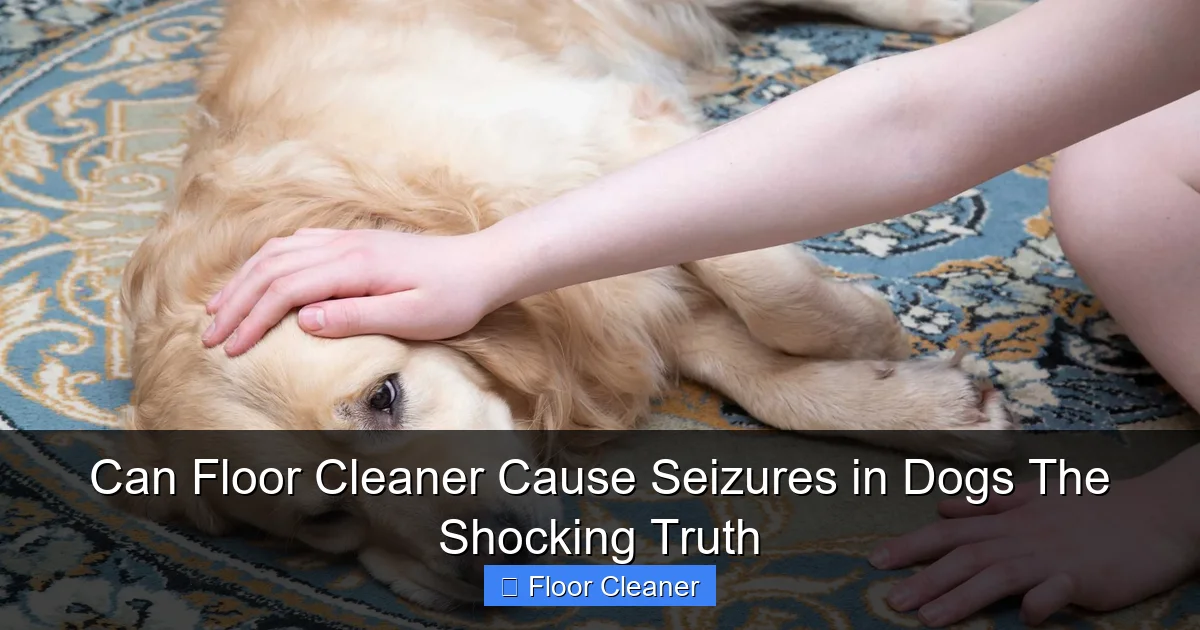
If you suspect your dog has been exposed to floor cleaner or is having a seizure, do not panic, but act quickly and calmly.
Visual guide about Can Floor Cleaner Cause Seizures in Dogs The Shocking Truth
Image source: 4knines.com
If Your Dog is Having a Seizure
- Keep Yourself Safe: Do not put your hands near your dog’s mouth. They cannot swallow their tongue, and you could be bitten unintentionally.
- Clear the Area: Move furniture or objects away so they don’t injure themselves.
- Time the Seizure: This is critical information for the vet. Note the start time.
- Call for Help Immediately: Contact your emergency vet, your regular vet if after hours, or an animal poison control hotline (like the ASPCA Animal Poison Control Center at (888) 426-4435). Follow their instructions precisely.
If Exposure Occurs But No Seizure Yet
- Remove the Source: Gently take your dog to a well-ventilated, clean area away from the cleaned floor.
- Prevent Further Ingestion: If chemicals are on their fur or paws, put on gloves and rinse the area with lukewarm water for 10-15 minutes. Prevent them from licking.
- Do Not Induce Vomiting: Unless specifically instructed by a vet or poison expert. Some chemicals can cause more damage coming back up.
- Call for Professional Advice: Contact your vet or poison control immediately with the product label in hand. They will tell you the next steps.
Step 4: Prevent Exposure with Safe Cleaning Practices
Prevention is always better than emergency treatment. These simple changes can eliminate the risk.

Visual guide about Can Floor Cleaner Cause Seizures in Dogs The Shocking Truth
Image source: zooawesome.com
Choose Pet-Safe Floor Cleaners
Look for products with these features:
- Labels that explicitly say “Pet-Safe,” “Non-Toxic,” or “Biodegradable.”
- Certifications from independent organizations like Green Seal or EcoLogo.
- Plant-based, recognizable ingredients. The ingredient list should be short and understandable.
- Avoid products with: “Danger,” “Poison,” “Warning,” phenols, phthalates, formaldehyde, or synthetic fragrances.
Create a Safe Cleaning Routine
- Remove Your Pet: Always put your dog in another room, crate, or outside before you start cleaning.
- Dilute as Directed: Using more cleaner does not make things cleaner. It leaves more residue. Follow dilution instructions.
- The Rinse is Non-Negotiable: This is the most important step. After mopping with any cleaner, go over the floor again with a mop and clean, clear water to remove chemical residues.
- Ensure Complete Dry Time: Wait until the floor is completely dry to the touch before letting your dog back into the area. Use fans or open windows to speed up drying and ventilate fumes.
Step 5: Make Your Own Safe Floor Cleaner
The absolute safest option is to make your own cleaner with simple, effective ingredients.
Basic Vinegar and Water Solution
This is perfect for daily cleaning of sealed hard floors (avoid on stone like marble or granite).
- Mix: 1 part white distilled vinegar to 10 parts warm water.
- Add: A few drops of pure lemon juice or pet-safe essential oil like lavender for scent (optional).
- Mop as usual. No need to rinse, as the vinegar smell dissipates quickly as it dries, leaving no harmful residue.
Heavy-Duty Castile Soap Cleaner
For tougher grease and grime.
- Mix: 1/4 cup of liquid Castile soap (like Dr. Bronner’s) into a gallon of hot water.
- Mop, then do a quick rinse pass with clear water for a streak-free shine.
Troubleshooting Common Concerns
“But my dog has never gotten sick before!”
Toxicity builds up over time. Small, repeated exposures can lead to chronic health issues like organ damage or a lowered seizure threshold. One bad exposure to a high concentration can cause an acute crisis. Don’t use past luck as a safety guide.
“Are ‘natural’ or ‘green’ brands always safe?”
Not always. “Greenwashing” is common. Always read the full ingredient list. The safest products are those certified by a third party or those you make yourself.
“My dog is large, so is the risk lower?”
Size matters for toxicity levels, but all dogs are at risk. Small dogs are more vulnerable to smaller amounts, but large dogs can still absorb dangerous doses, especially if they lie on a freshly cleaned floor.
Conclusion: A Clean Home and a Healthy Dog
The shocking truth is that the quest for a sparkling floor can inadvertently put our dogs in grave danger. The chemicals in many conventional floor cleaners are potent neurotoxins that can lead to seizures and other life-threatening conditions. But now you are armed with the knowledge to prevent this.
By understanding the toxic ingredients, recognizing the signs of trouble, knowing the emergency steps, and most importantly, adopting preventative safe cleaning habits, you can have both a clean home and a safe, happy, healthy dog. Start today by checking the label on your current floor cleaner. Your pet’s well-being is worth that simple action.
🎥 Related Video: CBD Oil For Dog Seizures (5 Action Steps and 1 AMAZING Remedy)
📺 Dan Scott
CBD oil for dog seizures, the 5 causes of seizures in dogs and a highly effective natural treatment. ***FREE DOG HEALTH GUIDE …