

Toilet brushes are a common source of hidden germs and bacteria due to their moist, enclosed environment. This guide reveals why traditional brushes are unhygienic, explores cleaner alternatives like silicone and disposable heads, and provides a step-by-step system for maintaining a truly sanitary cleaning tool. Transforming your bathroom hygiene is simpler than you think.
Key Takeaways
- Traditional Brushes Harbor Germs: The classic caddy-style brush trap dirty water and fecal matter, creating a perfect breeding ground for bacteria and mold.
- Moisture is the Enemy: The main cause of an unhygienic brush is never letting it dry completely, which promotes microbial growth and foul odors.
- Alternatives Exist: Modern options like silicone brushes, disposable head systems, and spray-and-wipe tools can drastically improve hygiene.
- Proper Cleaning is Non-Negotiable: Regularly disinfecting your brush or brush head with bleach, hydrogen peroxide, or dishwasher tablets is essential.
- Storage Matters Most: Storing your brush where air can circulate around it is more important than hiding it in a dark, enclosed holder.
- Replace Regularly: Even with perfect care, a toilet brush wears out. Replace traditional brushes every 3-6 months to maintain hygiene.
- Your Health is at Stake: Using a contaminated brush can spread pathogens like E. coli and Salmonella, posing a risk to household health.
The Secret Truth About Toilet Brushes Unhygienic: A Complete Guide to a Cleaner Bathroom
Let’s talk about a bathroom tool we all use but rarely want to think about. The humble toilet brush. It’s your first line of defense against stains and grime. But have you ever pulled it out, caught a whiff, and wondered, “Is this thing actually clean?” You’re not alone. The secret truth is that a traditional toilet brush can be one of the most unhygienic items in your home. This guide will reveal why that is, what risks you might be facing, and most importantly, give you a clear, step-by-step plan to fix it. You will learn how to choose a better tool, clean it effectively, and store it properly for a bathroom that’s truly fresh.
Why Your Toilet Brush is a Germ Factory
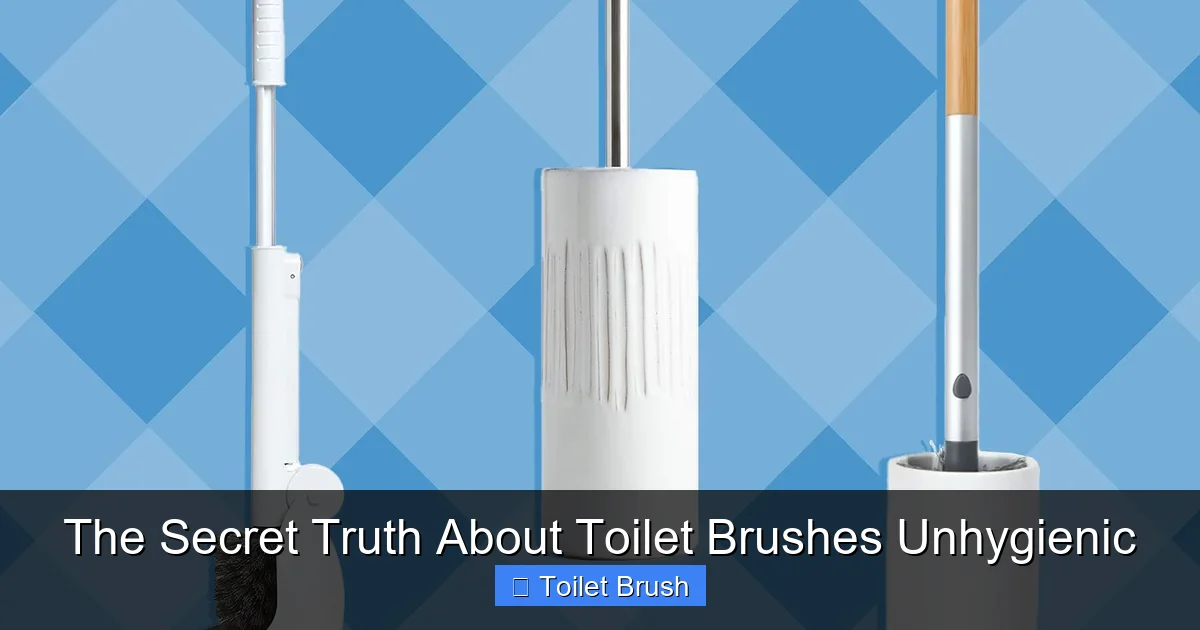
Think about what a toilet brush does. It scrubs away waste. Then, we rinse it and put it back in its holder. That seems logical. But the problem is in the details. Most standard brushes have thick, dense bristles. They sit in a dark, enclosed plastic caddy. This creates the perfect storm for germs.
Visual guide about The Secret Truth About Toilet Brushes Unhygienic
Image source: bhg.com
After use, the bristles stay damp. Water and tiny particles get trapped deep inside. The closed holder stops air from flowing. This dark, wet, enclosed space is a paradise for bacteria like E. coli and Salmonella. Mold and mildew love it too. Every time you put the wet brush back, you’re sealing those germs in to multiply. The next time you use it, you might be spreading those germs around the bowl, or even onto the handle. This is the core reason toilet brushes are unhygienic.
The Science of the Splatter
There’s another hidden issue. When you flush, microscopic particles aerosolize. This is called “toilet plume.” These particles can settle on your brush and its holder. If your brush is out in the open, it’s getting coated with this invisible mist. A closed holder might protect it from large splashes, but it traps everything inside, creating a concentrated germ zone.
Step 1: Audit Your Current Setup
Before you make changes, understand what you’re working with. Take a critical look at your current toilet brush.

Visual guide about The Secret Truth About Toilet Brushes Unhygienic
Image source: bangla.oneworldnews.com
- Pull it out. Look at the bristles. Are they discolored? Do you see any black, pink, or green spots (mold)?
- Smell it. Does it have a persistent musty or foul odor, even after rinsing?
- Inspect the holder/caddy. Is there standing, discolored water at the bottom? Is there grime around the rim?
- Check the handle. Is it clean, or does it feel grimy?
If you answered “yes” to any of these, your tool is actively unhygienic. This audit shows you the problem areas you need to solve.
Step 2: Choose a More Hygienic Tool
You have options beyond the classic brush-in-a-caddy. Here are the main types, from most to least hygienic.
Visual guide about The Secret Truth About Toilet Brushes Unhygienic
Image source: cdn.images.express.co.uk
Option A: The Disposable Head System
These have a long handle with a mechanism to attach disposable, single-use scrubbing pads or heads. You use it once, pop the head off into the trash, and the handle stays clean. This is arguably the most hygienic choice because there’s no reusable part that touches waste. Brands like Clorox ToiletWand are popular examples.
Tip: Look for brands where the disposable heads are infused with cleaning solution for a powerful, no-mess clean.
Option B: The Silicone Brush
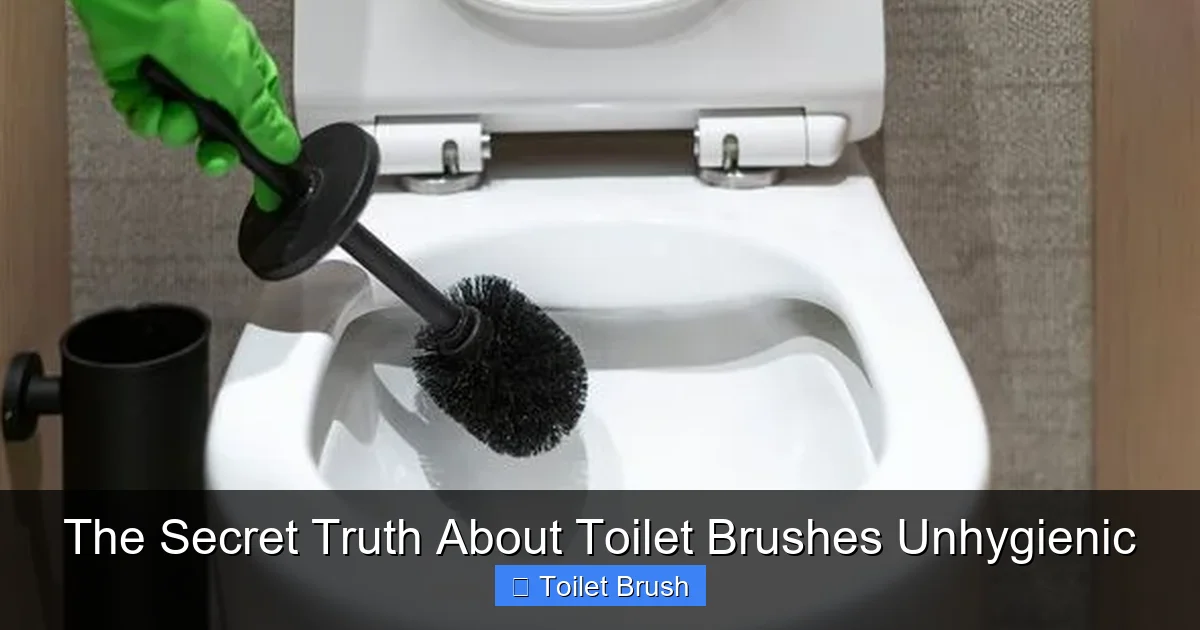
This is a brilliant design. Instead of dense nylon bristles, these brushes have flaps or strands made of silicone. Silicone is non-porous, so bacteria and particles can’t soak into it. Water slides right off, and it dries incredibly fast. Many have an open-wall stand that promotes maximum air flow. The material is also very easy to sanitize.
Option C: The Improved Traditional Brush (With a Plan)
If you prefer a standard brush, you can make it better. Choose one with thinner, more spaced-out bristles that dry faster. Most importantly, skip the enclosed caddy. Buy a simple open stand or wall mount that lets air circulate all around the brush head. This simple change fights the main cause of germs: moisture.
Step 3: Master the Cleaning & Disinfection Routine
No matter which tool you pick, it needs regular cleaning. Here’s how to do it right.
For Reusable Brushes (Silicone or Traditional):
Weekly Deep Clean:
- Put on rubber gloves.
- Flush the toilet to create clean water in the bowl. Swirl the brush in this clean water to rinse off loose debris.
- Empty and rinse the holder or stand with hot water.
- Choose your disinfectant:
- Bleach Method: In the toilet bowl, mix 1/2 cup of bleach with water. Submerge the brush head for 5-10 minutes. Rinse thoroughly.
- Hydrogen Peroxide Method: Use a 3% solution in a bucket or the cleaned holder. Soak for 10 minutes. Rinse.
- Dishwasher Tablet Method: Drop a tablet into the toilet bowl, let it fizz, and swish the brush in it. Great for descaling and disinfecting.
- Shake off excess water over the toilet bowl.
For Disposable Head Systems:
The cleaning is easier but still vital. Wipe down the handle with a disinfectant wipe or spray weekly. Ensure the mechanism where the head attaches is free of grime and dry. Always let the handle air dry before attaching a new head.
Step 4: Implement Smart Storage Solutions
This is where most people fail. Proper storage is 50% of the battle.
- Air Flow is King: Store your brush in an open stand, a wall mount, or even a dedicated holder with large ventilation holes. The goal is to let it dry as quickly as possible.
- Location, Location, Location: Keep it away from the direct path of the toilet flush if possible. A wall mount on the side of the toilet tank is a great spot.
- Never Store It Wet: After cleaning and rinsing, shake it vigorously and let it air dry for a few minutes over the bowl before putting it in its stand.
- Clean the Holder Weekly: When you clean the brush, clean the stand or holder with hot, soapy water and disinfectant.
Step 5: Know When to Replace It
Even the best brush has a lifespan. A traditional nylon brush wears down and becomes less effective and harder to clean after 3-6 months. If you see bristles fraying, permanent discoloration, or any mold growth that won’t come off, it’s time to say goodbye. For silicone brushes, inspect for tears. For disposable systems, replace the handle if it becomes damaged or the mechanism gets jammed.
Troubleshooting Common Problems
Problem: “My brush still smells bad even after cleaning.”
Solution: The smell means bacteria are deeply embedded. Try a longer soak (30 minutes) in a bleach solution. If the smell persists, the material is too porous. Replace it with a silicone model.
Problem: “There’s always dirty water in the bottom of the caddy.”
Solution: Ditch the caddy. Switch to an open stand. The water can’t pool if there’s no container to hold it.
Problem: “I’m worried about germs splashing on an open brush.”
Solution: This is a valid concern. Keep the lid closed when flushing. Consider a disposable head system where the cleaning head is sealed in a container until use.
Conclusion: From Unhygienic to Immaculate
The secret about toilet brushes being unhygienic is out. It’s not the tool’s fault, but how we use and store it. By understanding that moisture and darkness are the enemies, you can take control. Start by choosing a design that prioritizes drying, like silicone or open stands. Commit to a simple weekly disinfection ritual. Most importantly, let your brush breathe. By following these steps, you transform a potential germ hub into a clean, effective tool. Your bathroom will be fresher, your mind will be at ease, and you’ll know you’re protecting your home’s health with every scrub.
🎥 Related Video: The secret of TOILET brush. Has HIDDEN functions
📺 Clever Hacks
The secret of TOILET brush. Has HIDDEN functions.