
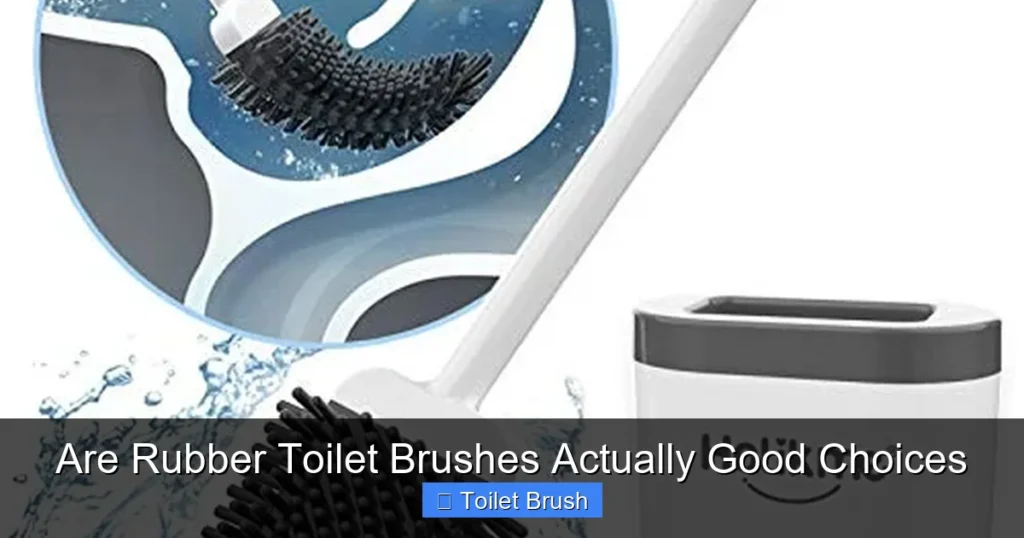
Rubber toilet brushes are a modern cleaning tool that promises improved hygiene and ease of use. They are designed to be non-porous and easy to rinse, reducing bacterial buildup compared to traditional bristle brushes. However, their effectiveness on tough stains can vary, so this guide will help you decide if they’re a good choice for your home.
Key Takeaways
- Hygienic Advantage: Rubber is non-porous, so it resists mold and bacteria better than porous bristles.
- Easy Maintenance: They can be quickly rinsed under running water without trapping debris.
- Durability Varies: High-quality rubber lasts long, but cheap versions may crack or degrade over time.
- Stain Removal Limits: Rubber brushes might struggle with hardened stains compared to stiff bristle brushes.
- Aesthetic and Design: Often feature sleek, modern looks that blend well in contemporary bathrooms.
- Cost Consideration: Typically pricier than traditional brushes, but can be cost-effective if durable.
- Eco-Friendliness Potential: Some models use sustainable or recyclable materials, reducing environmental impact.
Are Rubber Toilet Brushes Actually Good Choices? A Complete Guide
Cleaning the toilet is nobody’s favorite chore. But having the right tools can make it easier and more effective. In recent years, rubber toilet brushes have gained popularity as a modern alternative to traditional bristle brushes. But are they actually good choices? This guide will walk you through everything you need to know about rubber toilet brushes. We’ll cover their benefits, drawbacks, how to use them, and even troubleshoot common issues. By the end, you’ll be able to decide if a rubber toilet brush is worth adding to your cleaning arsenal.
What Are Rubber Toilet Brushes?
Rubber toilet brushes are cleaning tools made primarily from rubber or silicone materials. Instead of traditional bristles, they have flexible rubber fingers or nodules that scrub the toilet bowl. These brushes often come with a holder or stand, and they’re designed to be more hygienic and easier to clean than old-school brushes. You might see them marketed as “hygienic” or “easy-clean” brushes. They aim to solve common problems like bacterial growth and messy cleanup. But let’s dive deeper to see if they live up to the hype.
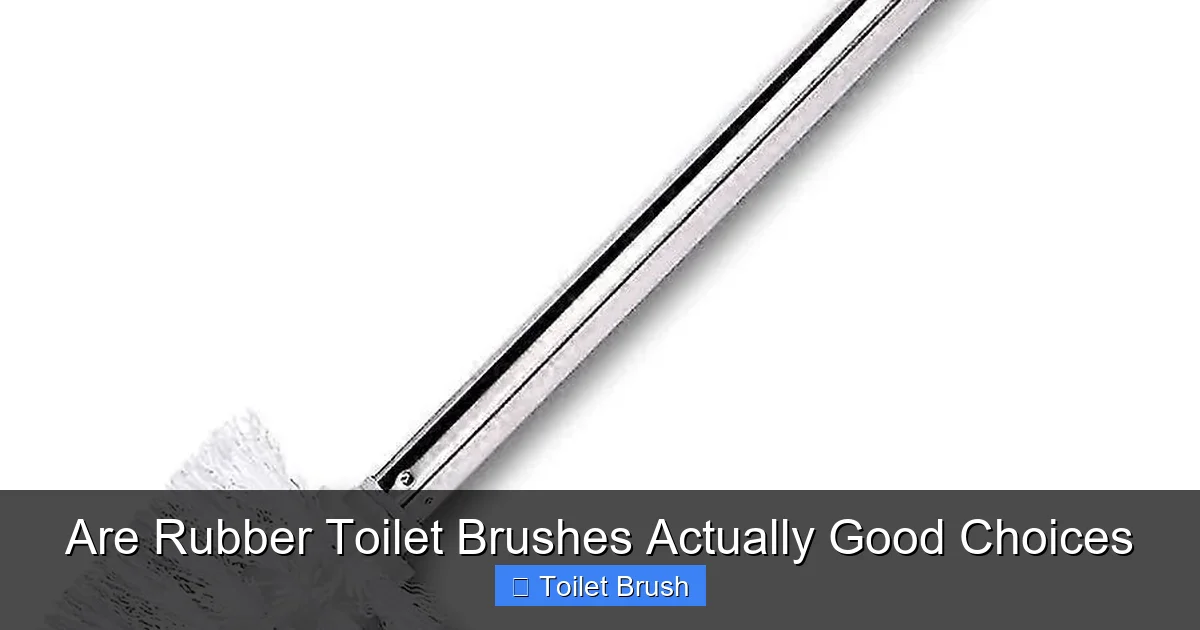
Visual guide about Are Rubber Toilet Brushes Actually Good Choices
Image source: img.fruugo.com
Pros of Rubber Toilet Brushes
Rubber toilet brushes have several advantages that make them appealing. Here are the key benefits:
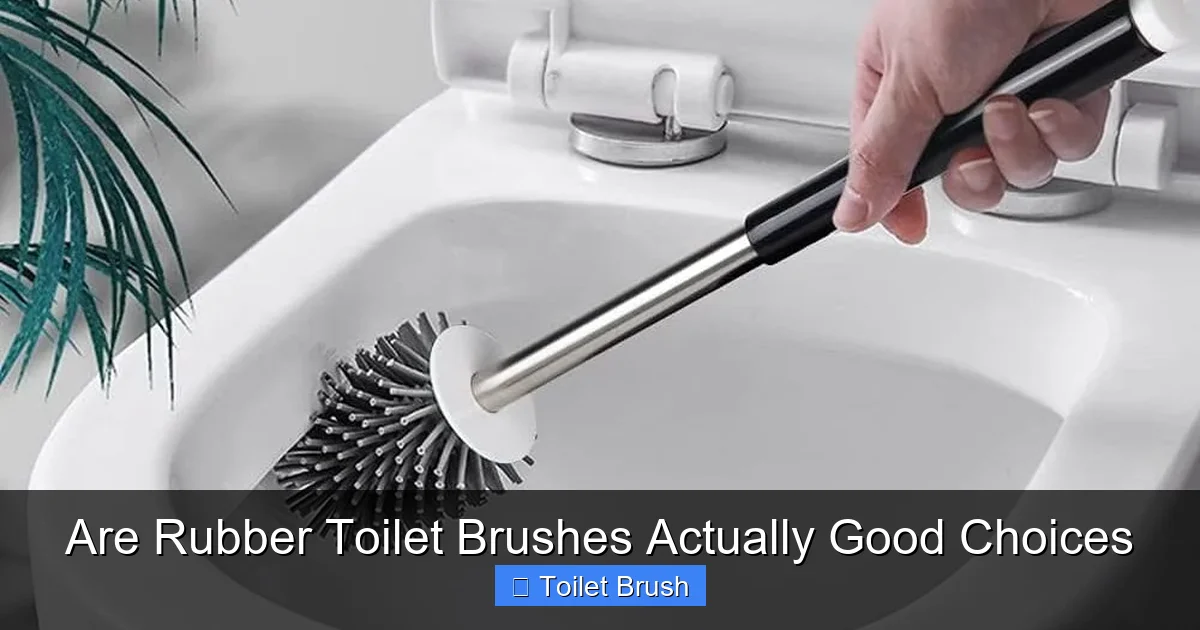
Visual guide about Are Rubber Toilet Brushes Actually Good Choices
Image source: maid2match.com.au
Hygienic and Bacteria-Resistant
Traditional bristle brushes can trap dirt and germs in their fibers. Rubber, on the other hand, is non-porous. This means water and waste can’t seep into the material. As a result, rubber toilet brushes are less likely to harbor bacteria, mold, or mildew. After use, you can rinse them thoroughly, and they dry quickly. This reduces odors and keeps your bathroom cleaner.
Easy to Clean and Maintain
Cleaning a rubber toilet brush is straightforward. Just hold it under running water in the toilet bowl or sink, and the rubber fingers flex to release debris. No more picking gunk out of bristles! Some models are even dishwasher safe for extra sanitation. This ease of cleaning saves time and makes the process less gross.
Durable and Long-Lasting
High-quality rubber toilet brushes are built to last. Rubber is resilient and can withstand regular use without fraying or breaking like bristles. With proper care, a good rubber brush might outlive several traditional brushes. This durability can save you money in the long run, even if the upfront cost is higher.
Sleek and Modern Design
Let’s face it: toilet brushes aren’t pretty. But rubber toilet brushes often come in stylish designs and colors. They look more like decor than cleaning tools. This can be a big plus if you want your bathroom to look tidy and modern. Many have discreet holders that minimize visual clutter.
Cons of Rubber Toilet Brushes
Despite the benefits, rubber toilet brushes aren’t perfect. Here are some drawbacks to consider:
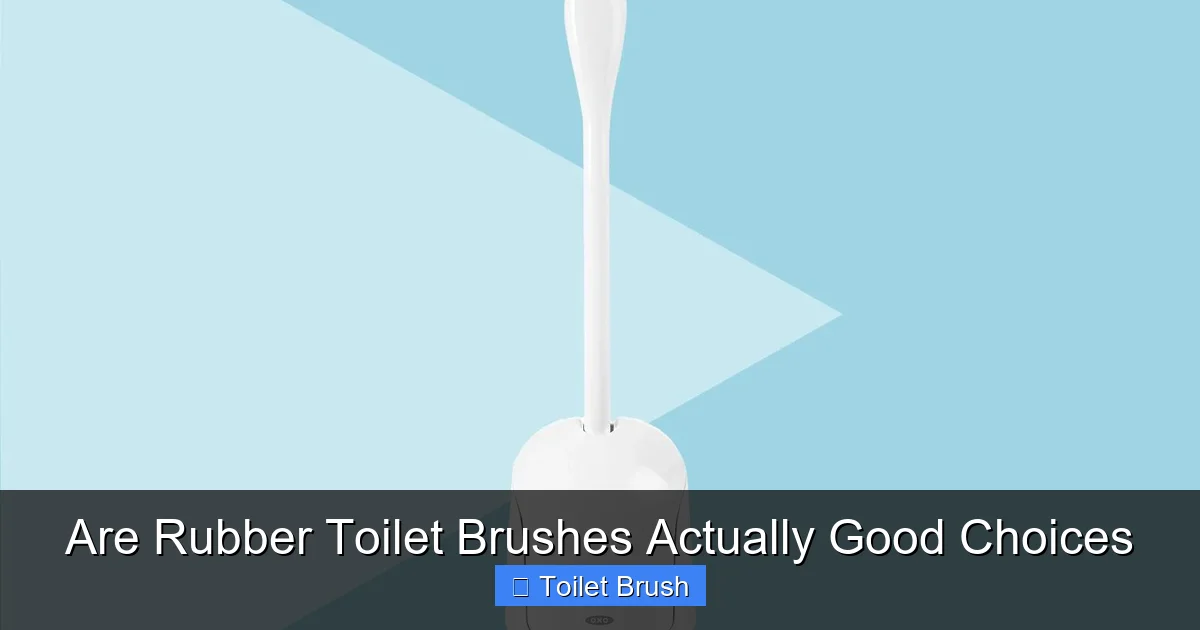
Visual guide about Are Rubber Toilet Brushes Actually Good Choices
Image source: realsimple.com
May Be Less Effective on Tough Stains
Rubber fingers are softer than stiff bristles. For everyday grime, they work fine. But for hardened stains like lime scale or rust, they might not scrub as powerfully. You might need to apply more elbow grease or use additional cleaning products. This is a key point if your toilet gets heavily soiled.
Higher Initial Cost
Rubber toilet brushes tend to cost more than basic bristle brushes. You might pay $10 to $30, while traditional brushes can be as cheap as $5. If you’re on a tight budget, this could be a barrier. However, consider the long-term value if it lasts longer and stays cleaner.
Potential for Odor Retention
While rubber resists bacteria, it can sometimes retain smells if not cleaned properly. Rubber materials might absorb odors from cleaning chemicals or waste over time. Regular rinsing and occasional deep cleaning can prevent this, but it’s something to watch out for.
Material Degradation Over Time
Rubber can degrade if exposed to harsh chemicals or extreme temperatures. It might become brittle or discolored. Cheap rubber toilet brushes may crack or lose flexibility. To avoid this, choose a brush made from high-grade rubber or silicone and follow care instructions.
How to Choose a Rubber Toilet Brush
If you’re convinced to try a rubber toilet brush, here’s how to pick the best one:
Check the Material Quality
Look for brushes made from high-density rubber or food-grade silicone. These materials are durable and safe. Avoid brushes that feel flimsy or have a strong chemical smell, as they might be low-quality.
Evaluate the Design and Features
Consider the brush head shape—some have numerous rubber fingers for better scrubbing. Also, check if the handle is comfortable and non-slip. A good holder with ventilation helps the brush dry faster, preventing mildew. Some brushes come with built-in stands or wall mounts for convenience.
Read Reviews and Brand Reputation
Before buying, read online reviews from other users. Brands with good reputations often offer better customer support and warranties. This can give you peace of mind about your purchase.
How to Use a Rubber Toilet Brush Effectively
Using a rubber toilet brush is similar to a traditional brush, but with a few tweaks for best results. Follow these steps:
Step-by-Step Cleaning Process
First, apply your favorite toilet cleaner to the bowl. Let it sit for a few minutes to loosen dirt. Then, take your rubber toilet brush and scrub the bowl thoroughly, focusing on under the rim and the trapway. Use circular motions and apply moderate pressure. The rubber fingers will conform to the bowl’s shape, reaching crevices. After scrubbing, flush the toilet to rinse away cleaner and debris. Finally, rinse the brush under running water in the bowl or sink until it’s clean.
Maintenance Tips for Longevity
To keep your rubber toilet brush in top shape, rinse it after every use. Once a week, give it a deep clean by soaking it in a mixture of vinegar and water or a mild bleach solution. Always let it dry completely before storing it in the holder. Avoid using abrasive cleaners on the brush itself, as they might damage the rubber.
Troubleshooting Common Issues
Even with care, you might encounter problems. Here’s how to handle them:
Dealing with Stubborn Stains
If your rubber toilet brush isn’t cutting through tough stains, try a stronger cleaning agent like a pumice stone or dedicated lime scale remover. Scrub with the brush after applying the product. Alternatively, let the cleaner sit longer before scrubbing. For persistent issues, consider using a traditional bristle brush for occasional deep cleans.
Preventing and Eliminating Odors
If your brush starts to smell, clean it with a solution of baking soda and water. Soak for 30 minutes, then rinse. Ensure the holder is also clean and dry. To prevent odors, store the brush in a well-ventilated area and avoid leaving it wet.
When to Replace Your Rubber Toilet Brush
Replace your rubber toilet brush if you notice cracks, discoloration, or loss of flexibility. These signs indicate material breakdown. Also, if cleaning becomes less effective or odors persist despite cleaning, it’s time for a new one. Typically, a good rubber brush should last 1-3 years with proper care.
Alternatives to Rubber Toilet Brushes
Rubber toilet brushes aren’t the only option. Here are some alternatives:
Traditional Bristle Brushes
These are classic and affordable. They have stiff bristles that can tackle tough stains but tend to harbor bacteria and are harder to clean. They’re a good choice if you prioritize scrubbing power over hygiene.
Silicone Brushes
Similar to rubber, silicone brushes are non-porous and easy to clean. They might be more heat-resistant and durable. They often come in fun colors and designs, making them a close competitor to rubber toilet brushes.
Disposable Brushes
These are single-use or replaceable-head brushes. They minimize contact with germs but generate more waste. They’re convenient for quick cleanups or if hygiene is a top concern.
Conclusion: Are Rubber Toilet Brushes Good Choices?
So, are rubber toilet brushes actually good choices? The answer depends on your priorities. If you value hygiene, easy cleaning, and modern design, a rubber toilet brush is an excellent investment. It reduces bacterial growth and makes maintenance a breeze. However, if you deal with heavy stains regularly, you might find it less effective. Consider your budget, cleaning needs, and environmental preferences. For many households, rubber toilet brushes offer a worthwhile upgrade. They combine functionality with aesthetics, turning a mundane task into a more pleasant experience. Give one a try and see if it transforms your bathroom routine!
🎥 Related Video: Flexible Silicone toilet brush 🚽
📺 World snap