

Proper storage of dusting tools is essential for maintaining their effectiveness and extending their lifespan. This guide provides smart, practical tips to efficiently organize and store your tools, from feather dusters to microfiber cloths. By following these steps, you’ll keep your cleaning tools in top condition and simplify your household chores.
Key Takeaways
- Clean Before Storing: Always clean dusting tools after use to remove dust and debris, preventing contamination and ensuring they remain effective.
- Use Dedicated Containers: Store tools in holders, bins, or bags to keep them organized, protected, and easy to access.
- Choose Dry, Ventilated Spaces: Keep storage areas dry and airy to avoid moisture buildup, which can lead to mold and tool damage.
- Categorize by Tool Type: Separate different tools like dusters, cloths, and wands for efficient organization and quicker retrieval.
- Perform Regular Maintenance: Inspect and clean tools periodically to prolong their life and maintain cleaning performance.
- Label Storage Systems: Use labels on containers or shelves to identify tools quickly, saving time during cleaning sessions.
- Avoid Overcrowding: Do not pack storage spaces too tightly to prevent tools from losing shape or becoming damaged.
Introduction: Why Efficient Storage Matters for Dusting Tools
Hello there! If you’ve ever found your dusting tools scattered, dirty, or worn out too soon, you know the frustration. Storing dusting tools efficiently isn’t just about neatness—it’s about making your cleaning routine smoother and your tools last longer. In this guide, you’ll learn smart tips to store dusting tools like a pro. We’ll cover simple steps to clean, organize, and maintain your tools. By the end, you’ll have a clutter-free space and tools that work better. Let’s get started!
Step 1: Clean Your Dusting Tools Before Storage
Before you store dusting tools, always clean them. This stops dust from building up. It keeps your tools fresh and ready for next time. Dirty tools can spread germs and lose their power. Here’s how to clean common types.
Visual guide about Smart Tips for How to Store Dusting Tools Efficiently
Image source: media1.popsugar-assets.com
How to Clean Microfiber Cloths
Microfiber cloths are great for dusting. Wash them in warm water with mild soap. Do not use fabric softener. It can ruin the cloth. Air dry or use low heat in the dryer. This keeps them soft and absorbent.
How to Clean Feather Dusters
Feather dusters need gentle care. Shake them outside to remove loose dust. For a deeper clean, dip in mild soapy water. Rinse well and let air dry. Never wring or twist the feathers. This keeps them fluffy.
How to Clean Dusting Wands and Poles
Wipe dusting wands with a damp cloth. Check for dirt in joints. For extendable poles, clean each section. Dry thoroughly to prevent rust. This ensures smooth operation.
How to Clean Dustpans and Brushes
Empty dustpans after each use. Wash with soap and water. Scrub brushes to remove hair and dust. Dry completely before storage. This avoids bad smells and damage.
Tip: Make cleaning a habit. Do it right after you dust. Your tools will thank you!
Step 2: Choose the Right Storage Location
Where you store dusting tools matters a lot. Pick a spot that is dry and cool. Avoid damp places like under sinks. Moisture can cause mold. Also, choose a well-ventilated area. This lets tools air out.

Visual guide about Smart Tips for How to Store Dusting Tools Efficiently
Image source: media1.popsugar-assets.com
Ideal Storage Spots in Your Home
Consider a closet, shelf, or utility room. Keep tools away from heat sources. Sunlight can fade colors. A dedicated cleaning caddy is also good. It lets you move tools easily.
What to Avoid in Storage Locations
Stay away from crowded areas. Do not store near chemicals. They can damage tools. Also, avoid high traffic spots. Tools might get knocked over. Think about safety and convenience.
Example: A wall-mounted rack in a laundry room works well. It keeps tools off the floor and in sight.
Step 3: Select Appropriate Storage Containers
Using the right containers helps you store dusting tools neatly. It protects them from dust and damage. Match the container to the tool type.

Visual guide about Smart Tips for How to Store Dusting Tools Efficiently
Image source: laundryevangelist.com
Containers for Small Tools
For cloths and small brushes, use bins or baskets. Clear plastic bins let you see inside. Fabric bins add a nice touch. Label them for quick finds.
Holders for Long Tools
Dusting wands and poles need vertical storage. Use tall bins or wall hooks. This saves space and keeps them straight. Avoid leaning them against walls. They might fall.
Bags for Portable Storage
If you carry tools around, try a tote bag. Choose one with compartments. It keeps things separate. Mesh bags are breathable. They prevent moisture buildup.
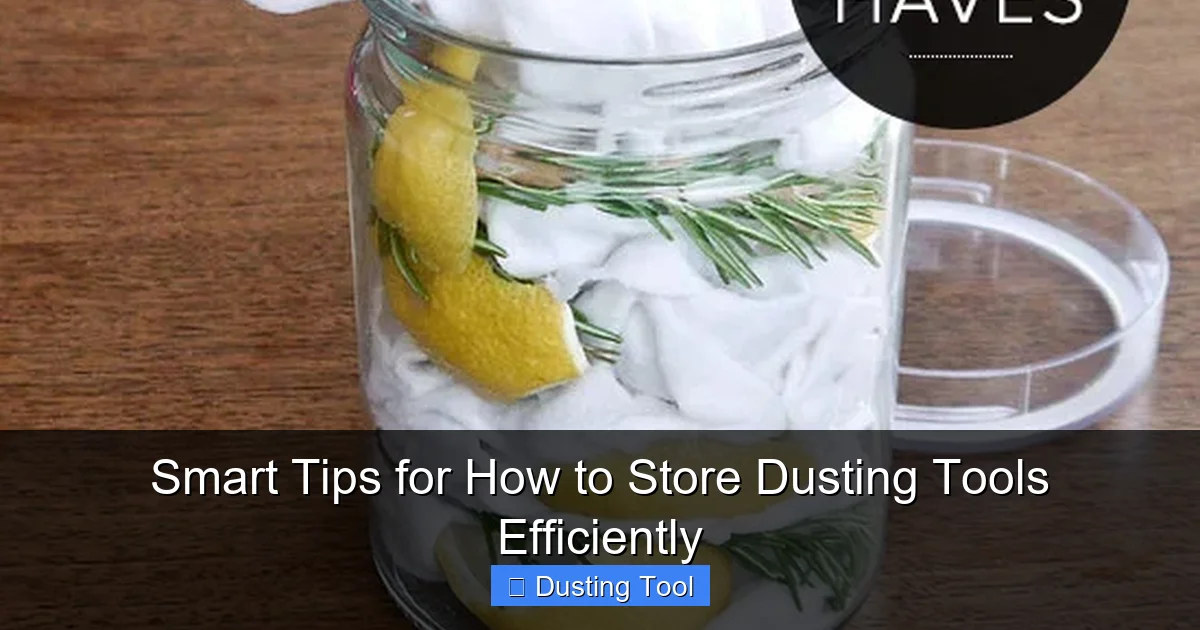
Tip: Repurpose items like jars or boxes. It’s eco-friendly and cheap. Just make sure they are clean and dry.
Step 4: Organize Tools by Type and Frequency of Use
Organization makes it easy to store dusting tools. Group similar tools together. Put frequently used tools in front. This saves time when you clean.
Categorizing Your Dusting Tools
Create groups like dusters, cloths, and brushes. You can also sort by room. For example, keep tools for living room separate. This reduces cross-contamination.
Prioritizing Based on Usage
Place everyday tools within reach. Store seasonal tools higher up. Use shelves or drawers for this. It keeps your main tools handy.
Example: A tiered shelf in a closet works great. Put microfiber cloths on top, dusters in the middle, and spare parts below.
Step 5: Implement a Labeling System
Labels are a game-changer. They help you and others know where things go. You can store dusting tools without confusion.
How to Label Effectively
Use sticky labels or a label maker. Write clear names like “Feather Dusters” or “Clean Cloths.” Add pictures for visual learners. Place labels on containers and shelves.
Benefits of Labeling
Labels save time. They maintain order. Everyone in the house can help. No more searching for tools. It’s a simple step with big rewards.
Tip: Update labels when you change tools. Keep it current for best results.
Step 6: Maintain Your Storage System
Once you store dusting tools, keep the system fresh. Regular maintenance ensures it lasts. Check tools and storage areas often.
Monthly Check-Ups
Once a month, review your tools. Clean any that look dirty. Toss worn-out tools. Reorganize if needed. Wipe down containers and shelves.
Seasonal Refreshes
Every season, deep clean your storage space. Dust off containers. Rearrange for new needs. This keeps things efficient all year.
Example: Set a reminder on your phone. It makes maintenance easy to remember.
Troubleshooting Common Storage Issues
Sometimes, problems pop up. Here’s how to fix them when you store dusting tools.
Issue: Tools Develop Mold or Mildew
This happens if storage is damp. Move tools to a drier spot. Clean affected tools with vinegar. Dry them completely before storing again. Improve ventilation in the area.
Issue: Storage Area Becomes Cluttered
Clutter means too many tools or poor organization. Declutter by donating unused tools. Use more containers or shelves. Stick to the “one in, one out” rule.
Issue: Tools Lose Shape or Effectiveness
Overcrowding can squash tools. Give each tool space. Store feather dusters hanging up. Roll microfiber cloths instead of folding tightly. This preserves their form.
Tip: Act fast when issues arise. Small fixes prevent big problems.
Conclusion: Enjoy a Clutter-Free Cleaning Routine
Congratulations! You now know how to store dusting tools efficiently. By cleaning, choosing the right location, using containers, organizing, labeling, and maintaining, you’ve set up a smart system. Your tools will last longer. Your home will be cleaner. Remember, storing dusting tools well saves time and money. Start today and see the difference. Happy cleaning!
🎥 Related Video: 5 Clever Dusting Tips (from a professional cleaner!)
📺 Maker’s Clean
Cleaning expert Melissa Maker shares her top 5 dusting tips and tricks. #cleaningtips Learn more about Maker’s Clean: …