

If your spin mop has suddenly stopped spinning, the problem is usually a simple mechanical jam or wear and tear. The most common culprits are hair and debris wrapped around the gear mechanism, a broken pedal or drive cable, or improper drying. This guide walks you through diagnosing and fixing these issues with basic tools, often in under 15 minutes, saving you time and money on a replacement.
Key Takeaways
- Gear Jams Are the #1 Cause: Hair, string, and debris get wound around the central gear shaft, creating a physical block that stops the spinning motion.
- The Pedal is a Common Failure Point: Plastic pedals can crack or the internal linkage can snap, preventing the transmission of force to the spin mechanism.
- Check the Drive Cable: A frayed or disconnected cable between the pedal and the bucket is a frequent reason for a complete loss of spinning function.
- Never Soak the Mop Head Mechanism: Submerging the top of the mop handle can force water and soap into the gears, causing rust and gunk buildup.
- Routine Cleaning Prevents Problems: A quick monthly check and clean of the gear area can prevent most spinning failures before they start.
- Most Repairs Are DIY-Friendly: You typically only need a screwdriver, pliers, and lubricant to fix the majority of spin mop issues.
Why Did My Spin Mop Stop Spinning? Quick Solutions Inside
There’s nothing more frustrating than going to wring out your mop and… nothing happens. That satisfying spin is gone, leaving you with a sopping wet mop head. Before you toss it and buy a new one, take a deep breath. In most cases, a non-spinning spin mop has a straightforward fix. This guide will help you play detective, find the root cause, and get your cleaning partner back in action with simple, step-by-step solutions.
Understanding How Your Spin Mop Works
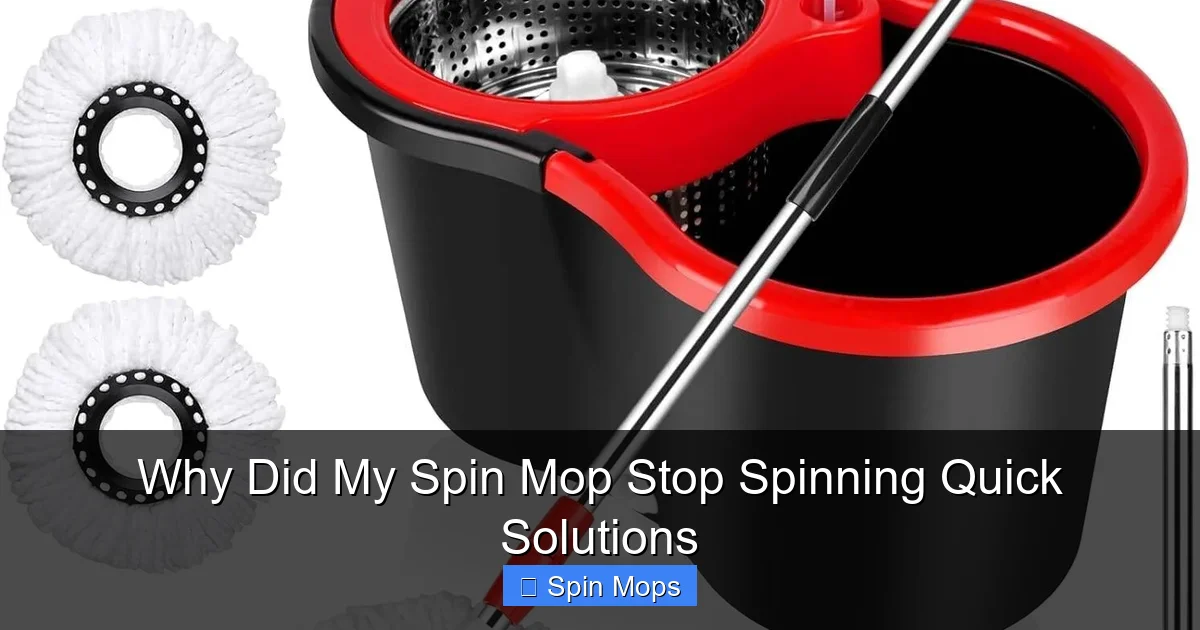
First, a quick lesson. A spin mop is a simple machine. You press a pedal with your foot. That pedal pulls a cable or turns a rod. That action connects to a gear mechanism inside the bucket’s spinning basket. The gears turn the basket at high speed, using centrifugal force to wring out the mop. When it stops, the breakdown is almost always in one of three areas: the gear mechanism, the pedal and cable, or due to owner error (like improper cleaning). Let’s diagnose.

Visual guide about Why Did My Spin Mop Stop Spinning Quick Solutions
Image source: jerrysappliancerepair.com
Solution 1: Fixing a Jammed Gear Mechanism
This is the most common reason for a sudden stop. Hair, lint, threads from the mop head, and general debris get wound tightly around the central gear shaft, acting like a brake.
Visual guide about Why Did My Spin Mop Stop Spinning Quick Solutions
Image source: microless.com
Step 1: Safety First and Inspection
Unplug the mop handle from the bucket. Remove the spin basket from the bucket. Turn it upside down and look at the center. Do you see a thick mat of grey or black gunk wrapped around the post? That’s your culprit.
Step 2: Removing the Debris
You will need needle-nose pliers, an old screwdriver, and scissors. Be careful not to bend the metal gears. Use the pliers to grip an end of the wound debris and start pulling it out. Use the screwdriver to gently pry and loosen tight clumps. For stubborn threads, carefully use scissors to cut them. Remove every bit you can see.
Step 3: Cleaning and Lubrication
Once the major debris is gone, clean the gear teeth and shaft with an old toothbrush and a little dish soap. Rinse and dry thoroughly. Then, apply a small amount of silicone-based lubricant (like WD-40 Specialist Silicone) to the central shaft and gear points. This reduces friction and prevents future jams.
Practical Tip: Do this preventative cleaning every month, especially if you have pets or long hair in your household.
Solution 2: Troubleshooting a Broken Pedal or Drive System
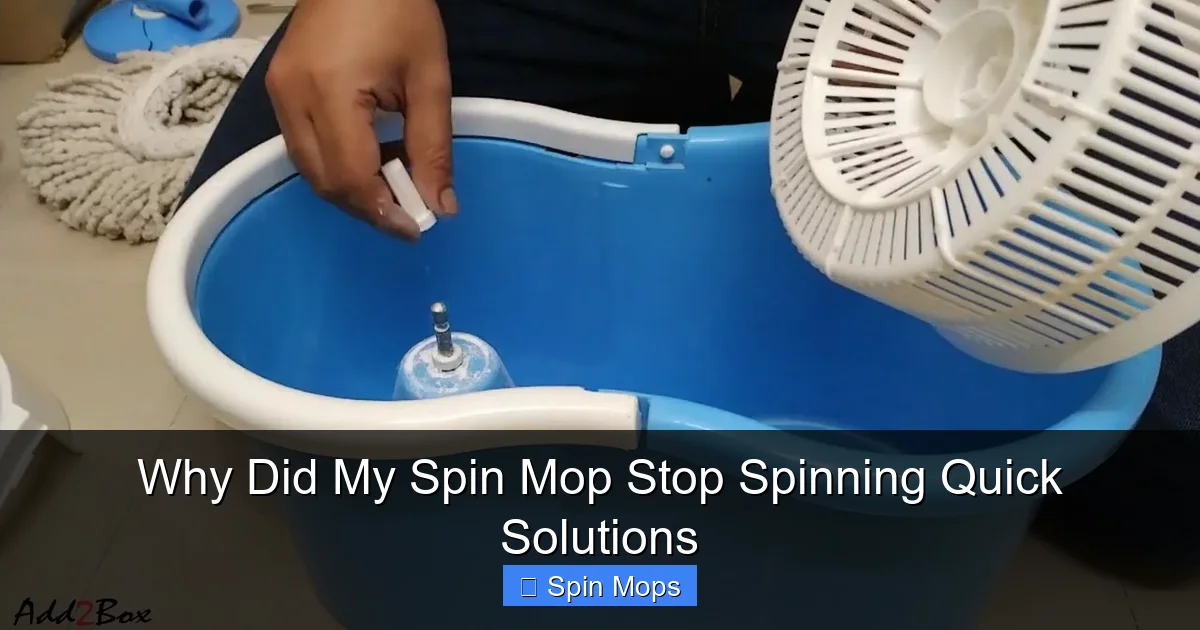
If the gears move freely by hand but don’t engage when you press the pedal, the problem is in the drive system.
Visual guide about Why Did My Spin Mop Stop Spinning Quick Solutions
Image source: i.ytimg.com
Step 1: Inspect the Pedal
Flip the bucket over. Look at the plastic pedal. Is it cracked or broken? Does it feel loose or disconnected inside? Many pedals are cheap plastic and can snap under forceful use.
Step 2: Follow the Cable
From the pedal, a plastic-coated metal cable (or a rigid plastic rod) runs into the base of the bucket. Trace it with your fingers. Is it disconnected at either end? Is the coating frayed, exposing broken metal wires? A frayed cable won’t pull properly.
Step 3: Simple Fixes and Replacements
If it’s just disconnected, you can often re-hook it. If the pedal is broken or the cable is snapped, you need a replacement part. Good news: Many brands sell affordable “drive pedal repair kits” online. Search for your mop’s brand and model. Replacing it usually involves removing a few screws, swapping the old part for the new, and reattaching the cable.
Solution 3: Addressing a Stuck or Seized Mechanism
If the mop feels completely locked up and won’t spin even by hand, something is seized. This is often due to rust or hardened soap scum.
Step 1: Deep Clean and De-Rust
Disassemble as much as you can. Soak the spin basket and gears in a mixture of warm water and white vinegar for 30 minutes. The vinegar helps dissolve mineral deposits and light rust. Scrub thoroughly with a brush.
Step 2: Apply Penetrating Oil
After cleaning and drying, apply a few drops of a penetrating oil (like Liquid Wrench) to the central shaft. Let it sit for 10 minutes, then gently try to turn the mechanism by hand. The oil needs time to work into the seized parts.
Important: After using penetrating oil, clean the area again before applying the final silicone lubricant, as they are different products.
Solution 4: Correcting User Error and Poor Maintenance
Sometimes, we accidentally cause the problem. The biggest mistake? Submerging the entire mop head and handle connection in the soapy water.
The Right Way to Wet Your Mop
Only immerse the mop head fabric into the water. Never let the plastic gear housing at the top of the mop head go underwater. This forces dirty soap suds into the gears, leading to gunk and eventual failure.
The Right Way to Dry Your Mop
After cleaning, always detach the mop head and let it air dry separately. Store the handle and bucket in a dry place. Storing it wet in a closet guarantees rust and mildew in the mechanism.
Troubleshooting: What If Nothing Works?
If you’ve tried all the above and your mop still won’t spin, consider these final points:
- Check for Hair Wrapped Inside the Mop Head Itself: Sometimes debris is hidden where the mop head attaches to the plate. Remove the head and check.
- Is the Spin Basket Warped? If the plastic basket is deformed from hot water or damage, it can rub against the bucket and stop spinning.
- Cost-Benefit Analysis: If the central gear assembly (the part inside the basket) is shattered, a replacement basket might cost nearly as much as a new mop. At that point, it might be time to upgrade.
Conclusion: You Can Fix Your Spin Mop!
A spin mop stopping mid-clean doesn’t have to be the end. In 8 out of 10 cases, the fix is a five-minute debris removal job. By understanding the simple mechanics, performing a little routine maintenance, and avoiding common wetting mistakes, you can greatly extend the life of your mop. Armed with a screwdriver, pliers, and this guide, you’re now ready to diagnose the “why” and implement the “fix” quickly. Get that basket spinning again and get back to your sparkling floors!