
Transforming your desk into a green oasis is easier than you think. This guide covers the best low-maintenance, air-purifying office desk plants, from resilient Snake Plants to cheerful Pothos. You’ll learn how to choose, care for, and troubleshoot your new leafy co-workers for a healthier, happier workspace.
Key Takeaways
- Low-Light Champions Exist: Many excellent desk plants, like ZZ Plants and Peace Lilies, thrive in the indirect light typical of most offices.
- Watering Less is Often More: Overwatering is the #1 killer of desk plants. Letting soil dry out between drinks is crucial for success.
- Benefits Go Beyond Beauty: Desk plants purify air, boost mood, enhance focus, and can even reduce noise levels and absenteeism.
- Size and Style Matter: Choose compact, slow-growing varieties that fit your space and match your desired aesthetic, from sculptural to trailing.
- Start Simple for Success: Beginners should opt for ultra-forgiving species like Snake Plants or Pothos to build confidence.
- It’s a Holistic Process: Success involves matching the right plant to your light, pot, watering habits, and occasional fertilizing.
- Troubleshooting is Part of the Journey: Yellow leaves or drooping are common; they’re signs to adjust care, not reasons to give up.
Best Office Desk Plants for a Greener Workspace
Does your workspace feel a bit sterile? Are you looking for a simple way to boost your mood and focus? The answer might be sitting on a nursery shelf. Bringing a plant to your office desk is one of the easiest and most effective upgrades you can make. But with so many choices, where do you start? This guide will walk you through everything. We’ll explore the best plants for your desk, how to care for them, and how to turn your cubicle into a vibrant, productive green space.
You will learn which plants are practically impossible to kill, which ones clean the air you breathe, and how to keep them thriving with minimal effort. Let’s get started and find your perfect green companion.
Why You Need a Plant on Your Desk
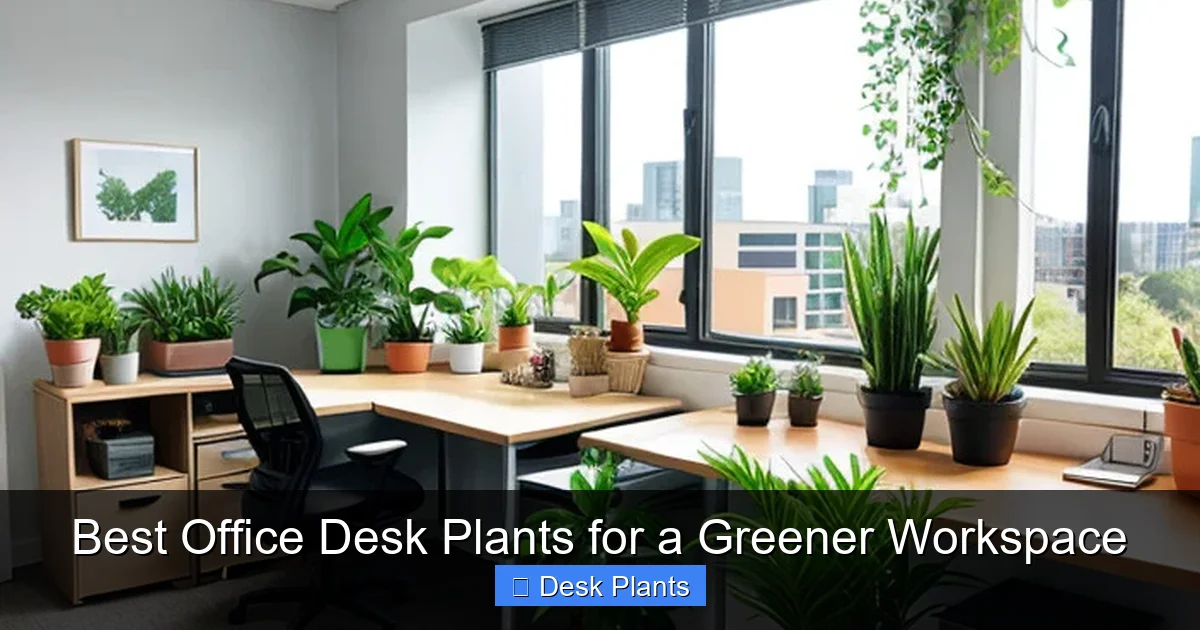
Before we dig into the “which,” let’s talk about the “why.” A desk plant is more than decor. It’s a wellness tool. Studies show that having plants in the office can reduce stress, increase productivity by up to 15%, and improve overall well-being. They act as natural air filters, removing common toxins from electronics and furnishings. They also add life and personality to a sometimes impersonal space. In short, a small investment in a desk plant pays big dividends for your workday.
Visual guide about Best Office Desk Plants for a Greener Workspace
Image source: imagecdn.99acres.com
How to Choose the Right Office Desk Plant
Picking a plant isn’t just about what looks pretty. You need a roommate that can handle office life. Follow these steps to make the perfect match.
Visual guide about Best Office Desk Plants for a Greener Workspace
Image source: plantscapelive.com
Step 1: Assess Your Light
Light is food for plants. Look at your desk. Is there a window nearby? Does bright, indirect light splash on the surface all day? Or is your desk in a more interior space, reliant on overhead fluorescent lights?
- Low Light: Away from windows, only office lighting. Choose from the most tolerant species.
- Medium/Indirect Light: Near a window but not in direct sun. This is the sweet spot for many plants.
- Bright, Indirect Light: A desk right beside a sunny (but not south-facing) window. Offers more options.
Be honest with your assessment. It’s the most important step.
Step 2: Be Real About Your Care Habits
Are you a forgetful waterer or an over-attentive plant parent? Your schedule matters. If you travel often or tend to forget, choose a drought-tolerant plant. If you love daily interaction, a plant that likes consistent moisture might work.
Step 3: Consider Your Space
Measure your available surface area. Is there room for a wide pot, or do you need something tall and slim? Also, think about vertical space—trailing plants can add greenery without taking up much desk real estate.
Top 10 Best Plants for Your Office Desk
Now for the fun part! Here are the top performers for office environments, categorized to help you choose.
Visual guide about Best Office Desk Plants for a Greener Workspace
Image source: media1.popsugar-assets.com
The Unkillable Champions (Perfect for Beginners)
1. Snake Plant (Sansevieria): The undisputed king of neglect. It thrives in low light, needs water only once a month, and has striking architectural leaves. It’s also a top air purifier.
2. ZZ Plant (Zamioculcas zamiifolia): Glossy, dark green leaves that almost look fake. It stores water in its bulbous roots, making it incredibly forgiving. It grows slowly and happily in low light.
3. Pothos (Epipremnum aureum): A fast-growing vine with heart-shaped leaves. It tolerates low light and irregular watering. Let it trail from a shelf or pin it up for a green wall. A classic for good reason.
The Air-Purifying Powerhouses
4. Peace Lily (Spathiphyllum): Beautiful dark leaves with elegant white blooms. It’s excellent at removing common toxins and will droop dramatically when thirsty—a perfect reminder to water! Prefers medium light.
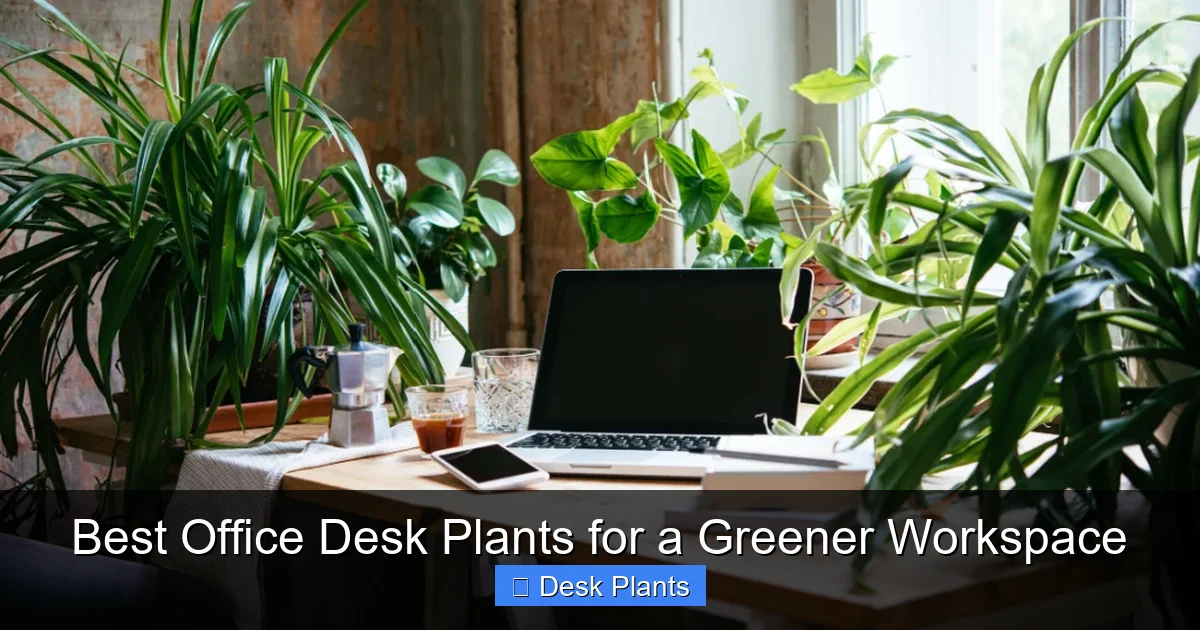
5. Spider Plant (Chlorophytum comosum): A cheerful, non-toxic plant with arching green and white leaves. It produces “spiderettes” (baby plants) on long stems. It’s resilient and loves indirect light.
6. Chinese Evergreen (Aglaonema): Comes in stunning varieties with red, pink, or silver patterns. It adapts well to low-light office conditions and is very low-maintenance.
The Compact & Cheerful Picks
7. Lucky Bamboo (Dracaena sanderiana): Not a true bamboo, but incredibly easy. It grows happily in just a vase of water, needing only fresh water every few weeks. It adds a serene, sculptural element.
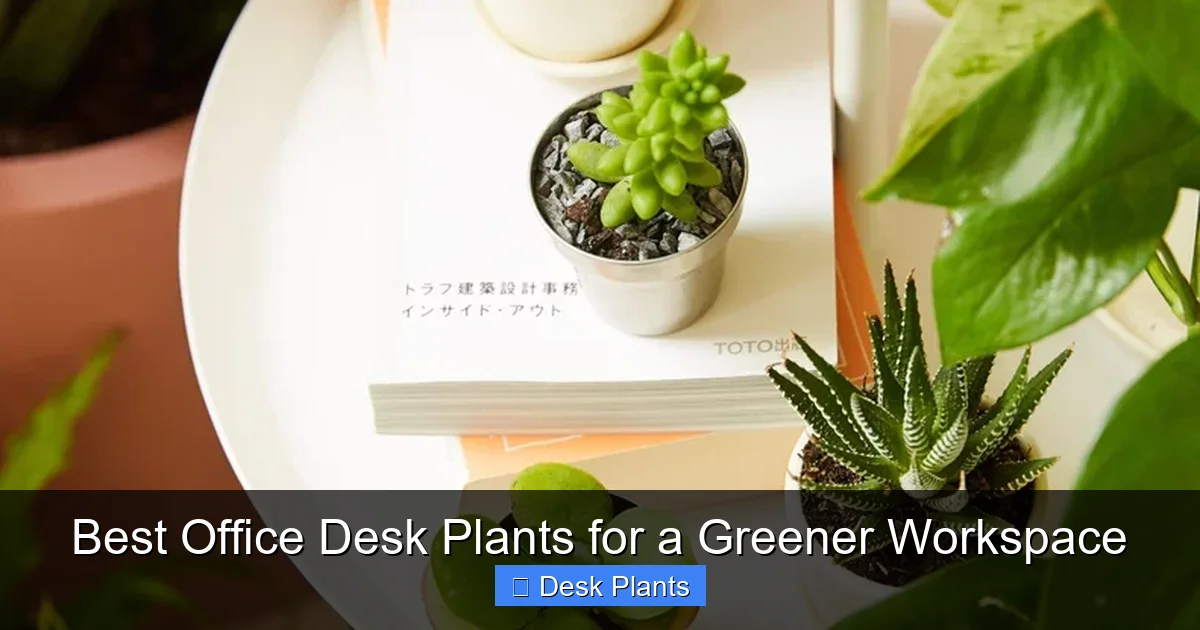
8. Succulents & Cacti: For a sunny desk spot. Haworthia, Echeveria, and a small cactus need bright light and very little water. Their unique forms add modern texture.
9. Nerve Plant (Fittonia): Known for its vividly veined leaves. It prefers consistent moisture and medium light. It’s a great choice if you want a pop of color and enjoy a slightly more hands-on plant.
10. Philodendron Heartleaf: Similar to Pothos but often with darker, glossier leaves. It’s super easy, trails beautifully, and is very adaptable to office light.
Your Desk Plant Care Routine
You’ve chosen your plant! Now, let’s keep it alive and thriving with a simple care routine.
Watering Wisdom: The Golden Rule
Overwatering kills more desk plants than anything else. Always check the soil first. Stick your finger about an inch deep. If it’s dry, it’s time to water. If it’s damp, wait. When you do water, do so thoroughly until water runs out the drainage holes, then empty the saucer. Never let your plant sit in water.
Feeding: A Light Diet
Office desk plants don’t need much food. Use a balanced, water-soluble fertilizer diluted to half-strength. Feed only during the growing season (spring and summer), about once a month. In fall and winter, don’t fertilize at all.
Cleaning and Grooming
Dust can build up on leaves, blocking light. Gently wipe leaves with a damp cloth every few weeks. Remove any yellow or dead leaves to keep the plant healthy and looking tidy.
The Right Pot and Soil
Ensure your pot has drainage holes. Use a well-draining potting mix suited to your plant (e.g., cactus mix for succulents, all-purpose for most others). A decorative cache pot (outer pot) can hide a simple plastic nursery pot.
Troubleshooting Common Desk Plant Problems
Don’t panic if your plant looks unhappy. Here’s how to diagnose and fix common issues.
Yellowing Leaves
This is often a sign of overwatering. Check the soil. If it’s soggy, let it dry out completely before watering again. Ensure your pot drains properly.
Brown, Crispy Leaf Tips
Usually caused by low humidity or dry soil. Increase watering frequency slightly (after checking the soil) or mist the plant occasionally. Fluoride in water can also cause this, so using filtered water can help.
Leggy or Stretched Growth
Your plant is reaching for more light. Move it to a brighter location if possible, or consider switching to a plant better suited for low light.
Drooping Leaves
Can mean either too much or too little water. Check the soil! Dry and crispy soil means it’s thirsty. Wet, soggy soil means it’s drowning. Adjust accordingly.
Conclusion: Start Your Green Journey Today
Adding a plant to your office desk is a small step with profound benefits. You’re not just buying decor; you’re investing in your well-being, focus, and the quality of your work environment. Start with one easy-care plant from our list. Learn its rhythms. Enjoy the simple pleasure of seeing a new leaf unfurl. Before long, you might find yourself with a greener, calmer, and more inspired workspace. The best time to bring a little life to your desk is now. Happy planting!
🎥 Related Video: Best office desk indoorplants / table top houseplants #short #shortsfeed #indoorplants
📺 Wildmoss Nature Blog
Best office desk indoorplants / table top houseplants #short #shortsfeed #indoorplants.
