
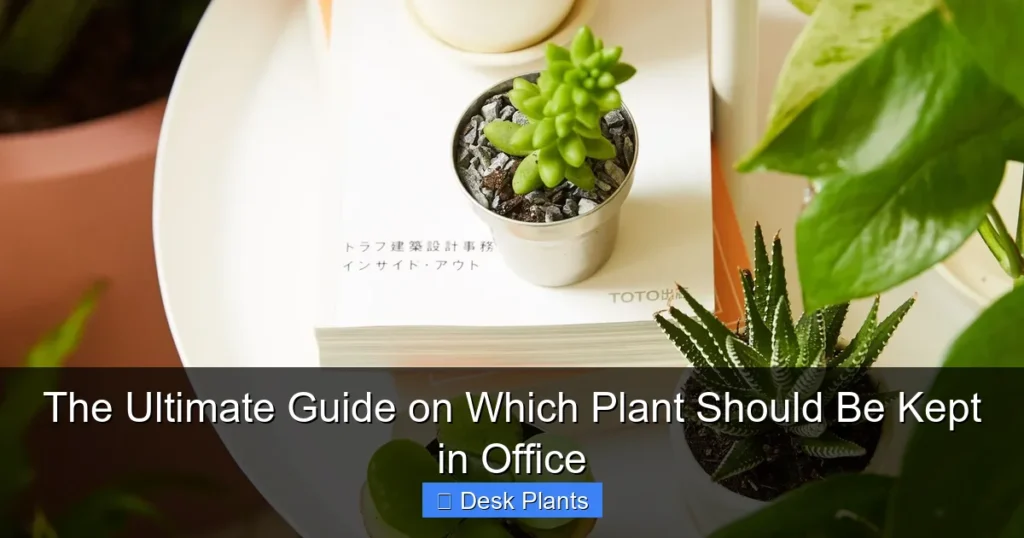
Choosing the right plant for your office can transform your workspace. This guide helps you select the perfect desk plant based on light levels, maintenance needs, and desired benefits like improved air quality and focus. Learn about the top picks that thrive indoors with minimal care.
Key Takeaways
- Assess Your Light First: The most critical step is matching a plant to your office’s natural light conditions, whether it’s low, medium, or bright indirect light.
- Prioritize Low Maintenance: For busy offices, choose drought-tolerant and forgiving plants like Snake Plants or ZZ Plants that won’t suffer from occasional neglect.
- Leverage Proven Benefits: Office plants do more than decorate; they are proven to purify air, reduce stress, boost mood, and enhance concentration and productivity.
- Size and Scale Matter: Select a plant that fits your desk space without crowding your work area. Small succulents, medium tabletop plants, and trailing vines are great for desks.
- Consider Safety and Allergies: In shared spaces, opt for non-toxic plants if there are pets or children, and avoid high-pollen plants if allergies are a concern.
- Master the Basics of Care: Overwatering is the #1 killer of office plants. Learn the signs of thirst for your specific plant and establish a simple, consistent care routine.
The Ultimate Guide on Which Plant Should Be Kept in Office
Does your office desk feel a bit sterile? A blank computer screen, a stack of papers, and a coffee mug can make for a dull workday. What if you could add a simple, living element that boosts your mood, cleans your air, and makes you more productive? You can. The answer is an office plant.
But not just any plant will do. The wrong choice can lead to a sad, wilting reminder of failed good intentions. This guide is here to make sure that doesn’t happen. We will walk you through everything you need to know to choose and care for the perfect green coworker. You will learn how to assess your space, pick a plant that matches your lifestyle, and keep it thriving for years to come. Let’s bring some life to your desk.
Step 1: The Foundation – Assess Your Office Environment
Before you fall in love with a photo of a lush, tropical plant, you need to be realistic about your office’s conditions. The number one factor for plant survival is light.
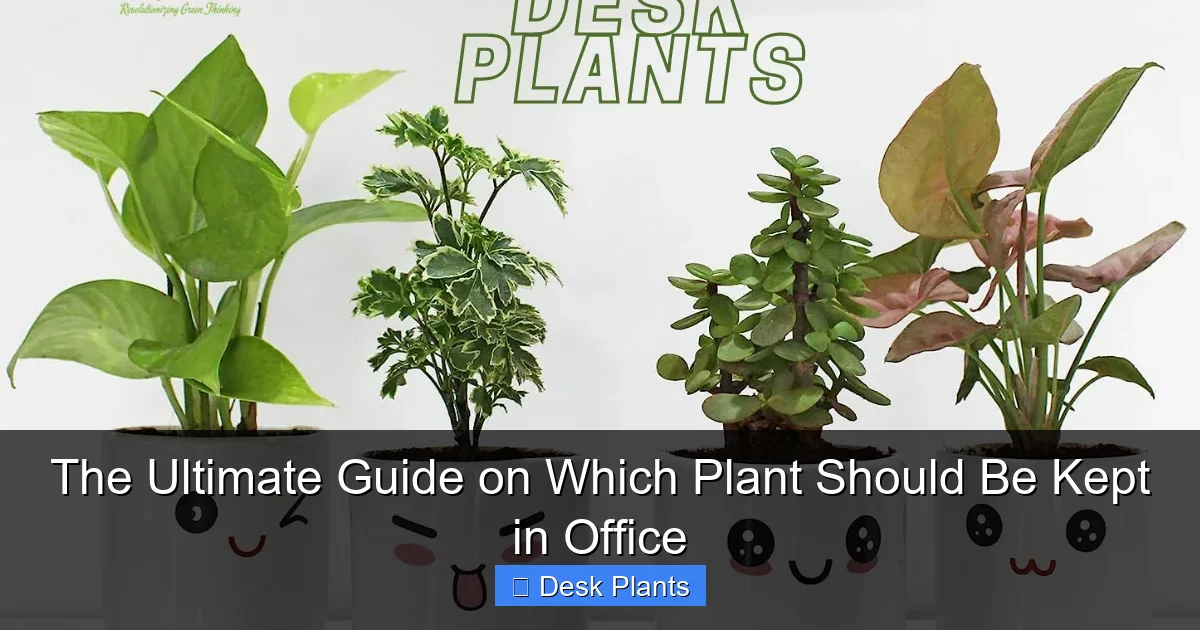
Visual guide about The Ultimate Guide on Which Plant Should Be Kept in Office
Image source: rollingnature.com
1.1 Determine Your Light Level
Spend a day observing the light in your workspace. Here’s how to categorize it:
- Low Light: No direct sunlight. You might be far from a window, in a cubicle with only overhead fluorescent lights, or in a room with north-facing windows. You can read comfortably without a lamp at noon, but it’s not bright.
- Medium/Indirect Light: Bright, filtered light. This is near a north or east-facing window, or a few feet back from a south or west-facing window where the sun’s rays never directly touch the leaves. This is the sweet spot for many common office plants.
- Bright Light: Direct sunlight for part of the day. A desk right next to a south or west-facing window. Be cautious, as through glass, this can get very hot and potentially scorch some plants.
1.2 Consider Other Factors
Light isn’t everything. Also think about:
- Airflow & Climate: Offices are often dry due to air conditioning or heating. Some plants love humidity, others tolerate dryness.
- Your Routine: How often are you at your desk? Do you travel frequently? Choose a plant that matches your ability to care for it.
- Space Constraints: Measure your available desk or shelf space. You want a plant that fits without becoming clutter.
Step 2: Define Your “Why” – The Benefits You Want
Plants offer more than just beauty. Knowing your primary goal helps narrow your choice.
Visual guide about The Ultimate Guide on Which Plant Should Be Kept in Office
Image source: i.pinimg.com
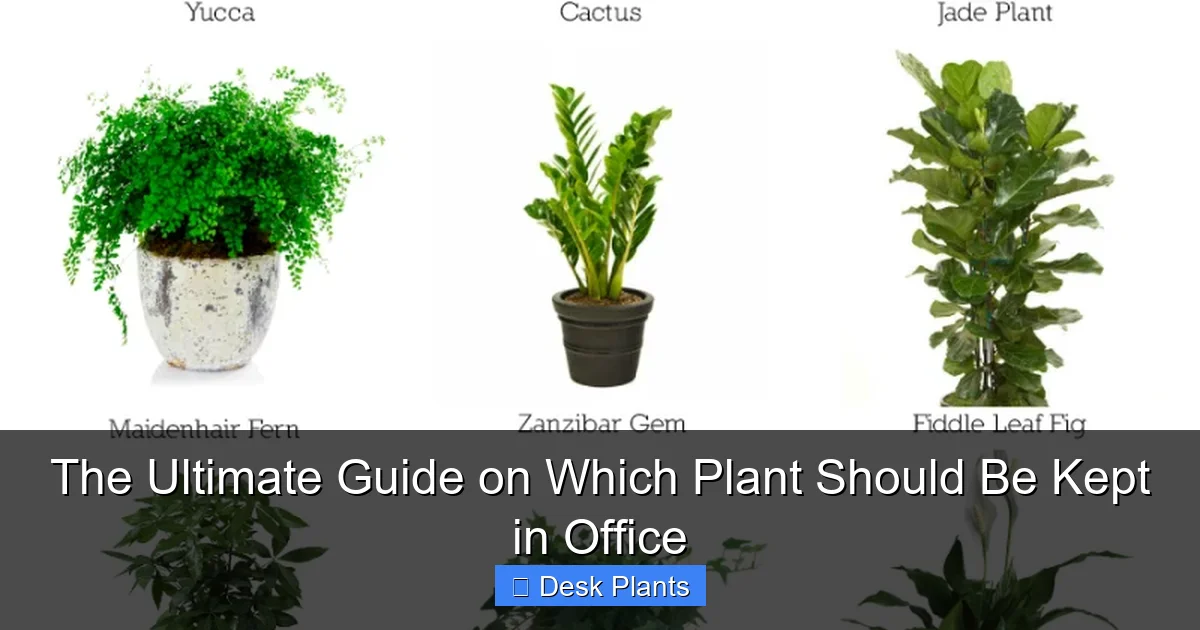
- Air Purification: Famous NASA studies showed certain plants can remove common volatile organic compounds (VOCs) like formaldehyde and benzene from the air.
- Stress Reduction & Mood Boost: Studies consistently show that seeing and being around plants lowers cortisol levels and reduces anxiety.
- Increased Productivity & Focus: A greener workspace can improve concentration, memory, and performance on tasks by up to 15%.
- Simple Aesthetics & Personalization: A plant is a beautiful, natural way to make a generic desk feel like your own.
Step 3: Top Plant Recommendations for Your Office Desk
Now, let’s match the right plant to your environment and goals. Here are the champions of the office world.
Visual guide about The Ultimate Guide on Which Plant Should Be Kept in Office
Image source: images.squarespace-cdn.com
3.1 The Unkillable Champions (Best for Low Light & Neglect)
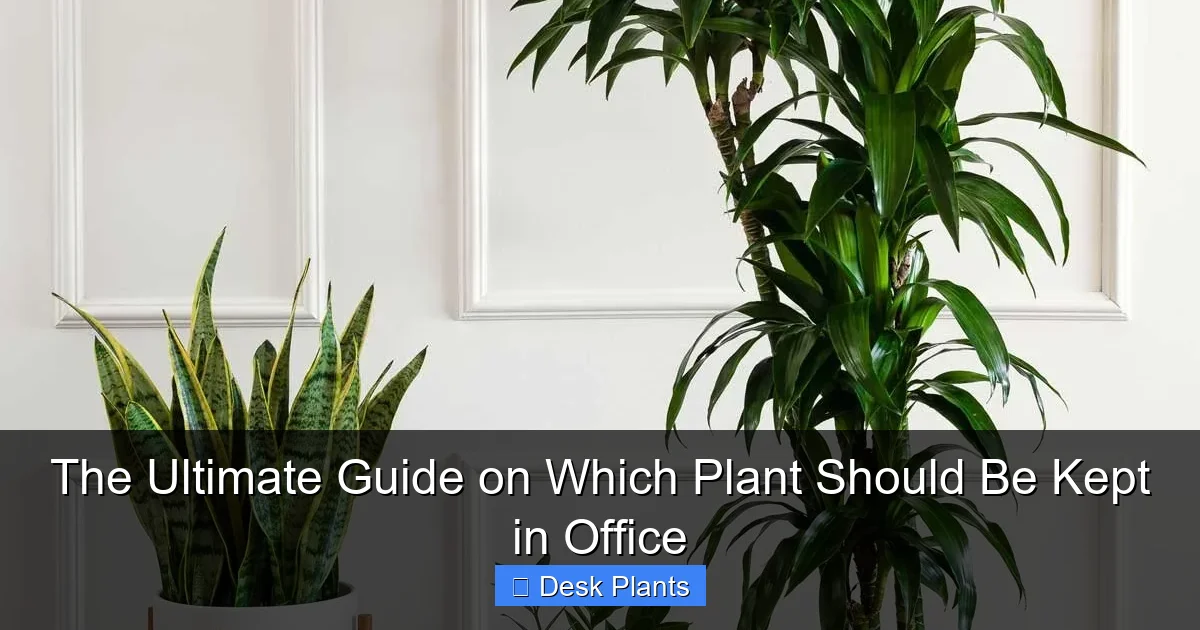
Snake Plant (Sansevieria): The undisputed office MVP. It thrives in low light, prefers dry soil, and grows vertically, making it perfect for tight spaces. It’s also a top air purifier, releasing oxygen at night.
ZZ Plant (Zamioculcas zamiifolia): With its glossy, dark green leaves, the ZZ Plant looks more delicate than it is. It stores water in its bulb-like roots, allowing it to survive weeks without water in low-light conditions.
Pothos (Epipremnum aureum): A fast-growing vine with heart-shaped leaves. It tolerates low light but grows faster in medium light. Let it trail from a shelf or a hanging pot. Excellent for air purification.
3.2 The Air-Purifying All-Stars
Spider Plant (Chlorophytum comosum): A non-toxic, cheerful plant that produces “spiderettes” or baby plants. It’s fantastic at removing formaldehyde and xylene. Prefers medium, indirect light.
Peace Lily (Spathiphyllum): Not a true lily, this plant produces beautiful white blooms and is a powerhouse for cleaning air. It prefers medium to low light and will droop dramatically when it needs water—a helpful built-in reminder.
Dracaena (many varieties): Plants like the Corn Plant or Janet Craig are tall, architectural, and effective air cleaners. They prefer medium, indirect light.
3.3 The Mood-Boosting & Beautiful
Succulents & Cacti (e.g., Aloe Vera, Echeveria, Haworthia): Perfect for bright, sunny desks. They need minimal water and come in fascinating shapes and colors. Aloe Vera also offers the bonus of soothing gel for minor cuts or burns.
Chinese Money Plant (Pilea peperomioides): With its unique, pancake-shaped leaves on straight stems, it’s a modern favorite. It enjoys medium, indirect light and is easy to propagate—share pups with coworkers!
Peperomia (many varieties): Often called “Radiator Plants,” they are compact, have beautiful textured leaves, and are very forgiving. Great for adding a pop of color or pattern.
Step 4: How to Place and Style Your Office Plant
Where you put your plant matters for its health and your enjoyment.
- Desk Centerpiece: Use a single, striking medium-sized plant as a focal point.
- Shelving or Filing Cabinet: Ideal for trailing plants like Pothos or English Ivy.
- Monitor Sidekick: A small succulent or cactus in a cute pot beside your monitor frames your workspace nicely.
- Rule of Three: For a bigger impact, group three plants of varying heights and textures together on a larger surface.
Remember: Rotate your plant a quarter turn every time you water it. This ensures all sides get even light and grow straight.
Step 5: Essential Care – Keeping Your Plant Thriving
A simple routine is the secret to long-term success.
5.1 The Watering Rule: Less is More
Overwatering causes root rot, the #1 killer of office plants. Always check the soil first. Stick your finger about an inch deep. If it’s dry, it’s time to water. If it’s damp, wait. Most office plants need water only every 1-3 weeks.
5.2 Feeding and Cleaning
During spring and summer (the growing season), use a half-strength liquid fertilizer once a month. Wipe dust off leaves with a damp cloth every few weeks. This helps the plant breathe and absorb light.
5.3 When to Repot
If you see roots growing out of the drainage holes or the plant dries out very quickly, it might be root-bound. Repot in the spring into a container only 1-2 inches larger in diameter.
Troubleshooting Common Office Plant Problems
Don’t panic if your plant looks unhappy. Here’s a quick diagnostic guide.
- Yellowing Leaves: Usually a sign of overwatering. Let the soil dry out completely before watering again.
- Brown, Crispy Leaf Tips: Often caused by low humidity or chemical buildup from tap water. Use distilled water or let tap water sit out overnight. Increase humidity with a small pebble tray.
- Leggy, Stretched Growth: The plant is not getting enough light. Move it closer to a light source.
- Dropping Leaves: Can be caused by a sudden change in temperature, draft, or under-watering. Check your plant’s location and soil moisture.
- Pests (like gnats or mealybugs): Isolate the plant. Wipe leaves with insecticidal soap or neem oil. For fungus gnats, let the soil dry out more between waterings.
Conclusion: Your Greener, Happier Workspace Awaits
Adding a plant to your office is one of the simplest, most effective upgrades you can make for your well-being and productivity. By following this guide—starting with your light conditions, choosing a plant that fits your care style, and mastering a few basic care steps—you’re setting yourself up for success. Your new green companion will be more than just decor; it will be a silent partner in creating a calmer, cleaner, and more inspiring place to work. Start small, be patient, and enjoy the process of bringing a little bit of nature to your nine-to-five.
🎥 Related Video: Biophilia Expert Explains How to Pick the Right Office Plants | WSJ
📺 The Wall Street Journal
Research shows that exposure to nature, even indoors, can help reduce stress. Biophilia expert Rebecca Bullene shows you how …