
In this guide, you will learn where to place your study desk for maximum efficiency and comfort. We provide practical tips and expert advice to help you find the perfect spot for your study desk, ensuring you create an ideal workspace that enhances focus and productivity.
Key Takeaways
- Choose a Quiet Location: Select a space with minimal distractions to maintain focus while studying.
- Utilize Natural Light: Position your desk near a window to benefit from natural lighting, which can improve mood and productivity.
- Mind the Ergonomics: Ensure your desk and chair are at the right height to promote good posture and reduce strain.
- Consider Proximity to Resources: Place your desk near bookshelves or other study materials for easy access.
- Personalize Your Space: Add personal touches to your desk area to make it inviting and motivating.
- Test Different Arrangements: Don’t hesitate to experiment with different placements to find what works best for you.
- Assess Your Environment: Take into account noise levels, temperature, and overall comfort in your chosen study area.
Optimal Placement Tips for Where Should a Study Desk Be Placed
Choosing the right spot for your study desk is crucial in creating an effective study environment. A well-placed desk can enhance your productivity, comfort, and overall study experience. In this guide, we will explore various factors to consider when deciding where to place your study desk, along with practical tips to optimize your workspace.
Understanding the Importance of Desk Placement
Your study desk placement significantly impacts your focus and comfort. The right position can help reduce distractions, improve posture, and create a more inviting atmosphere. Let’s dive into the essential considerations for optimal desk placement.
Visual guide about Optimal Placement Tips for Where Should a Study Desk Be Placed
Image source: images.zapier.com
Step 1: Assess Your Room
Before placing your study desk, take a good look at the room you’ll be using. Consider the layout, available space, and any existing furniture. This assessment will help you identify potential locations for your desk.
Visual guide about Optimal Placement Tips for Where Should a Study Desk Be Placed
Image source: static.wixstatic.com
Identify Available Space
Measure the dimensions of your room and the furniture already in place. Find a suitable location that accommodates your desk while allowing enough space for movement.
Consider Room Layout
Observe how the room flows. Avoid placing your desk in a corner that feels cramped or isolated. Instead, look for areas that are open and inviting.
Step 2: Choose a Quiet Location
Minimizing distractions is essential for effective studying. Selecting a quiet area in your home can significantly enhance your concentration.
Visual guide about Optimal Placement Tips for Where Should a Study Desk Be Placed
Image source: quidlo.com
Avoid High-Traffic Areas
Steer clear of locations near busy pathways or common areas. Instead, opt for rooms like a bedroom or a spare room that are less likely to be disrupted by foot traffic.
Use Sound-Muffling Techniques
If your chosen spot is not as quiet as you’d like, consider using soundproofing techniques, such as adding rugs, curtains, or wall hangings to absorb noise.
Step 3: Utilize Natural Light
Natural light is a vital component of an effective workspace. Studies show that it can boost mood, energy levels, and productivity.
Position Near a Window
If possible, place your desk near a window to take advantage of daylight. However, be mindful of glare on your computer screen, which can be distracting.
Consider Light Direction
Ideal lighting comes from the side rather than directly in front or behind you. This positioning helps reduce shadows and glare, making it easier to see your work.
Step 4: Mind the Ergonomics
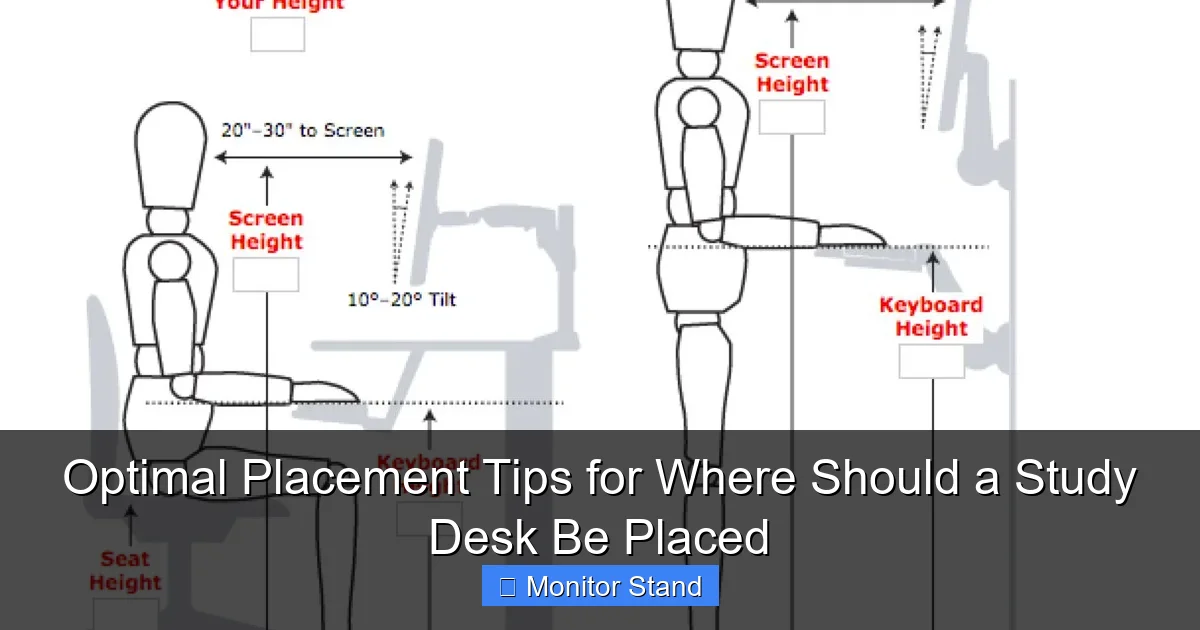
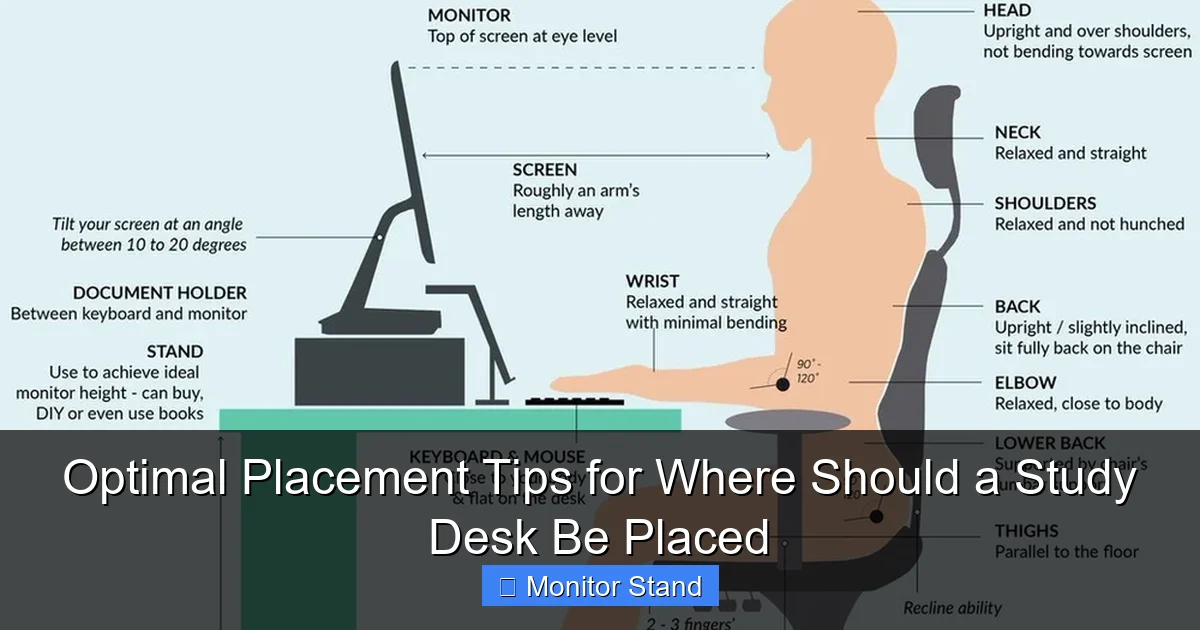
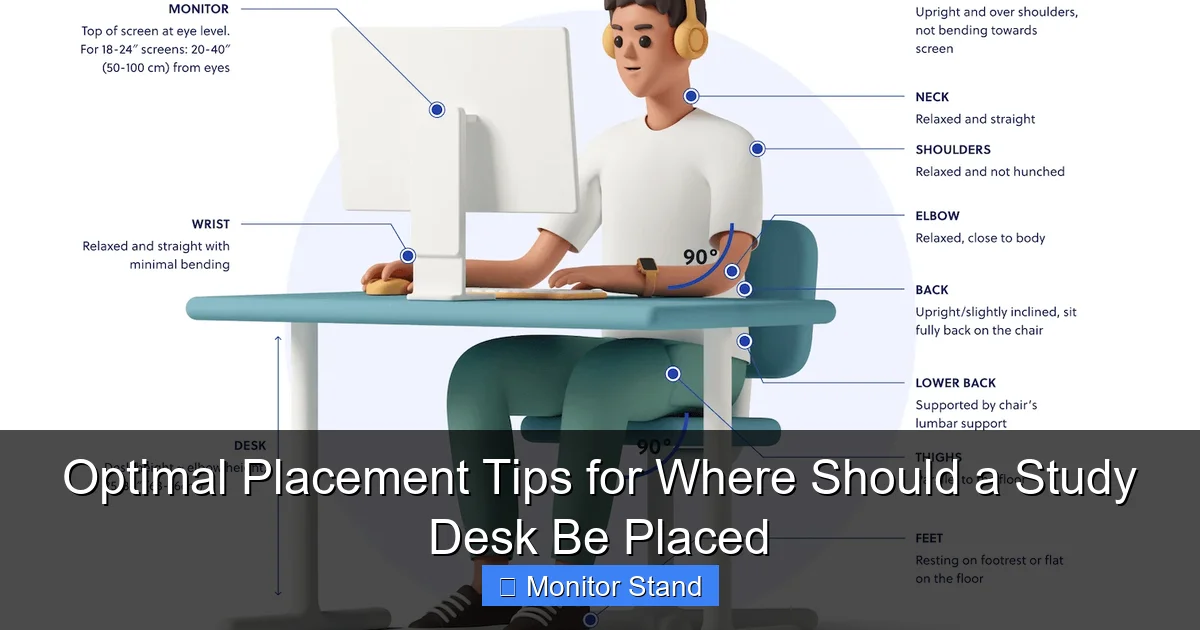
Ergonomics play a crucial role in your comfort and productivity. The right desk height and chair can prevent strain and fatigue.
Desk and Chair Height
Your desk should allow your elbows to be at a 90-degree angle while seated. If your feet don’t touch the ground, consider using a footrest to improve comfort.
Monitor Positioning
Your computer monitor should be at eye level, about an arm’s length away. This setup helps maintain good posture and reduces neck strain.
Step 5: Consider Proximity to Resources
Having easy access to your study materials can streamline your workflow. Think about placing your desk near bookshelves or storage areas.
Organize Supplies Nearby
Keep essential supplies like stationery, books, and reference materials within arm’s reach. This organization minimizes interruptions and keeps you focused.
Plan for Technology Needs
Ensure that electrical outlets are nearby for your computer and any other devices. This arrangement prevents clutter caused by long cords and makes it easy to charge devices.
Step 6: Personalize Your Space
Creating a space that feels inviting can enhance your motivation to study. Personalization is a great way to make your study desk more appealing.
Add Personal Touches
Incorporate items that inspire you, such as photos, plants, or motivational quotes. These elements can make your study area feel more relatable and less sterile.
Maintain a Clean Workspace
A clutter-free desk promotes focus. Regularly declutter your space to keep distractions to a minimum and create a more productive environment.
Step 7: Test Different Arrangements
Sometimes, finding the perfect desk placement requires a bit of experimentation. Don’t hesitate to try different configurations until you find what works best.
Move Your Desk Around
Rearranging your desk might feel like a hassle, but it can lead to discovering a more effective setup. Try different angles and positions to see how they feel.
Listen to Your Body
Pay attention to how your body feels while studying. If you experience discomfort or distraction, consider adjusting your desk’s position until it feels right.
Assessing Your Environment
Finally, take a look at the overall environment where your desk is placed. Factors such as noise levels, temperature, and lighting should all contribute to a comfortable working atmosphere.
Evaluate Noise Levels
If you often find yourself distracted by noise, consider soundproofing your study area further or using noise-canceling headphones.
Control Temperature
Ensure the area is well-ventilated and comfortable. A space that is too hot or cold can negatively impact your concentration and productivity.
Troubleshooting Common Issues
Even with the best intentions, you might encounter issues with your desk placement. Here are some common problems and solutions:
Problem: Glare on Screen
If you notice glare on your monitor, try repositioning your desk or using anti-glare screen protectors.
Problem: Distractions from Outside
Use curtains or blinds to minimize distractions from outside. This can help you maintain focus on your work.
Conclusion
Choosing the optimal location for your study desk can significantly enhance your productivity and comfort. By considering factors like natural light, noise levels, and ergonomics, you can create a space that fosters focus and motivation. Remember to personalize your area and don’t hesitate to experiment with different arrangements until you find what works best for you. With the right placement, your study desk can become a hub of creativity and efficiency!
