
This guide unveils the precise environmental triggers that cause desert plants to burst into bloom, transforming arid landscapes with fleeting color. We then translate this fascinating desert wisdom into practical, step-by-step care techniques you can use to encourage your own cacti and succulents to flower on your desk, bringing a touch of wild beauty to your indoor space.
Key Takeaways
- Precipitation is the Primary Signal: Desert plants bloom primarily in response to significant seasonal rains, which provide the water and nutrients needed for the energy-intensive flowering process.
- Temperature Plays a Crucial Role: A distinct cool period (winter dormancy) followed by warmth is essential for many species to initiate bud formation, mimicking their natural habitat cycles.
- Light is Non-Negotiable: Intense, direct sunlight is the powerhouse for photosynthesis, building the energy reserves required for a plant to produce flowers. Insufficient light is the most common reason for no blooms indoors.
- Maturity and Patience are Key: Many cacti and succulents must reach a certain age or size before they are capable of flowering, which can take several years.
- Stress Can Be a Trigger: Slight, controlled environmental stress, like a dry winter rest period, often signals to the plant that it’s time to reproduce, leading to blooms.
- Indoor Success Mimics Nature: To bloom on your desk, you must replicate the desert’s cycles of abundant light, seasonal watering, and cooler dormancy periods.
- Not All Plants Bloom Annually: Some species, like certain agaves, are “monocarpic,” meaning they flower once spectacularly at the end of their life cycle.
Unveiling the Mystery of When Do Desert Plants Bloom
Have you ever seen a photo of a barren desert landscape suddenly awash with vibrant color? It seems like magic. One day it’s all sand and rock, the next it’s a carpet of flowers. This spectacular event is one of nature’s greatest shows. But what makes it happen? And more importantly for us plant lovers, can we get our own prickly desk companions to put on a similar show?
This guide will take you on a journey. First, we’ll explore the wild, untamed triggers of the desert. We’ll learn exactly when do desert plants bloom and why. Then, we’ll bring that knowledge home. You’ll learn how to care for your desk plants to encourage those elusive, beautiful blooms. Get ready to become a desert bloom expert!
The Desert’s Master Plan: Why Blooms are a Big Deal
In the harsh desert, every drop of water and bit of energy is precious. Flowering is the most energy-intensive thing a plant can do. It doesn’t bloom just to look pretty for us. It blooms for one critical reason: survival. Flowers lead to seeds, which lead to the next generation. A desert plant will only commit to blooming when conditions are absolutely perfect for its seeds to have a fighting chance. Understanding this “why” is the first step to understanding the “when.”
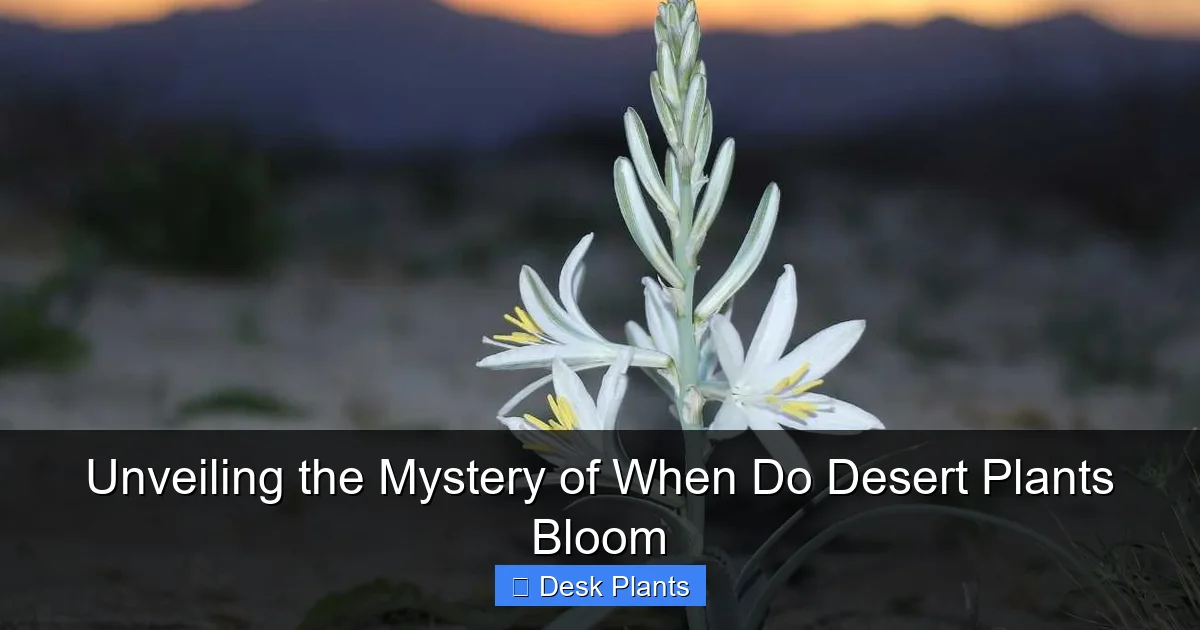
Visual guide about Unveiling the Mystery of When Do Desert Plants Bloom
Image source: desertusa.com
Step 1: Decoding Nature’s Bloom Triggers
Desert plants aren’t following a calendar. They are reading an environmental script written in rain, temperature, and light. Let’s break down this script.
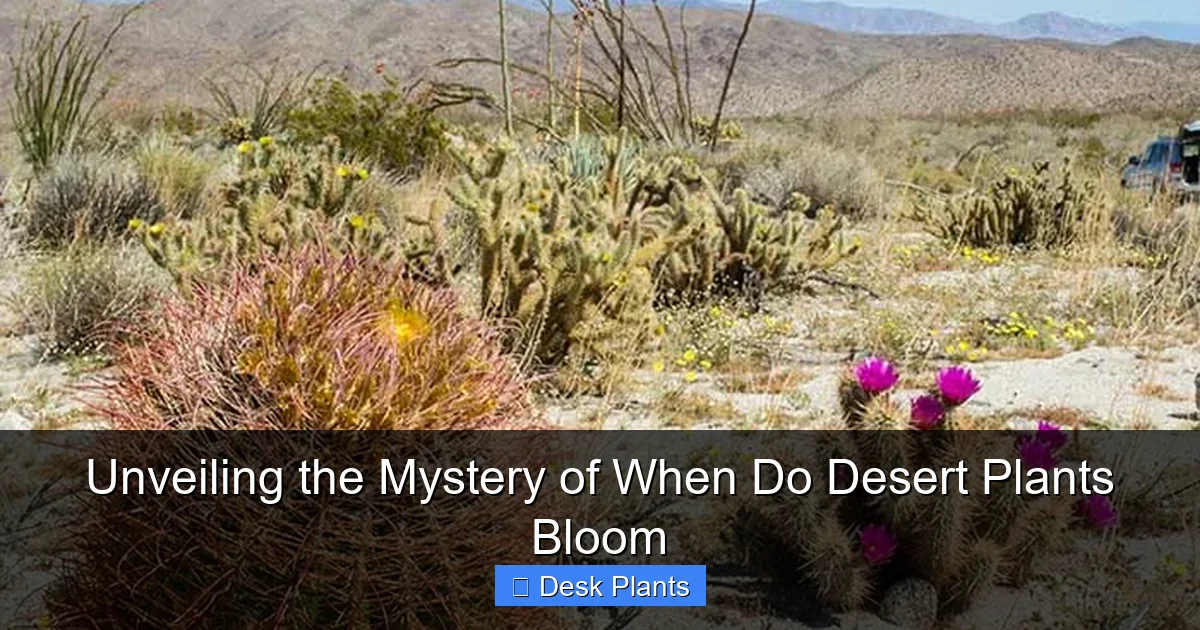
Visual guide about Unveiling the Mystery of When Do Desert Plants Bloom
Image source: desertusa.com
The Main Cue: Seasonal Rains
For most desert annuals (plants that live for one season), the answer is simple. They bloom in spring, following winter and early spring rains. The seeds lie dormant in the soil, sometimes for years, waiting for a good soaking. Once they get enough water, they sprint through their entire life cycle—sprouting, growing, flowering, and setting seed—in a matter of weeks before the summer heat dries everything up.
For perennial plants like cacti and shrubs, rain is still the star. A significant, well-timed rain event after a dry period is like a starting gun. It tells the plant, “Now! There’s enough water to support making flowers and seeds.” In the Sonoran Desert, for example, you can see two major bloom times: a spring bloom from winter rains and a late summer bloom from monsoon rains.
The Supporting Actor: Temperature Swings
Temperature works hand-in-hand with moisture. Many desert perennials, especially cacti, require a period of cooler winter temperatures (dormancy) followed by warming spring temps to trigger bud formation. This cold period acts as a reset button. Without it, the plant may grow but never get the signal to flower. The warm days then encourage the buds to swell and open.
The Power Source: Intense Sunlight
This is the non-negotiable factor. Desert plants are sun-power factories. They need long hours of direct, intense sunlight to photosynthesize and create the massive energy reserves required for blooming. A plant in the shade will simply not have the strength to produce flowers, no matter how much you water it.
Step 2: Applying Desert Wisdom to Your Desk Plants
Now, let’s translate this desert code into a care plan for your indoor cacti, succulents, and other desert-dwelling desk plants. Your goal is to mimic the natural cycles that signal “it’s time to bloom.”
Visual guide about Unveiling the Mystery of When Do Desert Plants Bloom
Image source: bioexplorer.net
Step 2.1: Mastering the Light Cycle (Mimicking the Desert Sun)
This is the most important step for indoor blooming. Your plant needs to feel like it’s in the desert.
Practical Tip: Place your plant in the brightest spot you have. A south-facing window is ideal. East or west can work, but north is usually insufficient. If your desk is in a dim office, consider a small, dedicated grow light. Run it for 12-14 hours a day to simulate long desert days.
Step 2.2: Orchestrating the Water Cycle (Mimicking the Rains)
You must replicate the boom-and-bust cycle of desert rain, not provide constant dampness.
- Spring & Summer (Growth Season): This is your “rainy season.” Water thoroughly when the soil is completely dry. Soak the pot until water runs out the drainage hole, then let it dry out fully again. This encourages strong growth.
- Fall & Winter (Dormancy): This is the critical “dry season.” Drastically reduce watering. For many cacti, this means only watering once a month or even less, just enough to prevent severe shriveling. This dry rest is a key stress trigger for flowering.
Step 2.3: Managing the Temperature Cycle (Mimicking Seasonal Change)
Your plant needs to feel a seasonal shift, especially that cool period.
Practical Tip: In winter, try to give your plant cooler nights. If possible, move it to a cooler room (around 50-55°F / 10-13°C is great for many species) or at least away from heating vents. This temperature drop during its dry rest period is a powerful bloom signal. When spring comes, the return to warmer desk temperatures tells it to wake up and flower.
Step 2.4: Feeding for Flowers (Mimicking Nutrient Flushes)
In the desert, rains bring a pulse of nutrients. We replicate this with fertilizer.
Practical Tip: Feed your plant only during its active growth period (spring and summer). Use a balanced, water-soluble fertilizer diluted to half strength, or better yet, a fertilizer formulated for cacti and succulents. Stop all fertilizing in fall and winter during dormancy.
Step 3: Patience and Plant Maturity
Remember, a seedling cactus won’t bloom. Many common desk cacti like the Mammillaria or Rebutia may need 3-5 years to reach blooming size. Your job in the early years is to provide perfect care so the plant grows healthy and strong, building up its energy reserves for the future bloom. Don’t be discouraged! A mature, well-cared-for plant is a blooming plant.
Troubleshooting: Why Isn’t My Desert Plant Blooming?
If your plant is all leaves (or spines) and no flowers, work through this checklist.
- Insufficient Light: This is the #1 reason. Is your plant getting blasted with sun for most of the day? If not, it likely won’t bloom.
- No Winter Rest: Did you keep watering and feeding it all winter? Without a dry, cool dormancy, it gets no bloom signal.
- Too Young: How old is your plant? It may simply not be ready yet.
- Over-Potting: A plant in a pot way too big for it will focus energy on filling the pot with roots, not on flowering.
- Wrong Fertilizer: Are you using a high-nitrogen fertilizer? That promotes green growth, not flowers. Switch to a bloom-booster formula (higher phosphorus) during the growing season.
Conclusion: Your Desk, A Desert in Bloom
Unveiling the mystery of when do desert plants bloom reveals a story of exquisite timing and survival. These plants are master chemists, reading the subtle language of their environment. By understanding that language—light as energy, water as a rare gift, temperature as a season’s signal—you gain the power to speak it.
Caring for your desk plant to encourage a bloom is a rewarding practice in patience and observation. You are no longer just keeping a plant alive; you are curating an experience, coaxing it through the ancient cycles of its homeland. When that first tight bud appears and unfurls into a stunning, often shockingly beautiful flower, you’ll witness a tiny piece of desert magic right on your desk. It’s a vibrant reminder of resilience, adaptation, and the quiet, spectacular rhythms of the natural world.
🎥 Related Video: Uncover the Mystery Behind Adeniums Blooming!
📺 Gardening Gliss
adenium #gardening #adeniumcare Unveil the Mystery Behind Adeniums’ Spectacular Blooms! Use Uncover the Astonishing …
