
In this guide, you’ll learn how to determine the best wattage for your desk lamp to achieve the perfect illumination for your workspace. Whether you need bright light for detailed tasks or a soft glow for relaxation, we’ve got you covered.
Key Takeaways
- Understanding Lumens: Wattage measures energy use, but lumens indicate brightness. Focus on lumens for optimal lighting.
- Task-Specific Lighting: Different tasks require different light levels. Choose wattage based on your activities, like reading or writing.
- Consider Color Temperature: The appearance of light changes with color temperature. Warmer lights are cozy, while cooler lights enhance focus.
- Energy Efficiency: LED bulbs use less wattage for the same lumen output, offering cost savings and longevity.
- Adjustable Options: Consider lamps with adjustable brightness to cater to different tasks and times of day.
- Room Size Matters: Larger rooms may require higher wattage to ensure even light distribution.
- Personal Preference: Ultimately, your comfort with light levels should guide your lamp wattage choice.
Discover What Wattage Should a Desk Lamp Be for Perfect Light
Choosing the right wattage for your desk lamp is crucial for creating an effective workspace. The correct wattage can enhance your productivity, reduce eye strain, and improve your overall comfort while working. In this comprehensive guide, you’ll learn how to calculate the ideal wattage for your desk lamp based on your needs and preferences.
Understanding Wattage and Lumens
Before choosing the wattage for your desk lamp, it’s essential to understand the difference between wattage and lumens. Wattage measures the energy consumption of the bulb, while lumens measure the brightness of the light emitted. This distinction is vital because two bulbs with the same wattage can produce different levels of brightness based on their design and technology.

Visual guide about Discover What Wattage Should a Desk Lamp Be for Perfect Light
Image source: cdn.autonomous.ai
Why Lumens Matter
The brightness of your desk lamp should be based on the lumens it provides, not solely on the wattage. As a general rule, the more lumens a bulb has, the brighter it will be. Here’s a quick reference:
- 100-200 lumens for ambient lighting
- 300-500 lumens for reading or detailed tasks
- 600+ lumens for larger workspaces
Choosing the Right Wattage for Your Desk Lamp
Now that you understand the basics of wattage and lumens, let’s explore how to choose the right wattage for your desk lamp. Follow these steps to find the perfect match for your workspace.

Visual guide about Discover What Wattage Should a Desk Lamp Be for Perfect Light
Image source: cdn.autonomous.ai
Step 1: Identify Your Lighting Needs
Begin by assessing what tasks you’ll perform at your desk. Do you need bright light for reading, writing, or intricate work? Or do you prefer softer light for general ambiance? Your specific needs will dictate the wattage you should look for in a lamp.
Step 2: Consider Room Size and Layout
The size of your room plays a significant role in determining the wattage required. Larger spaces often need higher wattage to ensure adequate lighting. Here’s a guideline:
- Small rooms (up to 100 square feet): 300-400 lumens
- Medium rooms (100-200 square feet): 400-800 lumens
- Large rooms (over 200 square feet): 800+ lumens
Step 3: Choose the Right Bulb Type
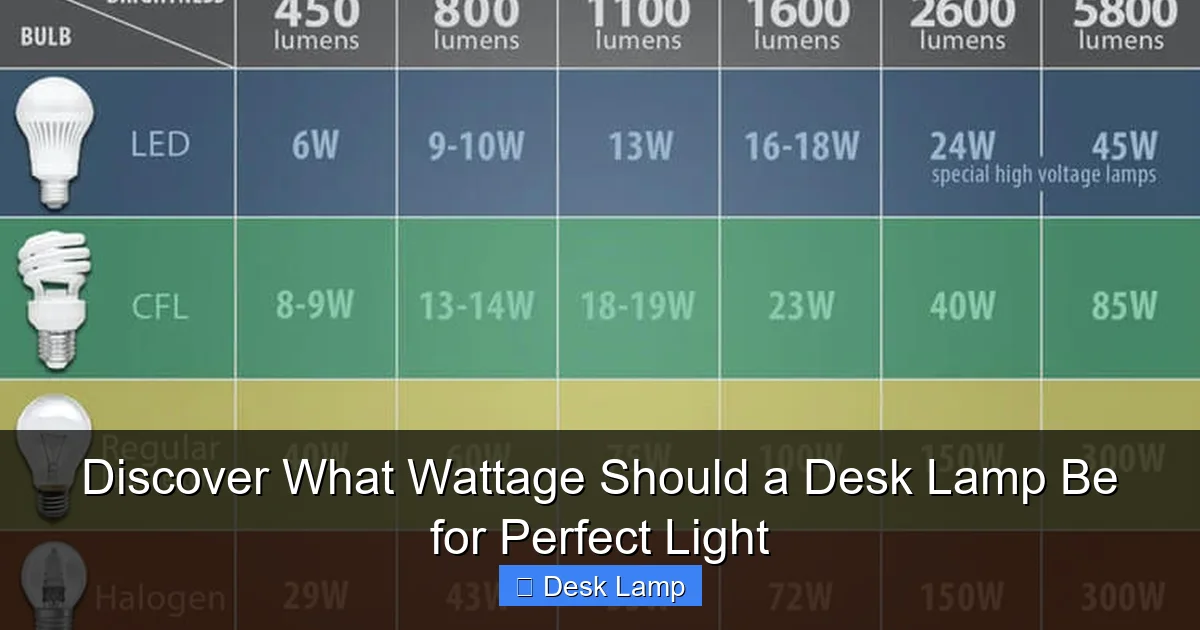
Different types of bulbs consume varying amounts of wattage to produce the same lumens. Consider these options:
- Incandescent Bulbs: Typically 60 watts for about 800 lumens.
- Compact Fluorescent Lamps (CFLs): Use about 13-15 watts for the same brightness.
- Light Emitting Diodes (LEDs): Only require 8-12 watts to produce 800 lumens.
Step 4: Factor in Color Temperature
Color temperature affects how the light appears. Measured in Kelvins (K), lights can range from warm (2700K) to cool (5000K). Warmer lights create a cozy atmosphere, while cooler lights enhance focus, making them ideal for workspaces. Choose the color temperature that best suits your tasks.
Step 5: Check for Dimmable Options
If you often switch between tasks that require different lighting levels, consider a dimmable desk lamp. Dimmable options allow you to adjust the brightness, providing versatility for various activities.
Practical Tips for Choosing Desk Lamp Wattage
Here are some practical tips to help you make the best choice for your desk lamp:
Visual guide about Discover What Wattage Should a Desk Lamp Be for Perfect Light
Image source: kaytai.com
- Always test the lamp in your space to see if the brightness meets your needs.
- Consider using multiple light sources to create layered lighting.
- Pay attention to the lamp’s design and placement; it can affect how light is distributed.
- Look for energy-efficient bulbs to save on electricity costs.
Troubleshooting Common Issues
If you experience issues with your desk lamp, here are some common problems and solutions:
Problem: Lamp is too dim
Solution: Check if the bulb is the right wattage for your needs. If not, consider switching to a higher wattage or using a different bulb type.
Problem: Lamp is too bright
Solution: If the light is harsh, try a lower wattage bulb or consider a lamp with a dimmer option.
Problem: Flickering Light
Solution: Ensure the bulb is securely placed in the socket. If the problem persists, try a different bulb or check for electrical issues.
Conclusion
Choosing the right wattage for your desk lamp is essential for creating an ideal workspace. By understanding lumens, considering your specific tasks, and factoring in the size of your room, you can select the perfect desk lamp that meets your lighting needs. Remember to keep your personal preferences in mind, and don’t hesitate to experiment with different bulbs and settings until you find what works best for you. With the right lamp, you’ll enhance your productivity and comfort in your workspace.
🎥 Related Video: what is the best type of lighting for the study or the office for working?
📺 Dear Modern
