
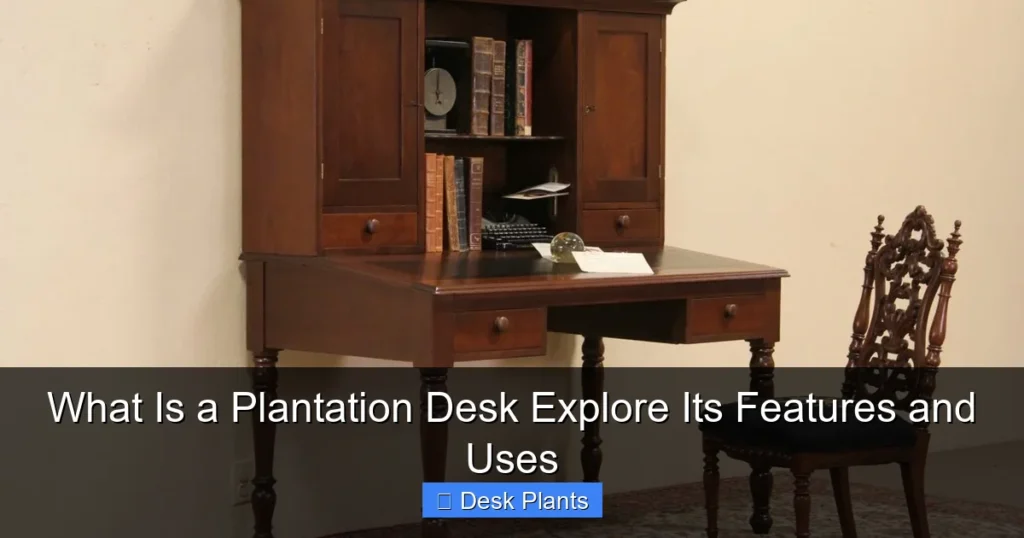
A plantation desk is a classic writing desk originating from the American South, characterized by its simple, sturdy design and often featuring a hinged writing surface. This guide explores its defining features, historical context, and practical applications in both traditional and contemporary settings. Understanding this desk helps in appreciating antique furniture and making informed decor choices.
Key Takeaways
- Historical Significance: Plantation desks originated in the 18th and 19th centuries on Southern plantations, serving as functional furniture for estate management.
- Distinctive Design: They typically feature a hinged writing surface that opens to reveal compartments, solid wood construction, and minimal ornamentation.
- Versatile Uses: Beyond writing, these desks are used as decorative pieces, home office furniture, and storage solutions in modern interiors.
- Identification Tips: Look for key elements like dovetail joints, weathered patina, and specific hardware to authenticate antique plantation desks.
- Maintenance Essentials: Proper care involves regular dusting, avoiding direct sunlight, and using appropriate wood cleaners to preserve its integrity.
- Investment Potential: Antique plantation desks can be valuable collectibles, with factors like age, condition, and provenance affecting their worth.
Introduction to Plantation Desks
Hello there! Welcome to our friendly guide on plantation desks. You might be wondering, what is a plantation desk? It’s a common question, especially if you love furniture with a story. A plantation desk is a type of writing desk that has roots in the American South. It’s known for its robust build and practical design. In this guide, we’ll explore everything about plantation desks. You’ll learn about their history, features, and uses. We’ll also share tips on how to choose and care for one. By the end, you’ll be a plantation desk expert! Let’s dive in.
First, let’s clear up any confusion. The term “plantation desk” might sound like it belongs in the category of desk plants, but it’s actually a furniture piece. Desk plants are great for greenery, but a plantation desk is all about wood and craftsmanship. This desk was originally used on plantations for administrative tasks. Today, it’s a charming addition to many homes. Whether you’re into antiques or just need a sturdy desk, this guide is for you. We’ll keep it simple and conversational. So, grab a cup of coffee and enjoy learning about plantation desks!
Historical Origins and Evolution of Plantation Desks
To understand a plantation desk, let’s travel back in time. These desks have a rich history dating to the 18th and 19th centuries. They were born on the plantations of the Southern United States. Plantation owners needed furniture that was both functional and durable. The plantation desk answered that call. It was used for writing letters, keeping records, and managing daily affairs. This history gives the plantation desk its unique character.
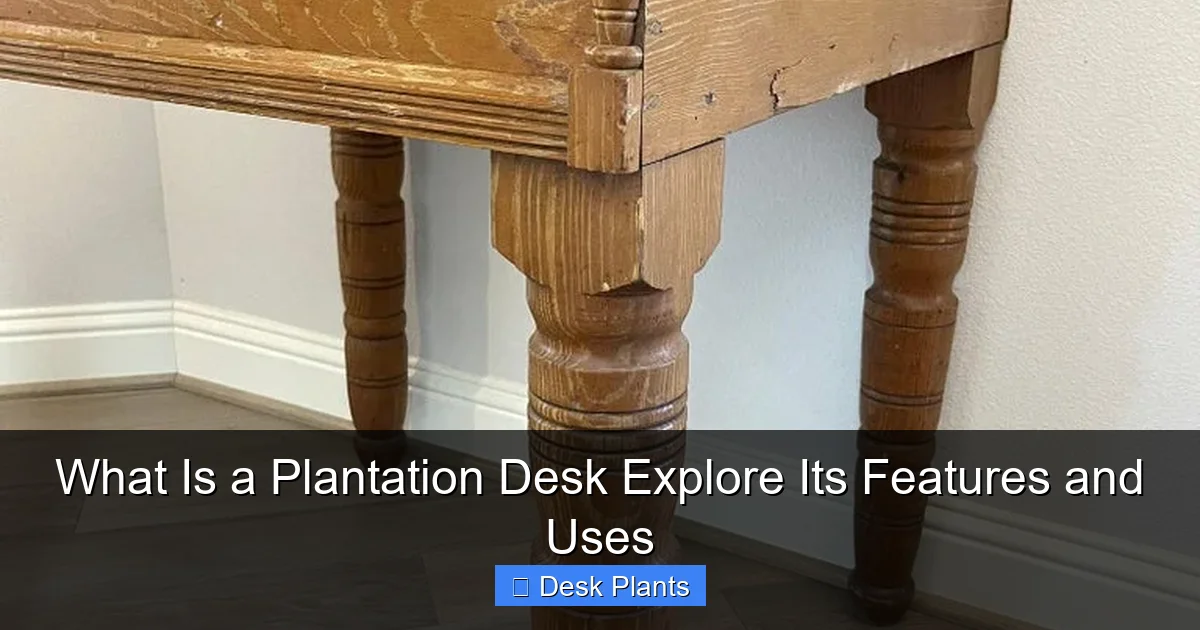
Visual guide about What Is a Plantation Desk Explore Its Features and Uses
Image source: a.1stdibscdn.com
The Early Beginnings
In the early days, plantation desks were handmade by local craftsmen. They used abundant woods like pine, oak, and cherry. The design was straightforward, focusing on utility rather than decoration. These desks were often placed in offices or studies on the plantation. They became essential tools for running large estates. The simplicity of the plantation desk reflected the practical needs of the time.
Evolution Through the Centuries
As time passed, the plantation desk evolved. After the Civil War, plantations declined, but these desks lived on. They became family heirlooms, passed down through generations. In the 20th century, antique collectors started valuing plantation desks for their historical significance. Today, reproductions are popular, blending old-world charm with modern craftsmanship. The evolution of the plantation desk shows how good design adapts. It remains relevant because of its timeless appeal.
Cultural Impact
The plantation desk is more than just furniture. It represents a period in American history. Studying it helps us understand the past. Museums often feature plantation desks as examples of Southern material culture. This cultural impact adds to the desk’s allure. When you own a plantation desk, you own a piece of history.
Key Features of a Plantation Desk
Now, let’s look at what makes a plantation desk stand out. Knowing the key features will help you identify and appreciate these desks. We’ll break it down into construction, design, and function.
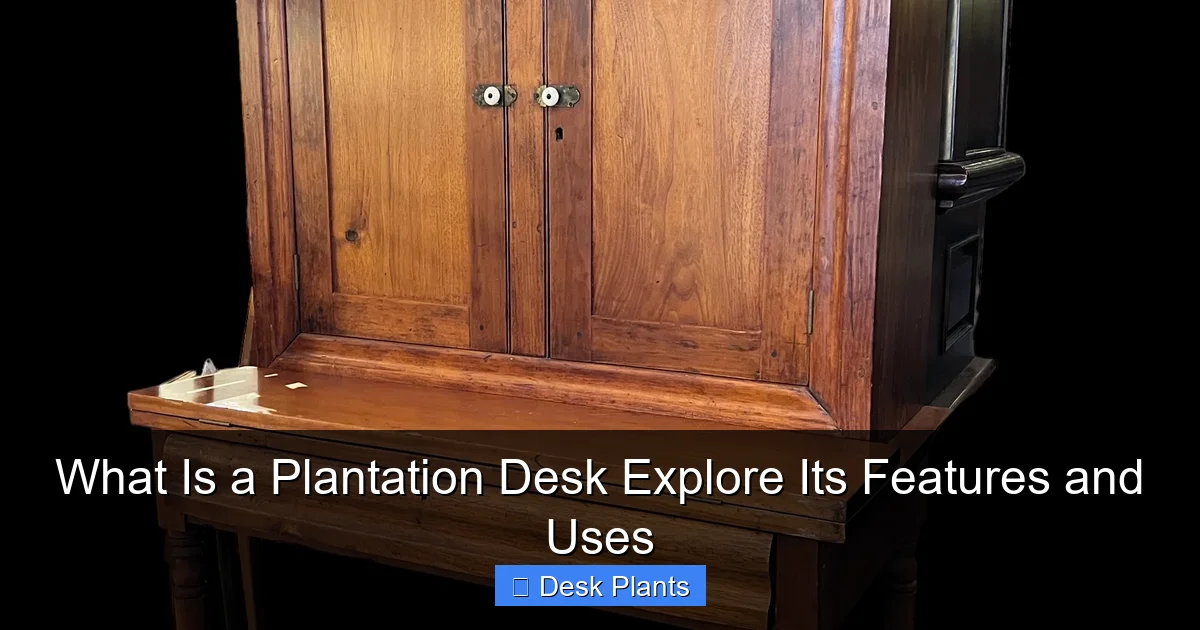
Visual guide about What Is a Plantation Desk Explore Its Features and Uses
Image source: arkantiques.org
Construction and Materials
Plantation desks are built to last. They are typically made from solid wood. Common choices include pine, oak, mahogany, and walnut. The wood is often left with a natural finish or stained to enhance its grain. Construction techniques like dovetail joints are common. These joints make the desk sturdy and durable. You might also see mortise-and-tenon joints. The hardware, such as hinges and locks, is usually simple. Brass or wrought iron was commonly used. This robust construction is a hallmark of plantation desks.
Design Elements
The design of a plantation desk is minimalistic. It usually has a hinged writing surface that opens upwards. Inside, you’ll find compartments and small drawers. These were used for storing ink, quills, and papers. The exterior might have paneled sides or turned legs. Carvings are rare, but some desks feature subtle moldings. The overall look is elegant in its simplicity. This design makes the plantation desk versatile for various settings.
Functional Components
Functionality is at the heart of a plantation desk. The hinged lid serves as a writing surface when open. When closed, it protects the contents inside. The compartments help with organization. Some plantation desks have secret drawers or hidden slots. These were useful for storing valuables or important documents. The desk’s height is often designed for sitting on a chair or stool. This ergonomic consideration shows the thought put into its design. Every component of a plantation desk has a purpose.
Common Uses and Applications of Plantation Desks
You might think a plantation desk is only for writing, but it has many uses. From its historical role to modern applications, this desk is incredibly versatile. Let’s explore how you can use a plantation desk today.
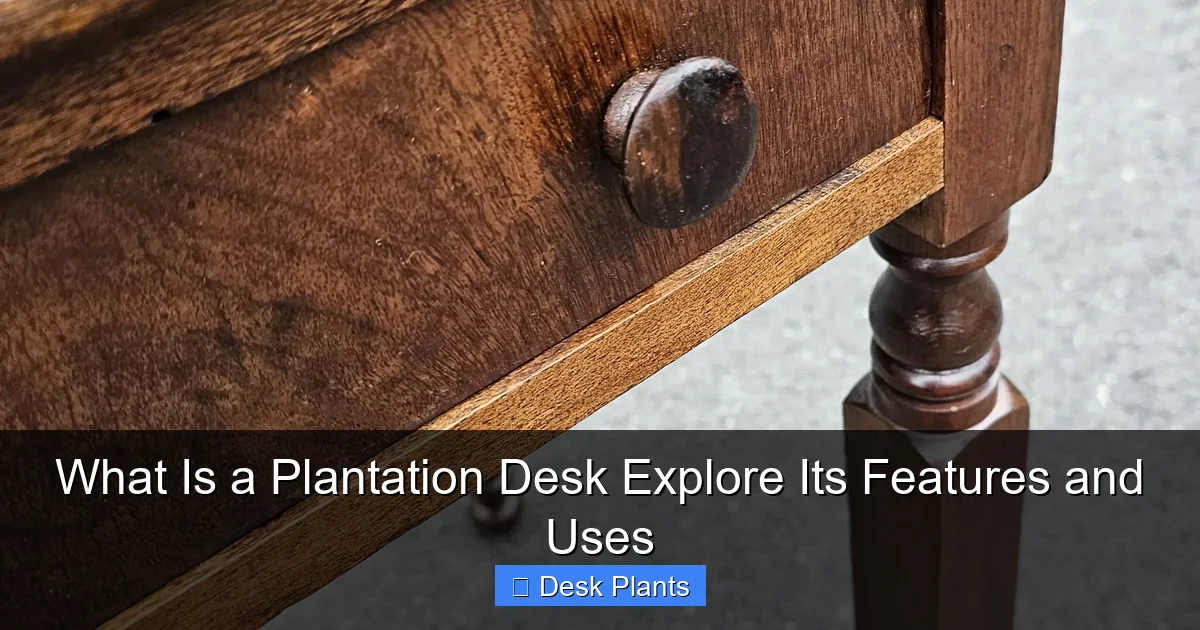
Visual guide about What Is a Plantation Desk Explore Its Features and Uses
Image source: chairish-prod.freetls.fastly.net
Traditional Uses
Historically, the plantation desk was a workspace. Plantation owners and managers used it for administrative tasks. They wrote correspondence, kept financial records, and planned daily operations. The desk was often the center of business activities. This traditional use highlights its practicality and importance. Even today, using a plantation desk for writing feels authentic. It connects you to the past in a tangible way.
Modern Applications
In contemporary homes, plantation desks serve multiple purposes. They make excellent home office desks. You can use them for your computer, paperwork, or crafting projects. Their sturdy surface handles modern electronics well. Plantation desks also work as decorative pieces. Place one in your living room as a console table. Use it to display photos, books, or decorative items. In a hallway, it can hold keys and mail. Some people even use plantation desks as bar cabinets. Store glasses and bottles inside for a stylish setup. The possibilities are endless.
Creative Ideas
Get creative with your plantation desk. If you have a small space, use it as a compact workstation. Its hinged lid saves space when not in use. In a bedroom, it can serve as a vanity or dressing table. Add a mirror and organize cosmetics inside. For collectors, a plantation desk is perfect for displaying antiques. Use the compartments to showcase small treasures. The rustic charm of a plantation desk adds warmth to any room. Don’t be afraid to think outside the box. This desk adapts to your needs.
How to Identify an Authentic Plantation Desk
If you’re in the market for a plantation desk, knowing how to identify an authentic one is key. This will help you avoid fakes and make informed purchases. Here’s a step-by-step approach.
Check the Construction Details
Start by examining the construction. Look for dovetail joints on the drawers and compartments. These should be hand-cut, not machine-made. Check for tool marks like plane marks or saw marks. These indicate handcrafting. The wood should be solid, not plywood or veneer. Tap the surface; solid wood sounds different. Also, look at the back and underside. Authentic plantation desks often have unfinished areas. This shows they were built for function, not show.
Examine the Design and Finish
Next, look at the design. Authentic plantation desks have a simple, functional design. The hinged lid should operate smoothly. Inside, compartments should be proportionate and practical. The finish might show wear, like scratches or dents. This patina adds value. Avoid desks with overly glossy or perfect finishes. They might be reproductions or heavily restored. Also, check the hardware. Original hardware might show corrosion or wear. Replacement hardware can be a red flag.
Verify Age and Provenance
Determining age can be tricky. Look for signs of aging like darkening wood or cracks. These occur naturally over time. Provenance documents, like bills of sale or family records, are gold. They prove the desk’s history. If documents aren’t available, consider the style. Compare the desk to known examples from the period. Consulting an antique appraiser can help. They can authenticate the plantation desk based on expertise. Always ask questions when buying. A reputable seller will provide information.
Tips for Choosing the Right Plantation Desk for Your Needs
Choosing a plantation desk can be exciting. With so many options, it’s important to pick one that fits your needs. Here are some practical tips to guide your decision.
Assess Your Space and Size Requirements
First, measure your space. Decide where the plantation desk will go. Is it for a home office, living room, or hallway? Consider the desk’s dimensions. Plantation desks come in various sizes. Some are small and compact, others are large and imposing. Ensure there’s enough room for the desk and for you to move around. Also, think about height. If you’ll be sitting, choose a desk with a comfortable height. Standard desk heights are around 29-30 inches. But antique plantation desks might vary. Test it out if possible.
Determine Your Style Preference
Think about your interior style. Do you prefer antique or reproduction? An antique plantation desk has history and character. A reproduction offers new condition and may have modern updates. Consider the finish. Dark woods like mahogany add richness. Light woods like pine feel airy and casual. Match the desk to your existing furniture. A plantation desk can complement many styles, from farmhouse to modern. Don’t be afraid to mix and match. The key is balance.
Set a Budget and Shop Smart
Plantation desks can range in price. Antiques may cost hundreds to thousands of dollars. Reproductions are often more affordable. Set a budget before you shop. Stick to it to avoid overspending. Look for deals at antique stores, flea markets, or online platforms. Check reviews and seller ratings. When shopping online, ask for detailed photos. Inspect the desk for damage. Factor in delivery costs if needed. With patience, you can find a great plantation desk within your budget.
Check for Quality and Condition
Quality matters. Inspect the plantation desk thoroughly. Test the hinges and drawers. They should open and close smoothly. Check for stability; the desk shouldn’t wobble. Look for signs of damage like cracks or repairs. Minor wear is normal for antiques. But major issues might affect longevity. If you’re not handy, avoid desks needing extensive restoration. For reproductions, ensure they use solid wood and good craftsmanship. A quality plantation desk will last for years.
Care and Maintenance Guide for Plantation Desks
Once you have a plantation desk, proper care will keep it looking beautiful. Here’s a comprehensive guide to maintenance. Follow these steps to preserve your desk.
Regular Cleaning Routine
Dust your plantation desk weekly. Use a soft, lint-free cloth. Dusting prevents buildup that can scratch the wood. For deeper cleaning, use a mild wood cleaner. Avoid harsh chemicals like ammonia or bleach. They can strip the finish. Dampen a cloth with cleaner and wipe gently. Always follow the wood grain. Dry immediately with another cloth. This routine keeps your plantation desk shiny and clean.
Protecting the Surface
Protect the desk from damage. Keep it away from direct sunlight. Sunlight can fade the wood over time. Use curtains or blinds to filter light. Avoid placing hot or wet items directly on the surface. Use coasters for drinks and mats for hot dishes. Consider adding a felt pad under decorative items. This prevents scratches. For extra protection, apply a wax or polish every few months. Choose products designed for wood. They create a protective barrier.
Handling Repairs and Restoration
Over time, your plantation desk might need repairs. For minor scratches, use a touch-up pen or wax stick. Match the color to the wood. For loose joints, tighten screws or apply wood glue. If you’re unsure, consult a professional. Restoring an antique plantation desk requires expertise. Professionals can repair cracks, replace hardware, or refinish the surface. Regular maintenance reduces the need for major repairs. Address issues early to prevent worsening.
Troubleshooting Common Issues with Plantation Desks
Even with care, problems can occur. Here’s how to troubleshoot common issues with plantation desks. These tips will help you keep your desk in top shape.
Sticking Drawers or Hinged Lid
If drawers or the lid stick, don’t force them. The cause is often humidity. Wood expands in moist air. Use a dehumidifier to control room humidity. You can also rub a candle or wax on the slides. This lubricates them. For hinges, apply a bit of machine oil. Wipe excess oil to avoid stains. If the problem persists, check for warping. Minor warping can be fixed with gentle pressure. For severe cases, seek professional help.
Wood Warping or Cracking
Warping or cracking can happen due to temperature changes. Keep your plantation desk in a stable environment. Avoid places near heaters or air conditioners. Use a humidifier in dry climates to prevent cracking. For existing cracks, fill them with wood filler. Sand and refinish the area. For large cracks, a professional restorer can help. Regular care minimizes these issues.
Hardware Issues
Loose hinges or missing hardware are common. Tighten screws with a screwdriver. If hardware is missing, find replacements. Look for period-appropriate pieces at antique shops or online. Installing new hardware should be done carefully. Match the style and material. For antique plantation desks, preserve original hardware when possible. It adds to the value.
Conclusion: Embracing the Charm of Plantation Desks
We’ve reached the end of our guide on plantation desks. You now know what a plantation desk is, its features, and its uses. This furniture piece is a testament to timeless design. It blends history with practicality. Whether you own an antique or a reproduction, a plantation desk adds character to your home.
Remember, plantation desks are versatile. They can be used in many ways, from writing to decorating. By following the tips in this guide, you can choose, care for, and enjoy your plantation desk. It’s an investment in beauty and function. We hope you feel inspired to explore the world of plantation desks. Thank you for reading, and happy decorating!
🎥 Related Video: Cactus Farms 🌵😋
📺 Wiley Scoops