
Desk plants are small, potted plants that bring nature to your workspace. They improve air quality, reduce stress, and boost productivity. This guide covers how to select, care for, and benefit from these green companions in simple steps.
Key Takeaways
- Desk plants enhance well-being: They filter air, reduce stress, and increase focus, making your workspace healthier and more pleasant.
- Choose based on conditions: Select plants that match your desk’s light, humidity, and space to ensure they thrive with minimal effort.
- Low-maintenance options abound: Plants like succulents, pothos, and snake plants are perfect for beginners and busy professionals.
- Proper care is simple: Water sparingly, provide indirect light, and prune occasionally to keep your desk plants vibrant and healthy.
- Troubleshoot common issues: Yellow leaves or pests can often be fixed by adjusting water, light, or using natural remedies.
- They boost décor and morale: Desk plants add aesthetic appeal and can transform any office or home desk into a green oasis.
- Start small and expand: Begin with one easy plant and gradually create a mini indoor garden for maximum benefits.
Introduction to Desk Plants
Welcome to the world of desk plants! If you have ever looked at your workspace and felt it needed a touch of life, you are in the right place. Desk plants are small, potted plants that sit on your desk, shelf, or nearby surface. They bring a slice of nature indoors. This guide will walk you through everything about desk plants. You will learn what they are, why they matter, how to pick the best ones, and how to care for them. By the end, you will be ready to green up your desk with confidence. Let us dive in!
What Are Desk Plants?
Desk plants are simply plants that fit on a desk. They are usually compact and easy to care for. These plants are not just decorations. They are living things that interact with your environment. The concept of having plants at work dates back decades. But it has grown popular recently. Why? Because people spend long hours at desks. Adding a plant can make a big difference.
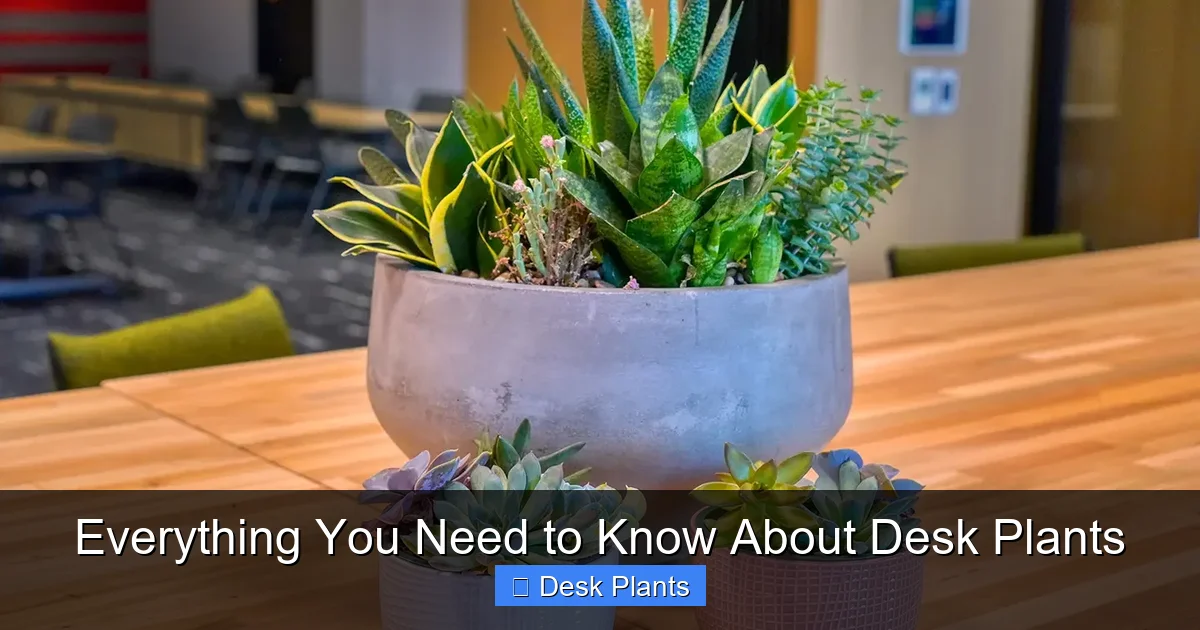
Visual guide about Everything You Need to Know About Desk Plants
Image source: plantsolutions.com
Definition and Basic Characteristics
A desk plant is any plant small enough for a desk. It often thrives in indoor conditions. Think low light and steady temperatures. Desk plants come in many shapes and sizes. Some have broad leaves. Others are spiky or trailing. The key is that they suit a workspace. They do not need constant attention. This makes them perfect for busy people.
Types of Desk Plants
There are many types of desk plants. They fall into categories like succulents, tropical plants, and air plants. Succulents store water in their leaves. They are very drought-tolerant. Tropical plants like pothos or peace lilies love humidity. Air plants do not need soil. They absorb moisture from the air. Each type has its own charm. You can mix and match to create your own green corner.
Why You Need Desk Plants
You might wonder, why bother with desk plants? The reasons are plenty. From health to happiness, desk plants offer real benefits. Let us explore them.
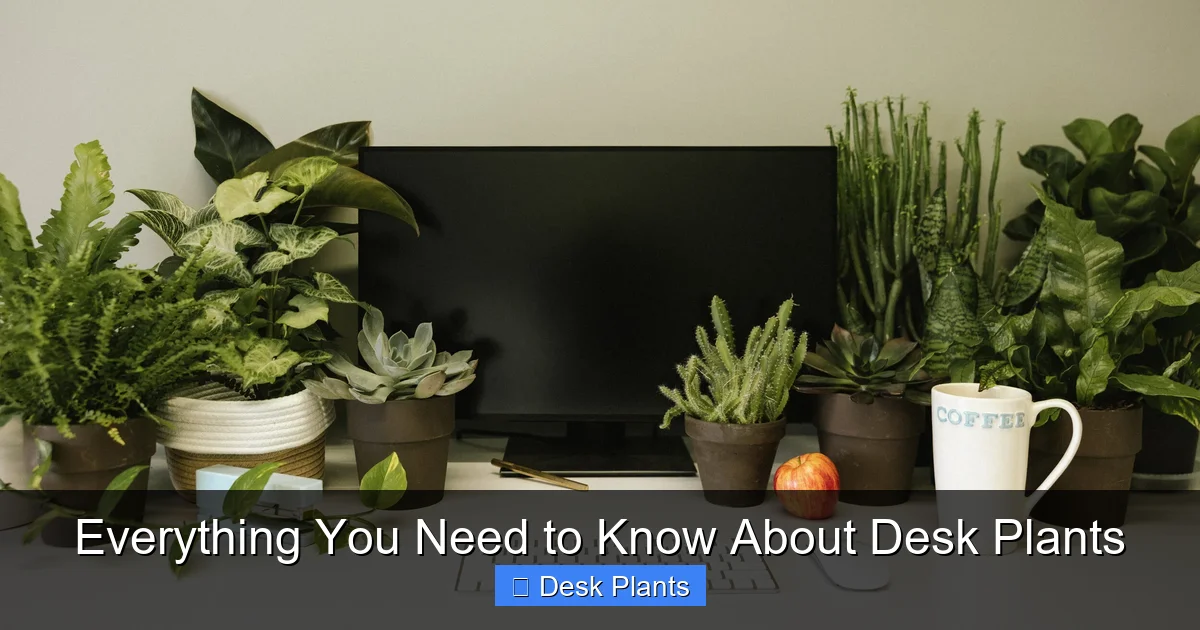
Visual guide about Everything You Need to Know About Desk Plants
Image source: images.squarespace-cdn.com
Health Benefits
Desk plants are natural air purifiers. Studies show they remove toxins like formaldehyde and benzene. These chemicals come from office equipment. Plants absorb them through their leaves and roots. This leads to cleaner air. Better air means fewer headaches and allergies. Plus, plants release oxygen during the day. This can boost your energy levels. Having a desk plant is like having a tiny, silent health buddy.
Psychological Benefits
Desk plants reduce stress. Just looking at greenery can calm your mind. In fact, research finds that plants in the workspace lower anxiety. They also improve mood. This is because nature connects us to the outdoors. It breaks the monotony of screens and walls. Plants can even enhance creativity. A green desk might help you think outside the box. So, if you feel stuck, a plant could be the spark you need.
Aesthetic Benefits
Let us face it. A plain desk can be boring. Desk plants add color and texture. They make your space look inviting. You can choose plants that match your style. Modern, rustic, or minimalist – there is a plant for every theme. A well-placed desk plant can be a conversation starter. It shows you care about your environment. Your desk becomes a reflection of your personality.
How to Choose the Right Desk Plant
Choosing a desk plant can be fun. But it is important to pick wisely. The right plant will thrive on your desk. The wrong one might struggle. Here is how to decide.
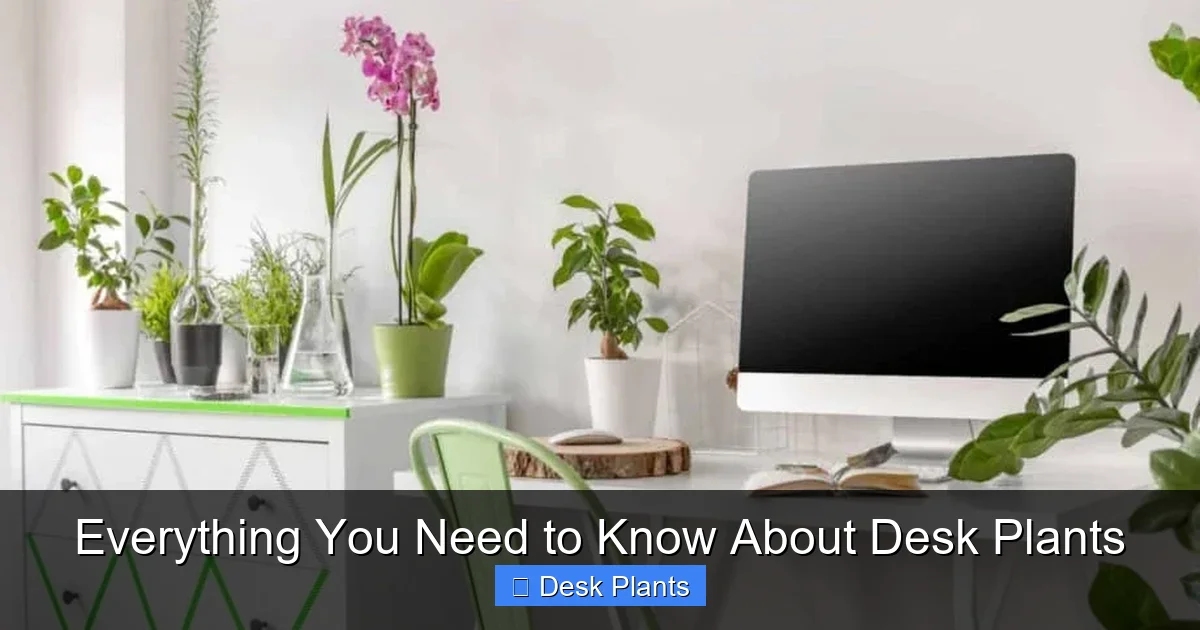
Visual guide about Everything You Need to Know About Desk Plants
Image source: planetnatural.com
Consider Your Workspace Conditions
First, look at your desk. How much light does it get? Is it near a window? Most desk plants prefer indirect light. Direct sun can scorch leaves. Low light is okay for some plants. Also, check the temperature. Offices are often cool and dry. Some plants love that. Others need more humidity. Think about space too. Measure your desk area. You do not want a plant that outgrows its spot.
Low-Maintenance vs. High-Maintenance Plants
Are you a beginner? Go for low-maintenance desk plants. These include snake plants, zz plants, and cacti. They need water only every few weeks. High-maintenance plants like orchids require more care. They might need special soil or frequent misting. Be honest about your time. If you travel often, pick a tough desk plant. It will forgive you if you forget to water.
Popular Desk Plant Recommendations
Here are some top desk plants to consider:
- Snake Plant: Tall, stripy leaves. It purifies air and needs little light.
- Pothos: Trailing vines. It grows fast and is very forgiving.
- Succulents: Like echeveria or jade plants. They are cute and drought-resistant.
- Peace Lily: Beautiful white flowers. It likes shade and tells you when it needs water.
- Spider Plant: Arching leaves with babies. It is easy to propagate.
- Air Plants: Unique and soil-free. Just soak them weekly.
Start with one of these. They are all great for desks.
Step-by-Step Guide to Setting Up Your Desk Plant
Once you choose a desk plant, it is time to set it up. Follow these steps for success.
Selecting the Pot and Soil
Pick a pot with drainage holes. This prevents water from pooling at the bottom. No holes? Add a layer of gravel. For soil, use a mix suited to your plant. Cacti need sandy soil. Tropical plants like peat-based mix. You can buy pre-mixed bags at a garden store. Choose a pot that fits your desk style. Ceramic, plastic, or terracotta all work.
Planting Your Desk Plant
Gently remove the plant from its nursery pot. Loosen the roots if they are tight. Place it in the new pot. Add soil around it. Press lightly to secure. Leave some space at the top for watering. Do not bury the stem too deep. Water it lightly after planting. This helps the soil settle.
Initial Care and Placement
Put your desk plant in a spot with the right light. Avoid direct air vents or heaters. These can dry out the plant. Let it adjust for a week. This is called acclimation. During this time, monitor its leaves. If they droop, it might need more light or water. Once settled, your desk plant will start to thrive.
Caring for Your Desk Plant
Caring for a desk plant is easy. With a few simple habits, your plant will stay healthy. Here is what to do.
Watering Guidelines
Watering is key. Too much water is a common mistake. Check the soil before watering. Stick your finger in an inch deep. If it feels dry, water it. If damp, wait. Most desk plants need water once a week. But it depends on the plant and environment. Use room-temperature water. Pour until it drains out the bottom. Empty the saucer so roots do not rot. In winter, water less often.
Light Requirements
Light keeps your desk plant happy. As said, indirect light is best. Rotate the plant every few weeks. This ensures even growth. If leaves turn pale, it might need more light. Move it closer to a window. But avoid hot midday sun. For low-light desks, choose plants like snake plants. They can survive in dim corners.
Fertilizing and Pruning
Fertilize during growing season. That is spring and summer. Use a balanced liquid fertilizer. Dilute it to half strength. Apply every month. In fall and winter, stop fertilizing. Pruning means trimming dead or yellow leaves. Use clean scissors. This encourages new growth. For trailing plants, cut back long stems. This keeps your desk plant tidy.
Troubleshooting Common Desk Plant Problems
Even with care, issues can arise. Do not worry. Most problems are fixable. Here is a troubleshooting guide.
Yellowing Leaves
Yellow leaves often mean overwatering. Let the soil dry out completely. Check for root rot. If roots are brown and mushy, trim them. Repot in fresh soil. Underwatering can also cause yellow leaves. In that case, water more regularly. But do not flood the plant. Adjust based on the plant’s needs.
Pests and Diseases
Common pests include aphids and spider mites. Look for tiny bugs or webbing. Wipe leaves with a damp cloth. Use insecticidal soap if needed. For diseases, like mold, improve air circulation. Avoid wetting leaves when watering. Isolate the sick plant to prevent spread. Most desk plants recover with prompt care.
Overwatering and Underwatering
Overwatering leads to root rot. Signs are wilting and soft stems. Underwatering causes dry, crispy leaves. To fix overwatering, repot and reduce water. For underwatering, soak the pot in water for 30 minutes. Then resume a regular schedule. Learn your plant’s thirst cues. Soon, you will water like a pro.
Advanced Tips for Desk Plant Enthusiasts
If you love desk plants, try these advanced tips. They take your green game to the next level.
Creating a Mini Indoor Garden
Combine several desk plants on a tray. Use varying heights and textures. Add decorative stones or moss. This creates a mini garden. It is visually appealing and boosts humidity. Group plants with similar needs. For example, put succulents together. Tropical plants can share a humidifier. Your desk becomes a lush retreat.
Using Desk Plants for Productivity
Place desk plants where you see them often. Like near your computer. Studies show they reduce fatigue. This helps you work longer and better. Use plants as natural dividers in open offices. They provide privacy and reduce noise. Some people even talk to their plants. It might sound silly, but it can be relaxing. Give it a try!
Conclusion
Desk plants are more than just decor. They are partners in your daily work life. They clean air, lift moods, and beautify spaces. Choosing and caring for them is simple. Start with one low-maintenance plant. Follow the steps in this guide. Soon, you will enjoy a greener, healthier desk. Do not be afraid to experiment. Each desk plant has its own personality. Embrace the journey. Your workspace will thank you. Happy planting!
🎥 Related Video: Top Low-Light Indoor Plants 🌿 | Perfect for Dark Corners!
📺 Plant Whisper Secrets
No sunlight? No problem! ☁️ These amazing low-light indoor plants thrive in near darkness, making them perfect for …
