
Upgrade your TV setup with a monitor stand for TV to improve viewing angles and save space. This guide provides step-by-step instructions for choosing, installing, and optimizing your stand. Transform your entertainment area with ease and confidence.
Key Takeaways
- Ergonomic Benefits: A monitor stand for TV allows height and angle adjustments, reducing neck and eye strain for a more comfortable viewing experience.
- Space Efficiency: These stands free up desk or surface space, helping to organize your room and reduce clutter, especially in small areas.
- Compatibility is Key: Always check your TV’s VESA pattern, size, and weight capacity to ensure the stand fits securely and safely.
- Easy Installation: With basic tools and clear instructions, setting up a monitor stand for TV is straightforward, often taking under an hour.
- Adjustability Matters: Look for stands with tilt, swivel, and height features to customize your TV position for optimal viewing from any seat.
- Cable Management: Many stands include built-in cable organizers to keep wires tidy, enhancing safety and aesthetics in your setup.
- Maintenance Tips: Regularly tighten screws and clean the stand to ensure longevity and stability, preventing common issues like wobbling.
Introduction: Why a Monitor Stand for TV?
Are you tired of straining your neck to watch TV? Do you wish your living room had more space? A monitor stand for TV might be the solution you need. This guide will show you how a simple stand can boost your TV viewing experience. You will learn how to choose, install, and use a monitor stand for TV. We cover everything from basics to pro tips. Let’s get started!
A monitor stand for TV is a support base that holds your television. It is like a desk stand for monitors but designed for TVs. It lifts your TV off the surface. This gives you better viewing angles. It also saves space. Think of it as an upgrade from a fixed TV stand. With a monitor stand for TV, you can adjust height and tilt. This makes watching TV more comfortable. Whether you game, binge shows, or work with a TV, this guide helps. We use simple language and steps. So, anyone can follow along. Ready to transform your setup? Read on!
Step 1: Assess Your TV and Space
Before buying a monitor stand for TV, assess your TV and room. This step ensures you pick the right stand. It avoids returns and mistakes. Let’s break it down.
Visual guide about Boost Your TV Viewing Experience with a Monitor Stand for TV
Image source: m.media-amazon.com
Check TV Specifications
First, look at your TV’s specs. You need to know three things: size, weight, and VESA pattern. The size is the diagonal screen measurement in inches. For example, a 55-inch TV. Weight is in pounds or kilograms. Check the manual or back of the TV. The VESA pattern is crucial for a monitor stand for TV. VESA is a standard for mounting. It refers to the hole pattern on the back of your TV. Measure the distance between holes horizontally and vertically. Common patterns are 200×200 mm or 400×400 mm. Write these down. They guide your stand choice.
Measure Your Space
Next, measure where you’ll place the stand. Use a tape measure. Note the width and depth of the surface, like a desk or table. Ensure it can hold the stand and TV safely. Also, consider viewing distance. Sit where you watch TV. Measure from your eyes to the screen. Ideal distance is 1.5 to 2.5 times the TV screen size. For a 50-inch TV, that’s about 6 to 10 feet. This helps with stand height later. Clear clutter around the area. A monitor stand for TV needs stable space. Tip: Leave room for cables and adjustments.
Step 2: Choose the Right Monitor Stand for TV
Now, select a stand that fits your needs. With many options, focus on key features. Here’s how to choose the best monitor stand for TV.
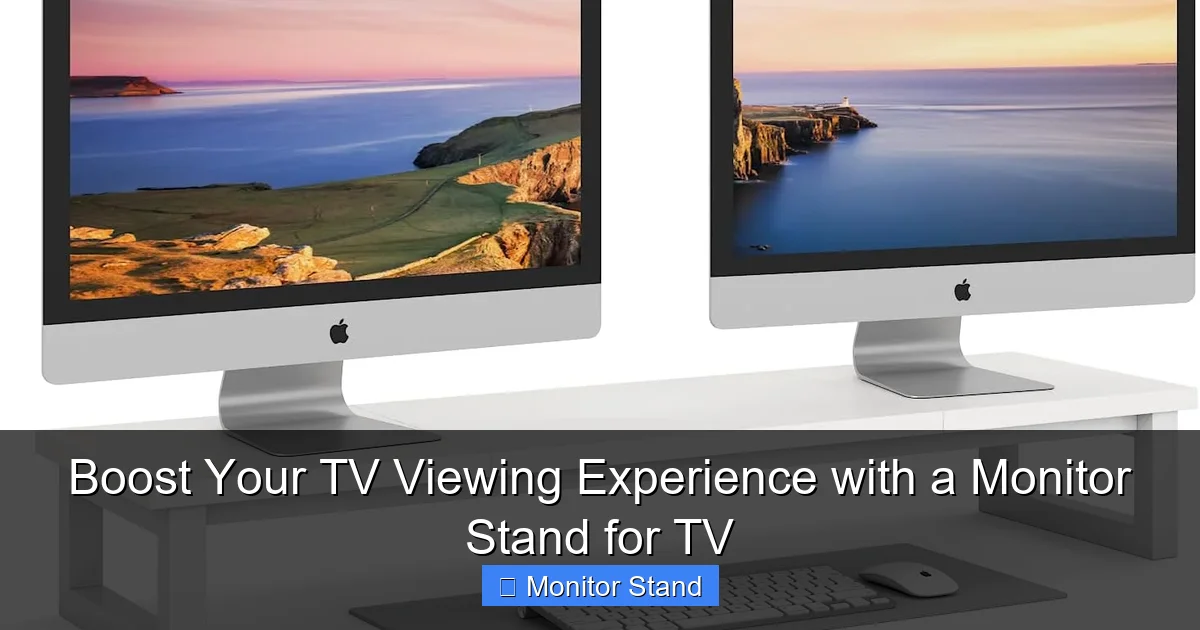
Visual guide about Boost Your TV Viewing Experience with a Monitor Stand for TV
Image source: m.media-amazon.com
Consider TV Size and Weight
Match the stand to your TV’s size and weight. Stands have weight limits. For example, a stand may hold up to 50 pounds. Your TV must be under this limit. Also, check the base size. A large TV needs a wide base for stability. Small TVs can use compact stands. As a rule, choose a stand rated for your TV’s weight plus a buffer. If your TV is 40 pounds, pick a stand for 50 pounds. This ensures safety. A monitor stand for TV that wobbles is no good.
Look for VESA Compatibility
Ensure the stand supports your TV’s VESA pattern. Most stands list compatible patterns. For instance, “VESA 200×200 to 400×400.” If your TV has a 300×300 pattern, this stand works. Some stands come with adapters. These help with odd patterns. Always double-check. VESA mismatch means you can’t attach the TV. This is a common mistake. So, keep your TV specs handy when shopping.
Decide on Features: Height Adjustment, Tilt, Swivel
Think about adjustability. A good monitor stand for TV offers height adjustment. This lets you raise or lower the screen. It helps achieve eye level viewing. Tilt is tilting the TV up or down. Swivel is turning it left or right. These features enhance viewing angles. For example, tilt reduces glare from lights. Swivel lets you share the screen with others. If you move often, get a stand with all features. Fixed stands are cheaper but less flexible. Choose based on your habits.
Material and Build Quality
Pick a stand made of sturdy materials. Metal stands are strong and durable. Plastic stands are lighter but may not hold heavy TVs. Read reviews for build quality. A well-built monitor stand for TV lasts years. Look for features like cable holes or clips. These manage wires neatly. Also, check the finish. It should match your room decor. Silver, black, or white are common. Quality matters for safety and looks.
Step 3: Install Your Monitor Stand for TV
Installation is easy with preparation. Follow these steps to set up your monitor stand for TV safely. You’ll need basic tools like a screwdriver. Let’s dive in.
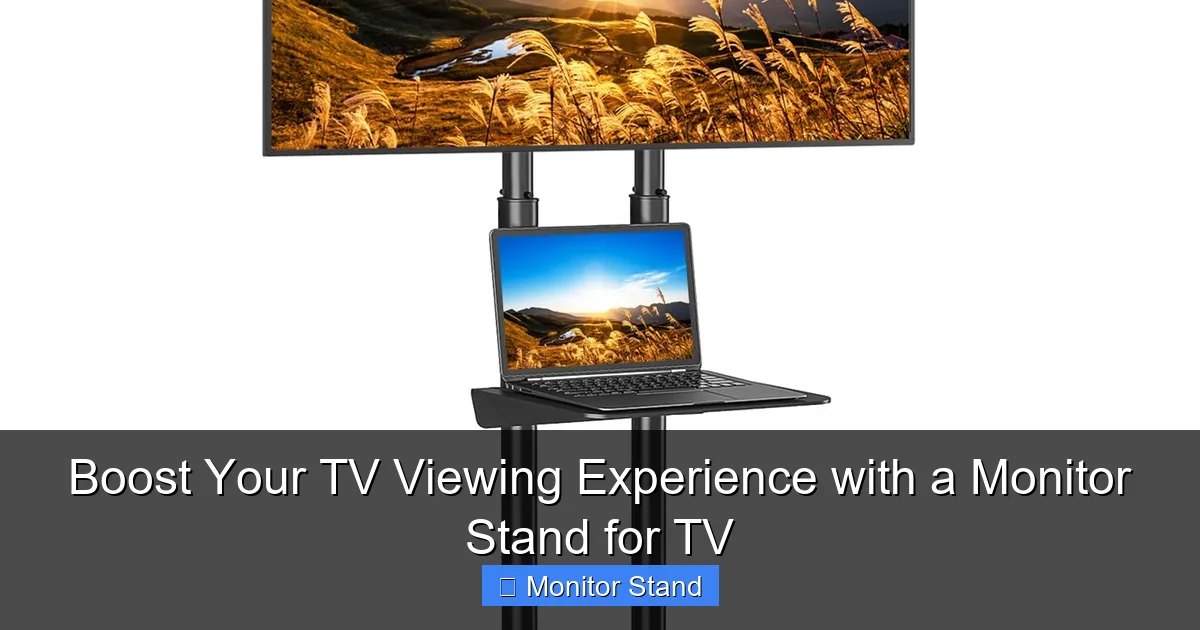
Visual guide about Boost Your TV Viewing Experience with a Monitor Stand for TV
Image source: m.media-amazon.com
Unbox and Prepare
Unbox the stand carefully. Lay out all parts. Check the manual for a parts list. Ensure nothing is missing. Typically, you get a base, pole, mounting plate, screws, and tools. Identify each piece. Clear a workspace. It helps to have a soft surface, like a carpet, to place the TV face down. Protect the screen with a towel. Now, you’re ready to attach the monitor stand for TV.
Attach the Mounting Plate to TV
First, attach the mounting plate to your TV. This plate connects the TV to the stand. Place your TV face down on the protected surface. Align the plate with the VESA holes on the back of the TV. Use the provided screws. Tighten them securely but don’t over-tighten. Over-tightening can damage the TV. Follow the manual for screw sizes. Usually, longer screws are for thicker TV backs. Test the plate by gently lifting the TV. It should feel secure. This step is key for a stable monitor stand for TV setup.
Secure the Stand Base
Next, assemble the base. Some stands have a single base. Others have a pole that attaches to the base. Follow the instructions. Often, you screw the pole into the base. Ensure the base is on a flat, stable surface. If the base has adjustable feet, level them. Use a spirit level if needed. A wobbly base affects the entire monitor stand for TV. Tighten all screws. The base should not move when pushed lightly.
Connect TV to Stand
Now, connect the TV with the mounting plate to the stand. This varies by model. Some stands have a slot where the plate clicks in. Others use screws. Have a friend help if the TV is heavy. Lift the TV and align the plate with the stand’s connector. Secure it with screws or locks. Double-check that it’s firmly attached. Gently shake the TV to test stability. If it moves, re-tighten. Your monitor stand for TV should now hold the TV upright.
Cable Management
Manage cables for a clean look. Route cables through the stand’s cable holes or clips. Plug in power, HDMI, and other cables. Use zip ties or Velcro straps to bundle wires. This prevents tangles and trips. A neat monitor stand for TV setup is safer and prettier. Leave some slack for adjustments. Now, move the stand to its final position. Push it gently to ensure it doesn’t slide.
Step 4: Adjust for Optimal Viewing
With the stand installed, adjust for the best experience. A monitor stand for TV shines here. Let’s optimize your viewing.
Set the Correct Height
Adjust the height so the screen is at eye level when you sit. This reduces neck strain. If you watch from a couch, measure from your seated eye level to the floor. Set the TV center at this height. Use the stand’s height mechanism. It might be a lever or knob. Lift or lower the TV smoothly. Avoid forcing it. For shared spaces, compromise on an average height. A monitor stand for TV makes this easy. Test by watching for a few minutes. You should look straight ahead, not up or down.
Adjust Tilt and Swivel
Use tilt to combat glare. Tilt the TV slightly downward if lights reflect on the screen. Upward tilt can help if the TV is below eye level. Swivel the TV to face your seating area. This is great for open rooms. Adjust a little at a time. Sit in different spots to check views. The goal is a clear picture from all angles. Your monitor stand for TV should feel flexible. Lock adjustments if the stand has locks. This keeps settings in place.
Test Viewing Angles
Finally, test viewing angles. Watch a variety of content—movies, games, news. Move around the room. Ensure the screen is visible without color distortion. Modern TVs have wide viewing angles, but placement helps. If you have guests, ask for feedback. Fine-tune the stand until everyone is comfortable. A monitor stand for TV improves group viewing. Enjoy your enhanced setup!
Troubleshooting Common Issues
Sometimes, issues arise. Don’t worry. Here are fixes for common problems with a monitor stand for TV.
Stand is Wobbly
If the stand wobbles, check the base first. Ensure it’s on a flat surface. Adjust the feet if available. Tighten all screws on the base and pole. If the TV is too heavy, you may need a stronger stand. Redistribute weight by centering the TV. A monitor stand for TV should be rock-solid. If wobbling persists, contact the manufacturer for support.
TV is Not Level
A crooked TV is annoying. Use a spirit level on top of the screen. Loosen the mounting plate screws slightly. Adjust the TV until level. Tighten screws evenly. Some stands have leveling built-in. Refer to the manual. This ensures your monitor stand for TV looks professional.
Cables are Messy
Messy cables can ruin a clean setup. Re-route cables through management features. Use adhesive cable clips if the stand lacks them. Bundle wires neatly. Keep power cables away from signal cables to avoid interference. A tidy monitor stand for TV setup is worth the effort.
Conclusion: Enjoy Your Enhanced TV Experience
Congratulations! You’ve learned how to boost your TV viewing experience with a monitor stand for TV. From assessment to adjustment, this guide covered it all. A monitor stand for TV offers ergonomic benefits, space savings, and customization. It’s a simple upgrade with big impact. Remember to choose compatible stands, install carefully, and adjust for comfort. Regularly maintain your stand by tightening screws and cleaning. Now, sit back, relax, and enjoy your favorite shows in comfort. Share this guide with friends looking to improve their setup. Happy viewing!
