

Properly cleaning your gear is the secret to maintaining a pro-level performance on the field. This guide explains how to wash your football gloves without damaging the delicate silicone palm. By following these steps, you will restore the sticky grip and keep your hands smelling fresh all season long.
Every football player knows the feeling. You reach up for a high pass, the ball hits your palms, and it slips right through. You look down at your gloves. They are covered in grass stains, mud, and dry sweat. They used to be your secret weapon, but now they feel like regular winter mittens. The stickiness is gone.
When you play football, your gloves take a lot of abuse. They touch the ground, the ball, and other players. Over time, dirt and oils build up on the surface. This buildup creates a barrier between the ball and the glove. If you want to make those highlight-reel catches, you need to know how to wash your football gloves the right way. Cleaning them doesn’t just make them look better. It actually restores the grip that helps you perform on the field.
In this guide, we will walk you through everything you need to know. We will cover the best tools to use, the step-by-step cleaning process, and the secret tricks to keep that grip “super sticky.” Whether you are a wide receiver, a defensive back, or a tight end, this guide is for you.
Key Takeaways
- Gentle Cleaning: Hand washing is the safest method to preserve the sticky silicone surface of your gloves.
- Cold Water Only: Always use cold or lukewarm water to prevent the materials from shrinking or cracking.
- Air Dry: Never use a dryer; high heat will melt the grip and ruin the glove’s shape.
- Regular Maintenance: Washing your gloves after every few games prevents dirt from clogging the pores of the grip.
- Inside Out: If you use a washing machine, turn the gloves inside out to protect the exterior palm during the cycle.
Why You Must Wash Your Football Gloves Regularly
It might be tempting to just throw your gloves in your bag and forget about them until the next practice. However, this is a mistake. Bacteria love warm, damp places. Your sweaty gloves are the perfect home for germs. If you don’t wash them, they will start to smell very bad very quickly. This is often called “locker room funk,” and once it sets in, it is hard to get out.
More importantly, the silicone material on the palm is porous. This means it has tiny holes that you can’t see. When you play, dust and sweat fill these holes. This makes the surface smooth instead of tacky. When you wash your football gloves, you are essentially “unclogging” the grip. This allows the silicone to grab the pebbled surface of the football again. Regular cleaning can actually extend the life of your gloves, saving you money in the long run.
Method 1: The Hand Washing Technique (Highly Recommended)
Hand washing is the gold standard. It is the gentlest way to clean your gear. Because you are doing it by hand, you can focus on the dirtiest spots without putting too much stress on the seams. This method ensures that the sticky palm stays intact for as long as possible.
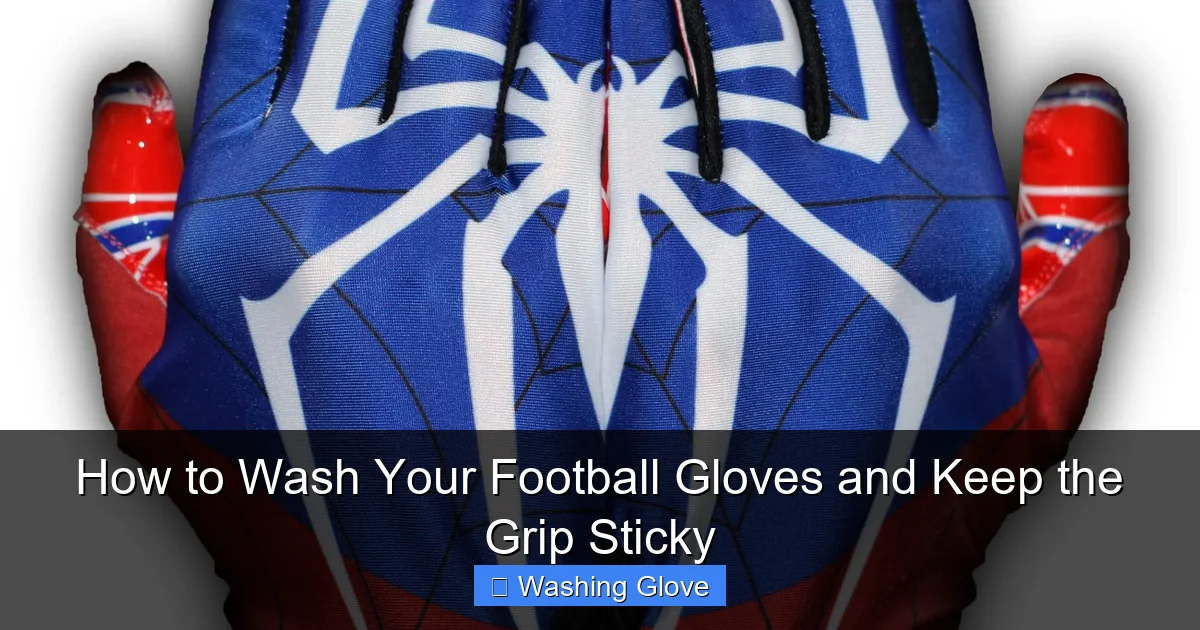
Visual guide about How to Wash Your Football Gloves and Keep the Grip Sticky
Image source: m.media-amazon.com
Step 1: Prepare the Basin
Find a clean sink or a small plastic tub. Fill it with lukewarm water. Do not use hot water. Hot water can break down the adhesives that hold the grip to the fabric. Add a small amount of mild liquid detergent. A teaspoon of dish soap or gentle laundry soap is perfect. Swish the water around until you see light bubbles.
Step 2: Submerge and Soak
Put your gloves into the soapy water. Push them down so they are completely submerged. Let them soak for about 10 to 15 minutes. This gives the soap time to break down the body oils and dried sweat inside the fabric. If your gloves are particularly smelly, you can add a tablespoon of white vinegar to the water. Vinegar is a natural deodorizer that kills bacteria.
Step 3: Scrub the Palms
After soaking, use your fingers or a very soft-bristled toothbrush to gently scrub the palms. Focus on the areas where you see visible dirt or grass stains. Be very careful not to use a stiff brush, as this can scratch the silicone and ruin the grip. Use circular motions to lift the dirt out of the pores of the material.
Step 4: Clean the Interior
Don’t forget the inside! Reach inside the gloves and rub the fabric together. This helps remove the sweat that causes odors. If you skip this part, the gloves might look clean on the outside but will still smell terrible once they get warm again.
Step 5: Rinse Thoroughly
Drain the soapy water and refill the basin with fresh, cool water. Rinse the gloves repeatedly. You must remove every bit of soap. Leftover soap residue is a common reason why gloves feel “slippery” after washing. Keep rinsing until the water runs clear and there are no more bubbles when you squeeze the gloves.
Method 2: Using the Washing Machine (The Fast Way)
Sometimes you are in a rush. If you have a big game tomorrow and your gloves are filthy, the washing machine can save the day. Most modern football gloves are made to be machine-washable, but you must take specific precautions to protect them.
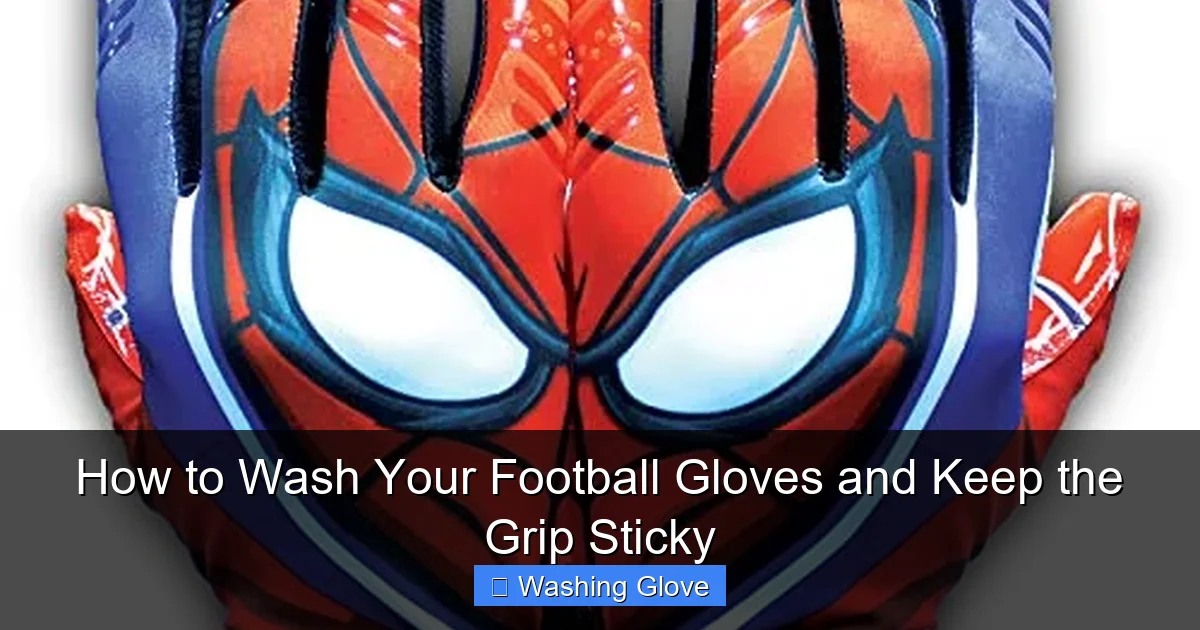
Visual guide about How to Wash Your Football Gloves and Keep the Grip Sticky
Image source: m.media-amazon.com
Step 1: Turn Them Inside Out
This is the most important step for machine washing. By turning the gloves inside out, you protect the sticky palms from rubbing against the walls of the washing machine. It also allows the water and soap to directly target the sweat-soaked interior where the odor-causing bacteria live.
Step 2: Use a Mesh Laundry Bag
If you have one, place the gloves inside a mesh laundry bag. This prevents the straps and Velcro from getting caught on other clothes or the machine’s agitator. It also keeps the gloves from being stretched out during the spin cycle.
Step 3: Set the Correct Cycle
Always use the “Delicate” or “Hand Wash” cycle on your machine. Use cold water. Never use bleach or fabric softeners. Fabric softeners are the enemy of sticky gloves. They contain oils and chemicals that coat the palms, making them permanently slick. Use a small amount of gentle detergent.
Step 4: The Rinse Cycle
If your machine has an “Extra Rinse” option, use it. As mentioned before, getting all the soap out is vital for keeping the grip tacky. Once the cycle finishes, remove the gloves immediately. Do not let them sit in the damp machine, as this can encourage mold growth.
The Drying Process: Do Not Skip These Steps
How you dry your gloves is just as important as how you wash them. In fact, most players ruin their gear during the drying stage. Heat is the number one killer of football gloves.
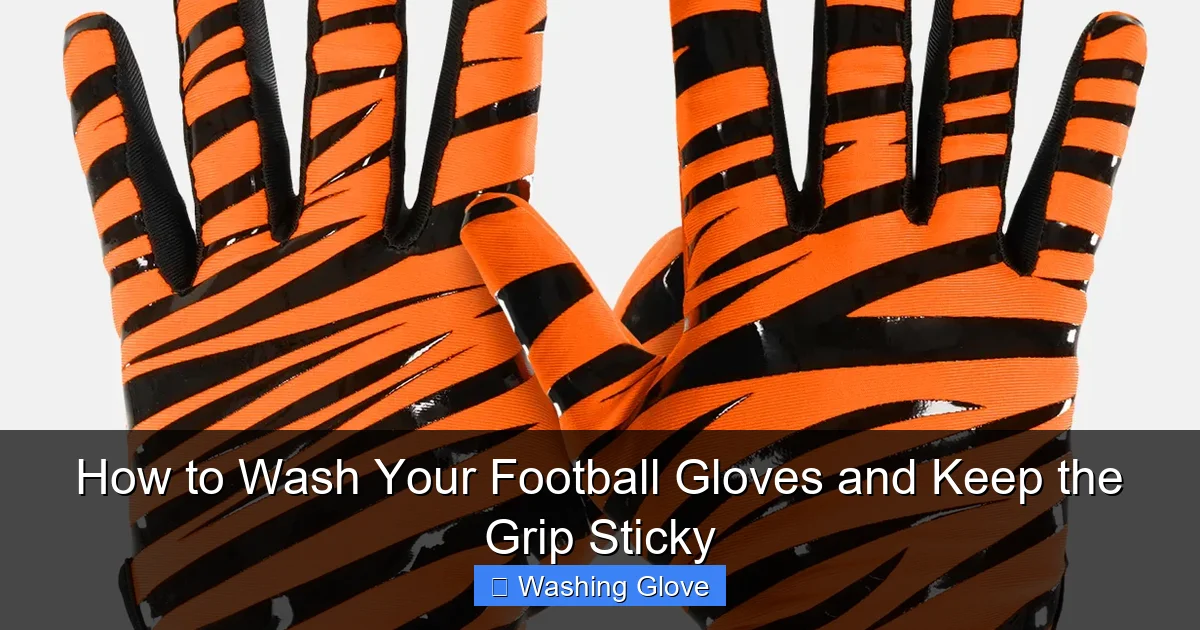
Visual guide about How to Wash Your Football Gloves and Keep the Grip Sticky
Image source: sleefs.com
Step 1: Remove Excess Water
After washing, do not wring or twist your gloves. This can tear the stitching and warp the shape of the fingers. Instead, lay them flat on a clean, dry towel. Fold the towel over the gloves and press down firmly. This will soak up the bulk of the water without damaging the materials.
Step 2: Reshape the Gloves
While the gloves are still damp, put them on your hands for a moment. This helps them regain their natural shape. After you take them off, gently pull on the fingers to make sure they aren’t bunched up.
Step 3: Air Dry Indoors
Find a cool, dry place away from direct sunlight. You can hang them by the wrist straps or lay them flat on a drying rack. Sunlight can be just as damaging as a clothes dryer. The UV rays can cause the silicone to become brittle and crack. A fan can be used to speed up the process by increasing airflow.
Step 4: Avoid the Dryer and Heaters
Never, under any circumstances, put your football gloves in a clothes dryer. The high heat will melt the grip and shrink the fabric. Similarly, do not place them on a radiator or near a space heater. Patience is key here. It may take 24 hours for them to dry completely, so plan accordingly.
How to Restore the Sticky Grip
Once your gloves are clean and dry, you want them to have that “brand new” stickiness. Sometimes, even after a wash, they might feel a little dull. Here are some pro tips to bring back the tackiness.
The Water Trick
During a game, you often see players wiping their gloves on their wet jerseys or even spitting on them. This works because a little bit of moisture actually helps the silicone “grab” the ball. When you are at home, you can wipe the palms with a damp cloth right before you head out to the field. This removes any dust that settled on them while they were drying.
The Rubbing Alcohol Method
If your gloves feel slick even when clean, you can use a tiny amount of rubbing alcohol. Put a few drops on a cotton ball and gently wipe the silicone palms. This removes deep-seated oils and “opens up” the grip. Do not do this too often, as alcohol can eventually dry out the material if used excessively.
The “Clap” Technique
Once your gloves are slightly damp, clap your hands together repeatedly. This creates friction and “wakes up” the sticky properties of the silicone. You should hear a loud “smack” or “pop” when you pull your hands apart. If you hear that sound, you know your gloves are ready for a touchdown.
Maintaining Your Gloves Between Washes
You shouldn’t have to do a deep wash every single day. There are things you can do after every practice to keep them in good shape. These small habits will make your deep cleans much easier.
- Wipe them down: After every use, take a damp cloth or a baby wipe and wipe the palms. This removes the immediate dirt before it has a chance to sink in.
- Air them out: Never leave your gloves inside your helmet or at the bottom of your bag. Hang them on the outside of your bag or place them on a table when you get home. Airflow is your best friend.
- Rotate your gloves: If possible, have two pairs of gloves. Use one for practice and one for games. This gives each pair more time to dry and recover between uses.
- Check the Velcro: Keep the Velcro straps clean. If they get clogged with hair or lint, they won’t stay tight, which can affect how the gloves feel on your hands.
Troubleshooting Common Problems
What if my gloves still smell?
If a normal wash doesn’t work, try a baking soda soak. Mix a cup of baking soda into a bowl of water and let the gloves soak for an hour. Baking soda is amazing at neutralizing odors. You can also place a dry dryer sheet inside each glove when they are in your bag to keep them smelling fresh.
The grip is peeling off. Can I fix it?
Unfortunately, if the silicone palm is physically peeling or flaking off, the gloves are reaching the end of their life. This usually happens because of age or exposure to high heat. You can try to clean them to get one last game out of them, but it is likely time to start shopping for a new pair.
The gloves are stiff after drying.
This is normal! When they air dry, the fabric can become a bit stiff. Simply put them on and move your hands around. Flex your fingers and make a fist several times. Your body heat and the movement will quickly soften the material and make them comfortable again.
Conclusion
Knowing how to wash your football gloves is a vital skill for any serious player. It is about more than just hygiene; it is about performance. A clean glove provides the friction you need to secure the ball in traffic and make the big plays your team counts on. By choosing the right washing method, avoiding high heat, and using our grip-restoring tips, you can keep your gear in top-tier condition all season long.
Remember: Treat your gloves like a tool. If you take care of your tools, they will take care of you on the field. Now that your gloves are clean and sticky, get out there and catch everything that comes your way!
🎥 Related Video: How to wash your gloves 🧼🧴
📺 Goalkeepers Anonymous