

This guide provides easy steps to wash your toilet brush thoroughly, ensuring it remains hygienic and odor-free. You’ll learn effective methods to disinfect and maintain your brush, promoting a cleaner bathroom environment with regular care.
Key Takeaways
- Clean Weekly: Wash your toilet brush at least once a week to prevent bacterial buildup and bad smells.
- Disinfect Thoroughly: Use bleach, vinegar, or other disinfectants to kill germs effectively when you wash toilet brush.
- Dry Completely: Always air-dry the brush and holder before storing to avoid mold and mildew growth.
- Sanitize the Holder: Clean the brush holder regularly to prevent cross-contamination and maintain overall hygiene.
- Replace Regularly: Replace your toilet brush every 6-12 months, or when bristles wear out, for optimal cleaning performance.
- Wear Protective Gear: Use gloves and, if needed, eye protection during cleaning to shield yourself from harsh chemicals.
- Eco-Friendly Options: Consider natural cleaners like baking soda and vinegar as safe alternatives for washing your toilet brush.
Introduction: Why Washing Your Toilet Brush Matters
Hello there! Let’s talk about a bathroom tool that often gets overlooked: the toilet brush. It’s your go-to for cleaning the toilet, but did you know it can harbor germs and odors if not cleaned properly? That’s right! When you neglect to wash toilet brush, it becomes a breeding ground for bacteria. This can spread germs in your bathroom and make cleaning less effective. In this guide, you’ll discover how to wash your toilet brush like a pro. We’ll cover everything from gathering supplies to storage tips. By the end, you’ll have a sparkling clean brush and a fresher bathroom. So, roll up your sleeves and let’s dive in!
What You’ll Need to Wash Your Toilet Brush
Before you start, gather these supplies. Having everything ready makes the process smoother. Here’s a list:
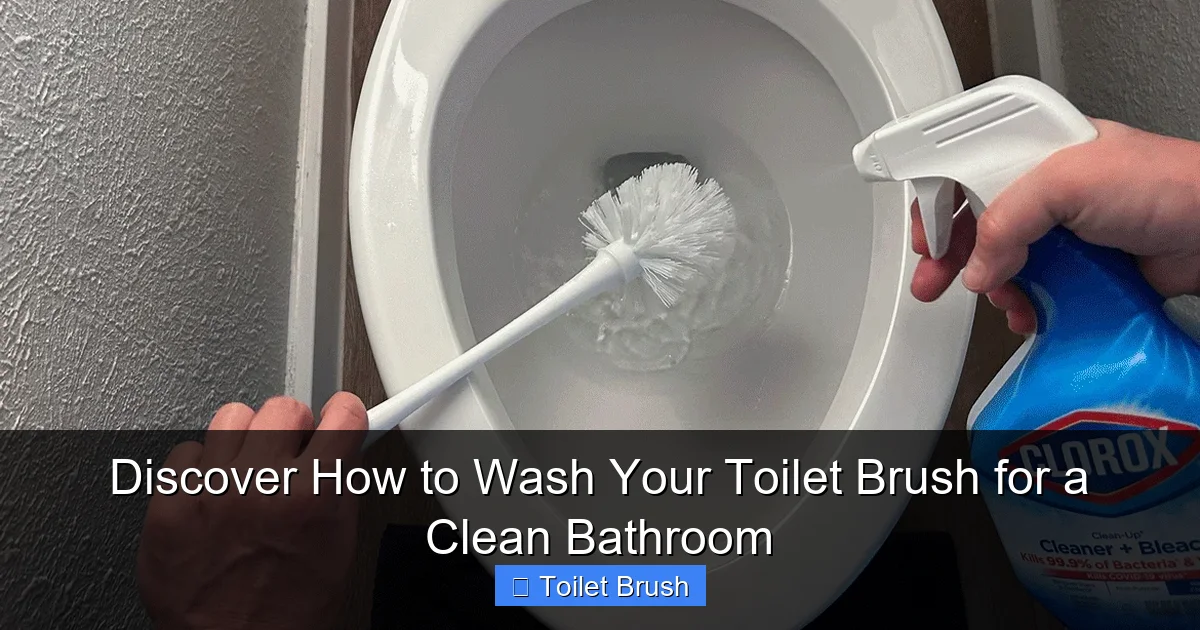
Visual guide about Discover How to Wash Your Toilet Brush for a Clean Bathroom
Image source: familyhandyman.com
- Toilet brush: The one you use regularly.
- Disinfectant: Options include bleach, white vinegar, or commercial bathroom cleaners.
- Hot water: From your tap or kettle.
- Bucket or sink: For soaking and rinsing.
- Gloves: Rubber or disposable gloves to protect your hands.
- Old towel or paper towels: For drying and cleaning up spills.
- Baking soda (optional): For scrubbing and deodorizing.
- Brush holder: To clean separately.
Remember, always work in a well-ventilated area. Open a window or turn on the fan. Safety first!
Step 1: Prepare Your Bathroom Area
Start by getting your bathroom ready. This step ensures a clean and safe workspace.

Visual guide about Discover How to Wash Your Toilet Brush for a Clean Bathroom
Image source: storables.com
Clear the area around the toilet. Remove any rugs, mats, or items on the floor. This prevents them from getting dirty or wet. Next, put on your gloves. Gloves protect your skin from chemicals and germs. If you’re using strong cleaners like bleach, consider wearing eye protection too. Now, flush the toilet to wet the bowl. This makes it easier to rinse the brush later. You’re all set to begin!
Step 2: Remove and Rinse the Toilet Brush
It’s time to take out the brush. Hold the brush by its handle and lift it from the holder. Be careful not to drip water everywhere. Over the toilet bowl, shake off excess water. Then, rinse the brush under hot running water. Use the toilet bowl water or a sink if available. Rinse thoroughly to remove loose debris and toilet cleaner residue. This initial rinse is key when you wash toilet brush. It gets rid of surface gunk before deep cleaning.

Visual guide about Discover How to Wash Your Toilet Brush for a Clean Bathroom
Image source: clipart-library.com
Pro Tip for Stubborn Residue
If you see stubborn stains, scrub the bristles gently with an old toothbrush. This helps dislodge particles. Don’t use this toothbrush for anything else!
Step 3: Disinfect the Toilet Brush
Disinfection kills germs. Here’s how to do it effectively. Choose one of these methods based on your preference.
Method A: Using Bleach Solution
Bleach is a powerful disinfectant. Mix one part bleach with ten parts hot water in a bucket. Submerge the brush bristles in the solution. Let it soak for 10-15 minutes. This kills bacteria and viruses. After soaking, rinse the brush well with hot water. Remove all bleach residue to avoid fumes.
Method B: Using White Vinegar
Vinegar is a natural alternative. Fill a bucket with equal parts white vinegar and hot water. Soak the brush for 30 minutes. Vinegar cuts through grime and deodorizes. Rinse thoroughly after soaking.
Method C: Using Commercial Cleaners
Follow the product instructions. Usually, you spray or soak the brush. Ensure proper ventilation with chemical cleaners.
Whichever method you pick, the goal is to sanitize. Regularly disinfect when you wash toilet brush to maintain hygiene.
Step 4: Clean the Brush Holder
Don’t forget the holder! It can be just as dirty as the brush. First, empty any standing water from the holder. Then, wash it with hot soapy water. Use a sponge or cloth to scrub the inside and outside. For disinfecting, use the same solution as for the brush. Soak the holder for 10 minutes. Rinse it well with hot water. Dry it completely with a towel. A clean holder prevents recontamination.
Step 5: Rinse and Dry Everything Thoroughly
After disinfecting, rinse both the brush and holder under hot running water. Ensure no cleaner residue remains. Shake off excess water. Now, drying is crucial. Place the brush and holder in a well-ventilated spot. Avoid storing them while wet. Moisture leads to mold and odors. Let them air-dry for a few hours or overnight. You can pat them dry with an old towel to speed up the process.
Why Drying Matters
A dry brush prevents bacterial growth. It also makes your bathroom smell fresher. Never skip this step when you wash toilet brush.
Step 6: Store Properly for Future Use
Once dry, reassemble the brush and holder. Place the brush back in its holder. Ensure the holder is in a stable position, away from high traffic areas. Some people prefer storing the brush separately, like in a closet, but the holder is designed for this. Just make sure both are completely dry. Proper storage extends the life of your brush and keeps your bathroom tidy.
Tips for Effective Toilet Brush Cleaning
Here are some extra tips to enhance your routine:
- Clean after each use: Rinse the brush under hot water after every toilet scrub to reduce buildup.
- Use baking soda: Sprinkle baking soda on bristles before rinsing for extra deodorizing power.
- Schedule regular cleaning: Set a reminder to wash toilet brush weekly. Consistency is key.
- Check for wear: Inspect bristles for damage. Frayed bristles won’t clean well and should prompt replacement.
- Keep it separate: Don’t use the same brush or cleaner for other surfaces to avoid cross-contamination.
These tips make cleaning easier and more effective.
Troubleshooting Common Issues
Sometimes, problems arise. Here’s how to fix them:
Persistent Odors
If your brush still smells after washing, soak it in a vinegar-baking soda paste. Mix vinegar and baking soda to form a paste, apply to bristles, wait 15 minutes, then rinse. This neutralizes odors.
Stubborn Stains
For tough stains, use a stronger bleach solution or commercial stain remover. Soak longer, up to 30 minutes, then scrub gently.
Mold or Mildew
If you see mold, discard the brush if it’s old. For mild cases, soak in bleach solution for 20 minutes. Always dry thoroughly to prevent recurrence.
Brush Bristles Falling Out
This means it’s time to replace the brush. Worn-out bristles can’t clean properly and may shed into the toilet.
Addressing these issues ensures your brush remains functional and hygienic.
Conclusion: Embrace a Cleaner Bathroom Routine
Congratulations! You’ve learned how to wash your toilet brush thoroughly. By following these steps, you eliminate germs, prevent odors, and maintain a sparkling bathroom. Remember, a clean toilet brush is essential for overall hygiene. Make it a habit to wash toilet brush regularly. Share this guide with friends and family to spread the knowledge. Here’s to a fresher, healthier home! Happy cleaning!
🎥 Related Video: How to use a toilet brush #shorts #howto #learning
📺 StillLearningTheBasics